
.png?width=48&height=48&name=Group%201%20(3).png)























11 March, 2026

Internet Safety for Kids: Top 7 Online Gaming Dangers
Key Highlights
- Online gaming dangers include cyberbullying, privacy issues, and exposure to online predators.
- Strong internet safety practices are crucial to protect children in the online world.
- Parents should monitor their children's gaming habits and look for behavioral changes.
- Adjusting privacy settings on online games and consoles helps protect personal information.
- Excessive gaming can negatively impact a child's mental health, sleep, and schoolwork.
- Open communication about online risks helps children stay safe while enjoying their favorite games.
Introduction
Online games are a favorite pastime for many young people, offering a world of adventure and social connection. According to the Entertainment Software Association, 70% of families have at least one child who plays video games. While these games provide quality entertainment, they also come with a darker side, including the threat of inappropriate messages. It's essential for parents to understand the potential risks involved to ensure internet safety for their children. Establishing a dialogue about safe online behavior from a young age is the most important thing you can do to protect them.
Understanding Online Gaming Risks for Kids in Australia
The world of online games is vast and exciting, but it also presents several online risks that parents should be aware of to help them stay safe online. The main dangers include cyberbullying, where cyber bullies target players from other players, privacy threats that can expose personal information, and interactions with online predators who may try to build trust with young people.
Navigating the online world requires awareness and caution. Hidden costs in "freemium" games and the potential for malware, including a malicious version of legitimate apps, are also significant concerns. Understanding these specific threats is the first step toward creating a safer gaming environment for your child. Let's explore why gaming is so popular and the platforms your kids might be using.
Why is online gaming popular among Australian children
Online gaming provides children with a unique social outlet and escape. It lets them connect with friends and players who share their interests, offering engaging challenges and rewards that keep them coming back after exploring a new level of a game.
The social element is a major attraction. Kids team up for quests or compete against others, building community and teamwork—making online games as central to their lives as playgrounds or sports teams.
Most families have children who play video games, according to the Entertainment Software Association, showing how mainstream gaming is. Playing across devices makes online games accessible anytime, anywhere.
Common online gaming platforms for Aussie kids
Children today play online games on a wide variety of devices. The NPD Group reports that 59% of gamers play across multiple platforms, including dedicated gaming consoles, PCs, and mobile devices. This multi-platform environment means kids can access their favorite games from almost anywhere, even from the most reputable app marketplaces.
Mobile games are a particularly critical segment of the game industry. Many children exclusively play on mobile devices, downloading games from app stores like Google Play. These games often utilize a freemium business model, designed by game developers to be highly accessible and engaging.
Beyond mobile, dedicated gaming consoles, including the latest game console models, and computers remain popular choices. Each platform offers a unique library of games and online communities. It's important for parents to be familiar with the devices their children use to play.
|
Platform Type |
Examples |
Key Features |
|---|---|---|
|
Gaming Console |
PlayStation, Xbox, Nintendo Switch |
High-quality graphics, dedicated online networks, often requires subscriptions. |
|
PC/Laptop |
Steam, Epic Games Store |
Large game libraries, customizable hardware, active online communities. |
|
Mobile Devices |
Smartphones, Tablets |
Highly accessible, many "freemium" games, available on Google Play and Apple App Store. |
Parental concerns about internet safety and gaming
Parents are rightfully concerned about internet safety and their children's gaming. One major risk is exposure of personal information, as children may be tricked into sharing details that could lead to identity theft or other dangers involving local electronics.
Interacting with strangers is another worry. Online games connect kids globally, often with their default factory settings, making it hard to know who they’re talking to. This can lead to cyberbullying or grooming by predators who manipulate children through game chats.
Linking gaming profiles with social media also creates vulnerabilities to malware trojans. Hackers may gather information from different sources to access accounts or create fake digital identities in a child’s name. These risks underscore the importance of proactive parental involvement.
Cyberbullying in Online Games
Cyberbullying is one of the most significant online risks associated with online games. The anonymity of the internet can embolden some players to engage in poor sportsmanship or outright cyber bullying and harassment. Cyber bullies target other players, sending harmful messages or deliberately ruining their game experience.
This behavior can range from in-game sabotage, known as "griefing," to direct, hurtful comments in chat channels, which may start out as the gamer version of poor sportsmanship. For a child, this can turn a fun activity into a source of stress and anxiety. Let's look closer at how this happens and what you can do about it.
How cyberbullying occurs through in-game interactions
In online games, anonymous usernames can encourage players to act without consequences, leading to harassment called "griefing," such as kill stealing or blocking progress.
This behavior can escalate to cyberbullying, with bullies sending hurtful private messages or spamming global chats with derogatory comments to humiliate victims.
Such actions are distressing for children, ruining their gaming experience and harming their self-esteem. It’s a serious issue parents should address.
Warning signs your child may be a victim
It's not always easy to know if your child is experiencing cyberbullying, especially at a young age when they might not know how to talk about it. However, you can look for certain behavioral changes that may indicate a problem with their online experience.
A child who suddenly becomes withdrawn, anxious, or upset after playing a game might be dealing with harmful messages or bullying. They may also lose interest in gaming altogether or seem reluctant to play, even if it was once a favorite activity. Pay attention to their emotional state before and after they play.
Here are some specific signs to watch for:
- Sudden anger or frustration while gaming.
- Avoiding conversations about their online games.
- Appearing sad, anxious, or depressed after screen time.
- A decline in grades or loss of interest in other hobbies.
- Changes in sleep patterns or appetite.
Preventive measures parents can take
Taking a proactive approach is key to mitigating the online risks associated with online games, especially regarding credit card use. One of the most effective tools is using the parental controls available on most gaming consoles and platforms. These settings can limit who your child interacts with and what content they can access.
Strengthening your home's cybersecurity is also crucial. This includes using robust security software to protect against malware risks and other threats. Most importantly, have open conversations about internet safety. Teach your child what to do if they encounter bullying, like blocking the player and reporting them to game administrators.
Here are some practical steps you can take regarding global chat channels:
- Use in-game features to block and report bullies.
- Teach your child to take screenshots of offensive conversations as evidence.
- Set up and regularly review parental controls on all gaming devices.
- Encourage your child to talk to you immediately if someone makes them feel uncomfortable.
Privacy and Data Security Issues in Gaming
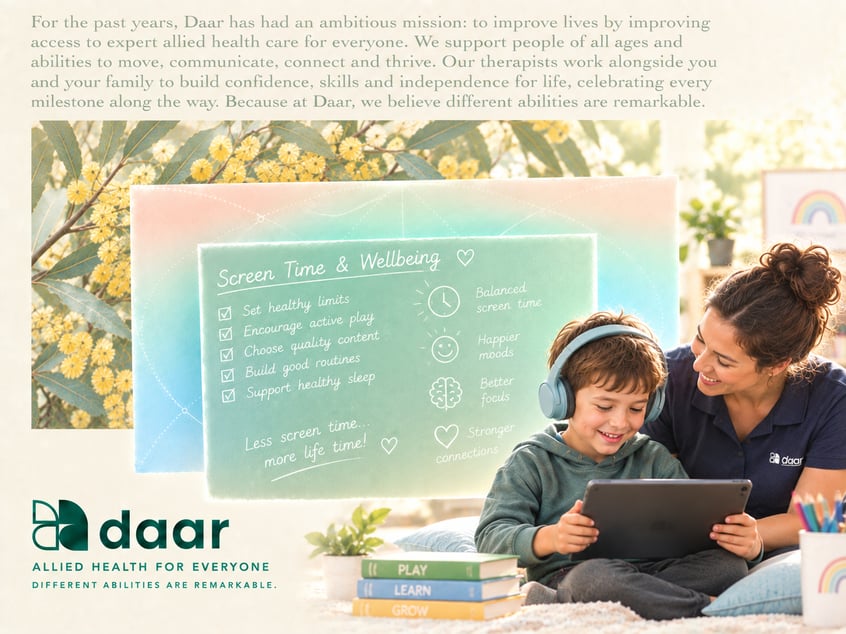
When kids play online games, they often don't realize how much personal information they might be sharing. This lack of awareness creates significant privacy risks. Cybercriminals can exploit the social nature of games to gather entire digital identities and personal data, which can then be used for identity theft or other malicious purposes.
Protecting your child’s privacy is about more than just keeping their name secret. It involves managing their digital footprint across all platforms. From creating safe usernames to securing gaming devices, understanding these risks, especially from cyber criminals, is vital. Below, we'll explore what information is at risk and how you can protect it.
Personal information kids risk sharing in games
Children may accidentally share personal information while gaming online. Cybercriminals often manipulate chat conversations, asking for seemingly harmless details like a child’s name, age, school, or location.
This data can be combined with information from social media to build a detailed profile of your child. Hackers may use it to access existing accounts or establish new accounts and create fake identities, leading to serious privacy risks.
Teach your child never to use usernames based on their real name or share any personal details. The more anonymous they are, the safer they’ll be from those seeking to exploit their information.
How to adjust privacy settings and parental controls
Most online games and consoles offer privacy settings and parental controls to help protect your child's security regarding their data stored on disk drives. Taking a few minutes to set these up is one of the best ways to safeguard their personal information.
These settings let you control who can contact your child, restrict in-game purchases under the freemium model, and block inappropriate content. You’ll usually find them in the account settings menu. It’s helpful to review these options with your child so they understand their importance.
Key steps include:
- Set chat functions to "friends only" or turn them off.
- Enable password protection for purchases.
- Make gaming profiles private.
- Review and approve friend requests.
Talking to your child about online privacy best practices
Open, honest conversations about internet safety are key to a positive online experience, especially when you ensure that all webcams utilize "off" as their default setting. Focus on empowerment, not fear. Compare online safety to real-life habits—like looking both ways before crossing the street.
Explain that personal information is valuable and cybercriminals want it. Use simple analogies, such as passwords being like house keys that should never be shared. Teach them to be cautious with strangers who ask for details, such as usernames that are derivatives of their real names, no matter how friendly they seem.
Let them know they can always come to you if something feels wrong or uncomfortable. Building this trust encourages them to share concerns early, helping prevent potential dangers.
The Impact of Excessive Online Gaming
While video games can be a fun hobby, excessive online gaming habits can have a negative impact on a child's well-being. Spending too much time in the online world can affect their mental health, leading to issues like anxiety or social isolation, especially among end users. It can also interfere with other important aspects of their life, like school and sleep.
Parents need to recognize the importance of security and the difference between healthy and unhealthy gaming habits. By understanding the potential risks, you can help your child find a healthy balance. Let's examine the specific effects on mental health, academics, and sleep.
Potential mental health risks
Excessive online gaming can cause mental health issues. Competitive and toxic environments may lead to stress and anxiety, while exposure to poor sportsmanship, like griefing or trash-talking, can be emotionally exhausting.
Replacing real-life interactions with gaming can result in loneliness and social isolation, as online friendships are not a full substitute for face-to-face connections. Children who spend most of their free time gaming may miss out on developing important social skills.
Some children tie their self-worth to in-game performance, creating cycles of pressure and disappointment that harm their mental health.
Effects on academic performance and sleep
Unhealthy gaming habits can directly impact a child’s academic performance. When video games take priority, homework and studying are often neglected, leading to lower grades.
Sleep is also affected. Many children stay up late playing, losing valuable rest, while screen time disrupts their natural sleep cycle and makes it harder to fall asleep.
Poor sleep reduces energy and concentration, making it even harder to succeed in school. This cycle of lost sleep and missed schoolwork can be difficult to break, underscoring the need for clear gaming limits.
Identifying unhealthy gaming habits in children
Recognizing when your child's gaming habits have crossed the line from fun to problematic is crucial. The key is to look for significant behavioral changes and signs that gaming is interfering with their daily life and responsibilities, especially when using a legitimate app.
One of the most telling signs is a preoccupation with online games, where your child talks or thinks about little else. They might become irritable, anxious, or angry when they are unable to play. This can indicate that their relationship with the online world, including sharing detailed personal information, is becoming unhealthy.
Pay attention to these red flags:
- Neglecting schoolwork, chores, or other hobbies in favor of gaming.
- Lying about the amount of time they spend playing online games.
- Withdrawing from family and real-life friends.
- Displaying signs of fatigue or changes in sleep patterns.
- Continuing to game excessively despite negative consequences.
Social Isolation and Changing Behaviors
While online games can foster social interaction, an over-reliance on them can sometimes lead to social isolation and noticeable behavioral changes. When young people spend the majority of their time in virtual worlds, their real-world relationships and social skills can suffer. This is different from using social media, as gaming is a more immersive activity.
It's important for parents to monitor how gaming affects their child's behavior and friendships. Is gaming enhancing their social life, or is it replacing it? Below, we'll discuss the influence of gaming on social skills and how to spot concerning changes.
Online gaming’s influence on social skills and friendships
Online games can be a great way for kids to connect with friends, especially if they are playing cooperative video games on a legitimate marketplace. These platforms can promote teamwork, communication, and problem-solving. However, the nature of online interaction is different from face-to-face communication.
When most of a child's social life happens in the online world, they may miss out on learning important real-world social skills, like reading body language and non-verbal cues. Unlike platforms such as social media, game chats are often fast-paced and task-focused, which doesn't always translate to nuanced, real-life conversation.
If a child begins to prefer their online friendships to the exclusion of real-life ones, it can be a sign of an unhealthy balance. It’s important to ensure they are still engaging with friends and family offline to develop well-rounded social skills.
Detecting behavioral changes linked to gaming
Parents are often the first to notice behavioral changes in their children, especially when they hear news stories linked to online games. When these changes are linked to online games, they can manifest as increased irritability, mood swings, or a general withdrawal from family life. These are potential online risks that signal a problem.
A child experiencing social isolation might stop participating in family activities or show no interest in hanging out with friends in person. They might seem more comfortable interacting through a screen than face-to-face. This shift can be subtle at first but may become more pronounced over time.
Be on the lookout for these specific behavioral changes:
- Increased secrecy about their online activities.
- A short temper or frustration when not playing games.
- Loss of interest in activities they used to enjoy.
- Preferring to spend time alone in their room gaming.
- A noticeable decline in communication with family members.
Encouraging healthy offline activities and balance
Creating a healthy balance between online games and offline activities is vital for a child's development. Start by using cyber security software to set clear and consistent rules around screen time. This helps establish gaming as one part of a balanced life, not the center of it.
Take an active interest in your child’s life outside of gaming. Encourage them to pursue hobbies, sports, or other offline activities that they enjoy. This not only promotes healthy habits but also provides opportunities for real-world social interaction. Plan family outings and activities that don't involve screens.
The best approach is to lead by example. If your child sees you balancing your own screen time with other interests, they are more likely to do the same. By fostering a home environment that values both online and offline engagement, you can help them build a healthy and sustainable lifestyle.
Conclusion
In conclusion, keeping kids safe while they play online games, particularly in a general chat channel, is essential for their well-being. Parents should be aware of risks like cyberbullying, privacy issues, and excessive gaming. Open communication and healthy gaming habits help create a secure, enjoyable environment. Regularly talk with your child about their online experiences and use safety measures as needed.
For personalized advice, reach out for a consultation or call daar at 02 9133 2500 —your proactive approach can make a big difference in your child's online gaming experience.
Frequently Asked Questions
What steps can parents take to make online gaming safer for kids?
To improve internet safety, use parental controls to manage interactions and spending in different games online. Teach your child not to share personal information and have open conversations about online risks. Strong security software and regularly reviewing privacy settings are also essential steps to protect your child.
Is there an age-appropriate guideline for online gaming in Australia?
While there are no official government guidelines, it's a good idea to follow the age ratings on online games (e.g., from the Australian Classification Board). For an early age, supervised play is best. Tailor your rules to your child's maturity level to ensure their safety and healthy gaming habits.
How can I talk to my child about internet safety without scaring them?
Approach the topic of internet safety calmly and positively. Frame it as being smart and empowered online, not as a list of scary online risks like those associated with first webcams. Use simple analogies and reassure them that they can always come to you if they encounter anything that makes them uncomfortable while playing online games.
.svg)




.svg)