
.png?width=48&height=48&name=Group%201%20(3).png)























12 March, 2026

Exploring the Dangers of Online Gaming for Children

Key Highlights
- Online games can expose children to dangers like cyberbullying, privacy issues, and online predators.
- Protecting your child's personal information is crucial, so adjust privacy settings on all gaming platforms.
- Gaming addiction is a real concern that can harm a child's mental health and academic performance.
- Cyberbullying in online games can take many forms, from hurtful messages to in-game harassment.
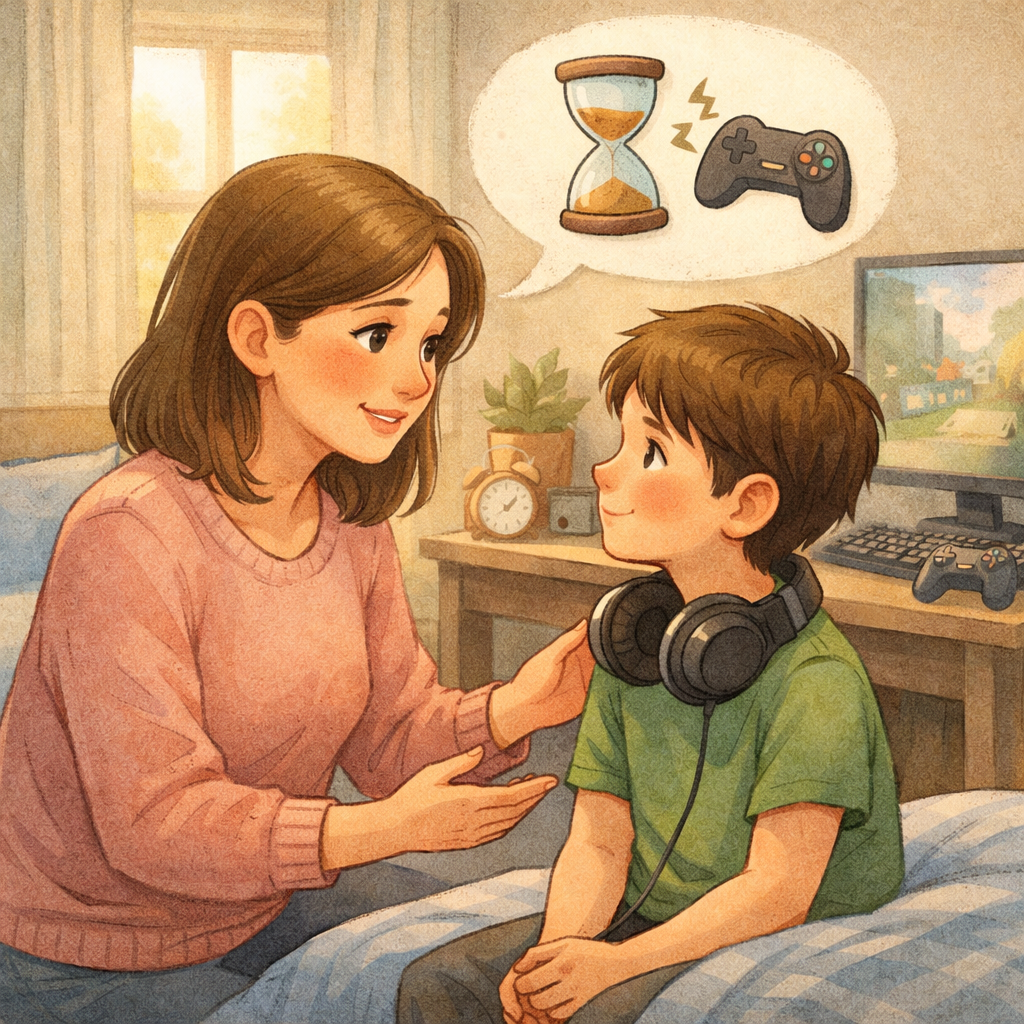
- Setting clear limits on screen time helps ensure gaming remains a healthy, balanced activity.
- Openly discussing online risks helps young people navigate the gaming world safely.
Introduction
Online gaming is a popular hobby for many young people, offering exciting adventures and social connections. In fact, research shows 70% of families include at least one child who plays video games. While these games can be a source of quality entertainment, there's also a darker side that includes risks such as malware and Trojans that can affect your child's mental health. Parents need to understand the potential risks involved to ensure their children stay safe. Many children's online games now include gambling-like features, such as loot boxes and prize wheels, which can encourage risk-taking behaviors and make it harder to distinguish between safe entertainment and potentially harmful activities. Creating a dialogue about safe online habits is the best way to protect them.
Understanding the Online Gaming Landscape for Children in Australia
The world of online games is thrilling for kids, but it comes with risks that parents need to understand. From a young age, children are diving into digital worlds on gaming consoles and mobile devices, often connecting their profiles to social media and exposing their entire digital identities.
This digital playground isn't always safe. Dangers range from cyberbullies and privacy threats to interactions with online predators, often involving a legitimate app that might appear safe. Understanding why these games are so popular and what platforms your child uses is the first step toward creating a safer experience.
Popular Online Games Among Australian Kids
Children today play video games across a wide variety of devices. The NPD Group statistics show that nearly 60% of gamers use multiple platforms, including a dedicated game console, PC, or mobile device. This means kids can access many different games from almost anywhere.
Mobile games are an especially large part of the industry, with many children playing exclusively on their smartphones or tablets. These are often downloaded from app stores like Google Play and often utilize a freemium business model. Beyond mobile, gaming consoles and computers are still very popular choices for diving into online worlds. Each gaming platform offers a unique set of games and online communities.
|
Platform Type |
Examples |
Key Features |
|---|---|---|
|
Gaming Console |
PlayStation, Xbox, Nintendo Switch |
High-quality graphics, dedicated online networks, often requires subscriptions. |
|
PC/Laptop |
Steam, Epic Games Store |
Large game libraries, customizable hardware, active online communities. |
|
Mobile Devices |
Smartphones, Tablets |
Highly accessible, many "freemium" games, available on Google Play and Apple App Store. |
Why Online Gaming Appeals to Young Audiences
Online gaming gives children a unique social outlet and a way to escape into virtual worlds. Kids connect with friends and like-minded players, facing challenges and earning rewards that keep them engaged after exploring a new level of a game. The social aspect is a major attraction.
Teaming up for quests or competing against others builds community and teamwork, making online games as important to some kids’ social lives as playgrounds or sports teams. Gaming can also strengthen communication skills and enhance social skills through interactive online experiences.
Since these games are accessible on consoles, PCs, and phones, kids can easily play anytime, making online gaming a constant source of entertainment and connection.
Parental Perceptions and Common Concerns
Parents are right to be concerned about their children's safety in the online world. A major worry is the exposure of personal information. Children can be tricked into sharing details that might lead to identity theft or put them at risk. Interacting with strangers and using devices like the first webcams is another significant concern.
Online games connect kids with people globally, and it's difficult to know who they are talking to in global chat channels. This anonymity can open the door to cyberbullying or grooming by online predators who manipulate children through in-game chats. These risks highlight why active parental involvement and using parental controls are so important for keeping kids safe.
Common worries for parents include:
- Exposure to inappropriate content or conversations.
- The risk of children being targeted by online predators.
- Accidental sharing of sensitive personal information.
What Are the Main Dangers of Online Gaming for Children?
While online games are fun, they present several dangers that parents should know about. According to the Entertainment Software Association, these risks can lead to negative experiences that turn a fun hobby into a source of stress. Key dangers include exposure to cyberbullying, privacy threats that reveal personal details, and interactions with online predators.
Hidden costs in certain games and the potential for malware are also significant concerns, particularly from even the most reputable app marketplaces. Understanding these specific threats is the first step toward making the gaming environment safer for your child. Let's look at the most common risks, how strangers can be a problem, and how to spot harmful content.
Identifying the Most Significant Risks
Key risks in online gaming include:
- Contact with online predators who may groom or exploit young players.
- Exposure to harmful content, such as violent or sexual themes and inappropriate messages.
- Privacy and security threats, including identity theft from sharing personal data and malware hidden in downloads.
- Cyberbullying, which can harm a child’s mental health.
How Exposure to Strangers Can Affect Kids
The online world’s social nature means children often interact with strangers, especially in games through global chats or direct messages. While many exchanges are harmless, some can be risky—strangers may try to collect personal information and potentially engage in online sexual exploitation.
This can be unsettling for children. Cybercriminals might ask seemingly innocent questions that, combined with social media data, allow them to access other accounts or create fake identities using your child’s information.
Online anonymity also encourages cruelty and inappropriate behavior, exposing kids to bullying or uncomfortable conversations. This can turn a fun game into a negative experience. Teaching children to be cautious with strangers online is as important as doing so in real life.
Recognizing Harmful Content and Inappropriate Interactions
It’s important to recognize harmful content and inappropriate interactions in online games, from violent imagery to offensive messages. Poor sportsmanship can escalate into harassment, and predators may use games to build trust with children and lure them into dangerous situations.
Teach your child to spot red flags, such as requests for personal information or invitations to private chats. Encourage them to report harmful content or uncomfortable interactions right away and take screenshots of any offensive conversations.
The Problem of Gaming Addiction in Kids
Gaming addiction, or excessive gaming, can have a serious impact on a child's life, particularly for end users. When gaming becomes an obsession, it can negatively affect their mental health, disrupt sleep, and cause their academic performance to decline. It's important for parents to distinguish between a healthy hobby and a compulsive habit.
Recognizing the signs of gaming addiction can help you intervene early. By understanding what drives this behavior and its potential impact, you can guide your child toward a healthier balance. We'll explore the drivers of addiction, the warning signs, and the effects on their well-being.
What Drives Gaming Addiction in Children
Several factors contribute to gaming addiction in children. Many online and mobile games use a "freemium" model, offering free content but charging for full features. This setup, along with engaging rewards and achievements, keeps players hooked and encourages spending.
For some children, gaming offers an escape from real-life problems or social anxiety. The online environment can feel safer or more rewarding than face-to-face interactions, leading to excessive gaming.
The social aspect also plays a role. Playing with friends or competing against others creates a sense of belonging and accomplishment, making it harder for children to log off.
Warning Signs of Unhealthy Gaming Behaviors
Recognizing unhealthy gaming habits early is crucial. A clear warning sign is when a child prioritizes gaming over schoolwork, hobbies, or family time, making games the main focus in their life.
Watch for mood and behavior changes. Children who game excessively may become irritable, anxious, or angry when unable to play, particularly when they hear news stories about negative effects of excessive gaming. They might lie about their gaming time or continue playing despite poor grades or lack of sleep.
Key warning signs include:
- Neglecting schoolwork, chores, or responsibilities to play games
- Withdrawing from family and friends
- Showing fatigue, irritability, or depression related to gaming
Potential Impact on Mental and Physical Health
Excessive gaming can take a toll on both mental and physical health. Mentally, it can lead to anxiety, depression, and difficulties with emotional regulation. The constant pressure to perform in competitive games or the isolation from real-world contact can be damaging, resulting in negative consequences for individuals. A child's self-worth might become tied to their in-game success, creating a cycle of stress and disappointment.
Physically, spending too much time sitting in front of a screen means less time for physical activity, which is vital for a child's development. This can contribute to health issues and disrupt sleep patterns, as late-night gaming sessions interfere with the body's natural rhythms. The decline in academic performance is another common consequence.
Key impacts include:
- Increased risk of anxiety and depression.
- Reduced physical activity and poor sleep habits.
- A noticeable drop in school grades and focus.
Privacy Risks and Data Safety Issues
When children play online, they often don't realize how much personal information they could be sharing. This lack of awareness creates significant privacy risks, as cybercriminals can gather personal data to be used for identity theft or other malicious acts, potentially leading to the establishment of new accounts. Protecting your child's information is about more than just keeping their name secret.
It involves managing their digital footprint by using strong privacy settings and creating safe usernames. Understanding what information is at risk and how to protect it is crucial for their safety. Let's discuss what data children might share and how you can safeguard it.
Personal Information Children May Share
Children can accidentally share a surprising amount of personal information while gaming. Cybercriminals are skilled at manipulating conversations in a general chat channel, asking for seemingly harmless personal details like a child’s name, age, school, or location. This data can be pieced together to build a detailed profile.
Hackers might use this information to access existing accounts or create new ones in your child's name, leading to serious privacy issues. Furthermore, if a credit card is linked to a gaming profile in the account settings menu, it can be at risk of unauthorized charges, especially in games with in-app purchases.
Commonly shared information includes:
- Full name, age, and location.
- School name or details about their daily routine.
- Passwords or answers to security questions.
Managing Privacy Settings and Protecting Kids’ Data
Most online games and consoles offer robust privacy settings that can help protect your child's personal data stored on disk drives. Taking a few minutes to configure these settings is one of the most effective ways to enhance their security. You can typically find these options in the account settings menu of the game or platform.
These settings allow you to control who can contact your child, block inappropriate content, and restrict in-game purchases under the freemium model. It's a good idea to review these options with your child so they understand why these rules are in place. For instance, setting chat functions to "friends only" can prevent unwanted contact from strangers.
If you ever encounter an issue that you can't resolve through the settings, don't hesitate to contact the game administrators for support. They can often provide additional help or take action against users who violate the terms of service.
The Role of Parental Controls in Safeguarding Information
Parental controls are an essential tool for safeguarding your child's information and ensuring a safer online experience. These features, available on most gaming consoles and platforms, give you direct oversight of your child's gaming habits. You can use them to limit screen time, manage who your child interacts with, and block access to age-inappropriate games.
By customizing the privacy settings through parental controls, you can prevent your child from sharing sensitive information with strangers. For example, you can disable voice or text chat with unknown players, making it much harder for anyone to ask for personal details. You can also set spending limits to avoid unexpected credit card charges.
Think of parental controls as digital guardrails. They help create a secure environment where your child can enjoy gaming without being exposed to unnecessary risks. Regularly reviewing these settings ensures they remain effective as your child grows and their gaming habits change.
Cyberbullying in Online Gaming Environments
Cyberbullying is a significant risk in online games. The anonymity of the internet can empower cyber bullies to target other players, sending harmful messages or deliberately ruining their game. This behavior can range from in-game sabotage, known as "griefing," to direct, hurtful comments in chat channels, which may start out as the gamer version of poor sportsmanship.
For a child, this can turn a fun activity into a source of stress and anxiety. The most important thing is for parents to understand how cyberbullying happens in these environments and what they can do to address it. Below, we'll explore how games become platforms for bullying and how you can help your child.
How Online Games Become Platforms for Bullying
The anonymous nature of online games can unfortunately make them breeding grounds for bullying. Players hide behind usernames, which can make them feel free to engage in poor sportsmanship or outright harassment without facing real-world consequences. This behavior, sometimes called "griefing," involves deliberately making the game less enjoyable for others.
Cyber bullies might send harmful messages directly to a player or spam public chat channels with derogatory comments. This turns the social interaction component of online games into a source of distress. For a child, being targeted in a space they see as fun and safe can be particularly damaging to their self-esteem.
This behavior can escalate quickly, turning a competitive game into a toxic environment. The goal of these bullies is often to provoke a reaction and assert dominance, ruining the experience for everyone else.
Detecting if Your Child Is a Victim or Bystander
It's not always obvious if your child is experiencing cyberbullying in the online world. They might not have the communication skills to talk about it, or they might feel ashamed. However, there are warning signs you can look for. A child who suddenly becomes withdrawn, anxious, or upset after gaming might be dealing with a bully.
Pay close attention to their emotional state before and after they play. Do they seem reluctant to play a game they once loved? Have they lost interest in gaming altogether? These changes can signal that something is wrong. Openly talking about their online experiences can help you get to the bottom of the issue.
Look for these specific signs:
- Sudden anger or frustration while playing.
- Avoiding conversations about their online activities.
- Appearing sad or anxious after spending time online.
Effective Strategies for Parents to Address Cyberbullying

Addressing cyberbullying requires a proactive approach centered on open communication and internet safety, while also being aware of potential malware risks. The most important step is to create an environment where your child feels comfortable talking to you about their online experiences without fear of judgment or having their gaming privileges taken away.
Teach your child practical steps to take if they encounter a bully. This includes using in-game features to block the player and report their behavior to the game's administrators. Taking screenshots of offensive conversations can provide evidence if needed. You can also use parental controls and privacy settings to limit who can interact with your child.
Here are some effective strategies to use:
- Encourage open communication about their online life.
- Teach them to block and report bullies.
- Regularly review and update privacy settings.
- Reinforce that their safety is the top priority.
Conclusion
In conclusion, online gaming can be fun for children, but parents must stay alert to its risks, including addiction, harmful content, privacy issues, and cyberbullying. Understanding these challenges from an early age is key to protecting your child's well-being. Encourage open communication and monitor gaming habits to promote a healthier relationship with technology. By taking proactive steps, you can help your child enjoy online gaming safely while minimizing risks.
For more tips on safe gaming, reach out for consultation or call daar at 02 9133 2500 for expert advice.
Frequently Asked Questions
What steps can parents take to promote safer online gaming habits?
Promote safer habits through open communication about the risks of online games and understand the role of game developers. Use parental controls to manage interactions, and review privacy settings to protect personal information. Teach your child to never share private details and to come to you if they feel uncomfortable.
Why is limiting screen time important for kids who play online games?
Limiting screen time is crucial to prevent excessive gaming and its negative effects, fostering healthy gaming habits. It ensures children have time for physical activity, homework, and real-world social interaction. A healthy balance supports better mental health, sleep, and academic performance, preventing gaming from becoming an unhealthy obsession.
How can I start a conversation with my child about online gaming risks?
Start by showing genuine interest in the online games they play. Ask questions about their experiences and then gently introduce the topic of internet safety, emphasizing the importance of security. Frame it as a way to stay smart and safe in the online world, and discuss red flags without being alarming. Open communication is key.
.svg)




.svg)