
.png?width=48&height=48&name=Group%201%20(3).png)























3 April, 2026

Speech Delay Canterbury: Resources for Families
Key Highlights
- Understanding the common signs of a speech delay helps parents identify when to seek help. Knowing typical speech milestones provides a benchmark for your child's language development. Early intervention is key to supporting children with communication difficulties. In addition to services for children, adults experiencing communication difficulties or speech delay can access therapy services in Canterbury. Specialized therapy programs are available to support adults in improving their language development and communication skills.
- Knowing typical speech milestones provides a benchmark for your child's language development.
- Early intervention is key to supporting children with communication difficulties.
- Canterbury offers various speech therapy services, including mobile, online, and clinic-based options.
- The first step toward support is getting a professional assessment from a speech pathologist.
- Flexible services, like home-based and telehealth therapy, make support more accessible for families.
Introduction
Watching your child’s language development is one of the most exciting parts of their early years. From first babbles to full sentences, each new word feels like a major victory. However, some children take longer to reach these milestones, which can lead to concerns about a potential speech delay. If you're worried about your child's communication skills, you're not alone. This guide will walk you through understanding speech delay and highlight the resources available for families in Canterbury to help your child thrive.
Understanding Speech Delay in Canterbury
A speech delay means a child isn't meeting the expected communication milestones for their age. This doesn't automatically mean something is wrong, as every child develops at their own pace. Sometimes, a delay can be linked to other conditions like an oral impairment, hearing issues, or autism spectrum disorder.
Regardless of the cause, identifying a delay early can make a huge difference in improving your child's communication skills. Gaining a clear understanding of what a speech delay is, recognizing its signs, and knowing how it differs from a language delay are the first steps toward getting your child the support they need.
What Is Speech Delay?
Speech delay refers to difficulty producing sounds and words, even when a child knows what they want to say. This often results from oral-motor issues that make it hard to coordinate the lips, tongue, and jaw.
In contrast, language delay involves trouble forming meaningful phrases or sentences and understanding others, even if word pronunciation is clear. These delays can overlap, leading to greater communication challenges.
If you suspect a speech or language delay in your child, consult a speech pathologist. They can assess the issue and recommend appropriate support for your child's development.
Common Signs of Speech Delay in Children
It can be hard for parents to tell if their child is a late talker or has a speech delay. Watching for key signs can help you decide when to seek professional advice.
Speech that’s much harder to understand than expected is one sign. By age two, parents should understand about 50% of what their child says, and by age three, about 75%. Ongoing difficulty with speech clarity may signal a delay.
Other signs include:
- Not using gestures like pointing or waving by 12 months
- Preferring gestures to vocalizing by 18 months
- Trouble imitating sounds by 18 months
- Only repeating words instead of using them on their own by age two
- Inability to follow simple directions by age two
Speech vs Language Development Differences
Speech and language are distinct aspects of communication. Speech is the physical act of producing sounds and articulating words—it’s about clarity. Language is the system we use to understand others (receptive) and express ourselves (expressive). A child may speak clearly but have a limited vocabulary, or struggle with speech clarity despite strong language skills.
For example, a child with a speech delay may be hard to understand but know many words, while a child with a language delay may speak clearly but only use single words. A professional can assess both areas to identify needs and support communication development.
Typical Speech Milestones by Age
Children learn to communicate at different speeds, but there are general speech milestones that can serve as a helpful guide. Knowing these typical stages of language development can help you track your child’s progress and spot potential concerns early on.
For young children, these milestones range from the first coos and babbles to forming full sentences. It's a journey of building the child's speech from simple sounds to complex conversations. Let's look at what you can generally expect during early childhood and the preschool years.
Early Childhood Speech Milestones
The first couple of years are a period of rapid language development for toddlers. From simple sounds to their first words, progress is often fast and exciting. While every child is different, there are some key speech milestones to look for during this time.
A baby who doesn't respond to sound or make noises should be checked by a doctor right away. As they grow, you'll want to see them start using gestures, imitating sounds, and eventually saying their first words. Any significant deviation from these markers could indicate developmental delays.
Here’s a quick look at what to expect for early language development:
|
Age |
Typical Development |
|---|---|
|
By 12 months |
Babbles with varied sounds; says 1-2 words like "mama"; uses gestures like pointing. |
|
By 18 months |
Has a vocabulary of around 10-20 words; uses words with gestures; starts to follow simple instructions. |
|
By 24 months |
Vocabulary grows to 50+ words; begins combining two words ("more milk"); strangers can understand about 50% of their speech. |
Preschool Speech and Language Progress
As preschoolers, children’s language skills grow quickly. Their vocabulary expands, sentences get longer, and conversations improve—key for later reading and social development.
By ages two to three, kids know 200–300 words and speak in short phrases. They ask simple questions like “what is this?” and use four- to five-word sentences by age three. Strangers can understand most of what they say.
At age four, kids speak in longer sentences with correct past tense and plurals. Most adults understand them easily. They tell simple stories about past events—signs their speaking skills are strengthening as they prepare for school and friendships.
When Variations Are Normal
It’s normal to worry if your child misses a milestone, but some variation in language development is expected. Children grow at their own pace, and being weeks or even months behind doesn’t always mean there’s a problem.
For instance, boys may start speaking later than girls, and kids learning multiple languages might take longer to become fluent or may mix languages—both are typical. The key is steady progress over time, not meeting every milestone on schedule.
If your child consistently lags or their speech isn’t improving, trust your instincts. A sudden slowdown or obvious delay deserves a conversation with a healthcare professional. It’s better to seek advice for peace of mind than to wait and worry.
Recognizing When to Seek Support
Trusting your parental intuition is important when it comes to your child's language development. If you notice signs of a speech issue or feel that something isn't quite right with their communication, seeking support is a proactive and positive step. Early intervention can make a significant difference.
Knowing the red flags to watch for can help you make an informed decision about when to act. If you've observed persistent issues, the next step is to consider an assessment with a qualified professional. This will provide clarity on your child’s needs and guide you toward the right resources in Canterbury.
Red Flags Parents Should Note
While minor variations in speech development are common, some signs of a speech problem are more serious and should be addressed promptly. These red flags indicate that it’s time to seek professional advice to rule out or address any underlying issues.
A significant red flag is a regression in language abilities, meaning your child loses words or phrases they once used. This should always be discussed with a doctor or speech pathologist. Another major concern is a lack of any recognizable words by 18 months. While babbling is great, the absence of actual words by this age warrants an assessment.
Here are some other red flags to keep in mind:
- Very unclear speech after the age of three.
- Limited eye contact or lack of interest in social interaction.
- No attempt to combine words into simple phrases by age two.
- Showing extreme frustration or behavioural issues due to communication difficulties.
- Not responding to their name or showing little interest in others, which can sometimes be linked to autism.
When To Consider an Assessment
If you notice warning signs or have a persistent feeling that your child struggles with communication, seek a formal assessment. Early evaluation helps identify specific needs and access intervention services, leading to better outcomes. Don’t wait for your child to “grow out of it.”
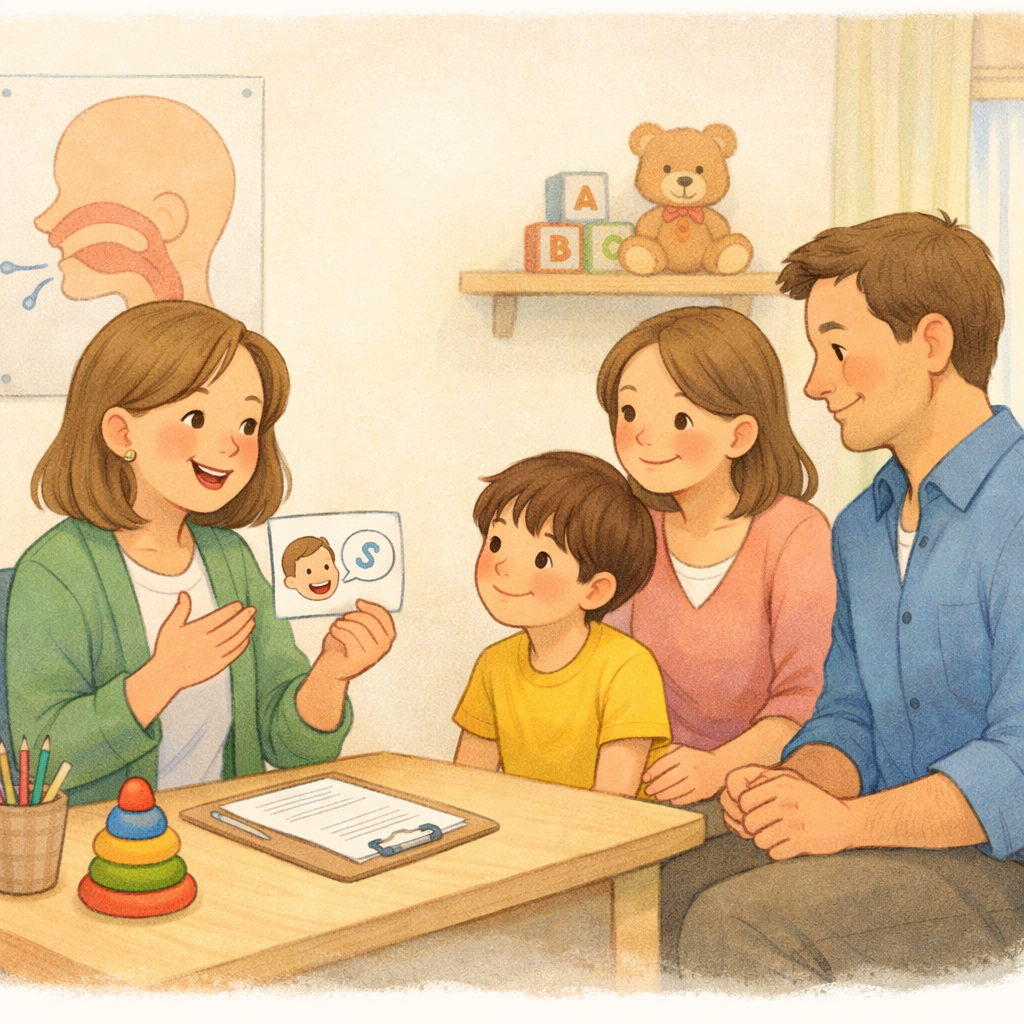
Start by contacting your general practitioner or another healthcare provider for advice and referral to a speech pathologist. You can also directly contact a private speech therapy practice.
A speech pathologist will conduct a thorough assessment using standardized tests and play-based activities to evaluate speech and language skills. If there are concerns about social skills or behavior, a broader neurodevelopmental assessment may be recommended.
Where to Get Speech Delay Assessment in Canterbury
Finding the right assessment in Canterbury is essential. Start by consulting your GP for an NHS referral, but note that wait times may be long.
For faster access, consider private speech therapists—many offer quick assessments in and around Canterbury. If you have NDIS funding, look for registered NDIS providers specializing in pediatric speech pathology.
Choose therapists registered with Speech Pathology Australia to ensure qualifications. Clinics across the Canterbury-Bankstown area—including Campsie, Belmore, and Bankstown—provide convenient assessment options.
Mobile and Flexible Speech Therapy Services in Canterbury
Modern speech therapy services in Canterbury are designed to be flexible and fit into your family's life. Mobile therapy, where a speech therapist comes to you, is becoming increasingly popular. This approach removes the stress of traveling to appointments and allows your child to learn in a familiar environment.
In addition to in-person sessions, many providers now offer online speech therapy, which provides even greater convenience. Whether in-home, online, or in a community setting, the goal is to create a personalized care plan that works for your child and family. Let's explore some of these convenient and effective options.
Home-Based Speech Therapy Benefits
Receiving therapy in the comfort of your own home can make a significant difference for both children and parents. Home-based therapy allows the speech therapist to see your child in their natural environment, making sessions feel less clinical and more like play. This comfortable setting can help children feel more relaxed and engaged.
A key benefit of this approach is that therapists can use your child’s own toys and daily routines to teach practical strategies. This makes it easier for you to incorporate the exercises into everyday life, reinforcing learning between sessions. The therapist is there with you every step of the way, providing personalized coaching and support.
The advantages of home-based speech therapy include:
- Convenience: No travel time or waiting rooms.
- Natural Learning: Therapy is integrated into your child's familiar surroundings.
- Family Involvement: Parents can easily observe and learn strategies to use daily.
- Personalization: Sessions are tailored to your child's specific home environment and routines, improving their overall quality of life.
Online Speech Therapy Options
In today's digital world, online speech therapy, also known as telehealth, has become a highly effective and convenient option for many families in Canterbury. Using secure video conferencing, a qualified speech pathologist can deliver engaging and interactive sessions directly to your home. You don't need a special referral to access many of these private services.
Online sessions are designed to be just as effective as in-person ones. Therapists use digital tools, games, and activities to keep children focused and motivated. For parents, telehealth offers incredible flexibility, eliminating travel and making it easier to fit appointments into a busy schedule. This accessible form of early intervention can make a significant difference in a child's progress.
Many families find that their children respond very well to the screen-based format. The one-on-one attention from the speech pathologist, combined with dynamic digital resources, creates a powerful learning environment. Telehealth ensures that distance or scheduling conflicts don't stand in the way of your child receiving the quality support they need.
Community Clinics and Group Programs

In addition to individual therapy, community clinics and group programs in Canterbury offer valuable support. These structured sessions let children practice speech skills with peers, which is especially helpful for social communication.
Led by qualified language therapists, group programs target skills like conversational turn-taking, understanding social cues, and building vocabulary. Interacting with peers who face similar challenges boosts confidence and reduces feelings of isolation.
Community health centers and private clinics in Ashbury, Lakemba, and Punchbowl may offer these group sessions. They’re a great supplement to individual therapy or a good starting point for families exploring speech services. These programs provide a supportive, engaging environment where children can learn together.
Conclusion
In conclusion, understanding speech delay is crucial for parents in Canterbury, as early intervention can significantly impact a child's development. By recognizing the signs of speech delay and knowing when to seek support, families can access the resources they need to help their children thrive. Whether through home-based therapy, online sessions, or community programs, there are numerous flexible options available to meet individual needs. Remember, you’re not alone on this journey—support is just a step away.
If you're seeking assistance, don’t hesitate to reach out for consultation or call daar at 02 9133 2500 and explore the resources available in your area.
Frequently Asked Questions
How do I get an assessment for speech delay in Canterbury?
To get an assessment, you can start by talking to your health care provider for a referral to a speech therapist. Alternatively, you can contact a private speech therapy clinic in Canterbury directly to book an assessment. They will evaluate your child's needs and help create a personalized care plan.
Does NDIS cover speech therapy for speech delay in Canterbury?
Yes, the NDIS can cover speech therapy services if your child's speech delay is part of a permanent disability. You will need to find a registered NDIS provider in Canterbury. Funding can be used for assessments, therapy sessions, and other supports outlined in your child's NDIS plan.
What should I expect from a speech therapy session for my child?
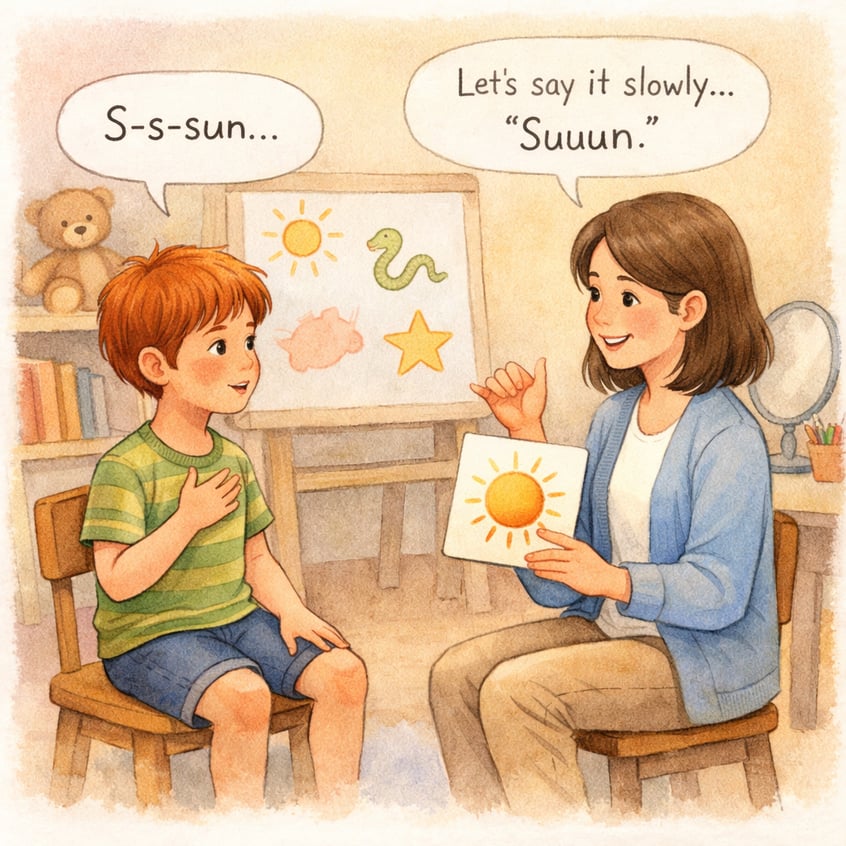
A speech therapy session is typically play-based and tailored to your child’s communication needs. The speech pathologist will use fun activities to work on specific goals, such as improving speech clarity or building vocabulary. You will also learn practical strategies to support your child’s communication skills at home.
.svg)




.svg)