
.png?width=48&height=48&name=Group%201%20(3).png)























16 February, 2026

Discover Speech and Language Therapy Sydney for Clarity
Key Highlights
- Speech therapy helps individuals of all ages overcome various speech difficulties, boosting communication and confidence.
- Qualified speech pathologists in Sydney offer tailored therapy sessions to address issues like speech delays, language disorders, and stuttering.
- Early intervention is crucial for children, as it provides the foundation for better academic and social outcomes.
- Sydney speech clinics provide flexible options, including in-person appointments and convenient online therapy sessions.
- Therapy is personalized to meet individual goals, whether it's for a toddler learning to speak or an adult with a brain injury.
Introduction
Welcome to speech pathology—a field dedicated to enhancing communication, connection, and confidence. People of all ages may face challenges with speaking, understanding language, or social interaction. Speech therapists assess and treat these issues, transforming lives by improving communication skills.
Common Communication Difficulties Addressed
Speech therapy can address a wide range of speech disorders and communication challenges. Speech pathologists work with toddlers, children, young people, and adults, providing support for issues such as stuttering, lisps, voice problems, and difficulties with reading and spelling. These professionals are equipped to handle everything from pronunciation problems to more complex conditions.
For many families, early intervention is the key to helping a child overcome these hurdles. By seeking support, you can give your child the tools they need for success at school and in their relationships. Below, we'll explore some of the specific areas where speech therapy can make a significant difference.
Speech delays and articulation issues in children
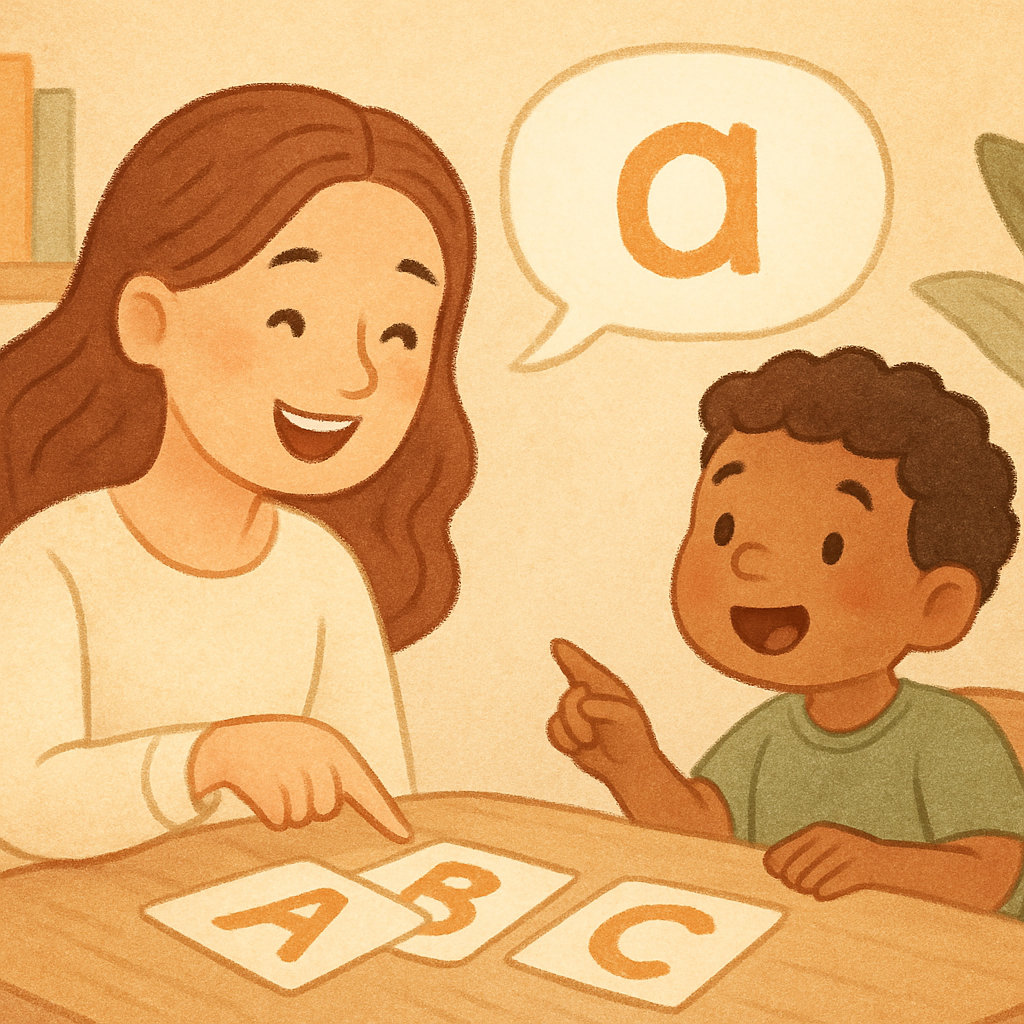
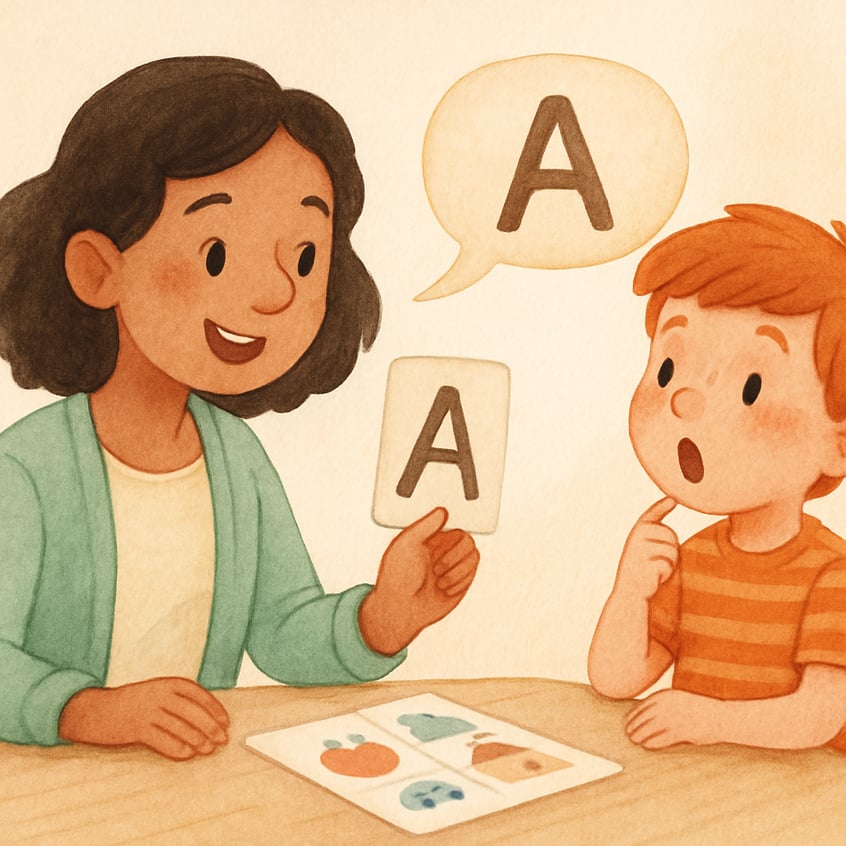
If your toddler or preschooler isn’t talking as much as expected, it’s normal to be concerned. Speech delays are common, and speech therapy can pinpoint the cause and create a personalized plan. Speech pathologists use proven methods to make therapy engaging and effective.
They address issues like articulation (trouble making certain sounds) and more complex disorders such as apraxia, which affects speech muscle coordination. Therapists tailor exercises and strategies to each child.
Early intervention is key. Speech pathologists help your child develop strong communication skills, essential for learning and making friends. The goal is for your child to feel heard and understood by everyone.
Language disorders and social skills support
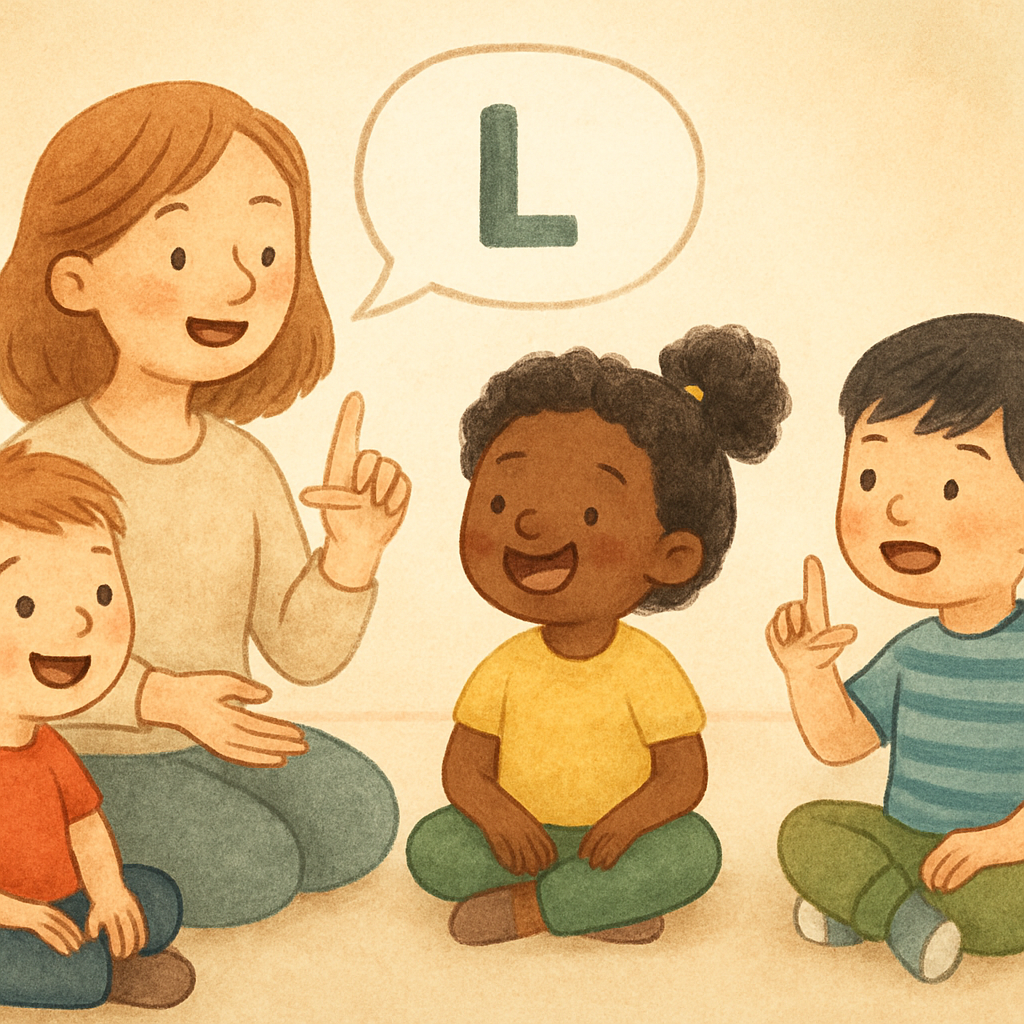
Speech therapy goes beyond improving speech—it helps children with language disorders understand others (receptive language) and express themselves (expressive language). Speech pathologists work on vocabulary, grammar, and sentence structure to strengthen communication.
Social skills are also emphasized, especially for children with autism. Therapy uses personalized programs to teach relationship-building and navigating social situations, boosting confidence in real-life settings.
Therapy may focus on:
- Understanding and using non-verbal cues
- Taking turns in conversation
- Building and maintaining friendships
- Expressing feelings and needs appropriately
Online and In-Person Speech Therapy Options
Finding the right support is easier than ever with flexible speech therapy services. Many Sydney clinics now offer both in-person and telehealth appointments, so you can access expert care that fits your family's schedule—whether you're local or remote.
Beyond one-on-one sessions, group therapy options help build social skills in a supportive environment. Some clinics also work with professionals from other fields, such as occupational therapy, for more comprehensive care. Both telehealth and in-person therapy have unique benefits, which we’ll explore further.
Advantages of telehealth services
Telehealth makes speech therapy easy and accessible from home. Online sessions eliminate travel, fitting appointments into your family’s schedule. You can connect with qualified speech pathologists anywhere in Australia, including Sydney’s eastern suburbs.
Virtual therapy supports ongoing progress, even when clinic visits aren’t possible. Research shows telehealth is often as effective as in-person sessions for many communication goals. Interactive online platforms keep kids engaged and motivated.
Key telehealth benefits:
|
Feature |
Benefit |
|---|---|
|
Convenience |
No travel—attend sessions from home |
|
Accessibility |
Access expert therapists wherever you live |
|
Consistency |
Maintain regular appointments for steady progress |
|
Comfort |
Kids feel more relaxed and focused at home |
Face-to-face therapy: when it works best
While telehealth offers flexibility, traditional in-person speech therapy is sometimes preferred. Face-to-face sessions let speech pathologists use hands-on techniques that are hard to replicate online—especially for feeding or swallowing assessments and articulation work needing physical cues.
Clinics also provide a structured, distraction-free setting that helps some children focus. For group therapy, being present with peers better supports social skills practice. A Sydney speech clinic offers a professional environment tailored to individual goals.
Ultimately, the choice between online and in-person therapy depends on your needs and the type of therapy required. Your speech pathologist can help you decide which option is best.
Conclusion
In conclusion, addressing communication challenges is vital for your child’s development and confidence. Whether through online or in-person speech therapy, the right support can make a meaningful difference. Understanding speech delays, language disorders, and available therapies empowers parents to make informed choices. Consistent support from professionals and family is key to progress.If you’re considering speech therapy, don’t hesitate to seek guidance tailored to your child’s needs—let’s take the first step together!
Reach out for a consultation or call daar at 02 9133 2500 for expert guidance tailored to your child’s needs.
Frequently Asked Questions
How often should speech therapy sessions be scheduled?
The frequency of speech therapy sessions depends on individual needs and goals. Your speech pathologist in Sydney will recommend a schedule after an initial assessment. It could range from weekly one-on-one appointments to participation in a specific group therapy program. Consistency is key to making meaningful progress.
What can parents do at home to support progress?
Parents play a vital role in supporting language development. Your therapist will provide you with specific activities and strategies to practice at home. This can include reading together to boost literacy, playing games that encourage conversation, and incorporating therapy goals into daily routines. Your involvement reinforces learning and accelerates progress.
How long does it typically take to see improvement?
The timeline for seeing improvement in speech therapy varies for each person. It depends on factors like the type and severity of the speech disorder, the individual's goals, and their consistency with therapy. For some, progress is noticeable within weeks, while for others with conditions like apraxia of speech, it may be a longer journey.

.svg)




.svg)