
.png?width=48&height=48&name=Group%201%20(3).png)























1 September, 2026

Screen Time and Tantrums: Managing Your Child's Reactions
Key Highlights
- Too much screen use can make it harder for young children to handle disappointment and support emotional regulation.
- Excessive screen time may lead to stronger reactions when a device is taken away or a show ends.
- Simple practical tips, like warnings and a visual timer, can make transitions smoother.
- Clear screen time limits help children know what to expect and reduce power struggles.
- Developmental impacts may include changes in sleep, play, attention, and mood.
- Calm, consistent parent responses help children build better coping habits over time.
Introduction
In early childhood, screen use can feel like an easy part of daily life. It can entertain your child, give you a short break, and even offer educational benefits. But when screen time ends, some children react with crying, yelling, or refusal. That can leave you wondering what went wrong. The issue is not always the screen itself. Often, it is how screen use affects emotional regulation, transitions, and your child’s ability to manage disappointment in the moment.
Understanding the Link Between Screen Time and Tantrums in Children
During the early years, tantrums are common, but too much screen time can make emotional outbursts more intense. Fast-moving, rewarding screen experiences can create a sharp drop in stimulation when they end, and that sudden change may trigger frustration.
New research also suggests a vicious cycle. The impact of screen time may show up in bigger tantrums, and children with more tantrums may then get more screens. In many families, less screen time and steadier routines can support calmer behavior. To see why, start with what happens in a toddler’s brain.
Why Toddlers React Strongly When Screen Time Ends
For many toddlers, screen time is exciting and highly engaging due to bright visuals and constant stimulation. When it ends abruptly, tantrums are common because the transition feels sudden and upsetting.
Toddlers are still developing emotional regulation skills and can't manage big feelings as older children can. Enjoyable activities ending can quickly overwhelm them.
Strong reactions when screen time stops are normal at this age. The unpredictability of the transition can be stressful. Your child isn't being difficult—they just need extra support coping with disappointment.
Signs That Tantrums May Be Related to Screen Time and ADHD
Signs can be subtle. A child may appear fine during screen time but struggle when it ends, especially those with ADHD traits like irritability or trouble shifting focus. Screens don't cause ADHD but can highlight existing behaviors.
Watch for repeated anger tied to devices or routines, such as:
- Meltdowns after turning off a device
- Constant requests for more screen time
- Less interest in toys, books, outdoor play, or family time
- Difficulty settling at night or changes in sleep
- Irritability during non-screen activities
This can create a cycle: a child gets upset, receives more screen time to calm down, and misses chances to build coping skills without screens. Noticing these patterns helps reveal what’s driving the behavior.
Identifying Triggers for Screen-Related Tantrums
If you want to reduce meltdowns, start by noticing triggers. Tantrums often build when screen time boundaries are unclear, when a show is stopped in the middle, or when your child is already tired, hungry, or overstimulated. Those moments can raise emotional distress quickly.
You can help by making endings predictable. Yes, a timer or short warning often helps because it prepares your child for the change. Clear routines, neutral signals, and a planned next activity can lower resistance. Next, it helps to look closely at the emotional and behavior patterns around screen use.
Recognizing Emotional and Behavioral Patterns
Observe your child’s behavior before, during, and after screen time. Some kids seem calm while watching but become upset when the device is taken away. Others may act more demanding, less flexible, or lose interest in imaginative play.
These patterns matter because early childhood is key for learning emotional regulation. Children need repeated chances to handle frustration, switch activities, and recover with adult support. Too much screen time limits this practice.
Meltdowns are often more frequent after longer sessions, near bedtime, or when screens are used to stop crying. This isn’t a sign of bad parenting—it simply provides helpful clues. By noticing these patterns, you can adjust routines and make transitions less stressful.
How Different Types of Screen Content Affect Children’s Moods
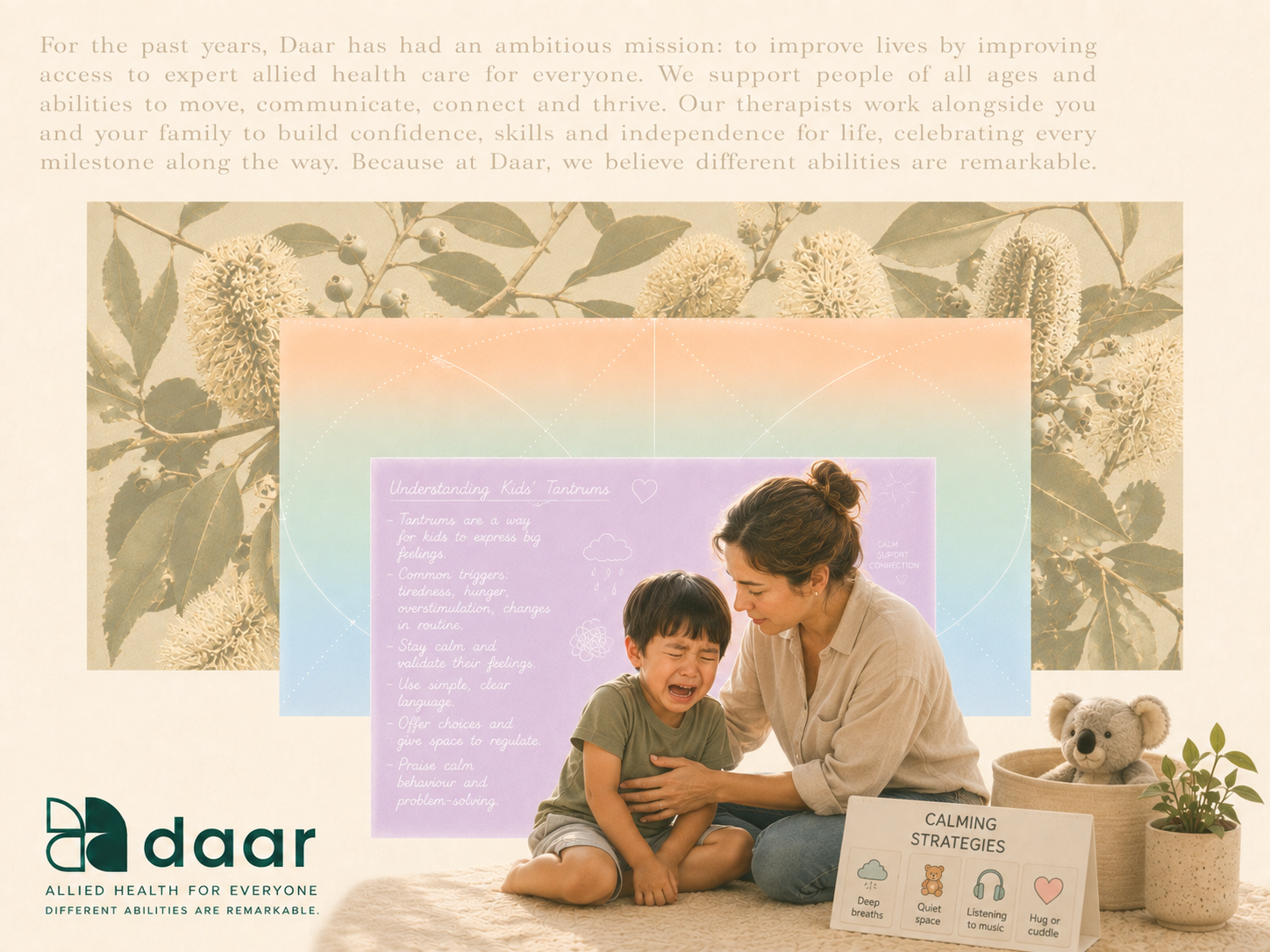
Not all screen content feels the same to a child. Some educational videos may support development and learning when used in a limited, thoughtful way. Still, even useful screen content can lead to tantrums if the amount of time is too long or the ending feels sudden.
Content also affects moods differently. Fast, highly stimulating media may leave your child more wound up, while any screen use close to bedtime may contribute to sleep disruption. Less screen time can help behavior in some children because it creates more room for movement, play, and connection.
|
Type of screen content |
Possible effect on moods and behavior |
|---|---|
|
Educational videos |
Can have educational benefits, but may still lead to distress when stopped suddenly |
|
Fast-paced entertainment |
May increase excitement, overstimulation, and harder transitions |
|
Screen use before bed |
Can affect sleep patterns and make the next transition tougher |
|
Longer daily viewing |
May reduce interest in offline play, attention spans, and social skills |
Conclusion
In conclusion, understanding how screen time affects your child's behavior is essential for creating a balanced digital environment. Recognizing content influences and emotional triggers helps you manage their reactions. Setting boundaries, encouraging screen-free activities, and keeping communication open can reduce screen-related tantrums. Supporting your child's emotional well-being alongside media use is vital for their growth.
For personalized strategies, reach out for a consultation or call daar at 02 9133 2500.
Frequently Asked Questions
Is it normal for toddlers to have meltdowns when screens are turned off?
Yes. Toddler tantrums after screens are common in the early years of life because emotional regulation is still developing. Young children often struggle to manage their own emotions during sudden transitions. Your calm presence and parental attention help them feel safe while they learn to handle frustration better.
Can educational screen time still lead to tantrums in young kids?
Yes. Educational screen time may offer educational benefits, but it can still trigger upset when it ends. In early childhood, children are still building emotional regulation skills, so even good content can be hard to leave. That is why screen time limits and predictable endings matter so much.
What strategies do parents use to manage tantrums linked to screen time?
Parents often use practical tips like short warnings, natural stopping points, firm screen time boundaries, and a visual timer. They also plan an appealing next activity and offer calm parental attention during protests. This steady approach can have a positive effect and reduce battles over time.
.svg)




.svg)