
.png?width=48&height=48&name=Group%201%20(3).png)























7 April, 2026

Signs and Symptoms of Autism Spectrum Disorder
Key Highlights
Here are the key takeaways from this article:
- Autism spectrum disorder (ASD) is a developmental condition that affects communication and behavior.
- The early signs can appear in young children, sometimes within the first 12 months of life.
- Key indicators include differences in social communication and the presence of repetitive behaviors.
- Symptoms can vary widely among individuals and may differ between boys and girls.
- Early detection and a professional diagnosis of autism are crucial for accessing timely support and intervention.
Introduction
As a parent, one of the most important things you can do is learn the early signs of autism and become familiar with the developmental milestones your child should be reaching. Autism spectrum disorder is a condition that impacts social communication, behavior, and learning. Recognizing the early signs is the first step toward understanding your child's unique needs and getting them the support they require. This guide will walk you through the signs and symptoms of autism across different ages.
Early Signs of Autism in Infants and Babies
It's possible to spot early signs of autism in infants, sometimes within the first 12 months of age. While every baby develops differently, paying attention to certain developmental milestones can help you identify potential concerns early on. Observing how your baby interacts with you and the world around them is key to monitoring their progress.
Noticing differences in your child’s development can be worrying, but early identification is incredibly helpful. The sooner you recognize potential signs, the faster you can seek a professional evaluation and access resources. Let's explore some specific social and behavioral signs to watch for in young children under one year old.
Social communication differences before 12 months
Social communication differences are often early signs of autism. By six months, most babies share big smiles and make eye contact; a baby who rarely does this may be showing an early indicator. These interactions are key for social development.
By nine months, a lack of back-and-forth sounds, smiles, or facial expressions can signal concern. “Joint attention”—looking between objects and caregivers—is an important milestone. Children on the autism spectrum may not point to show interest or respond to gestures.
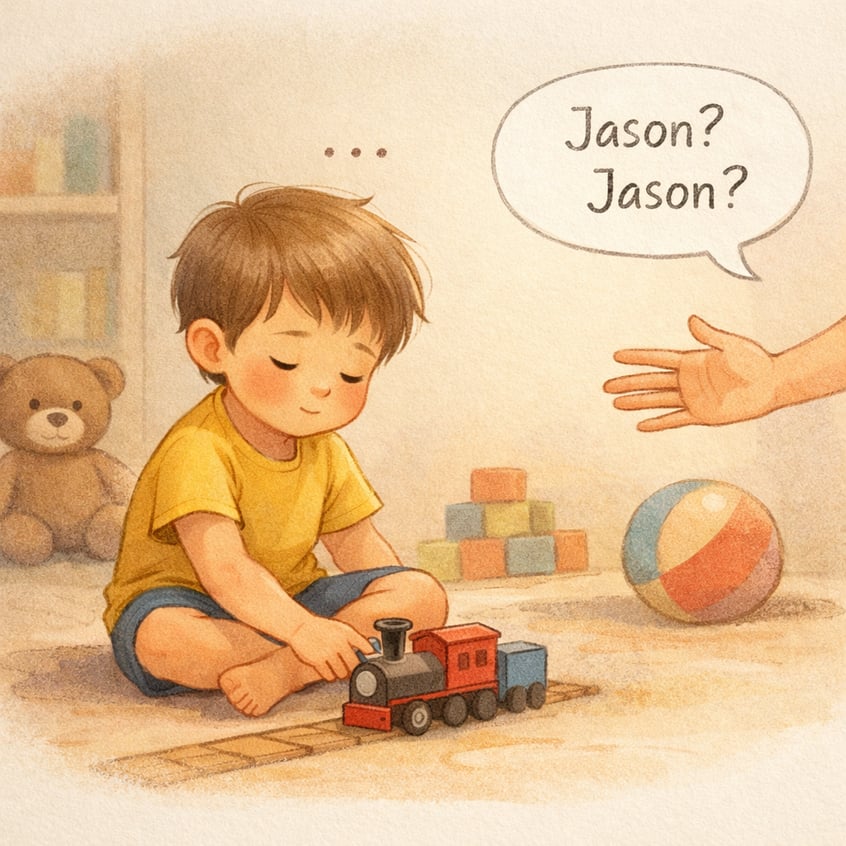
At 12 months, watch for gestures like waving, reaching, or pointing. Limited use of these gestures or little response to their name can also be early signs. These social cues are essential for communication, and their absence can suggest differences in social development.
Behavioral and sensory responses in babies
Along with social differences, you might observe certain behavioral and sensory responses in your baby. Repetitive behaviors can be an early sign. These are movements or actions that are done over and over again and can seem unusual.
Some of these early repetitive behaviors might include:
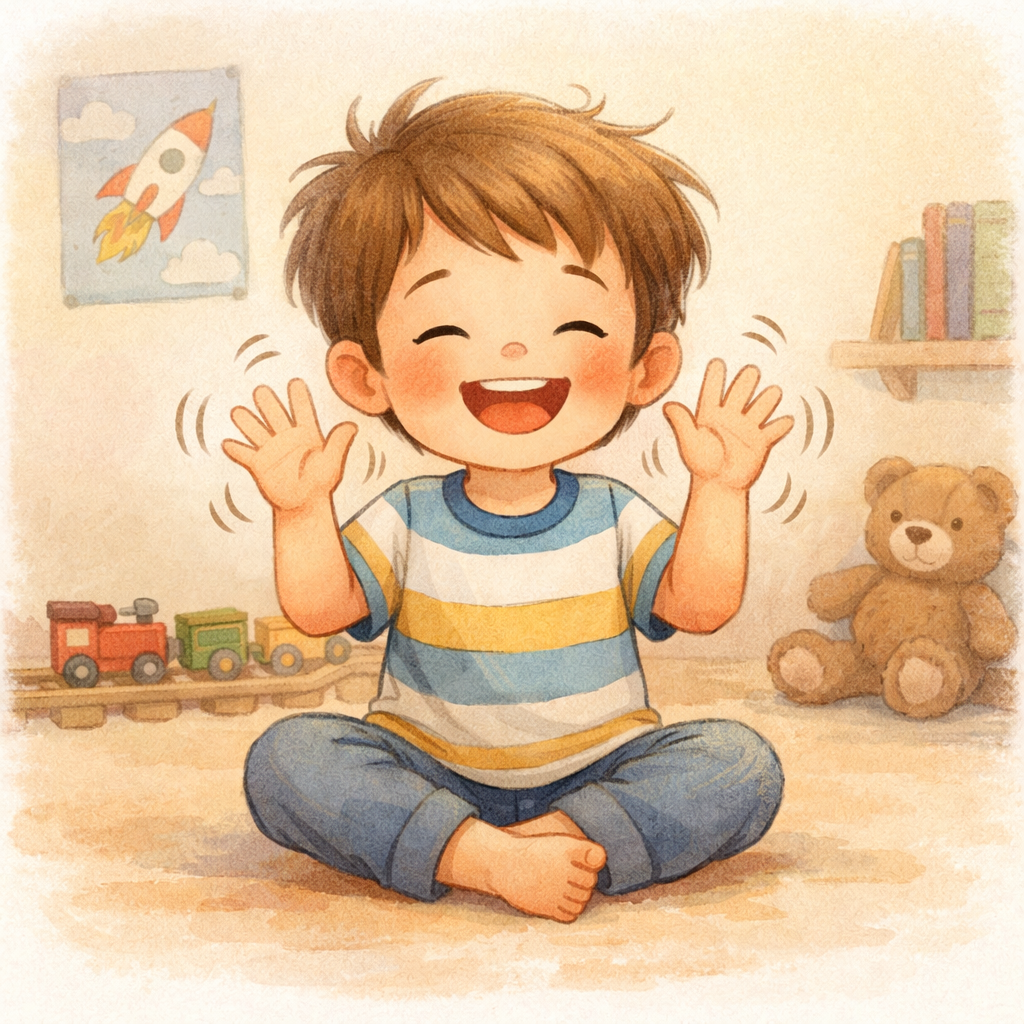
- Hand-flapping
- Rocking their body
- Spinning in circles
Babies with autism may also process sensory information differently. These sensory differences can manifest as unusual and intense reactions to sounds, smells, tastes, textures, or lights. For instance, they might be extremely sensitive to loud noises or have a strong negative reaction to the texture of certain foods when you introduce solids. These are important observations to bring up during developmental and behavioral screenings.
Autism Symptoms in Toddlers (Ages 1-3)
As young children grow into toddlers, the symptoms of autism spectrum disorder can become more apparent, especially in areas like language development and social play. You might notice that your toddler prefers to be alone or has difficulty understanding other people's feelings. Recognizing these signs is crucial for seeking early intervention.
Some children with ASD meet their developmental milestones until about 18 to 24 months, and then they stop gaining new skills or even lose skills they once had. This can be a significant indicator. We'll look closer at specific communication delays and behavioral patterns in toddlers.
Language and communication delays
Communication delays are often early signs of autism in toddlers. While children develop language at different rates, missing certain milestones can be a concern.
Possible communication delays linked to autism include:
- Few or no words by 16 months
- Not using meaningful two-word phrases by 24 months (excluding repetition)
- Loss of previously learned speech or babbling
Echolalia—repeating words or phrases frequently and out of context—is another sign. If you notice these behaviors, consult your pediatrician.
Repetitive behaviors and play patterns
In early childhood, repetitive behaviors and unusual play often become more noticeable in autistic children. They may develop intense interests in specific topics or toys, such as lining up objects or playing exclusively with one type of item.
Repetitive physical movements are also common, including:
- Hand flapping
- Spinning or rocking
- Fixating on toy parts, like spinning wheels
Autistic children may resist even minor changes to routines or environments, becoming upset when things are different. These behaviors differ from typical play and can be addressed through behavioral interventions to encourage more flexible social skills.
Recognizing Autism in Preschool and Primary School Children
When children enter preschool and primary school, developmental differences in social communication and interaction can become more evident. While they are learning many new skills, children with autism may struggle to navigate the social world of their peers. This is often the age when a formal diagnosis of autism is considered.
These challenges can affect their ability to make friends and understand classroom expectations. Recognizing these signs is important for ensuring your child gets the right support at school and at home. Let's examine the social challenges and emotional regulation differences that can appear during these years.
Social challenges and peer interactions
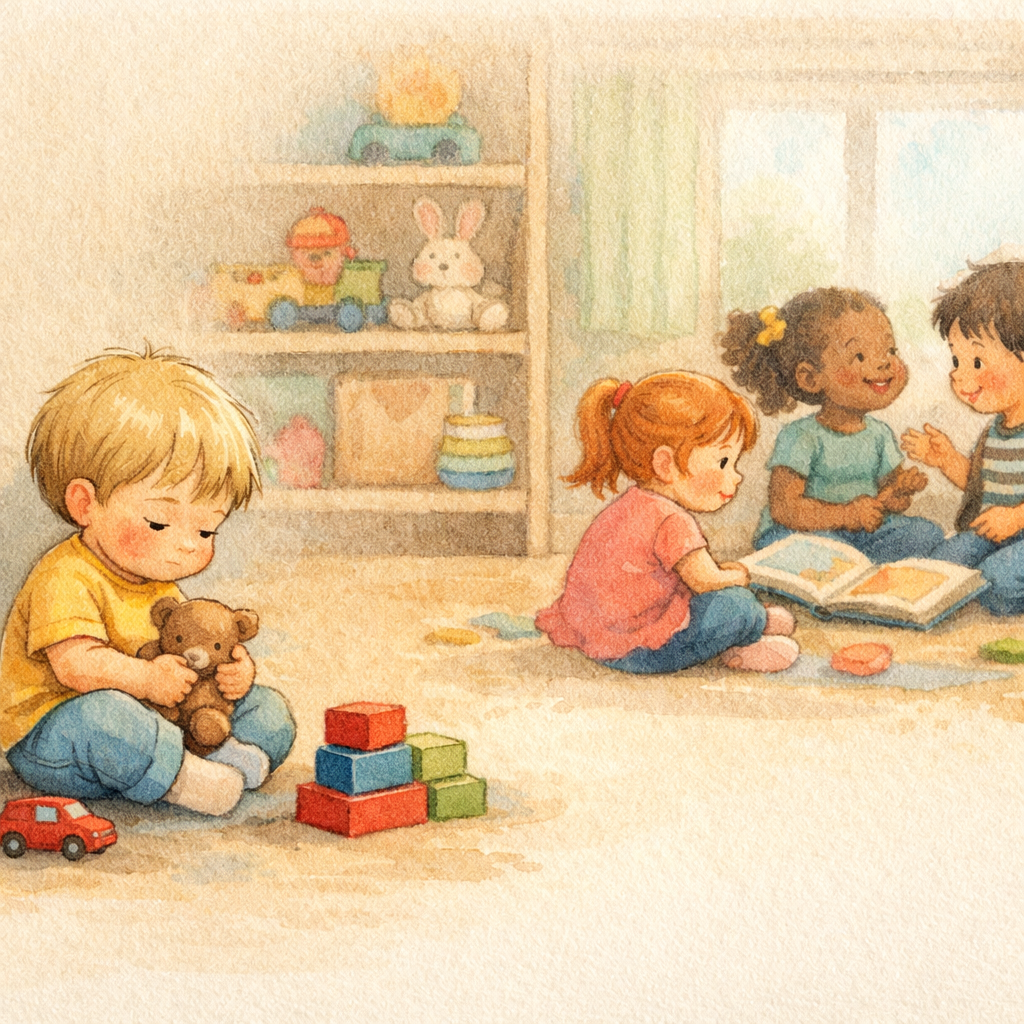
As children grow, social situations become more complex, and those with autism may find peer interactions especially challenging. They often struggle to understand social cues like body language or tone of voice, making it difficult to form and maintain friendships.
You might notice they prefer being alone, have trouble joining group activities, or follow instructions too literally, leading to misunderstandings. Social difficulties are often central from the first signs of autism through diagnosis.
Here’s how social behaviors can differ:
|
Typical Social Development |
Possible Signs of Autism |
|---|---|
|
Seeks out other children to play |
Prefers to play alone or parallel to others |
|
Understands and uses nonverbal cues |
Struggles with body language or facial expressions |
|
Engages in back-and-forth conversation |
Talks mostly about limited interests |
|
Shows interest in others’ feelings |
Has difficulty understanding others’ emotions |
Differences in emotional and behavioral regulation
Emotional and behavioral regulation is often challenging for autistic children, impacting their daily lives. They may have strong reactions to sensory inputs like loud sounds or bright lights, leading to overwhelm and meltdowns caused by sensory overload—distinct from tantrums.
Autistic children also tend to need routine and predictability; even small changes can cause significant distress. This preference for sameness helps them cope with an unpredictable world. Emotional regulation difficulties may also occur alongside anxiety or depression.
Supporting autistic children often involves teaching emotional regulation strategies. Therapies can help them recognize their feelings and manage overwhelming situations, which is essential for their well-being and daily functioning.
Gender Differences: Autism in Boys vs. Girls
Autism spectrum disorder often appears differently in boys and girls. Because most studies focused on boys, girls’ symptoms are frequently overlooked, leading to later or missed diagnoses.
Understanding these gender differences helps parents and healthcare professionals better identify autism in girls, ensuring they receive appropriate support and access to resources like the national disability insurance scheme. Here’s how symptoms can vary by gender and why autism is often missed in girls.
How symptoms can vary by gender
Autism traits like repetitive behaviors and social challenges often appear differently in girls. Girls on the spectrum are usually better at "masking" symptoms by imitating peers, making their difficulties less noticeable.
Unlike boys, whose interests may be very narrow or unusual, girls often have intense but socially acceptable interests, like a favorite book series or animal. As a result, classic autism signs—once linked to Asperger syndrome—are less obvious in girls.
Girls also tend to have stronger language skills, which can hide social communication issues. They may hold conversations but still miss social cues. These subtle differences make it harder for parents and teachers to recognize when girls need support.
Why autism may be overlooked in girls
Autism is often overlooked or misdiagnosed in girls for several reasons. One major factor is that healthcare and childcare professionals may be less familiar with the female presentation of autism. The diagnostic tools themselves have historically been based on symptoms more common in boys, making them less effective at identifying autism in girls.
This leads to many girls not receiving a diagnosis of autism until they are teenagers or adults. By this time, they may have developed secondary mental health issues like anxiety or depression from years of struggling to fit in without support. A professional evaluation is crucial for any child showing signs, regardless of gender.
Here are some reasons why an autism diagnosis may be missed in young children, especially girls:
- They may have better language and communication skills.
- They might be more adept at hiding their symptoms by mimicking others.
- Their intense interests may seem more socially typical.
Conclusion
In conclusion, recognizing Autism Spectrum Disorder signs early is essential for timely support and better outcomes. Early detection allows for effective, personalized strategies that address each child's needs. Noticing communication or behavioral differences can significantly impact a child’s development. If you have concerns, seek professional guidance. Supporting individuals on the spectrum fosters a more inclusive environment—every child's uniqueness deserves your attention and care.
Reach out for a consultation or call daar at 02 9133 2500 for expert guidance tailored to your child’s needs.
Frequently Asked Questions
At what age do early symptoms of autism spectrum disorder typically appear?
Early signs of autism spectrum disorder can appear within the first 12 months of age, though they often become more noticeable between 18 and 24 months. Some children meet their developmental milestones and then lose skills, so monitoring your child's development continuously is important for early detection.
Are there specific communication delays that suggest early autism?
Yes, specific communication delays can suggest autism. These include not babbling by 12 months, not using single words by 16 months, or not using two-word phrases by 24 months. Other signs are limited eye contact and a lack of gestures like pointing. A milestone tracker app can help you monitor these language skills.
Is it possible to detect autism symptoms in infants under one year old?
Yes, it is possible to detect early signs of autism in infants. Signs in the first few months of life can include limited eye contact, not smiling back at caregivers, or not engaging in back-and-forth sounds. If you notice these autism signs, a professional evaluation is recommended for guidance.
.svg)




.svg)