
.png?width=48&height=48&name=Group%201%20(3).png)























9 March, 2026

Innovative School Support Services for Mental Health Needs

Key Highlights
- Schools offer a range of support services to address student mental health and enhance their wellbeing. Staff delivering these support services are typically required to undergo specialized training in areas such as child and adolescent emotional development, crisis intervention, and strategies for promoting academic success. Early intervention and prevention strategies are crucial for positive emotional development and academic success.
- Early intervention and prevention strategies are crucial for positive emotional development and academic success.
- School counselling and wellbeing teams provide both individual and group support for students.
- Collaboration between parents, staff, and the local community creates a stronger support system in schools.
- Various programs focus on building resilience, social skills, and coping mechanisms for young people.
- Accessing these support services helps students navigate challenges and achieve their full potential.
Introduction
Navigating school life can be challenging, and supporting student mental health is more important than ever. Schools are increasingly recognizing their vital role in fostering not just academic achievement but also overall well-being. By offering a variety of innovative support services, educational institutions create a positive environment where students can thrive. These programs are designed to enhance student learning and equip them with the tools they need to manage life's hurdles, ensuring they feel supported every step of the way.
Overview of School Support Services for Student Mental Health
Student support services are essential programs within school communities designed to bolster student mental health and overall well-being. These services aim to address a wide spectrum of needs, from academic difficulties to social and emotional challenges.
By providing targeted support programs, schools help create a safe and nurturing environment. This approach ensures that every student has the opportunity to reach their full potential, both inside and outside the classroom. Let's look closer at the specific types of support available and the importance of early intervention.
Types of Student Support in School Settings
Schools provide a range of support services to meet students’ diverse needs, enhancing learning and wellbeing. These services are often integrated into the school day as part of the curriculum or offered through specialized programs, especially in public schools, to ensure equitable education.
Support can vary by school but typically includes educational, psychological, and health-related assistance:
- Counseling and psychology programs for mental health
- Speech and language therapy for communication challenges
- Educational support for literacy and numeracy
- Programs for social skills and resilience
- Health services from school nurses for chronic conditions
Importance of Early Intervention and Prevention
Early attention to mental health is crucial for a child’s long-term well-being. School-based prevention programs identify and support students at risk of social, emotional, or behavioral issues, offering help before problems grow.
This proactive approach strengthens emotional development. Teaching coping skills and social strategies early helps students build resilience for future challenges.
Emphasizing prevention also fosters a supportive school culture where seeking help is normalized. This ensures students feel safe and supported key to personal growth and academic success. Such strategies are central to how schools address student mental health needs.
The Role of School Counselling and Wellbeing Teams
School counseling and wellbeing teams are central to a school’s support services. These professionals—psychologists and counselors—work directly with students to remove barriers to learning and promote mental health. Their main role is to enhance student well-being by offering a safe space for students to share concerns.
By working with teachers and parents, these teams ensure consistent, effective support. They identify students who need extra help and connect them to the right resources through individual sessions or group programs. The following sections will explore these strategies and highlight the importance of community collaboration.
Individual and Group Counselling Approaches
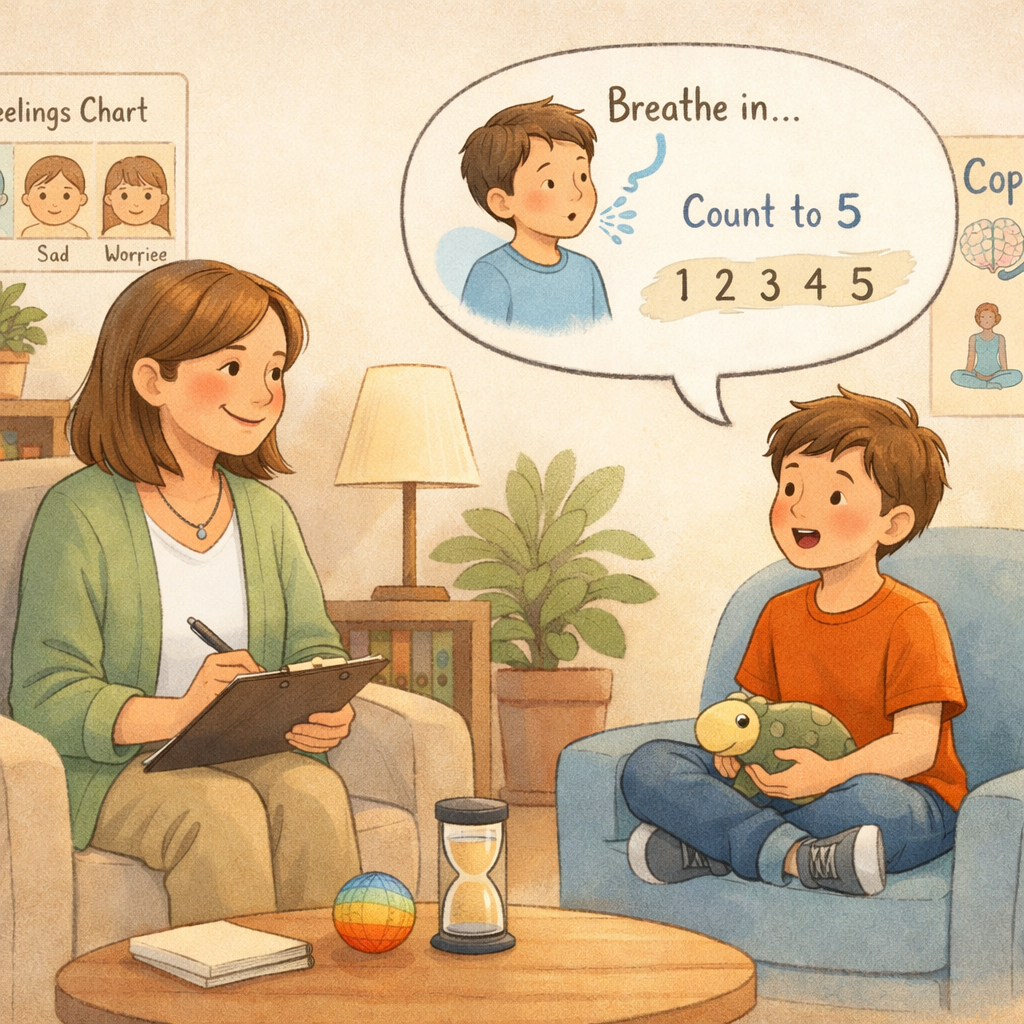
School mental health services use both individual and group counseling to meet diverse student needs. One-on-one sessions provide tailored support for issues like anxiety, behavior challenges, or problems at home, helping students build trust and address concerns privately.
Group counseling effectively develops social skills through structured programs focused on friendship, emotion management, or resilience. Students benefit from peer support and practicing new skills together.
Both approaches are essential to a comprehensive wellbeing strategy, offering evidence-based support that empowers students, builds coping skills, and promotes positive mental health.
Collaboration With Parents, Staff, and the Local Community
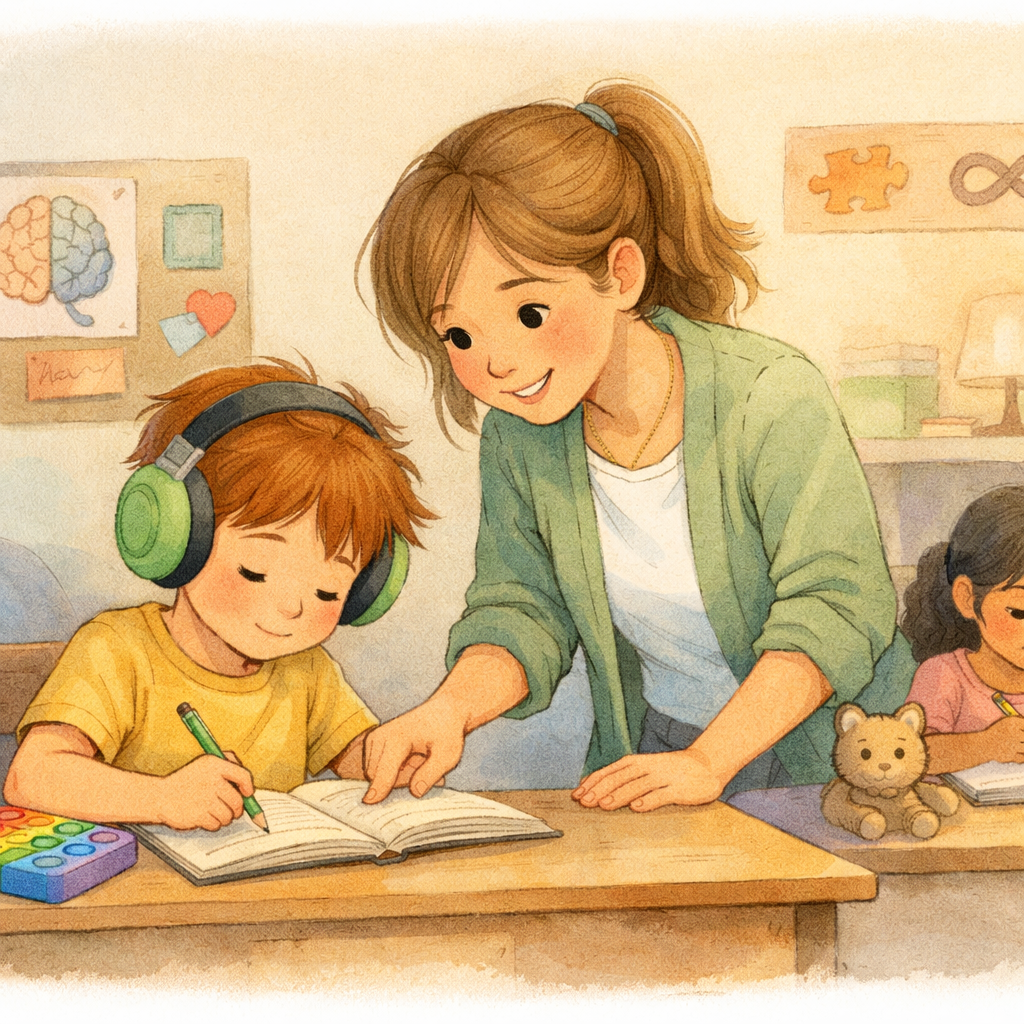
Effective student support is not just the school's responsibility; it thrives on strong collaboration. When parents, staff, and the local community work together, they create a powerful network that wraps around the student. This partnership ensures that a child's needs are understood and addressed consistently, both at school and at home. Open communication between all parties is key to building successful school communities.
This collaborative effort can take many forms. Teachers can share observations with parents, who in turn can provide insights into their child's behaviour at home. The school can also connect families with resources available in the local community.
This synergy enhances student support by creating a unified and holistic approach to wellbeing.
|
Stakeholder |
Role in Collaboration |
|---|---|
|
Parents |
Share insights on a child's home life and reinforce strategies taught at school. |
|
School Staff |
Identify student needs, implement support programs, and maintain open communication. |
|
Local Community |
Provide additional resources, funding opportunities, and volunteer support for programs. |
Conclusion
In conclusion, innovative school support services play a crucial role in addressing the mental health needs of students. By implementing diverse strategies such as individual and group counseling, schools can create a nurturing environment that promotes emotional well-being. Early intervention and collaboration with parents and the community are vital in ensuring that students receive the support they need to thrive academically and personally. Educators and administrators need to prioritize these services to foster a culture of awareness and care around mental health.
If you're interested in exploring how these programs can benefit your school, don't hesitate to reach out for consultation or call daar at 02 9133 2500 for more information or assistance!
Frequently Asked Questions
How are support programs implemented in Australian schools?
In Australia, support programs are often implemented in public schools through frameworks established by the state's department of education, such as in NSW and Victoria. Schools can partner with external organizations or use government funding, like the National Student Wellbeing Program, to provide services tailored to their community's needs.
What mental health resources are available for educators and students?
Resources include in-school mental health services like counselling, workshops, and academic support. Organizations like headspace offer programs for both students and school staff. Educators can also access professional development and resources through initiatives like Be You to better support student wellbeing and manage their own mental health.
Where can parents access information about student support in school?
Parents can access information about student support services by contacting their child's school directly. The school's pastoral care services, counsellors, or administrative staff can provide documentation on available programs. They can also guide parents through the referral process if specialized support is needed for their child.
.svg)




.svg)