
.png?width=48&height=48&name=Group%201%20(3).png)
























17 April, 2026

Key Milestones in Physical Development in Kids Explained
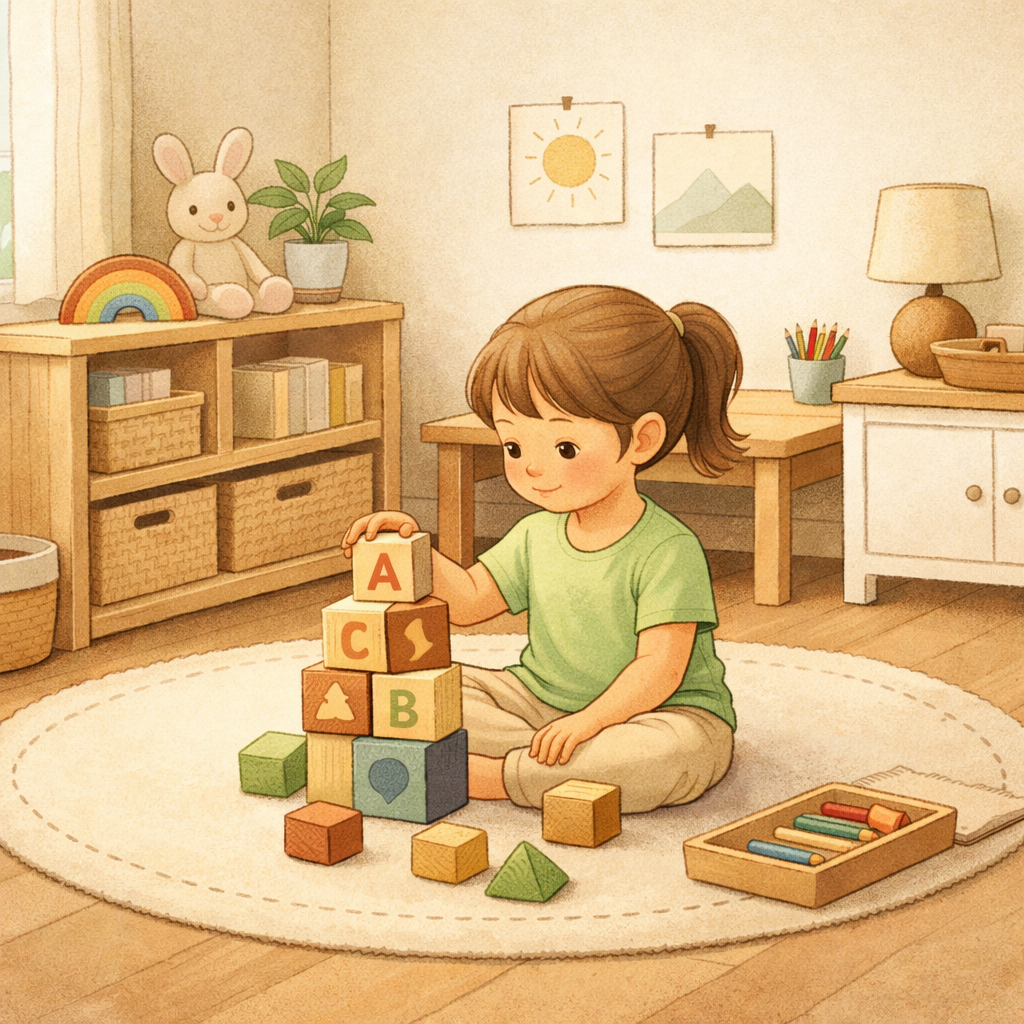
Watching your child grow is one of the most rewarding parts of parenting. From their first smile to their first steps and beyond, each stage of development brings exciting changes. But beyond these visible milestones, the maturation of a child and physical growth in children during the early years of life is a crucial indicator of their overall health, nutrition, and well-being.
Physical growth is not just about getting taller or gaining weight—it reflects how well a child’s body is developing internally and externally. From infancy through adolescence, children go through predictable stages of growth and development, during which specific skills are acquired. Understanding these stages helps parents recognize what is normal, support healthy habits, and identify when something may need attention.
In this comprehensive guide, we’ll walk you through key physical development milestones in early childhood by age, including the physical development of infants, factors that influence growth, warning signs to watch for, and practical tips to help your child reach their full potential.
Understanding Physical Growth in Children
Physical growth includes changes in:
- Height and weight
- Muscle development
- Bone growth and density
- Motor skills (both fine and gross)
- Body composition
Body control
Paediatricians often track growth using growth charts, which compare your child’s height and weight to standardized percentiles for their age and gender. These charts are valuable tools for identifying whether a child is growing consistently over time.
Key Physical Development Milestones in Kids
1. Infants (0–12 Months)
The first year of life is marked by incredibly rapid growth. Babies typically:
- Double their birth weight by around 5–6 months
- Triple their birth weight by their first birthday
- Grow approximately 25 cm (10 inches) in length
Developmental Milestones:
- Gaining head control (around 3–4 months)
- Rolling over (4–6 months)
- Sitting without support (6–8 months)
- Crawling (6–10 months)
- Beginning to stand or take first steps (9–12 months)
At this stage, proper nutrition (breast milk or formula), sleep, and responsive caregiving are essential for healthy development.
2. Toddlers (1–3 Years)
Growth during toddlerhood slows compared to infancy but remains steady. Toddlers typically gain:
- About 2–3 kg (4–6 pounds) per year
- Around 5–8 cm (2–3 inches) in height annually
Developmental Milestones:
- Walking independently
- Running and climbing
- Beginning to jump
- Improved hand-eye coordination
- Stacking blocks and using simple tools
Toddlers are naturally active and curious. This is a critical period for developing motor skills and independence.
3. Preschoolers (3–5 Years)
Preschoolers become more coordinated and confident in their movements. Growth continues at a moderate pace.
Developmental Milestones:
- Better balance and posture
- Increased muscle strength
- Ability to hop, skip, and climb
- Improved fine motor skills (drawing, cutting, dressing)
- Greater independence in physical tasks
This stage is ideal for encouraging structured play, sports basics, and activities that build coordination.
4. School-Age Children (6–12 Years)
This is a period of steady and consistent growth. Children typically grow:
- About 5–6 cm (2 inches) per year
- Gain 2–3 kg (4–7 pounds) annually
Developmental Milestones:
- Increased endurance and physical strength
- Improved coordination and agility
- Mastery of fine motor skills (writing, drawing, crafts)
- Participation in sports and group activities
At this stage, physical growth is closely tied to lifestyle habits such as diet, sleep, and physical activity.
5. Adolescents (13–18 Years)
Adolescence brings one of the most dramatic phases of growth—puberty. This includes rapid changes in height, weight, and body composition.
Developmental Milestones:
- Growth spurts (often several inches in a short time) and the development of large muscle movements
- Development of secondary sexual characteristics
- Increased muscle mass (especially in boys)
- Changes in body fat distribution (especially in girls)
- Strengthening of bones
Growth spurts typically occur earlier in girls (around ages 10–14) and later in boys (around ages 12–16). Nutrition and sleep are especially critical during this stage.
Factors That Influence Physical Growth
Several key factors affect how a child grows. Understanding these can help parents support optimal development.
Nutrition and Balanced Diet
Nutrition is one of the most important drivers of growth, and it aligns with the prime areas of learning that children need:
- Protein for muscle development
- Calcium and vitamin D for bone health, as well as engaging in activities like stacking small blocks to enhance fine motor skills.
- Iron for oxygen transport and energy
- Healthy fats for brain development
A lack of proper nutrition can lead to slowed growth, weakened immunity, and developmental delays.
Quality of Sleep
Sleep is when the body repairs itself and releases growth hormone. Deep sleep is especially important for:
- Bone growth
- Tissue repair
- Immune function
Children who do not get enough sleep may experience slower growth and reduced energy levels.
Regular Physical Activity
Movement strengthens muscles, improves coordination, and supports bone density. Active children tend to:
- Have better posture
- Develop stronger muscles
- Maintain healthy body weight
Encourage at least 60 minutes of physical activity daily.
Genetics and Family History
Genetics play a significant role in determining height, body type, and growth patterns. While you cannot change genetics, lifestyle factors can influence how fully a child reaches their genetic potential.
Overall,rall Health Conditions
Chronic illnesses, hormonal imbalances, or medical conditions can affect growth. Regular paediatric check-ups help identify and address potential issues early.
Signs of Healthy Growth
Every child is unique, but some general signs indicate healthy development, including noticeable physical changes:
- Steady increase in height and weight over time
- Meeting age-appropriate motor milestones and achieving major milestones
- Good energy levels and activity
- Strong appetite and balanced eating habits
- Consistent sleep patterns
When to Be Concerned About Growth
While variations are normal, certain signs may indicate a need for professional evaluation:
- Sudden in growth (height or weight)
- Falling significantly off growth chart percentiles
- Delayed motor milestones
- Extreme fatigue or low energy
- Noticeable asymmetry in body development
If you notice any of these signs, it’s important to consult a paediatrician for further assessment.
Tips to Support Healthy Growth in Kids
Helping your child grow well doesn’t require perfection—just consistency and awareness.
Provide Nutrient-Rich Meals
Offer balanced meals that include:
- Whole grains
- Lean proteins
- Fruits and vegetables
- Dairy or alternatives
Avoid excessive processed foods and sugary snacks.
Encourage Daily Physical Activity
Let children explore movement through:
- Outdoor play
- Sports
- Dancing or active games
Physical activity supports both growth and mental well-being.
Ensure Adequate Sleep Routines
Set consistent bedtimes and create a calm sleep environment. Limit screens before bed to improve sleep quality.
Schedule Regular Paediatric Check-Ups
Routine visits help monitor growth, track milestones, and detect any issues early.
Monitor Growth Charts
Keep track of your child’s height and weight over time. Consistency matters more than exact numbers.
The Connection Between Growth, Sleep, and Hormones
Growth is not just about food and activity—it is also deeply influenced by hormones. The most important of these is growth hormone, which is primarily released during deep sleep.
At the same time, stress hormones like cortisol can interfere with growth if they remain elevated due to poor sleep, stress, or excessive screen time.
This is why:
- Good sleep = better growth
- High stress = potential growth disruption
Balancing sleep, stress, and daily routines is essential for optimal development.
Building a Growth-Friendly Lifestyle

A healthy lifestyle creates the foundation for strong physical development. Focus on:
- Consistent routines
- Balanced nutrition
- Active play
- Emotional support
- Quality sleep
Children thrive when their environment supports both their physical and emotional needs.
Support your child’s healthy development
Support your child’s healthy development today by staying informed and proactive. Track their growth milestones, encourage healthy habits, and maintain regular check-ups to ensure they are on the right path.
Your attention and responsive care play a powerful role in helping your child reach their full physical potential, especially considering factors like unresolved maternal attachment.
Reach out for a consultation or call daar at 02 9133 2500 for more expert parenting tips, child development insights, and practical wellness guidance.
Frequently Asked Questions (FAQs)
1. What are normal physical growth milestones in children?
Normal milestones include steady increases in height and weight, improved motor skills, and the different ways to perform age-appropriate physical tasks such as walking, running, and fine motor activities like drawing or writing during early adulthood.
2. When should I worry about my child’s growth?
You should consult a paediatrician if your child shows delayed growth, significant weight loss, missed developmental milestones, or falls noticeably behind their peers in physical development.
3. How can I help improve my child’s physical development?
You can support your child’s growth by providing a balanced diet, encouraging regular physical activity that enhances their physical skills and social skills, ensuring adequate sleep, and maintaining routine health check-ups. Consistent daily habits play a key role in healthy development.
.svg)




.svg)