
.png?width=48&height=48&name=Group%201%20(3).png)























4 March, 2026

5 Expert Tips for Managing Kids Tantrums Effectively
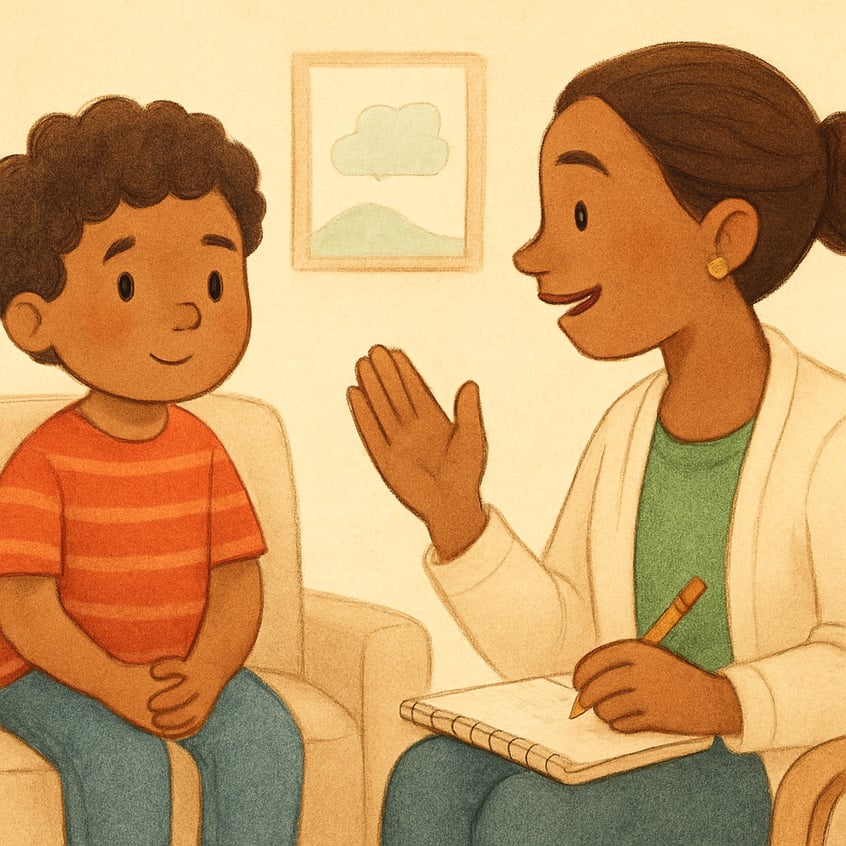
Key Highlights
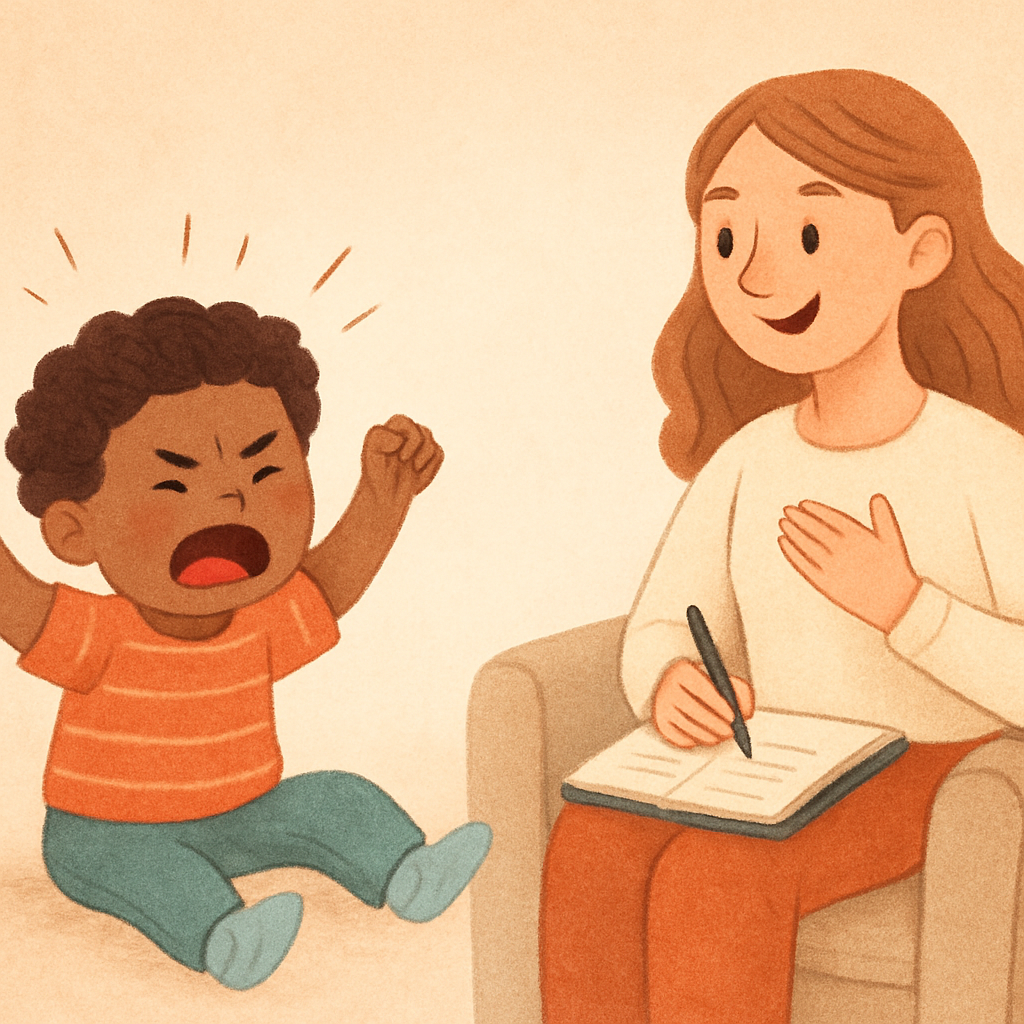
- Understanding that a tantrum is a response to frustration is the first step for parents of young children.
- Staying calm yourself is crucial when your child is having a temper tantrum, as it helps de-escalate the situation.
- Positive parenting techniques, like praising good behavior, can make a significant difference in managing outbursts.
- Identifying the root cause of the tantrum helps you address your child's underlying needs.
- Developing your child’s communication skills is an effective way to prevent future temper tantrums.
- Setting clear boundaries and consistent consequences helps teach children about acceptable behavior.
Introduction
Dealing with a child's tantrum can be one of the most challenging parts of parenting. These sudden outbursts of anger and frustration can leave you feeling helpless and stressed. While they are a normal part of development, frequent or intense episodes can raise concerns about behavior problems and your children’s mental health. This guide offers five expert tips to help you manage these difficult moments effectively, fostering a calmer home environment and supporting your child's emotional growth. Although this guide focuses on parenting strategies, you may also be interested in the plot of the film 'Misbehaviour.' The film 'Misbehaviour' centers on a group of women who plot to disrupt the 1970 Miss World competition in London, aiming to challenge the objectification of women and support women's liberation. Their actions set in motion a public protest with lasting effects on the pageant and wider society.
Recognizing Warning Signs of an Angry Child
Recognizing early warning signs of a tantrum helps you intervene before it escalates. Children often show subtle cues—physical (clenched fists, fidgeting) or verbal (whining, arguing)—when overwhelmed by emotions.
Identifying these triggers is essential for teaching emotional regulation and supporting your child’s mental health. Noticing these signals allows you to address frustration early and manage behavior more effectively. Here are common signs by age group.
Early Indicators in Toddlers and Preschoolers
Toddler tantrums are a normal part of development, often starting around 12 months and peaking between 18 and 48 months. These outbursts are usually triggered by hunger, fatigue, illness, or frustration due to limited communication and coping skills. Toddlers crave independence but still need attention, which can lead to internal conflict and tantrums—not intentional defiance.
Watching for patterns in your child’s behavior can help identify causes. While most tantrums are typical, frequent or intense episodes may signal deeper issues. Understanding why tantrums happen is key to managing them effectively. While this section focuses on early indicators in children, it's worth noting that the film 'Misbehaviour' tells the story of the 1970 Miss World competition in London, where a group of women from the Women's Liberation Movement organizes a protest to challenge traditional ideas of beauty and sexism, leading to a public disruption of the event.
Challenging Behaviors in School-Aged Children
As children grow, tantrums should decrease. Frequent tantrums in school-aged kids may signal deeper issues. Older children often have outbursts during homework, bedtime, or when stopping a fun activity—times that trigger frustration they can’t manage.
Warning signs include consistent aggression, self-harm, or needing help to calm down. Tantrums lasting over 15–25 minutes or occurring more than five times a day are atypical and may suggest underlying issues like ADHD, anxiety, or learning disabilities.
Recent changes—such as family conflict or traumatic events—can also affect behavior. Noticing these patterns can help determine if professional support is needed.
Expert Tip #1 – Stay Calm and Collected During Outbursts
When your child has strong emotions, your reaction can either escalate or calm the situation. It's natural to feel stressed or angry, but responding with your own outburst only makes things worse. The key is to take a deep breath and stay calm.
Practicing self-regulation in these moments teaches your child how to handle frustration without losing control. Staying calm isn’t just good for you—it helps you parent effectively during tough times. Let’s look at why your calmness matters and how to achieve it.
Why Parental Calmness Matters
Staying calm during your child’s tantrum helps them settle down faster. Your composure makes you a safe anchor in their emotional storm, while yelling or showing frustration can make things worse. By modeling calm behavior, you teach your child how to manage strong emotions.
This co-regulation builds your child’s emotional regulation skills as they learn from your example. Over time, consistently responding with calmness strengthens trust and security in your relationship, showing your child that you can handle their big feelings and supporting their long-term mental health.
Simple Self-Regulation Strategies for Parents
Staying calm as a parent takes practice, but having strategies ready can help. It’s important for both your child and your own mental health.
Focusing on your breath is a simple way to reset before reacting. Creating physical or mental distance—like stepping away briefly if your child is safe—can also help. Using a mantra, such as "This is temporary" or "I am the calm adult," keeps you grounded.
Try these techniques:
- The 4-7-8 Breath: Inhale for 4 seconds, hold for 7, exhale for 8. Repeat to lower your heart rate.
- Press Your Palms: Firmly press palms together for 10 seconds to distract yourself.
- Narrate Your Actions: Silently describe what you’re doing ("I’m getting water") to stay present and detached from stress.
Expert Tip #2 – Address the Root Cause of the Misbehaviour
A tantrum is often just a visible sign of deeper issues. To manage misbehavior effectively, identify the root cause—hunger, fatigue, illness, or frustration with a difficult task. Understanding why your child acts out is crucial.
By uncovering these triggers, you can move from reacting to proactively meeting your child's needs. This helps prevent future tantrums and shows your child that their feelings matter. Let’s explore how to spot these triggers and tell the difference between true needs and wants.
Identifying Underlying Triggers for Tantrums
Many tantrums have clear triggers. Common causes in young children are often physical: hunger and tiredness make it harder for them to handle frustration, while illness or injury can lead to unusual behavior. Keeping a log of tantrum times can reveal patterns.
Environmental factors matter too. Sudden changes in routine can upset children, and some are sensitive to noise, crowds, or certain fabrics. Frustration is also common, especially when a child struggles with new skills or can’t express their needs.
Recognizing these triggers lets you prevent meltdowns—for example, by offering a snack before an outing or giving warning before transitions.
|
Common Trigger |
Example |
|---|---|
|
Hunger |
Tantrum at the grocery store before dinner |
|
Tiredness |
Outburst late afternoon after missing a nap |
|
Frustration |
Screaming when unable to build a block tower |
|
Unexpected Change |
Meltdown after taking a different route home |
|
Sensory Overload |
Crying and hitting in a busy shopping mall |
Differentiating Between Needs and Desires
Understanding the difference between your child's needs and desires is key to responding effectively. Needs are essentials like food, sleep, or comfort; desires are wants like a new toy or more screen time. Meltdowns from unmet needs signal emotional overwhelm, while tantrums for wants are typical misbehavior.
If a tantrum is about a desire, giving in teaches that outbursts get results. Set firm boundaries but show empathy: "I know you're sad we can't buy that toy today. It's okay to feel sad."
When a meltdown stems from an unmet need—like exhaustion—offer support and comfort with quiet time, a snack, or a hug. Helping your child express their needs and wants reduces frustration and defiance over time.
Expert Tip #3 – Use Positive Parenting Techniques
Positive parenting is a powerful approach that focuses on building a strong, respectful relationship with your child. Instead of focusing solely on correcting bad behavior, it emphasizes guiding them toward good behavior. Techniques like praise, redirection, and constructive communication can be incredibly effective.
This method helps your child develop important life skills and self-esteem. By catching them being good and celebrating their efforts, you encourage them to repeat those positive actions. Let's look at how reinforcing good behavior and using smart communication can transform how you handle tantrums.
Reinforcing Good Behavior with Praise
One of the most effective positive parenting strategies is to actively notice and praise good behavior. Children respond well to positive attention, and acknowledging their efforts encourages more good choices. Instead of only reacting to misbehavior, try to catch them doing something right—like sharing, waiting patiently, or expressing frustration with words.
Be specific with your praise. Rather than saying "great job," say "I love how you shared your blocks with your brother." This helps your child understand exactly what they did well. Specific praise shapes long-term behavior better than punishment.
Your praise also models positive communication, showing that words can lift others up. By focusing on desired behaviors, you naturally reduce unwanted ones. Consistent praise can transform your family dynamic and create a more positive, cooperative environment.
Redirection and Constructive Communication
When you see a tantrum brewing, redirection can be a lifesaver, especially with younger children. This strategy involves shifting their focus to a different, more acceptable activity. If your toddler is about to get frustrated with a puzzle, you might introduce a favorite book or suggest a new game. This simple distraction can quickly diffuse a tense situation without a power struggle.
For older children, constructive communication becomes more important. This means helping them name their feelings and find solutions. Instead of just saying "stop crying," you can try, "I see you're very angry that playtime is over. What could we do to make this transition easier next time?" This approach validates their emotions while guiding them toward problem-solving.
Improving communication skills is a long-term strategy for preventing outbursts. Here are some ways to foster constructive communication:
- Model good communication: Use "I feel" statements and avoid yelling.
- Offer choices: Give your child a sense of control by offering two acceptable options.
- Use feeling words: Help your child build an emotional vocabulary by naming feelings like "sad," "angry," or "frustrated."
- Listen actively: When your child talks, give them your full attention to show their words matter.
Expert Tip #4 – Set Clear and Consistent Boundaries
Children feel safer and more secure when they know what to expect. Setting clear rules and consistent boundaries is a cornerstone of effective discipline. When rules are predictable and consequences are applied consistently, your child learns the connection between their actions and the outcomes. This isn't about being overly strict; it's about providing a reliable structure.
Misbehavior is a part of growing up, but how you respond to it matters. Consistent consequences teach responsibility and self-control. Let’s explore how to set age-appropriate consequences and avoid common pitfalls that can undermine your efforts.
Age-Appropriate Consequences for Misbehaviour
Give consequences for misbehavior right away so your child links actions to outcomes. Make consequences age-appropriate: for toddlers, use brief time-outs or remove a toy—one minute per year of age, as advised by the American Academy of Pediatrics.
For school-age kids, apply logical consequences. For example, if they don’t turn off a video game, take away screen time the next day. The goal is to teach, not punish; consequences should help your child reflect and encourage better choices.
Explain consequences calmly and enforce them consistently. Avoid lectures or shaming. A simple explanation like, “Because you hit your sister, you need a time-out,” is enough. This teaches kids that actions have predictable results.
Avoiding Common Parent Mistakes
When managing challenging behavior, common mistakes can make things worse. The most frequent error is inconsistency—if you sometimes give in during tantrums, your child learns persistence pays off. Always enforce rules and consequences.
Avoid power struggles; arguing during a tantrum rarely helps. Calmly state boundaries and disengage. Never use physical punishment—it increases aggression and models hitting as a way to express anger.
If you’re struggling, seek support through parent management programs like Parent-Child Interaction Therapy (PCIT). For extreme behaviors, consider consulting a specialist for diagnosis or medication.
Common mistakes to avoid:
- Giving in: Don’t reward tantrums by giving what’s demanded.
- Yelling: Shouting escalates the situation.
- Inconsistency: Enforce rules every time.
- Empty threats: Only make consequences you’ll follow through on.
Expert Tip #5 – Proactive Steps to Prevent Tantrums
While you can't prevent every tantrum, taking proactive steps can significantly reduce their frequency and intensity. Prevention is often the best strategy. This involves creating an environment that supports your child's emotional well-being and anticipating situations that are likely to cause distress.
Establishing predictable routines and preparing your child for known triggers are simple yet powerful ways to set them up for success. By focusing on prevention, you can foster a calmer home and support your children’s mental health. Let’s look at some practical ways to do this.
Establishing Routines and Preparing for Triggers
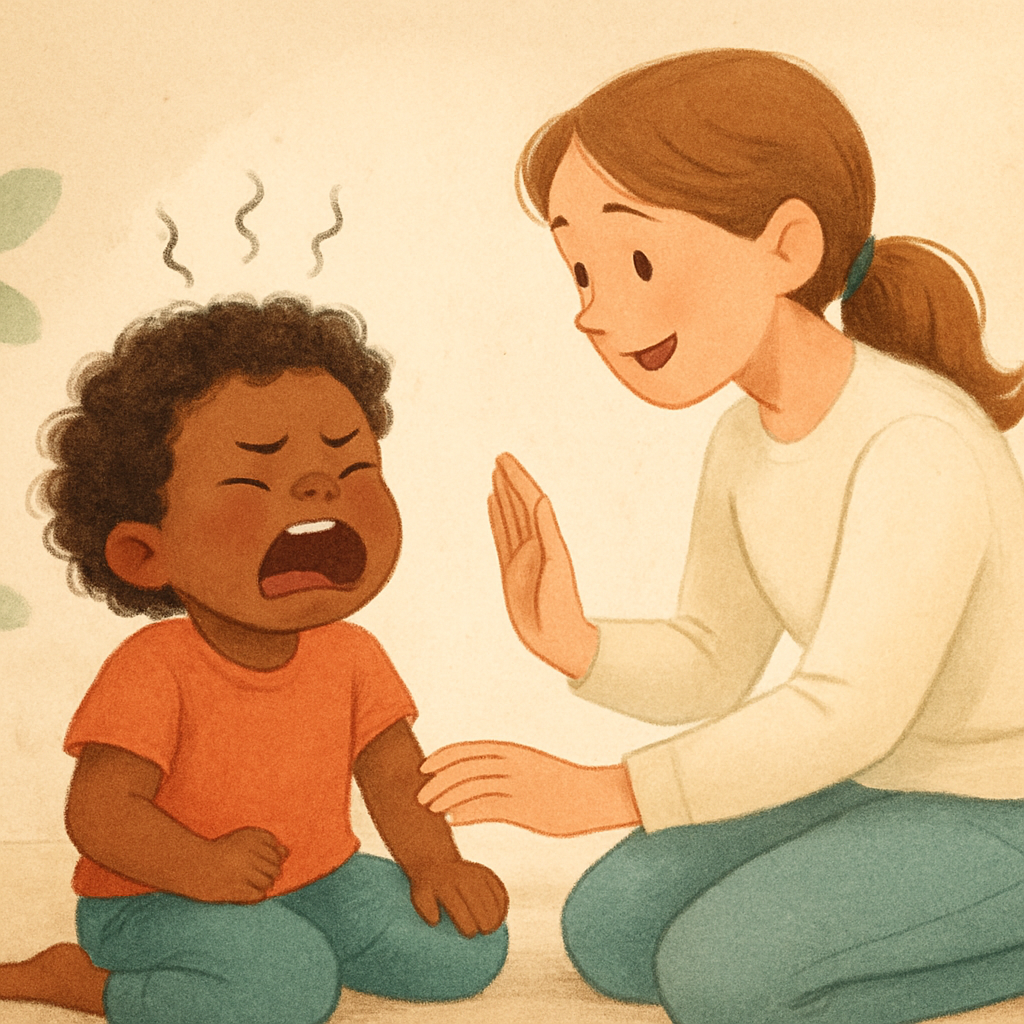
Predictable routines help children feel safe and in control. When they know what to expect—like regular mealtimes and bedtimes—there are fewer power struggles and less frustration. Getting enough sleep is especially important, as tiredness often leads to tantrums. A consistent bedtime routine can greatly improve your child’s mood and behavior.
Preparing for common triggers also helps prevent meltdowns. If your child gets cranky when hungry, bring healthy snacks when you go out. If transitions are tough, give advance warnings—for example, "We have five more minutes at the playground."
Childproofing your home is another way to prevent frustration by removing unsafe or tempting items from reach, reducing the need to say “no.”
Tips for preventing tantrums:
- Stick to routines: Keep meals, naps, and bedtime consistent.
- Anticipate needs: Make sure your child is rested and fed before challenging situations.
- Give warnings: Let your child know before switching activities.
- Offer choices: Allow small decisions to give them a sense of control.
Conclusion
In summary, managing kids' tantrums requires patience, understanding, and the right strategies. By recognizing warning signs, staying calm, addressing root causes, employing positive parenting techniques, and setting clear boundaries, you can create a more harmonious environment for both you and your child. Remember, every child is unique, and what works for one may not work for another. Be open to adjusting your approach as needed.
If you're looking for personalized strategies tailored to your family’s needs, don't hesitate to reach out and get a consultation or call daar at 02 9133 2500 with our experts!
Frequently Asked Questions
What techniques can I use to calm my child during a tantrum?
During a tantrum, stay calm and ensure your child is in a safe space. You can try a quiet distraction, offer a hug, or simply sit with them to show empathy. For some children, modeling a deep breath can help. Avoid talking too much; your quiet, supportive presence is often what’s needed most.
How can I differentiate between a typical tantrum and a more serious behavioral issue?
A typical tantrum is usually brief and happens in children under five. If frequent tantrums are extreme in severity, involve aggression toward self or others, last longer than 25 minutes, or persist in older children, they may signal more serious behavior problems. Consult a professional if you have concerns about your child's mental health.
How can I prevent future tantrums through proactive parenting strategies?
Take proactive steps by establishing consistent routines, especially for meals and bedtime. Identify and prepare for your child’s triggers, like hunger or fatigue. Offer choices to give them a sense of control. Praising positive behavior reinforces what you want to see, making tantrums less likely to occur.
.svg)




.svg)