
.png?width=48&height=48&name=Group%201%20(3).png)























2 February, 2026

Understanding Behavioural Therapy Autism: A Comprehensive Guide
Introduction
Navigating support for a child with autism spectrum disorder and associated anxiety disorders can feel overwhelming, but you are not alone. Behavioural therapy offers a structured and effective path to help your child build confidence, enhance social skills, and improve their overall quality of life. This guide explores how different therapeutic approaches can unlock your child's potential, support their mental health, and provide them with the tools they need to thrive in their daily lives. In addition to behavioural therapy, autistic people may benefit from a variety of other therapy and support options, including occupational therapy, speech therapy, social skills groups, and counseling. Many find programs focused on sensory integration, parent training, or peer support groups helpful for addressing individual challenges and building a supportive community.
Key Highlights
- Behavioural therapy is a key support for children on the autism spectrum, helping to improve communication and social skills.
- Applied Behaviour Analysis (ABA) is a common approach that uses positive reinforcement to encourage helpful behaviours.
- Therapy plans are customized to meet each child's unique skills, needs, and family goals. Early intervention through behavioural therapy can lead to significant gains in daily living skills, academics, and independence. However, it's important to note that ABA therapy has faced some controversies and criticisms. Some advocates and autistic individuals express concerns about the intensity and structure of certain ABA programs, suggesting that they may prioritize compliance over personal autonomy. Others feel that therapy should focus more on promoting quality of life and daily living skills rather than solely on modifying behaviours.
- Early intervention through behavioural therapy can lead to significant gains in daily living skills, academics, and independence.
- The goal is to increase helpful behaviours and decrease those that are harmful or interfere with learning.
- Parent and caregiver training is an important component, helping to reinforce new skills in everyday situations.
What is Behavioural Therapy for Autism?
Behavioural therapy for autism is a structured treatment based on the science of learning and behaviour. It aims to understand how behaviour works and how it is affected by the environment, often leading to better communication skills. The primary goal is to increase helpful actions and reduce behaviours that may be harmful or affect learning.
One of the most well-known types is Applied Behaviour Analysis (ABA). ABA therapy applies principles of behaviour analysis to real-world situations, helping children learn new skills that are useful in everyday life. Now, let’s look closer at what this therapy involves and the principles that guide it.
Defining Behavioural Therapy and Its Role in Autism Support
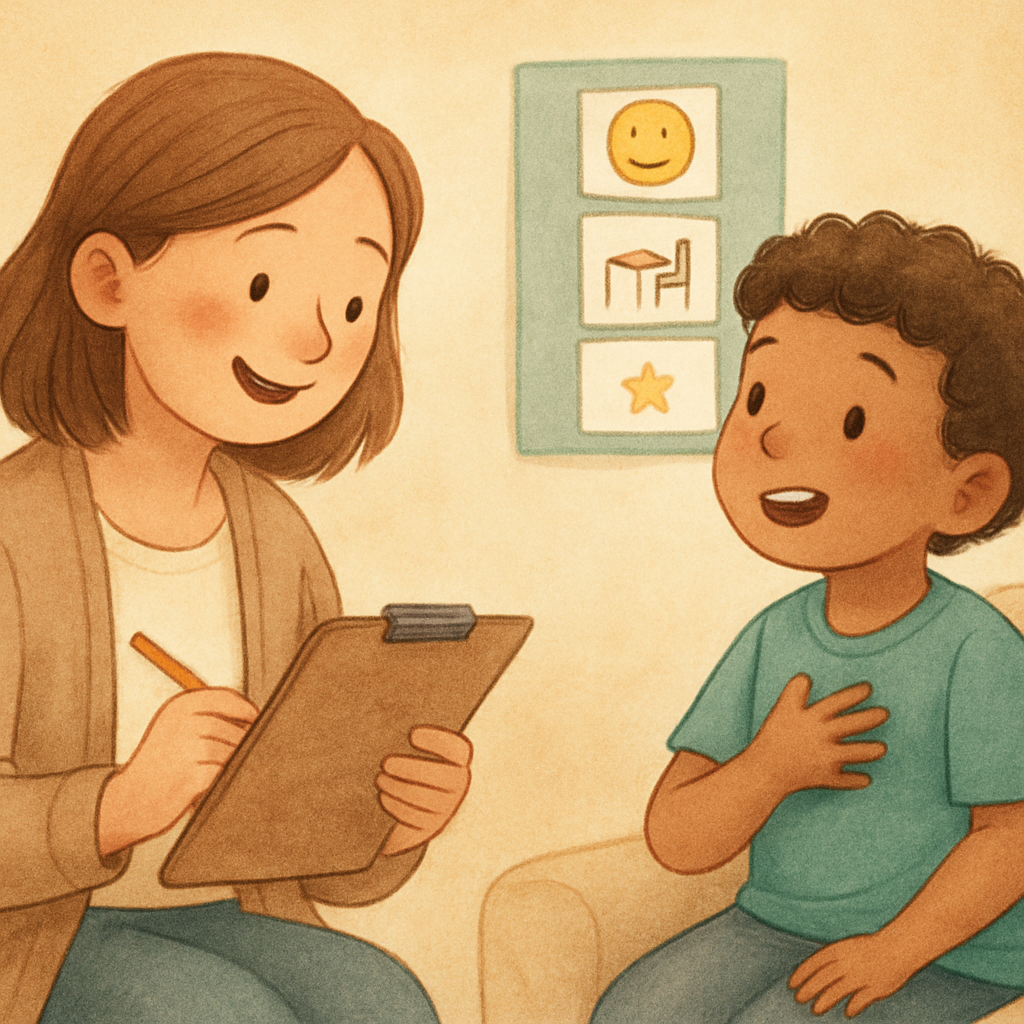
Behavioural therapy is an evidence-based approach that helps us understand and shape behaviour. For children with autism, it offers a clear framework for teaching essential skills and nurturing individual strengths.
This therapy empowers children by helping them navigate social situations, daily routines, and communication challenges with more confidence, supporting their language development. Therapists break down complex tasks into manageable steps, guiding children toward their goals.
The ultimate goal is to foster independence and improve quality of life by providing practical skills. Therapy isn’t about changing your child—it’s about equipping them with tools and strategies to engage with the world confidently.
Key Principles of Behavioural Therapy Approaches
Many behavioural therapy approaches, including Applied Behaviour Analysis (ABA), are built on a few key principles. The most central of these is positive reinforcement. This strategy involves rewarding a desired behaviour with something the individual values in natural settings, which makes them more likely to repeat that behaviour in the future. The reward could be praise, a favorite toy, or a fun activity.
Another foundational concept is understanding the "A-B-Cs" of behaviour within the framework of ABA principles. This model helps therapists and parents identify what triggers a behaviour and what maintains it. By analyzing these components, a behaviour change plan can be developed to teach more appropriate responses.
The A-B-C model includes:
- Antecedent: What happens right before the behaviour.
- Behaviour: The person's response or action.
- Consequence: What happens immediately after the behaviour. This structure helps create a clear path toward positive behaviour support.
How Behavioural Therapy Helps Children with Autism
Behavioural therapy can greatly benefit young children with autism by teaching practical daily living skills, including aspects of speech pathology. It focuses on increasing positive behaviours like communication and social skills, while reducing those that hinder learning and social interaction.
Therapists create personalized daar’s programs to improve attention, focus, and memory, supporting both academic success and overall well-being. The next sections will detail how therapy addresses challenging behaviours and enhances social abilities.
Addressing Challenging Behaviours and Skill Building
Behavioural therapy aims to address challenging behaviours by first understanding their causes. Identifying triggering situations is the first step for therapists, who teach children alternative ways to communicate or cope, leading to lasting change.
Therapy also builds essential skills, covering everything from self-care routines like toileting and showering to play and leisure. Skills are broken into small steps so children can learn at their own pace.
Upskilling caregivers is crucial. When parents use therapy strategies at home, they reinforce new skills throughout the day, promoting consistency and progress in everyday situations.
Improving Social and Communication Skills Through Therapy
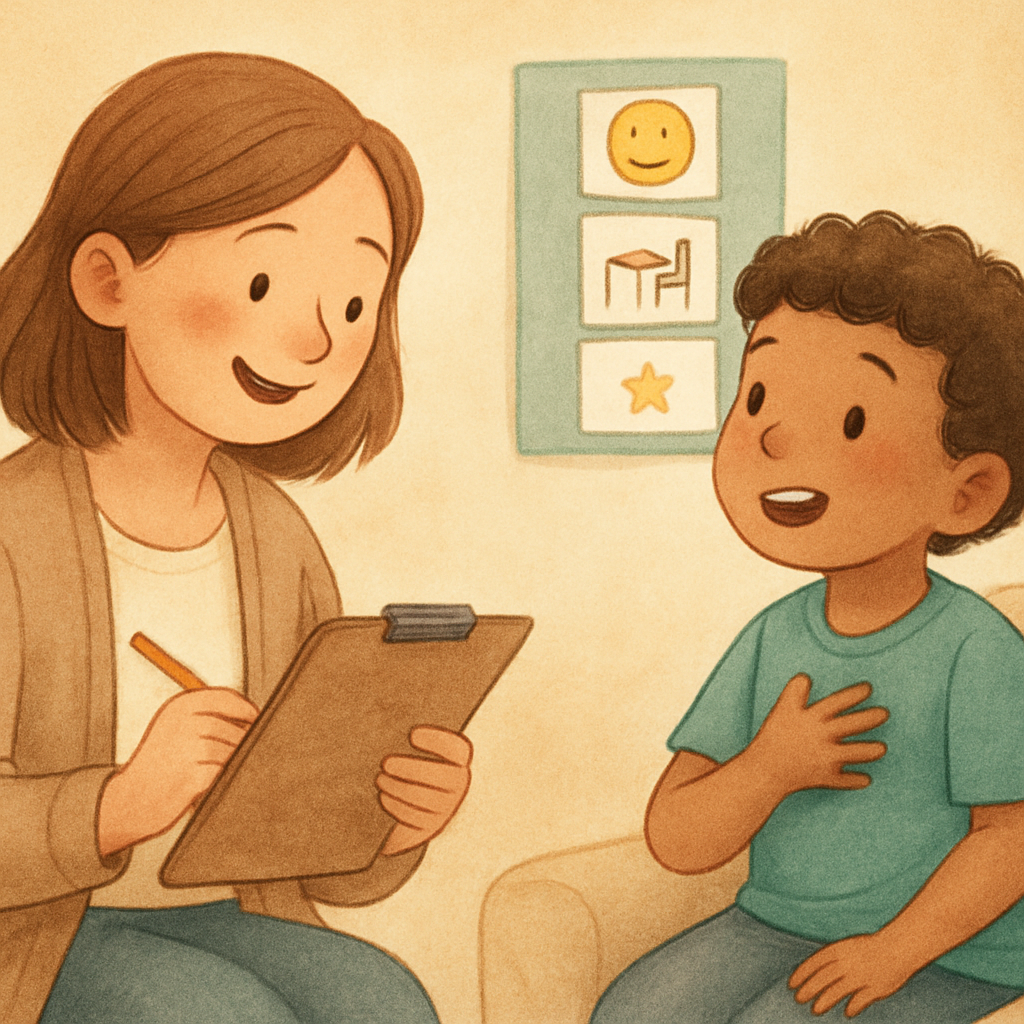
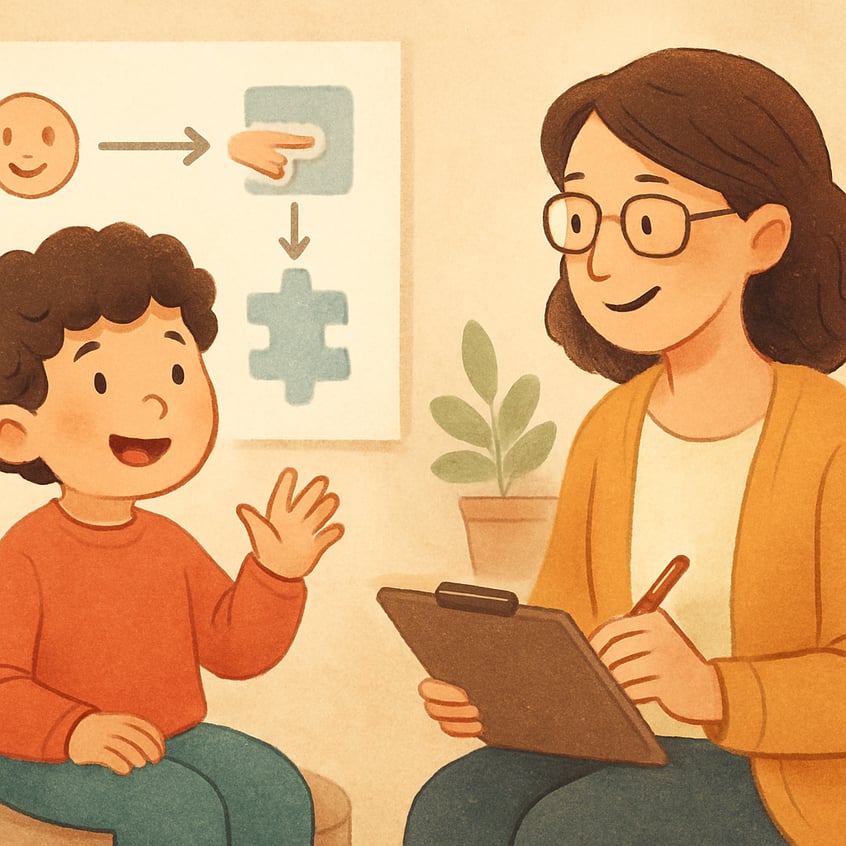
Improving social interactions and communication skills is a cornerstone of behavioural therapy for autism. Many children find it difficult to understand social cues or express their needs, and therapy, including sessions with speech therapists, provides direct instruction to help them build these abilities. Approaches like social skills training create a safe environment for children to practice interactions with peers.
Therapists may use a variety of techniques, including role-playing, group activities, and social stories, which are short narratives that explain social situations and address negative emotions. These methods help children understand others' perspectives and learn appropriate ways to respond. For non-verbal children, tools like the Picture Exchange Communication System (PECS) can be introduced to facilitate communication.
Therapy can focus on teaching specific skills such as:
- Starting and maintaining a conversation
- Understanding nonverbal cues like facial expressions
- Taking turns and sharing during play This targeted training helps children build meaningful relationships and participate more fully in social life.
Accessing Behavioural Therapy and NDIS Support in Australia
The National Disability Insurance Scheme (NDIS) is a vital resource for Australian families seeking therapy services for younger children. If behavioural therapy is deemed reasonable and necessary, NDIS funding can help your child reach their goals while giving you control over the supports you choose.
Your child’s NDIS plan may cover assessments, therapy sessions, and early intervention support. Clearly outlining your child’s needs with your support team is key to securing the right funding. Here’s how to navigate the NDIS and select the best provider for your family.
Navigating the NDIS for Funding Behavioural Therapy
Getting the right NDIS funding for behavioural therapy involves clearly linking the therapy to your child's goals, as well as tracking your child’s progress. Funding for these supports often falls under categories like "Improved Daily Living" or "Improved Relationships." When you have your plan meeting, it's important to provide evidence, such as reports from specialists, that demonstrate your child's needs.
The amount of funding can depend on your child’s level of support needs. For example, children with higher support needs may receive funding for more intensive occupational therapy sessions. Your plan should reflect the hours needed for therapy, assessments, and parent training to help your child with their daily activities.
Here is a general idea of how support intensity might align with autism levels and different interventions:
|
Autism Level |
Common Support Focus |
|---|---|
|
Level 1 |
Focus on building social skills, managing routines, and school transition support. |
|
Level 2 |
More frequent sessions covering communication support, daily living skills, and sensory regulation. |
|
Level 3 |
High-intensity supports across home, school, and community with specialist practitioners. |
Behavioural Therapy Providers—Choosing the Right Support for Your Child
Once you have NDIS funding, the next step is choosing the right behaviour therapy provider, such as those offering cognitive behavioural therapy. Look for NDIS-registered providers with qualified professionals, such as a Board Certified Behaviour Analyst (BCBA), to design and oversee your child’s program.
A strong relationship between your child and their therapist is key. A good therapist builds trust and makes sessions engaging. Ask about their approach, experience, and how they track progress.
Consider these questions when selecting a provider:
- Are therapists trained and supervised by a BCBA?
- Is therapy offered at a convenient location (clinic, home, or school)?
- How are parents and caregivers involved in the process?
Tips for Parents on Choosing Behavioural Therapy for Autism
Choosing the right therapy services is an important decision for your family, especially when considering children’s mental health. Begin by assessing your child’s needs and identifying key areas for support, such as communication, social skills, or behaviour management. Clear goals will help you find a provider who matches your priorities.
Early intervention speech therapy often leads to better outcomes, so seek support as soon as possible. Trust your instincts—an effective provider will partner with you to support your child’s psychological health and development. The following sections outline key questions to ask and emphasize the value of collaboration.
Questions to Ask When Selecting a Therapist or Provider
When meeting a potential therapist, prepare questions to help you make an informed choice. Ask about their approach to cognitive behaviour therapy and behaviour analysis, and how they will support your child, ensuring their philosophy matches your family’s values.
Inquire about therapy session structure and how it can make a meaningful impact through customization. Quality programs are tailored to each child’s skills, interests, and needs—not “one size fits all.” Ask how progress is measured and how often you’ll receive updates.
Consider these questions:
- What training and supervision do your therapists have?
- How are goals set for my child, and is parent input, as well as input from family members, included?
- How many hours of therapy per week do you offer?
- How do you address safety concerns or challenging behaviours?
Collaborating With Therapists for Better Outcomes
A strong partnership between you and your child’s therapist, alongside a supportive team, is key to achieving the best outcomes. Your insights into your child’s strengths and challenges are vital to the therapeutic process. When caregivers are included as active team members, progress is more effective and meaningful.
Therapists often train caregivers in strategies to use at home, helping reinforce skills learned in therapy during everyday routines. This collaboration ensures learning continues beyond sessions.
Working together lets you celebrate successes and tackle challenges as a team, supporting your child’s growth far beyond the therapy room and empowering them with lifelong skills.
Conclusion
In conclusion, understanding behavioural therapy for autism, like that offered by autism daar, is crucial for parents seeking the best support for their children. This comprehensive approach not only addresses challenging behaviours but also fosters social skills and communication, creating a foundation for a better quality of life. By navigating the NDIS for funding and choosing the right therapy providers, you can ensure your child receives the tailored care they need. Remember, collaboration with therapists and asking the right questions can significantly enhance therapy outcomes.
If you’re ready to explore the best options for your child, don’t hesitate to reach out for a consultation or call daar at 02 9133 2500 for guidance and support.
Frequently Asked Questions
Is behavioural therapy effective at improving social skills in children with autism?
Yes, behavioural therapy is highly effective at improving social skills and promoting behaviour change. Through techniques like social skills training, it directly teaches children how to navigate social situations, understand cues, and engage with others. The focus on positive behaviours and consistent practice helps children build confidence and make meaningful connections.
How does the NDIS help with behavioural therapy for autism?
The NDIS helps by providing funding for therapy services, including daar’s workshops, that are deemed reasonable and necessary for a child's development. This can cover assessments, therapy sessions, and parent training. This support helps families access a qualified support team to work on daily activities and achieve goals outlined in their NDIS plan.
What are the main differences between ABA and CBT for autistic children?
Applied Behaviour Analysis (ABA) primarily focuses on modifying observable behaviours through structured teaching and positive reinforcement. In contrast, Cognitive Behavioural Therapy (CBT) concentrates on changing a child's thought patterns and feelings, teaching them skills like emotional regulation and relaxation techniques to manage anxiety or negative thoughts, an approach that aligns with cognitive behavioural therapy methods.
.svg)




.svg)