
.png?width=48&height=48&name=Group%201%20(3).png)
























2 April, 2026

Device Limit-Setting Tantrums: Tips for Parents to Manage

Key Highlights
Here are the key takeaways for managing device withdrawal tantrums:
- Understand that tantrums from ending screen time are often a physiological response, not just bad behavior.
- Recognize withdrawal symptoms like intense anger, mood swings, and disinterest in other activities.
- Learn why the modern digital world, with its engaging apps and social media platforms, can affect your child's mental health.
- Discover practical strategies like using visual timers and "bridge" activities to ease the transition away from screens.
- This guide offers practical resources to help you navigate device limit-setting and restore peace in your home.
Introduction
Does the sound of a screen time timer end fill you with dread? You're not alone. Many parents face an explosion of tears and anger when it's time to put devices away. These device withdrawal tantrums can be stressful, leaving you feeling helpless. This guide is here to help you stay informed about the latest updates on why these meltdowns happen. We will explore the reasons behind this behavior in our modern digital world and offer compassionate strategies to improve your child's mental health and bring calm back to your family life.
Understanding Device Limit-Setting Tantrums in Children
Device limit-setting tantrums are the intense emotional reactions children have when you remove access to a digital device. It’s more than just disappointment; it's a physiological response that can impact their psychological health. When your child is engrossed in a game or scrolling through social media, their brain is in a high-stimulation state.
Suddenly ending screen time can feel jarring to a child’s developing brain, similar to being woken up from a deep sleep. This abrupt change is often the root cause of device withdrawal tantrums. Next, we'll look at the specific symptoms of this withdrawal and the science behind why these emotional responses occur.
What are Device Withdrawal Symptoms?
Recognizing technology withdrawal symptoms is crucial for managing them. Unlike simple frustration when playtime ends, these reactions are more intense and prolonged, indicating genuine distress as the brain adjusts from digital stimulation for sustained periods of time.
Withdrawal can temporarily impact a child’s mental health. Common symptoms include:
- Emotional Meltdowns: Crying, irritability, moodiness, or anger toward parents.
- Social Withdrawal: Pulling away from family and friends, struggling to engage offline.
- Disinterest in Other Activities: Losing interest in hobbies, homework, or play after device removal.
Understanding these signs shows your child is genuinely struggling—not just being difficult. Abruptly stopping device use can worsen symptoms; a gradual reduction works better, especially with highly engaging social media content.
Why Limiting Devices Triggers Emotional Responses
Have you ever wondered why taking away a tablet triggers such a strong emotional reaction? The answer is in brain chemistry. When kids use screens for games or social media, their brains release dopamine—the "feel-good" chemical. Cutting off screen time suddenly stops this dopamine rush, causing a crash that feels awful to your child.
This drop in dopamine often leads to mood swings and anger. A child's prefrontal cortex, which controls impulses and emotions, is still developing and can't handle the frustration from this sudden change, often resulting in meltdowns.
Many apps and games are also designed to be highly engaging, making it even harder for kids to stop using them. It's not just about willpower—you're dealing with powerful algorithms that have a meaningful impact on their screen time habits. Understanding these biological responses can help you manage screen time with more empathy and practical strategies.
Technology Withdrawal and Its Impact on Child Behavior
Repeated technology withdrawal can noticeably affect a child’s behavior and mental health. The cycle of overstimulation followed by sudden withdrawal often causes mood swings and irritability, even without device use. This strains family relationships and makes emotion regulation harder in other situations.
Over time, frequent withdrawal tantrums can hinder social skills and academic performance, while struggling to transition from screens impacts focus at school and the ability to learn new skills and interest in other activities. Let’s explore whether this behavior signals addiction and its effects on emotional development.
Is Technology Withdrawal Linked to Addiction?
While gadget separation distress can be a symptom of problematic technology use, it doesn't automatically mean your neurodivergent children have an addiction. It's a common reaction even in children with otherwise healthy screen habits. The distress is largely related to the brain's response to a sudden drop in dopamine. However, it's important to be aware when the behavior crosses a line.
If the negative consequences of technology use start to interfere with daily life, it may be time to reassess. This includes disruptions to sleep, schoolwork, or family relationships. Modern video games with features like loot boxes and endless social media use are engineered to keep users engaged, which can blur the line between healthy fun and dependency in their graduate program or everyday life.
Consider the difference between typical use and problematic use.
|
Healthy Use |
Problematic Use |
|---|---|
|
Balances screen time with other activities. |
Neglects homework, chores, or social events for screens. |
|
Can stop using devices when time is up, with some disappointment. |
Experiences intense rage or anxiety when asked to stop. |
|
Uses technology for connection and entertainment. |
Shows a loss of interest in all non-digital activities. |
Effects of Frequent Device Separation on Emotional Growth
Frequent, stressful separation from devices can hinder a child’s emotional development. The cycle of dopamine highs from screens followed by crashes makes it hard for kids to learn emotional regulation, leading them to rely on screens to manage their feelings, often masking real stories of their true emotional challenges.
This dependence on cell phones can impact long-term growth. Kids who struggle with device separation miss chances to build real-world social skills—like face-to-face interaction, imaginative play, and even boredom—all essential for resilience and emotional intelligence. Excessive screen time limits these experiences.
If a child regularly melts down when a device is removed, they aren’t learning how to handle disappointment or transition smoothly between activities critical for child development. Over time, this affects their ability to cope with everyday frustrations, relationships, and overall well-being.
Identifying Signs of Device Separation Anxiety
Device separation anxiety is the intense distress a child feels when away from their phone or tablet. Unlike other anxiety disorders, the focus is on the device itself. Children may become agitated or irritable as screen time ends—a sign of anticipatory anxiety.
This is common with heavy phone usage and social media engagement, driven by the dopamine rush devices provide. Recognizing these signs is crucial for parents. Below, we’ll explain how to distinguish this from general anxiety and what behaviors to watch for.
Differentiating Device Anxiety from General Childhood Anxiety
It's important to distinguish between device separation anxiety and other forms of childhood anxiety disorders that can start at a young age. While both can affect a child's mental health, the trigger is different. General anxiety might be related to school, social situations, or family changes, whereas device anxiety is specifically linked to the absence of a screen.
A key difference is the context. A child with general anxiety may feel worried in various settings, while a child with device anxiety feels most distressed when a device is removed or unavailable. The physiological response, like a racing heart or sweating, might be similar, but the cause is distinct.
Here’s how to tell the difference:
- The Trigger: Is the anxiety present only when a device is taken away or denied?
- The Focus: Does your child’s distress revolve around getting the device back?
- Behavior in Other Situations: Is your child generally happy and engaged in social interaction when screens are not a factor?
- Resolution: Does the anxiety subside once the device is returned or the promise of its return is made?
Recognizing Common Gadget Separation Distress Behaviors
Gadget separation distress can manifest in several challenging behaviors that go beyond simple disappointment. These device withdrawal tantrums are often a clear signal that your child is struggling. Recognizing these behaviors can help you address the root cause rather than just reacting to the outburst.
These reactions can have negative consequences on family dynamics and a child's development of social skills. Some common distress behaviors include:
- Explosive Anger: This can involve immediate screaming, hitting, or throwing objects when a device is taken away.
- Persistent Bargaining: A child might desperately beg or try to negotiate for "just five more minutes," unable to accept that screen time is over.
- Severe Mood Swings: You might see your child go from happy and engaged to sullen or depressed within seconds of the screen being turned off.
If these behaviors are frequent and intense, it may be helpful to consider strategies from behaviour therapy to teach healthier coping mechanisms.
Practical Steps for Parents to Reduce Technology Withdrawal Distress
The most effective way to manage device withdrawal tantrums is to prevent them from happening in the first place. By taking a proactive approach, you can significantly reduce the stress associated with ending screen time and encourage physical activities. This involves creating clear expectations and helping your child's brain transition more smoothly from the digital world to the real world.
Our goal is to upskill caregivers with practical resources and strategies, including daar’s workshops. With early intervention support and a supportive team, you can handle these situations with confidence. The following sections will provide concrete steps, from preparing your child for screen time limits to using positive reinforcement.
Preparing Children for Screen Time Limits
Setting clear expectations before screen time helps with smoother transitions. Young children often struggle to understand abstract time concepts, especially when absorbed in a game, and speech therapists can assist in this area. Visual aids make time more concrete and predictable.
A visual timer—like a sand timer or clock with a disappearing color disk—lets your child see how much time remains. This makes the ending less abrupt and reduces meltdowns.
Tips to prepare your child:
- Give Warnings: Offer countdowns at 10, 5, and 1-minute marks so they can wrap up.
- Establish Clear Rules: Set tech-free zones and times, such as no screens during meals or before bed. Consistency is key.
- Prioritize Healthy Activities: Allow screen time only after important tasks like homework or chores are done.
Positive Reinforcement and Alternative Activities
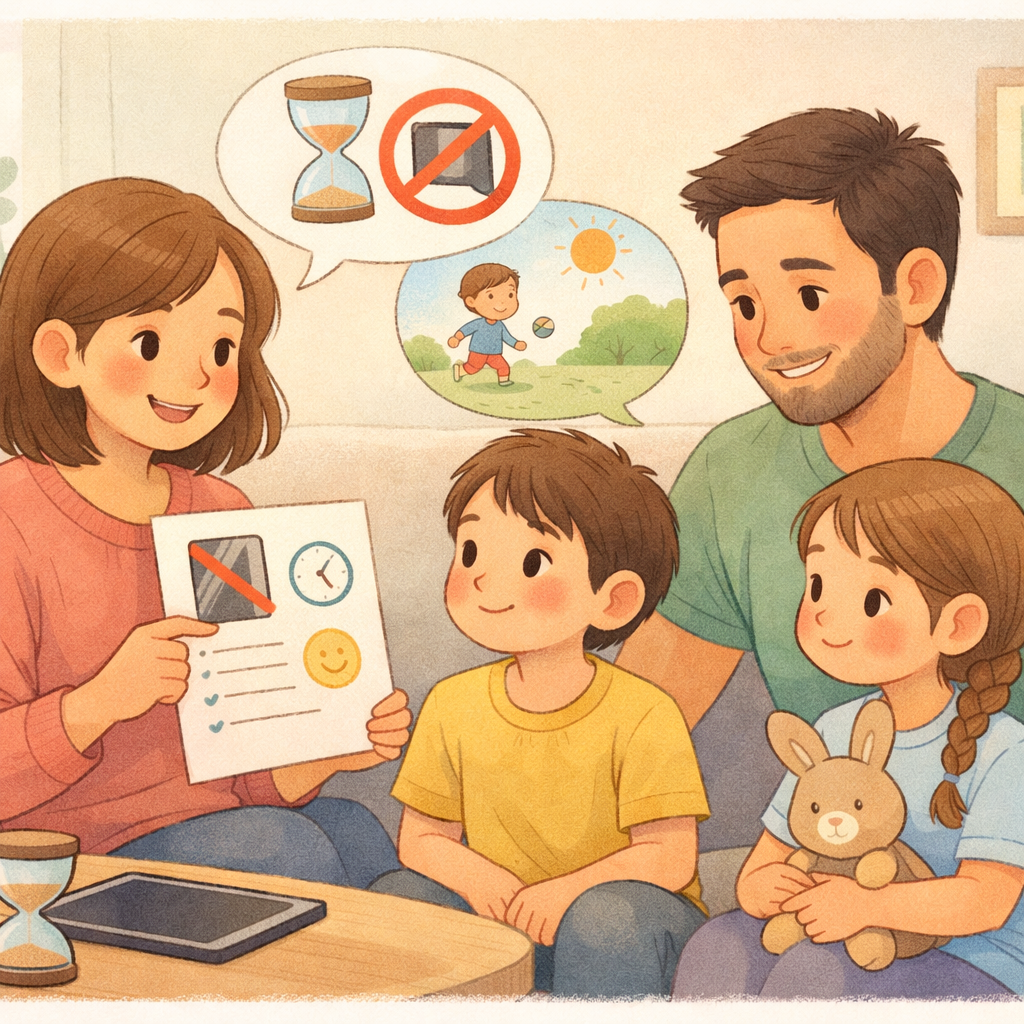
Positive reinforcement can improve your child’s behavior around device limits. Instead of punishing, reward your child for transitioning away from screens without a tantrum—through praise, a small treat, or extra playtime during family time. This teaches that following rules brings positive outcomes.
Offer engaging alternative activities to ease the transition. Moving from a stimulating game to something boring often leads to conflict. Use a "bridge" activity—something physical or sensory—to give their brain a new focus and make a meaningful difference by filling the dopamine gap left by screens.
Try these alternatives:
- Physical Breaks: Jumping jacks or a walk.
- Creative Outlets: Crafts, building blocks, or puzzles.
- Quality Time: Family board games or reading together.
These strategies can help significantly. If challenges continue, therapy services may provide additional support.
Conclusion
Managing device limit-setting tantrums is a challenging but essential part of modern parenting. Recognizing signs of tech withdrawal and understanding your child’s emotions helps you respond with empathy and effective strategies. Prepare children for screen time limits, use positive reinforcement, and offer alternative social activities to build healthier tech habits. The goal is to balance boundaries with emotional growth.
For personalized guidance, reach out for a consultation or call daar at 02 9133 2500 with our parenting experts.
Frequently Asked Questions
How can parents calmly manage tantrums from gadget separation?
Stay calm and validate your child’s feelings regarding their cell phone use while holding the boundary. Say, "I know you're upset, but screen time is over." Your calm presence is essential. Improving your communication skills can de-escalate device withdrawal tantrums. If the behavior persists, seeking early intervention from a mental health professional can provide additional practical skills.
Is device limit-setting handled differently in Australian schools and homes?
Yes, approaches can differ. Many Australian schools have strict no-phone policies or use student placement programs to manage devices and improve academic performance. At home, parents often create personalized rules around screen habits to fit their daily living routines. Both settings may use principles of behaviour therapy to encourage balanced technology use.
Why do children’s tantrums sometimes worsen when device time is restricted?
Tantrums can worsen because restricting screen time triggers a physiological response—a sudden drop in dopamine that feels uncomfortable. This can cause intense mood swings. Going "cold turkey" may lead to more severe tantrums, as a child learns that a bigger tantrum gets them more screen time; the behavior will escalate. A consistent family media plan helps manage these device withdrawal tantrums.
.svg)




.svg)