
.png?width=48&height=48&name=Group%201%20(3).png)























7 April, 2026

Your Guide on How to Get Started with Behaviour Therapy

Key Highlights
- Behaviour therapy is a practical approach that helps change learned behaviour patterns to improve your mental health.
- It focuses on identifying and modifying unhealthy or self-destructive actions by addressing current problems.
- Therapy is action-oriented, involving goal-setting and learning new coping skills to manage challenges.
- This approach is effective for a range of conditions, including anxiety, depression, and phobias.
- The goal is to empower you with tools to build healthier habits and a better mindset.
Introduction
Are you searching for practical ways to manage your mental health and improve your daily life? Cognitive therapy and behaviour therapy provide a structured and effective path to address various psychological challenges. This type of therapy helps you understand and change negative behaviour patterns that may be holding you back. By focusing on actionable steps, behavioural therapy equips you with the tools to build a healthier mindset. This guide will explain the core principles of behaviour therapy, its different forms, including cognitive therapy, and how it can help you today.
Who Can Benefit from Behaviour Therapy
Behaviour therapy can be a powerful tool for anyone looking to make positive changes in their life. It's not just for those with a diagnosed mental health condition; it can also provide a strong evidence base for individuals to develop better coping skills and improve their overall quality of life. The focus is on practical strategies to address current problems.
If you struggle with specific unwanted behaviours or feel stuck in negative patterns, this approach could be right for you. By learning new skills and changing how you respond to situations in different ways, you can work toward a healthier and more fulfilling life. The different types of therapy available ensure a tailored approach to your unique needs.
Common Problems Addressed by Behaviour Therapy
Behaviour therapy is highly effective for many behavioural and mental health issues, including emotional challenges. It uses targeted strategies to help you manage challenges by changing your actions and reactions, focusing on learning healthier behaviours.
This approach works especially well for anxiety-related conditions, such as social anxiety, compulsive disorders, and panic attacks, and is grounded in principles of classical conditioning. Therapy provides tools to face fears in a controlled way and helps process trauma or manage PTSD symptoms.
Other problems addressed include:
- Depression
- Phobias
- Substance abuse
- Eating disorders
- Bipolar disorder
Behaviour Therapy for Different Age Groups
Behaviour therapy is tailored for different age groups, from children to adults. For children, especially those with autism, Applied Behaviour Analysis (ABA therapy) helps build social and daily living skills. Early intervention supports core communication and development.
Common therapy approaches include:
|
Therapy Approach |
Focus Area |
|---|---|
|
Applied Behaviour Analysis (ABA) |
Improving communication and reducing problem behaviours |
|
Cognitive Behaviour Therapy (CBT) |
Changing behaviour patterns by linking thoughts and actions |
|
Speech Therapy |
Addressing communication and speech difficulties |
|
Positive Behaviour Support |
Teaching new skills and reducing harmful behaviours |
Signs Behaviour Therapy May Be Right for You
Wondering if behaviour therapy, a type of psychotherapy, is right for you? Recognizing the need is the first step. If negative thoughts consistently impact your mood or actions, therapy can help you challenge and reframe them.
Behaviour therapy, based on principles like operant conditioning, is especially effective when specific behaviours disrupt daily life—like avoiding social situations or engaging in compulsive habits. The focus is on practical solutions to regain control and improve well-being.
Consider behaviour therapy if:
- You struggle with phobias or intense fears.
- You feel overwhelmed and lack coping skills.
- Your relationships suffer due to your behaviour.
- You have anxiety, depression, or another diagnosed mental health condition.
What to Expect in Your First Behaviour Therapy Session
Your first behaviour therapy session is all about getting to know you and understanding your concerns related to your mental health treatment. A mental health professional will ask detailed questions to accurately assess your situation and begin formulating a treatment plan. This initial meeting is a collaborative effort, where you can openly share what you hope to achieve.
You won't be jumping into intense exercises like exposure therapy right away. Instead, the focus will be on building a foundation of trust and outlining your goals. Your therapist will explain how approaches like cognitive behavioural therapy work, including systematic desensitization, and how they can be tailored to your needs, setting a clear path for your journey ahead.
Preparation and Mindset
Preparing for your first therapy session with the right mindset can make a big difference. Before your appointment, consider your goals and what you hope to achieve—this helps your therapist support you effectively. Change happens gradually, so stay open to the process.
View therapy as a collaborative effort, not a quick fix. You'll be actively involved in learning techniques like acceptance and commitment therapy, cognitive restructuring, or relaxation to manage challenges. A willing attitude ensures you get the most from each session.
To prepare:
- Write down key concerns or behaviours to address.
- Think about what a successful outcome looks like for you.
- Be ready to be honest and open with your therapist.
Structure of a Typical Session
A typical behaviour therapy session is structured and goal-oriented, focusing on various behavioural issues. Sessions usually start with a check-in to review your progress and discuss any homework, such as thought tracking or practicing new skills.
The main part of the session focuses on actionable techniques tailored to your goals. This may include behaviour analysis, role-playing, or exercises to challenge core beliefs. The approach is collaborative, keeping you actively involved in your treatment.
At the end, you and your therapist summarize the discussion and set tasks for the coming week. These assignments help reinforce what you've learned and support ongoing progress.
Setting Goals and Tracking Progress
Clear, collaborative goal setting is central to behaviour therapy. At the start of treatment, you and your therapist define specific, measurable, and realistic goals to guide your sessions and tailor the plan to your needs.
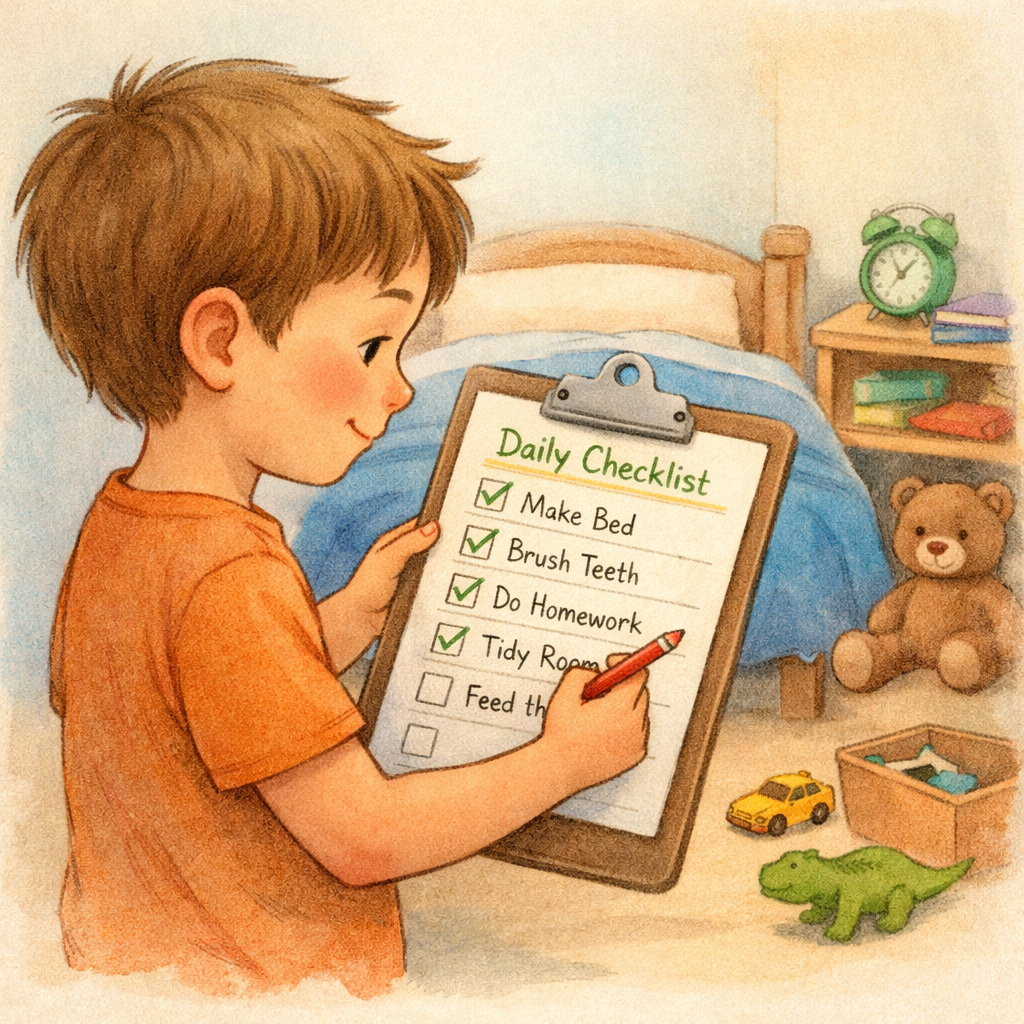
Progress tracking is equally important. Throughout therapy, you'll regularly monitor changes using checklists, journals, or rating scales. This data-driven feedback helps identify what’s working and what isn’t.
Continuous feedback allows your therapist to adjust strategies as needed. Monitoring progress keeps therapy on track and empowers you by making improvements visible and tangible.
Essential Tools and Resources for Getting Started
Getting started with behaviour therapy involves more than just finding a therapist. Many essential tools and resources can support your journey. Self-help materials, online tools, and building strong support systems are all vital components that can enhance the effectiveness of your therapy.
These resources can help you practice new skills between sessions and provide encouragement when you need it most. From finding a qualified behaviour therapist or speech therapists through local health services to involving your family for extra support, having a well-rounded toolkit will empower you to make lasting changes. Let's explore some of these key resources.
Finding a Qualified Behaviour Therapist in Australia
Finding the right behaviour therapist is a crucial first step. In Australia, you can start by asking your general practitioner (GP) for a referral. A GP can often recommend a trusted mental health professional who specializes in the types of therapy that would be most beneficial for you. This ensures you connect with a registered professional from the start.
Another great option is to search online directories provided by professional organizations. Bodies like the Australian Psychological Society (APS) and the Australian Association of Social Workers (AASW) have searchable databases of accredited therapists. This allows you to find qualified professionals in your area and review their specializations.
When looking for a therapist, consider these steps:
- Check their qualifications and ensure they are a registered professional.
- Ask about their experience with the specific issues you are facing.
- Look for someone whose approach aligns with your personal preferences.
Self-Help Materials and Online Tools
While working with a therapist is highly recommended, you can supplement your journey with various self-help materials and online tools that address traumatic experiences. These resources can help you practice coping skills and reinforce what you learn in sessions. Many apps and websites offer guided exercises based on cognitive behavioural therapy principles.
These tools are designed to be accessible and easy to use, allowing you to work on your mental health at your own pace. For instance, you can find guided meditations, mood trackers, and digital journals that help you apply strategies like relaxation techniques in your daily life. They are a great way to stay engaged with your progress between appointments.
Some helpful self-help resources include:
- Apps that teach CBT and mindfulness skills.
- Workbooks on topics like anxiety or self-esteem.
- Online articles and blogs from reputable mental health organizations.
- Guided videos for relaxation and breathing exercises.
Support Systems and Family Involvement
Having strong support systems is essential for making lasting behavioural changes. Family involvement, in particular, can make a significant difference, especially for children and adolescents. When parents and caregivers are trained in behavioural techniques, they can reinforce positive behaviours at home, creating a consistent environment for growth.
The principles of social learning theory suggest that we learn by observing others. By involving family, you create a supportive network where everyone is working toward the same goals. This collaboration strengthens relationships and provides a stable framework for managing challenges. The level of family involvement can be tailored to individual needs to ensure the best outcome.
To build a strong support system, consider:
- Inviting family members to certain therapy sessions, if appropriate.
- Educating loved ones about your goals and how they can help.
- Joining a support group with others facing similar challenges.
Step-by-Step Guide to Starting Behaviour Therapy
Starting cognitive behavioural therapy can feel like a big step, but breaking it down into a simple, step-by-step guide makes it much more manageable. The journey begins with self-reflection and moves toward taking concrete action. By focusing on small steps, you can build momentum and confidence as you work on your mental health.
From identifying your goals to selecting the right therapist and engaging in sessions, each step is designed to move you closer to your desired outcome. This structured approach helps demystify the process and empowers you to take control of your well-being. The following steps will guide you on how to get started.
Step 1: Identifying Your Goals and Challenges
The first and most important step in starting behaviour therapy is identifying your goals and challenges. Take some time for honest self-reflection. What specific behaviours or thought patterns do you want to change? What challenges are holding you back from living the life you want? Writing these down can bring clarity.
This process is about understanding your individual needs, especially if you are on the autism spectrum. Are you struggling with anxiety in social situations, or do you find it hard to manage your anger? A bit of behaviour analysis on your own can be helpful here. Think about the situations that trigger your unwanted behaviours and how they impact your mental health.
Goal setting is not about being perfect; it's about defining a clear direction for your therapy. Your goals can be simple, such as "I want to feel less anxious when meeting new people," or more complex. This initial groundwork will be invaluable when you start working with a therapist, as it provides a solid foundation for your treatment plan.
Step 2: Selecting the Right Approach and Therapist
Once you have a clearer idea of your goals, the next step is selecting the right therapeutic approach and behaviour therapist. There are many different types of therapy, including those that focus on enhancing social skills, and the best one for you will depend on your specific challenges. For example, if you struggle with intense emotions, might be a good fit.
Researching different therapists is key. Look for a professional who specializes in the area you need help with. Don't hesitate to schedule a brief consultation call to see if you feel a good connection. The relationship with your therapist is a critical part of the process, so finding someone you trust and feel comfortable with is important.
When choosing a therapist, consider the following:
- Their experience with specific approaches like applied behaviour analysis or CBT sessions.
- Their qualifications and professional registrations.
- Practical factors like location, availability, and cost.
Step 3: Preparing for Your First Session
With a therapist selected, your next step is preparing for your first therapy session. Good preparation can help ease any nervousness and ensure you get the most out of this initial meeting. Gather any notes you made about your goals and challenges, as this will help guide the conversation.
It's also helpful to think about any questions you might have for the therapist. You could ask about their approach, what a typical treatment plan looks like, or how they measure progress. Remember, this session is a two-way street—it's as much about you interviewing them as it is about them getting to know you.
Before your appointment, you might also practice some simple relaxation techniques, like deep breathing, to calm any anxiety and reduce any potential physical symptoms. The goal is to walk into your first session feeling as open and ready as possible to start applying new strategies to your real life. This proactive mindset sets a positive tone for your therapeutic journey.
Step 4: Engaging in Sessions and Applying Strategies
The core of behaviour therapy is actively engaging in your sessions and applying the strategies you learn to foster lasting behavioural changes. This is where the real work of change happens. During your appointments, be an active participant. Ask questions, share your experiences honestly, and be open to trying new skills and techniques.
Your therapist will introduce you to various strategies based on your goals. This might include cognitive behavioural therapy exercises to challenge negative thoughts, or gradual exposure therapy to face your fears, which is often considered the "gold standard" in therapy approaches. Positive reinforcement is another key tool, where you'll learn to reward yourself for making progress and adopting healthier behaviours.
The most important part of this step is applying what you learn outside of your sessions. Therapy provides the tools, but you are the one who has to use them in your daily life. Practicing new skills consistently is what turns them into lasting habits and creates meaningful, long-term change.
Step 5: Monitoring Progress and Adjusting as Needed

The final step in the process is continuously monitoring your progress and being open to adjustment. Behaviour therapy is not a rigid process; it's a dynamic one that evolves with you. Regularly checking in on your goals helps you see how far you've come and keeps you motivated.
Your therapy session is a great time to discuss your progress with your therapist. This ongoing monitoring allows both of you to assess whether the current treatment plan is effective. If something isn't working, don't be discouraged. This is valuable information that can be used to make an adjustment to your approach.
To effectively monitor your journey, you can:
- Keep a journal to track your behaviours, thoughts, and feelings.
- Use rating scales to measure changes in symptoms like anxiety or mood.
- Celebrate small wins to stay motivated and recognize your hard work.
Conclusion
In conclusion, embarking on the journey of behaviour therapy can be transformative for anyone looking to address personal challenges and improve their mental well-being. By understanding human behaviour and what to expect in your first session and following the step-by-step guide to starting therapy, you can set yourself up for success. Remember, the process may require patience and persistence, but the benefits of gaining insight, developing coping strategies, and fostering positive changes in your life are invaluable.
If you're ready to take the next step and want more personalized guidance, don’t hesitate to get a consultation or call daar at 02 9133 2500 with a qualified behaviour therapist today. Your path to a better you starts here!
Frequently Asked Questions
Can I start behaviour therapy on my own, or do I need a therapist?
While self-help materials and cognitive behaviour therapy apps can be useful starting points, working with a qualified mental health professional is highly recommended for behaviour therapy to address a range of mental health conditions. A therapist can provide a personalized plan, offer guidance during a therapy session, and ensure you are using techniques safely and effectively for the best results.
How long does it take to see results from behaviour therapy?
The timeline for seeing results from behaviour therapy varies for each person. It depends on your individual goals, the complexity of the issues, and your commitment to the treatment plan. Many people start to notice progress in a few weeks or months by taking small steps and consistently applying cognitive behavioural therapy techniques.
Are there any tips for making behaviour therapy more effective?
To make therapy more effective, especially for those dealing with chronic pain, actively practice the coping skills you learn between sessions. Build strong support systems with family and friends, and use positive reinforcement to celebrate your progress. Clear goal setting and a strong commitment to the process are also crucial for achieving lasting change.
.svg)




.svg)