
.png?width=48&height=48&name=Group%201%20(3).png)























6 February, 2026

The Screen Time Battle: Managing Gadget Separation Distress in Kids
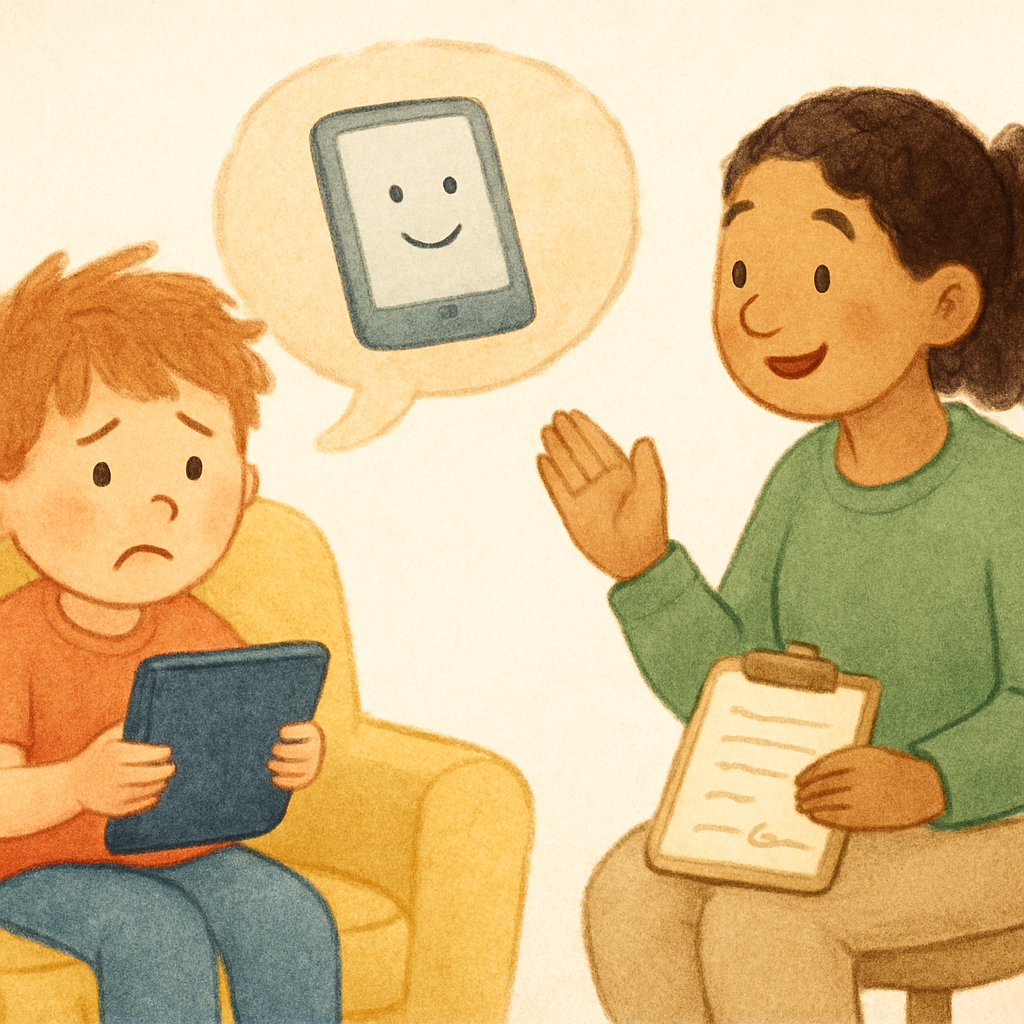
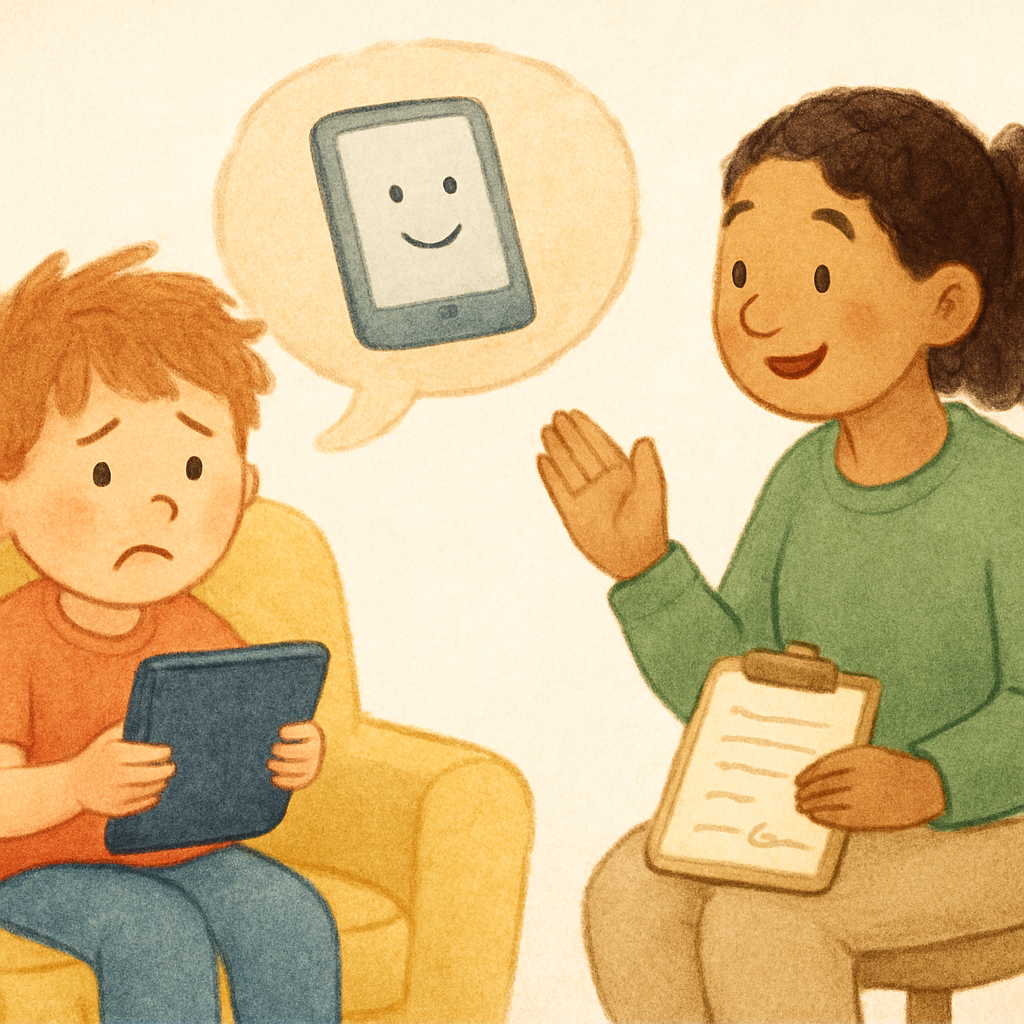
It is a scenario familiar to almost every modern parent. Your child is sitting quietly, mesmerized by a tablet or glued to a video game. The house is peaceful. Then, the timer goes off. You say, "Time’s up," and reach for the device.
Suddenly, the peace is shattered. The screaming starts, the device is clutched to the chest, or perhaps it is thrown across the room. You are witnessing gadget separation distress in real-time.
In today’s digital age, screens are an integral part of learning and entertainment. However, the transition away from the screen is becoming one of the biggest flashpoints in family life. If you are dealing with anger when gadgets are taken away, you are not alone. This guide will help you understand the psychology behind the meltdown and provide practical strategies to handle technology withdrawal behavior effectively.
What is Gadget Separation Distress?
Gadget separation distress refers to the intense emotional and physical reaction a child experiences when their access to a digital device is removed. While it mimics the symptoms of traditional separation anxiety, the attachment here is to the dopamine hit provided by the screen rather than a caregiver.
When a child is gaming or watching fast-paced videos, their brain is flooded with dopamine—the "feel-good" chemical. When you take the device away, those dopamine levels drop specifically and suddenly. The result? A physiological crash that feels awful to the child, often manifesting as device withdrawal tantrums.
Recognizing Technology Withdrawal Behavior
It is important to distinguish between a child who is simply disappointed that playtime is over and a child experiencing genuine withdrawal. Technology withdrawal behavior can look like:
- Explosive Anger: Immediate screaming, hitting, or throwing objects.
- Bargaining and Begging: Desperate attempts to get "just five more minutes."
- Physical Symptoms: Shaking, sweating, or becoming flushed.
- Mood Swings: Going from happy to sullen or depressed within seconds of the screen turning off.
- Disinterest in Other Activities: Refusing to play outside, eat, or engage with family because they are fixated on the device.
Why Do They Get So Angry When Gadgets Are Taken Away?
Understanding the "why" can help parents keep their cool during a meltdown. When you see anger when gadgets are taken away, it is rarely a personal attack on you.
1. The "Flow State" Interruption
Video games and apps are designed to induce a "flow state"—a zone of total immersion. Being pulled out of this state abruptly is jarring. Imagine being shaken awake from a deep sleep; your brain needs time to recalibrate to reality.
2. Lack of Impulse Control
The prefrontal cortex, the part of the brain responsible for regulating emotions and controlling impulses, is not fully developed in children. When the "pleasure center" of the brain (stimulated by the screen) is suddenly cut off, the undeveloped prefrontal cortex cannot handle the surge of frustration, leading to device withdrawal tantrums.
3. The Design of the Tech
Modern apps are engineered to be addictive. Infinite scrolls, auto-play videos, and loot boxes are designed to keep users engaged. You aren't just fighting your child’s will; you are fighting algorithms designed by behavioural psychologists to keep eyes on the screen.
Strategies to Manage Device Withdrawal Tantrums
Managing gadget separation distress requires a combination of preparation, clear boundaries, and empathy. Here is how to smooth the transition from the digital world to the real world.
Establish Clear "Tech-Free" Zones and Times
Ambiguity breeds anxiety. If screen time is random, the child will always hope for more. Set clear rules:
- No screens during meals.
- No screens one hour before bed.
- Screens are only available after homework/chores are done.
Use Visual Timers
Abstract concepts like "10 minutes" mean very little to a young child, especially when they are hyper-focused on a game. Use a visual timer (like a sand timer or a clock with a disappearing red disk) so they can see time running out. This prepares the brain for the transition.
The "Bridge" Activity
Going from high-stimulation gaming to a boring task (like brushing teeth) is a recipe for disaster. Create a "bridge" activity—something physical and sensory—to help them transition.
- Example: "When the timer goes off, we are going to have a jumping jack contest" or "We are going to have a snack."
This helps bridge the dopamine gap.
Give Warnings, Not Ultimatums
Give a 5-minute warning, a 2-minute warning, and a 1-minute warning. This allows the child to finish their level or pause the video mentally, reducing the shock of technology withdrawal behavior.
Validate the Feeling
When the anger comes, validate it.
"I know you are furious. That game was so much fun, and it is really hard to stop. But screen time is over."
Acknowledging their feelings can sometimes diffuse the intensity of the anger when gadgets are taken away.
Conclusion
Navigating the digital landscape is one of the hardest challenges for modern parents. Gadget separation distress is real, and it is exhausting. However, by understanding that device withdrawal tantrums are a physiological response to a change in brain chemistry, we can approach the situation with more patience and strategy.
You are not the enemy for taking the device away; you are the parent ensuring your child has a balanced, healthy life. By implementing clear boundaries, using bridge activities, and remaining consistent in the face of technology withdrawal behavior, you can help your child develop a healthier relationship with technology.
Our team specializes in child behaviour and digital wellness. Contact us today to book a consultation or call daar at 02 9133 2500 and restore peace to your home.
Frequently Asked Questions (FAQ)
Is gadget separation distress a sign of addiction?
Not necessarily. While it can be a symptom of problematic media use, distress upon removal is common even in children with healthy screen habits. It largely relates to the sudden drop in dopamine. However, if the distress interferes with daily life (sleep, school, eating), it may be time to reassess their usage.
Should I stop screen time completely if my child has meltdowns?
Going "cold turkey" can sometimes backfire, causing more intense rebellion. Instead, focus on reducing duration and improving the quality of content. Slower-paced educational shows tend to cause less withdrawal distress than high-speed, flashing video games.
My child hits me when I take the iPad. What should I do?
Safety is the priority. If anger when gadgets are taken away turns physical, you must hold a firm boundary. "I will not let you hit me. I am putting the device away in a safe spot, and we can talk when you are calm." Do not return the device until the behaviour is addressed, and consider a longer break from screens to reset.
.svg)




.svg)