
.png?width=48&height=48&name=Group%201%20(3).png)























8 April, 2026

Recognizing Symptoms of Gluten Sensitivity in Kids Early
Key Highlights
- Gluten sensitivity and celiac disease can cause various symptoms in children, from digestive issues to skin rashes.
- Celiac disease is an autoimmune condition where the immune system attacks the small intestine when gluten is consumed.
- Common digestive symptoms include stomach pain and diarrhea, while non-digestive signs can involve fatigue and mood swings.
- It's crucial not to remove gluten from your child’s diet before seeking a proper diagnosis from a healthcare professional.
- A proper diagnosis helps differentiate between gluten sensitivity, celiac disease, and a wheat allergy.
Introduction
Have you ever wondered if your child’s stomach troubles could be more than just a passing bug? If foods like bread or pasta seem to cause digestive problems and discomfort, it might be a sign of gluten sensitivity. This condition is a reaction to gluten, a protein found in many common grains. For some children, it's a non-celiac gluten sensitivity, while for others, it's celiac disease, where the immune system attacks the small intestine. Recognizing the early signs is the first step toward getting your child the right support.
Understanding Gluten Sensitivity in Children
Gluten sensitivity in children can manifest in various ways, often making it tricky to pinpoint. The condition involves a negative reaction to gluten, but it's different from celiac disease because it doesn't always involve the same severe autoimmune response or damage to the small intestine. In some cases, children who are gluten sensitive may experience symptoms that require careful attention.
Understanding your child’s symptoms is the key to identifying the problem. Symptoms can appear at any age, often within months of introducing gluten into their diet, and can range from digestive upset to behavioural changes. Let's look closer at what gluten is and why it might affect your child’s quality of life.
What Is Gluten and Why Might It Affect Kids?
Gluten is a protein found in wheat, barley, and rye. It’s common in foods like bread, pasta, cereals, and baked goods. While most kids can eat gluten without problems, some may have adverse reactions. Reading food labels is essential for identifying gluten-containing ingredients.
These reactions are called gluten intolerance. In celiac disease, the immune system attacks the small intestine. Non-celiac gluten sensitivity causes symptoms too, but through a different immune response.
Both conditions can cause digestive issues like stomach pain and diarrhea. If nutrient absorption is affected, it may lead to weight loss or poor growth over time.
Is Gluten Bad for Kids? Examining the Risks
For most children, gluten is a normal part of a balanced diet and not harmful. However, for those with gluten sensitivity, celiac disease, or a wheat allergy, eating small amounts of gluten can cause health problems. These conditions differ: wheat allergy is an allergic reaction; celiac disease is an autoimmune disorder.
If your child has one of these issues, gluten may trigger symptoms like digestive upset, skin rashes, poor growth, or weight loss. The symptoms of celiac disease can also include these issues. In celiac disease, it can damage the small intestine and lead to long-term complications.
If you suspect a problem, consult a doctor before removing gluten from your child’s diet. A healthcare professional can diagnose the issue and help create a safe eating plan.
Common Early Symptoms of Gluten Sensitivity
Identifying the early symptoms of gluten sensitivity is key to getting your child the help they need. The signs of gluten intolerance can vary widely, affecting more than just the digestive system. Common gastrointestinal symptoms may include classic tummy troubles, while others may have symptoms that are harder to connect to food.
This is because the reaction to gluten can trigger a broader autoimmune response in some cases, leading to a range of gluten intolerance symptoms. Let's examine both the digestive and non-digestive clear signs of a health issue you should watch for.
Digestive Signs: Stomach Pain, Diarrhea, and Constipation
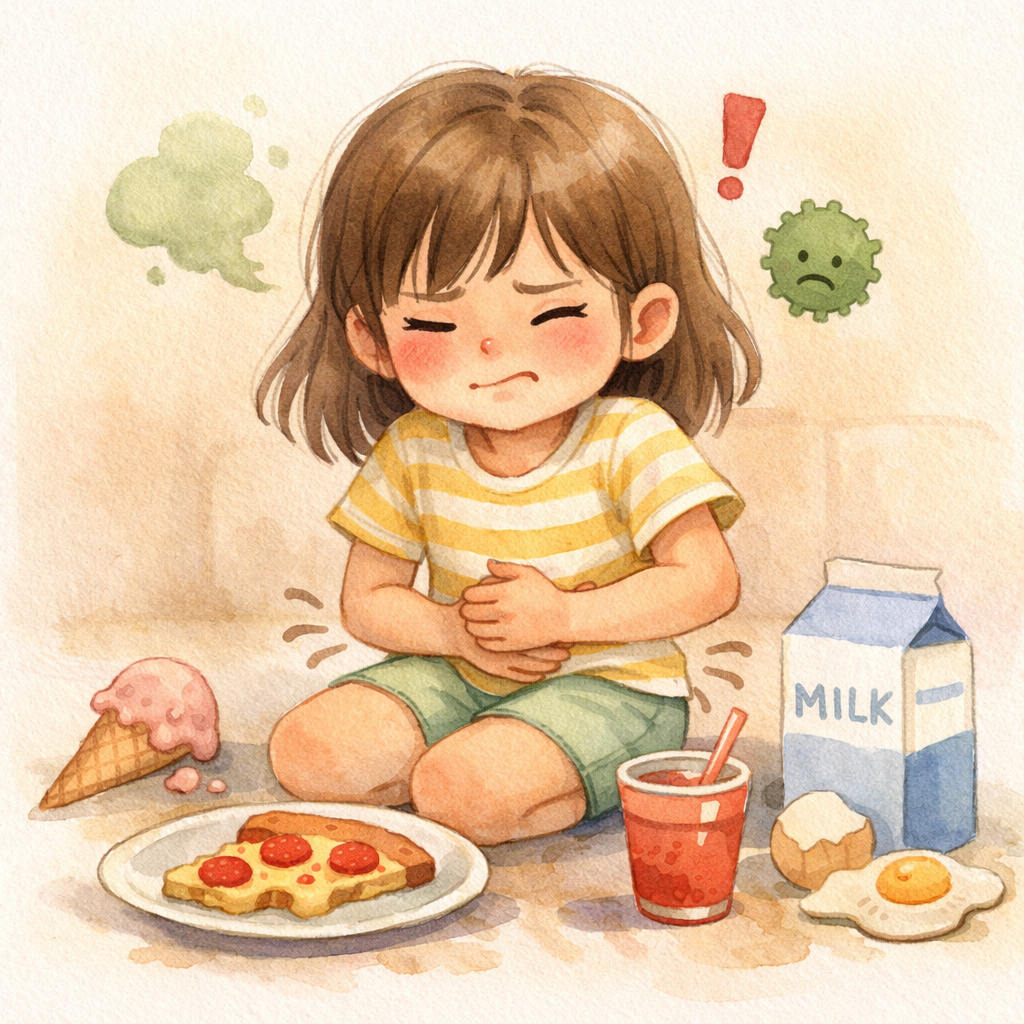
Digestive issues are often the most obvious signs of gluten problems in children. If your child frequently complains of stomach pain after eating wheat or certain gluten foods, it could signal a reaction to gluten and inflammation in the small intestine.
These symptoms can resemble other conditions like irritable bowel syndrome, so note when they occur. Common signs include:
- Abdominal pain and bloating
- Chronic diarrhea or constipation
- Nausea or vomiting after meals
Infants and toddlers may have bulky, foul-smelling stools, indicating poor nutrient absorption. Ongoing digestive symptoms warrant a visit to a healthcare provider.
Non-Digestive Signs: Skin Rashes, Headaches, and Fatigue
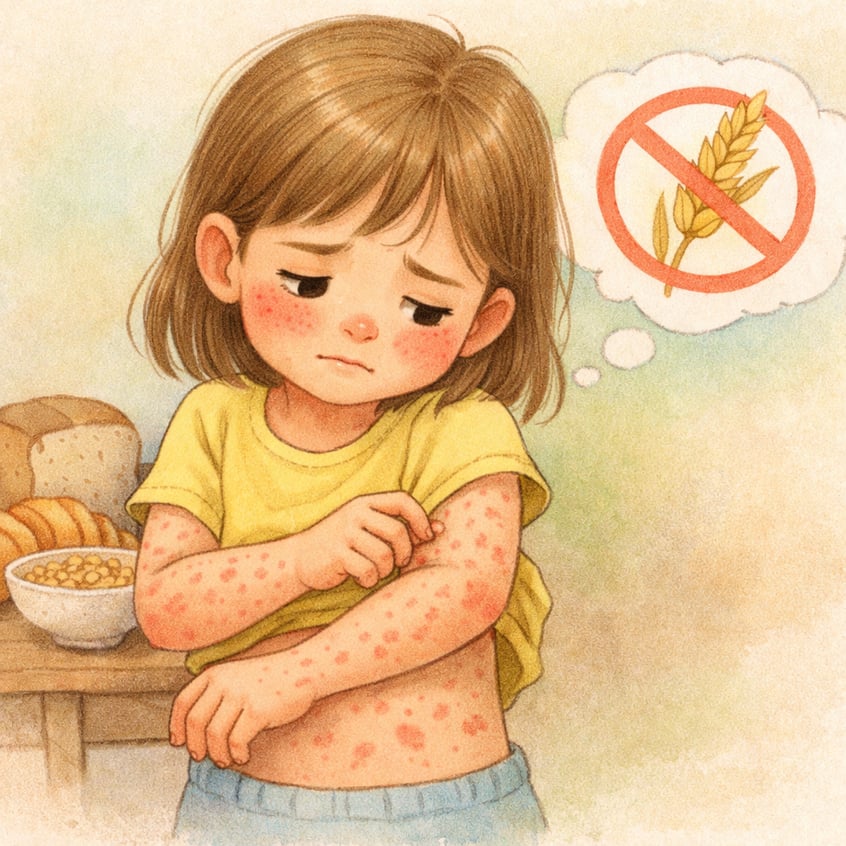
Gluten-related issues aren't limited to the stomach. Many children experience non-digestive symptoms that can be just as telling. You might notice changes in their energy levels, mood, or even their skin. For example, an itchy, blistering skin rash called dermatitis herpetiformis is strongly linked to celiac disease and can appear on the elbows, knees, or back of the neck. Understanding these symptoms is important for implementing effective management strategies.
Fatigue and "brain fog" are also common complaints and represent the most common characteristic of gluten sensitivity. Your child might seem unusually tired, have trouble concentrating in school, or experience mood swings and irritability. These signs are sometimes dismissed as normal childhood behaviour, but they can be linked to gluten. Other non-digestive symptoms to watch for include:
- Headaches or migraines
- Joint pain or numbness in the arms and legs
- Dizziness or feeling light-headed
These symptoms show that gluten's impact can be body-wide, affecting everything from energy levels to neurological function.
Diagnosing Gluten Sensitivity in Australian Children
If you suspect your child has a problem with gluten or sources of gluten, getting a proper diagnosis is the essential next step. It's crucial to seek medical advice before making any dietary changes, as removing gluten can interfere with the accuracy of tests for celiac disease.
A doctor will evaluate your child’s symptoms and may recommend blood tests to look for specific antibodies related to this autoimmune disorder. An accurate diagnosis is necessary to distinguish gluten intolerance from other conditions and ensure your child receives the right care. Now, let’s explore how doctors differentiate between these conditions and what tests are involved.
How Doctors Differentiate Gluten Sensitivity from Celiac Disease
Differentiating non-celiac gluten sensitivity (NCGS) from celiac disease is crucial, especially concerning gluten consumption. Both cause similar symptoms, but celiac disease is an autoimmune disorder that damages the small intestine; NCGS does not cause this damage.
Celiac disease is diagnosed through blood tests for specific antibodies and confirmed with an intestinal biopsy via endoscopy. There is no specific test for NCGS—it’s diagnosed by excluding celiac disease, intestinal parasites, and wheat allergy, then checking if symptoms improve on a gluten-free diet.
|
Feature |
Celiac Disease |
Non-Celiac Gluten Sensitivity (NCGS) |
|---|---|---|
|
Cause |
Autoimmune reaction to gluten |
Unknown mechanism; not autoimmune |
|
Intestinal Damage |
Yes, damages villi |
No damage |
|
Diagnosis |
Blood tests and intestinal biopsy |
Exclusion of other conditions; symptom improvement on gluten-free diet |
Tests, Age of Onset, and Key Family History Clues
To diagnose gluten-related disorders, a paediatric gastroenterologist considers several factors. The process usually begins with blood tests for antibodies linked to celiac disease. If these are positive, a biopsy of the small intestine may follow. Genetic testing for HLA-DQ2 and HLA-DQ8 can also assess risk, as these markers are common in celiac disease.
Symptoms can appear at any age, often after gluten is introduced to a baby’s diet. Family history is important because celiac disease has a strong genetic link—having a close relative with the condition increases risk. Doctors also ask about other autoimmune or medical conditions in the family.
By combining test results, symptoms, and family history, doctors can make an accurate diagnosis and develop an effective treatment plan.
Conclusion
Early detection of gluten sensitivity in children can greatly improve their health and well-being. Watch for digestive issues like stomach pain and constipation, as well as non-digestive symptoms such as skin rashes and fatigue. Ensuring that your child receives all their important nutrients is essential during this phase. If you suspect gluten sensitivity, consult a healthcare professional for proper diagnosis and guidance. Taking action now can lead to a healthier, happier child.
For personalized advice or more information, reach out for a consultation or call daar at 02 9133 2500 —your child’s health matters.
Frequently Asked Questions
What are the common symptoms of gluten sensitivity in children?
Common symptoms of gluten sensitivity in children are diverse. They often include digestive symptoms like stomach pain and diarrhea, but can also involve non-digestive signs such as skin rashes, fatigue, headaches, joint pain, short stature, and behavioural changes like irritability or mood swings. Symptoms can vary greatly from one child to another.
How can parents differentiate between gluten sensitivity and other food allergies?
Gluten sensitivity symptoms often affect the digestive system and can appear hours or days after consumption. A wheat allergy, however, is a classic allergic reaction that can cause immediate symptoms like hives or breathing trouble. An accurate diagnosis from a doctor is essential to tell the difference and rule out celiac disease.
What steps should be taken if I suspect my child has gluten sensitivity?
If you suspect your child has gluten sensitivity, the first step is to seek medical advice at your grocery store. Do not remove gluten from their diet beforehand. A doctor or paediatric gastroenterologist can evaluate your child’s symptoms, run blood tests to rule out celiac disease, and guide you toward an accurate diagnosis and management plan.
.svg)




.svg)