
.png?width=48&height=48&name=Group%201%20(3).png)
























6 April, 2026

Understanding Sugar and ADHD Symptoms: A Parent's Guide
Key Highlights
- Many parents report that high sugar consumption worsens their child's ADHD symptoms, like hyperactivity and inattention.
- While some studies show no link, others suggest that for some children with attention deficit hyperactivity disorder, sugar can have negative effects.
- High sugar ingestion can cause spikes and crashes in blood sugar, potentially making it harder for a child with a hyperactivity disorder to focus.
- Managing sugar consumption by avoiding sugary drinks and snacks may help improve behavioural control.
- A balanced diet, rich in essential nutrients, is crucial for supporting brain health in children with ADHD.
- Reading food labels is important to identify hidden sugars like corn syrup and rice syrup.
Introduction
As a parent of a child with attention deficit hyperactivity disorder (ADHD), you've likely wondered about the connection between sugar consumption and their behaviour. Many parents notice that after sugary treats, ADHD symptoms, especially time Johnny's symptoms, seem to flare up. This neurodevelopmental disorder affects focus and self-control, and fluctuating blood sugar levels from sweets can make things more challenging. Understanding how sugar interacts with your child's brain is a key step in managing their symptoms and supporting their overall well-being.
Effects of Sugar Consumption on ADHD Behaviours
The impact of sugar on children with ADHD has long been debated. Some studies find no direct link, while others suggest sugar may worsen behaviour, potentially due to increased brain dysregulation. For instance, University of South Carolina research showed hyperactive children became more restless and destructive with increased sugar intake. Yale University found high-sugar diets could exacerbate inattention in some kids with ADHD, indicating sugar may aggravate symptoms for certain children. The following sections will examine this relationship further.
Does Sugar Intake Affect Hyperactivity and Attention?
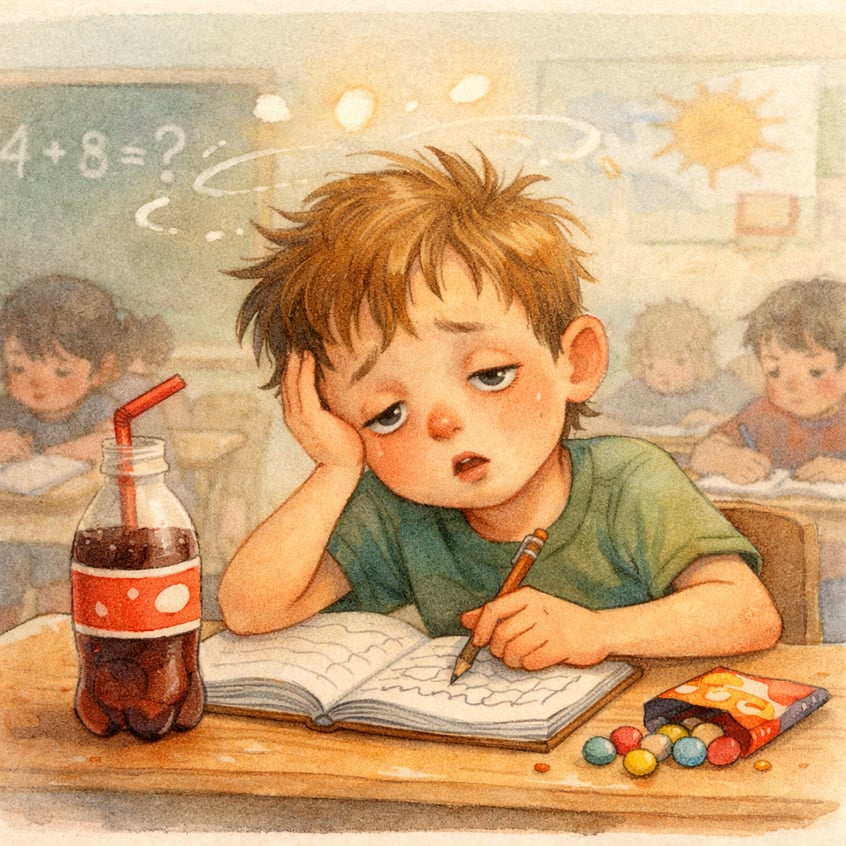
Many parents notice their child becomes more restless or unfocused after eating sweets. Some research supports that sugary foods can worsen ADHD symptoms in certain children, as rapid blood sugar changes impact energy and mood, making behaviour harder to control, which can strain family relations.
This is especially concerning for parents managing ADHD. A "sugar crash" after a sweet breakfast can lead to a drop in focus and energy during school hours.
While scientific opinions vary, many parents find that reducing sugar helps manage hyperactivity symptoms. Effects differ by child, so sugar’s impact may not be the same for everyone.
Are Sugar-Sweetened Beverages Linked to ADHD Behaviour Changes?
Because liquid sugars are absorbed quickly, they can further disrupt focus and self-control in children with ADHD. Even “healthy” pure fruit juices may contain high sugar levels.
Because liquid sugars are absorbed quickly, they can further disrupt focus and self-control in children with ADHD. Even “healthy” fruit juices may contain high sugar levels.
Here’s how common drinks impact ADHD behaviour:
|
Beverage Type |
Impact on ADHD Behaviour |
|---|---|
|
Soft Drinks |
High in refined sugar; cause rapid blood sugar spikes, leading to hyperactivity and crashes, often influenced by omega-3 fatty acids deficiencies. |
|
Fruit "Drinks"/Cocktails |
Often more added sugar than 100% juice; similar effects as soft drinks. |
|
100% Fruit Juices |
Natural sugars still raise blood sugar; best served with protein or fiber. |
Managing Sugar Intake: Practical Strategies for Parents
If you suspect sugar is worsening your child's ADHD symptoms, managing their sugar intake can be a powerful strategy. Focusing on a balanced diet helps stabilize blood sugar and ensures your child's brain, especially when combined with techniques like brain mapping, gets the essential nutrients it needs to function optimally. Creating a diet plan that limits processed foods and emphasizes whole foods is a great place to start.
Adopting principles from something like the Mediterranean diet, which is rich in whole grains, proteins, and healthy fats, can be beneficial. This approach helps maintain steady energy levels and steady blood sugar levels throughout the day, potentially reducing the behavioural peaks and valleys associated with high sugar consumption. Let's look at specific foods to avoid and some healthier swaps you can make.
Foods to Avoid and Healthier Alternatives for Kids with ADHD
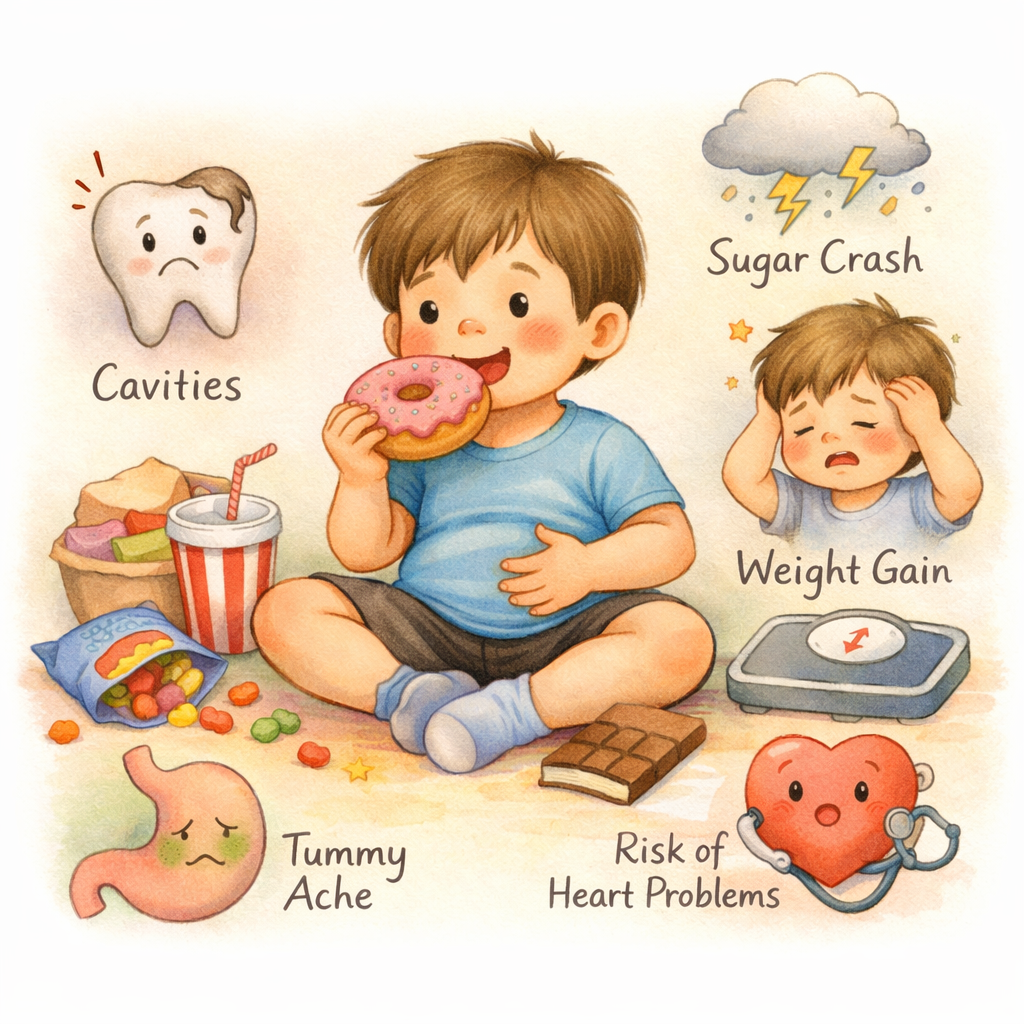
When creating an ADHD-friendly diet, it's important to limit certain foods. Many processed snacks and sweets contain refined sugars, additives, and artificial colors that may affect behaviour. Additionally, be mindful that sugar can appear as corn syrup, rice syrup, and other "code words". Always read labels.
Artificial sweeteners can also cause issues like headaches or learning difficulties in some people. It's essential to go on sugar alert and maintain a balanced diet with naturally low-sugar foods, as this is the best choice.
Limit these foods and try healthier alternatives:
- Choose whole-grain oatmeal or eggs instead of sugary cereals.
- Swap candy and cookies for fresh fruit, nuts, or veggies with dip.
- Replace sodas with water or diluted 100% fruit juice.
- Pick whole-grain bread and pasta over white versions.
- Avoid snacks with artificial colors and additives.
Conclusion
In conclusion, understanding the relationship between sugar and ADHD symptoms is crucial for parents looking to support their children. By recognizing how sugar impacts behaviour, you can make informed choices about your child's diet and create a balanced eating plan that may include a sugar test. Implementing practical strategies to manage sugar intake, such as identifying healthier alternatives and avoiding specific sugary foods, can have a significant positive effect on your child's focus and overall well-being. Remember, making small changes today can lead to lasting improvements in your child's mental health.
If you're interested in exploring tailored strategies for your family's needs, don’t hesitate to reach out for a consultation or call daar at 02 9133 2500.
FAQs (Frequently Asked Questions)
Understanding the relationship between sugar and ADHD symptoms can be quite confusing for many. Common questions often arise about how sugar consumption affects children diagnosed with attention deficit hyperactivity disorder. For instance, can certain food additives contribute to hyperactivity? Parents may also wonder about the best diet plan to manage symptoms effectively, such as the Drake Institute's recommended diet for children with ADHD. Additionally, queries surrounding the impact of artificial sweeteners or high fructose corn syrup on brain health and behavioural control are frequently discussed. It’s essential to consider these factors when planning meals.
Can reducing sugar help manage ADHD symptoms?
Yes, for many children, reducing sugar intake can help manage ADHD symptoms. By minimizing spikes and crashes in blood sugar levels, you can promote more stable energy and focus. Instead of sugary cookies, limiting sugar’s negative effects often leads to improved behavioural control and may lessen hyperactivity and inattention throughout the day.
Is there a difference in how sugar affects children vs. adults with ADHD?
While research focuses more on ADHD children, sugar consumption can affect people of all ages. Both children and an adult family member with ADHD may experience worsened attention deficit symptoms from high sugar intake due to this common condition. However, children may show more pronounced hyperactivity, while adults might notice a greater impact on focus and mood.
What types of sugary foods should children with ADHD avoid?
Children with ADHD, including many Australian children, should avoid foods with high amounts of refined sugars and processed ingredients. This includes candy, sugary sodas, and many packaged baked goods. Be sure to check labels for hidden sugars like corn syrup and rice syrup, as well as food additives and artificial colorings, which can also affect behaviour.
.svg)




.svg)