
.png?width=48&height=48&name=Group%201%20(3).png)























24 September, 2026

Balancing How Much Screen Time Should Kids Have Daily
Key Highlights
- Screen time limits help protect children’s health, sleep, learning, and daily routines.
- Excessive screen time has been linked to eye strain, headaches, obesity, anxiety, depression, and less movement.
- The American Academy of Pediatrics encourages families to build a media plan that fits a child’s age and lifestyle.
- Healthy habits include device-free meals, screen-free bedrooms, and more physical activity.
- Educational content is better than passive viewing, especially when adults watch together.
- Parents set the tone by modeling balanced screen use at home.
Introduction
Screen time is now part of everyday family life, so finding balance matters. Kids use phones, tablets, TVs, and video games for fun, connection, and learning, but too much can affect children’s health in real ways. That is why many parents ask what healthy screen time actually looks like. The answer depends on age, content, and routine. When you understand the risks and set simple rules, you can support better habits without turning every device into a daily battle.
Health Risks Associated with Excessive Screen Time
Excessive screen time can affect children’s health in several ways. Long stretches of sedentary screen time may lead to eye strain, headaches, neck and shoulder pain, and a more inactive lifestyle. Spending many hours in front of a screen can also reduce time for reading, homework, and active play.
It can also affect mental health and development. Research discussed by pediatric experts links heavy screen use with anxiety, depression, sleep problems, and weaker social growth. Less real-world interaction may make learning communication and patience harder. These risks become clearer when you look at physical and emotional effects separately.
Impacts on Physical Health and Activity Levels
Too much daily screen use often means less movement. When kids spend long periods sitting with electronic devices, physical activity usually drops. That pattern of sedentary behaviour matters because children need time to run, play, stretch, and explore during the day.
Health experts have linked excessive screen use with childhood obesity, especially when screen habits replace active routines. It may also bring eye strain, headaches, and body discomfort from looking down at devices. Research also notes a possible link between heavy screen exposure and myopia, which is becoming more common in younger children.
Screen time recommendations are meant to protect these daily needs across years of age. For children 2 to 5, the goal is less than one hour per weekday and less than three hours per weekend day. For many kids ages 6 and over, keeping recreational screen time under two hours on weekdays leaves more room for exercise, meals, and rest.
Effects on Mental Wellbeing and Social Development
Screen habits do not only affect the body. They can shape mental health, mood, and how children connect with others. Studies mentioned by pediatric sources link too much digital media with anxiety, depression, and behavioural strain, especially when it cuts into sleep and family time.
Another concern is social interaction. Screens give quick rewards, but real conversations take patience, listening, and turn-taking. When kids spend more time with social media or entertainment and less time with people face to face, communication skills may not grow as strongly as they should.
This matters in everyday life. Children learn healthy relationships by reading expressions, waiting their turn, and responding to others in real time. Those lessons are harder to build through passive viewing alone. Balanced use of digital media, with support from adults, can help protect both emotional wellbeing and social development.
Recognising Signs of Too Much Screen Exposure
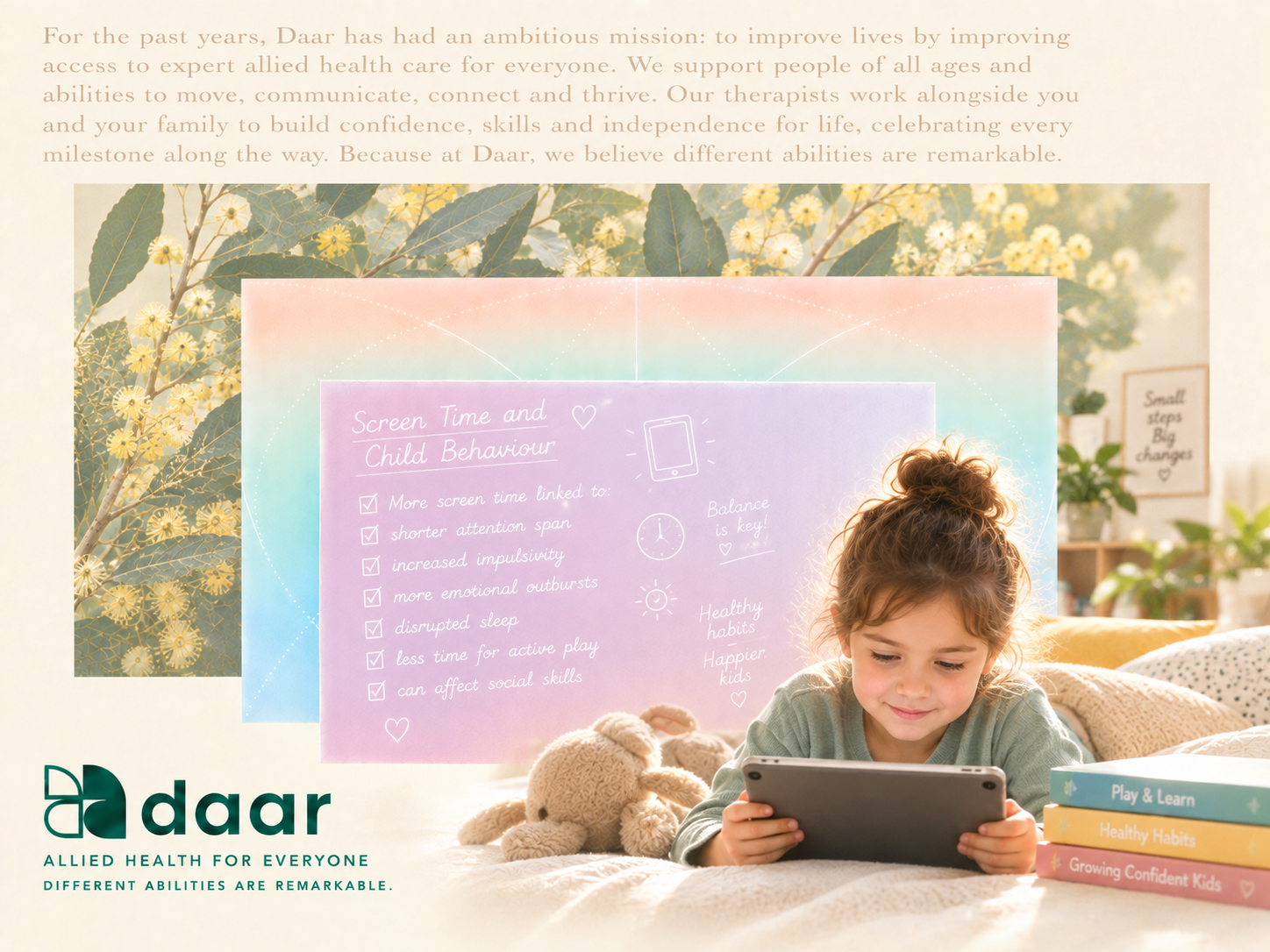
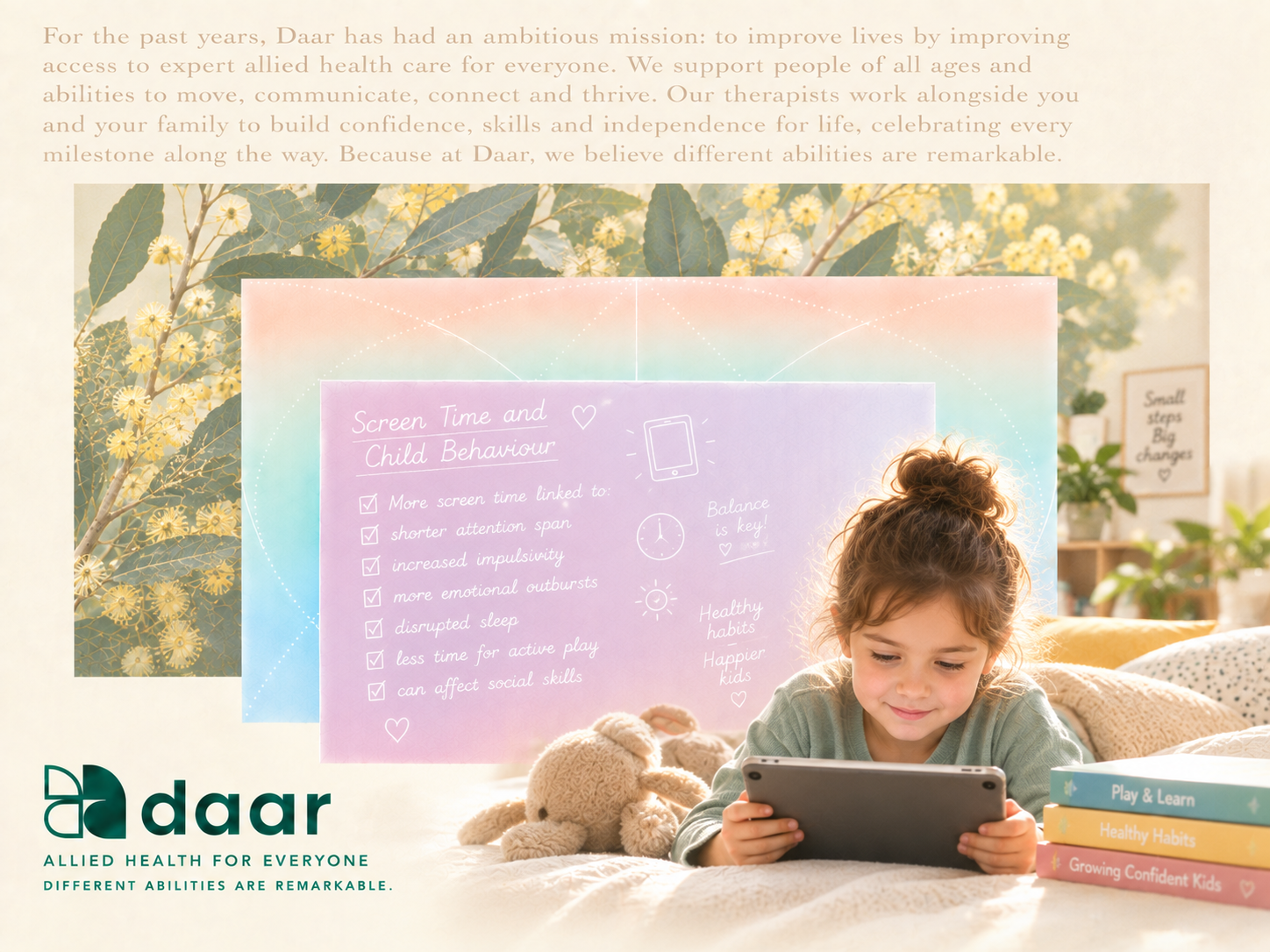
Sometimes the clearest warning signs show up in daily behaviour. Too much screen time may look like irritability, trouble stopping screen use, reduced interest in offline play, or conflict when devices are taken away. Changes in screen habits can also affect how children interact with family and friends.
Sleep is another big clue. Experts note that screens, especially before bed, can harm rest and lead to daytime mood changes. When screen use starts interfering with enough sleep, school tasks, or healthy relationships, it is time to take a closer look. The next sections cover what parents can watch for.
Behavioural Indicators Parents Should Watch For
You may notice subtle changes before major issues arise. Heavy screen use often leads to behavioural problems, especially during transitions when a child must stop using a device. Kids may struggle to enjoy free time if screens dominate their entertainment.
Watch for these patterns:
- Anger or frustration when screen time ends
- Difficulty focusing during schoolwork or conversations
- Less interest in toys, books, or outdoor activities
- Frequent requests for more screen time
- Trouble moving away from devices after allotted time
These signs don't always signal a crisis, but they do indicate imbalance. If screens are taking over routines, your child may need stricter limits and more support. Consider behaviour, sleep, and mood together to assess if screen habits should change.
Emotional and Academic Consequences
Heavy screen use affects more than mood—it can impact mental health, making some children more anxious, down, or easily frustrated. Devices in bedrooms or late-night screen time often disrupt sleep, making emotions harder to manage the next day.
School performance may also suffer if recreational screen time replaces homework, reading, or conversation. Younger children need active interactions for language development, which passive screen time doesn't provide.
Sleep loss worsens these issues. Devices can interfere with the recommended amount of sleep, leading to poor focus, weaker memory, and stronger reactions to stress. Balancing screen time supports both learning and emotional well-being.
Strategies for Parents to Manage Screen Time Effectively
Parents do not need to guess. Screen time guidelines from groups like the Academy of Pediatrics and the World Health Organization give families a starting point based on age. These recommendations focus on both the amount of time and the kind of media use children have each day.
What works best at home is often simple and consistent: setting screen time limits, choosing better content, and protecting sleep, activity, and family routines. Parental controls can help, but they work best when paired with clear conversations and shared rules. Let’s look at practical ways to make those limits stick.
Setting Consistent Boundaries and Family Rules
Clear rules make managing daily screen time easier. Children do better when they know what’s allowed, when screens can be used, and the consequences for breaking rules. Setting limits works best when the whole family follows the same structure.
Helpful family rules:
- Set daily screen time limits in advance
- Separate recreational use from homework or learning
- Put devices away during meals and family activities
- Charge devices outside bedrooms overnight
Consistency matters more than perfection. If rules change often, children resist more. When everyone follows the plan, limits seem fair and become routine. Parents also set a strong example by modeling balanced screen use.
Creating Tech-Free Zones and Times at Home
Your home setup can make healthy habits easier. Tech-free zones reduce mindless screen use and create space for conversation, play, and rest. Bedrooms matter most because experts stress that devices near bedtime can hurt sleep quality, especially for tweens and teens.
Try simple changes like these:
- Make bedrooms tech-free zones for children
- Keep mealtimes free from phones, tablets, and TV
- Set one hour before bed as a no-device period
- Use quiet moments for reading or family talk instead of screens
You do not need zero screen time across the whole day to see benefits. Even a little less time in front of screens can improve routines. Start with one place or one time block, then build from there. These small boundaries often lead to better sleep, calmer evenings, and more consistent family connection.
Positive Alternatives to Screen Use for Kids
Cutting back works better when children have something positive to do instead. Outdoor play, hobbies, books, and family activities help fill the gap left by digital media. These options support movement, imagination, and social interaction in ways passive viewing cannot.
Not all screen use is equal, though. Educational content watched with a parent is better than endless scrolling or low-quality entertainment. The goal is balance, not fear. Kids still benefit most when digital experiences are mixed with real-world play, conversation, and creative time. Here are some strong offline options to consider.
Encouraging Outdoor Play and Social Activities
Children need opportunities to move and connect. Outdoor play replaces passive screen time with physical activity, fresh air, and hands-on fun. Active play also helps young children develop healthy routines early.
Encourage movement with:
- Family walks or bike rides
- Playground visits or backyard games
- Team sports or neighborhood playdates
- Obstacle courses or active indoor games
Social play is as important as exercise. It teaches patience, turn-taking, and real communication—skills screens can't fully provide. When kids regularly move, talk, and play together, they're less likely to reach for devices because their days feel fuller and more rewarding.
Promoting Educational and Creative Offline Pursuits
Structured choices make screen-free time easier to manage. Creative activities keep kids engaged and support active learning.
Good offline options include:
- Reading books
- Drawing, crafts, or building projects
- Pretend play and storytelling
- Homework or learning games without devices
These activities boost language development through talking, listening, and interaction—unlike passive screen time. Educational content can be useful, but balance it with conversation and hands-on play. Kids learn best when they explore ideas, ask questions, and interact with others.
Conclusion
In summary, balancing screen time for children is essential for their overall health and development. By recognising the potential risks of excessive screen exposure, parents can implement effective strategies that foster healthier habits. Setting consistent boundaries, creating tech-free zones, and encouraging alternative activities help promote physical, mental, and social well-being. Remember, the goal is not to eliminate screen time entirely but to cultivate a balanced approach that allows for both digital engagement and enriching offline experiences.
For more tips on managing screen time effectively, feel free to book a consultation or call daar at 02 9133 2500 to explore our resources!
Frequently Asked Questions
What are the recommended daily screen time limits for children based on their age?
Screen time recommendations vary by age group. The World Health Organization supports zero screen time for many children under 2, while other guidance allows video chat and limited co-viewing. For older kids, recreational use should stay modest.
|
Age Group |
Screen Time Recommendations |
|---|---|
|
Under 18 months |
Zero screen time except video chat |
|
18–24 months |
Less than 1 hour, with a caregiver |
|
2–5 years |
Less than 1 hour per weekday; less than 3 hours per weekend day |
|
6+ years |
Aim for under 2 hours of recreational screen time on weekdays |
How can parents effectively monitor and manage their children's screen time?
Use parental controls, create a family media plan, and be clear about rules. Setting screen time limits works best when parents also model balanced media use. Keep devices out of bedrooms, track screen habits, and focus on the quality of digital media, not just the total minutes.
What are some signs that a child may be spending too much time in front of a screen?
Common behavioural indicators include irritability when screens are removed, less interest in play or reading, trouble focusing on school tasks, and poorer routines. Too much screen time may also affect healthy habits by reducing sleep, limiting movement, and making screen use the main activity in a child’s day.
.svg)




.svg)