
.png?width=48&height=48&name=Group%201%20(3).png)























7 April, 2026

First Steps in Behaviour Therapy: A Practical Approach

Key Highlights
- The first step in behaviour therapy involves preparing for your initial session and finding a qualified mental health professional.
- Your first therapy sessions will focus on assessment, where the therapist identifies problematic behaviours and their triggers.
- Establishing clear and collaborative treatment goals is a crucial early part of the therapy process.
- You will learn new coping skills and techniques like mindfulness and activity scheduling to manage challenges.
- Identifying and managing environmental and emotional triggers is key to making lasting behavioural changes.
- Behaviour therapy is a practical approach designed to improve your mental health and overall quality of life.
Introduction
Are you seeking practical ways to improve your mental health and make meaningful changes in your life? Taking the first step toward behaviour therapy can feel daunting, but it's a powerful move toward a better future. This therapeutic approach focuses on understanding and modifying harmful behaviours that may be holding you back. By learning actionable strategies, you can develop healthier habits, improve your coping mechanisms, and enhance your overall quality of life. This guide will walk you through the initial stages of behaviour therapy, from preparing for your first session to setting achievable goals.
Preparing for Your First Behaviour Therapy Session
Getting ready for your first behaviour therapy session is an important part of the process. This initial meeting is an opportunity for you and your mental health professional to get to know each other and lay the groundwork for your treatment plan. It's a collaborative effort, so coming prepared with some thoughts about what you want to achieve can be very helpful.
Thinking about your goals and expectations beforehand can make the first session more productive. Understanding what to expect, how to find the right therapist, and how you can perform a simple self-assessment will help you start your journey with confidence.
Setting Expectations for the Initial Meeting
Your first therapy session is primarily a "get-to-know-you" meeting. It's not about immediate fixes but about establishing a foundation. Your therapist will likely ask you detailed questions to understand your concerns and what brought you to seek mental health treatment. This is your chance to share your story, discuss your behavioural problems, and express what you hope to gain from therapy.
Expect the conversation to be open and collaborative. The therapist’s goal is to create a safe, non-judgmental space where you feel comfortable sharing. They will explain how behaviour therapy works, what the process might look like, and how they can support you. This initial meeting is also for you to decide if the therapist is a good fit for you.
Feeling a connection with your therapist is crucial for successful treatment. You should leave the first session with a sense of clarity about the next steps and feeling understood and hopeful about the journey ahead.
Finding a Qualified Behaviour Therapist in Australia
Finding the right mental health professional is a critical first step in starting your behavioural therapy journey. You want someone who is not only qualified but also someone you feel comfortable with. A good therapeutic relationship can significantly impact the success of your treatment plan and the overall therapy process.
Start by looking for accredited professionals. In Australia, several professional bodies can help you find qualified therapists. It's important to check their credentials and ensure they have experience in behavioural therapy. Don't hesitate to ask potential therapists about their approach and experience with issues similar to yours.
Here are some ways to find a qualified therapist:
- Ask your general practitioner (GP) for a referral. They can often recommend trusted professionals.
- Search online directories from organizations like the Australian Psychological Society (APS).
- Inquire about their experience with specific conditions you're facing.
- Consider an initial consultation to see if their style is a good match for you.
Self-Assessment Before Therapy
Before you even step into a therapist's office, engaging in some self-assessment can be one of the most effective self-help strategies. Taking time to reflect on your behaviours, thoughts, and feelings can provide valuable insights that will be useful in your therapy sessions. This initial self-reflection can help you articulate your challenges more clearly to your therapist.
Try keeping a journal for a week or two before your first appointment. Note down situations where you feel stressed, anxious, or engage in behaviours you want to change. For each instance, write down what was happening, what you were thinking and feeling, and how you reacted. This simple form of behavioural analysis can help you start to see patterns.
This practice isn't about solving your problems on your own but about building awareness. Understanding your own patterns can make your first few sessions with a mental health professional more focused and productive, giving you a head start on your path to better mental health.
Assessment Stage: How Therapists Identify Problem Behaviours
Once you begin therapy, the initial phase centers on assessment. Your therapist will analyze the behaviours you want to change, identifying the "what, when, and why" through a detailed behaviour analysis. This step is key to developing a personalized treatment plan.
A common tool is the ABC model: Antecedents (what happens before), Behaviour, and Consequences (what happens after). This framework helps clarify what drives and reinforces your actions. The following sections will cover this process in more detail.
Initial Evaluation Process
The initial evaluation is a key step in effective behaviour therapy. In the first sessions, your therapist will conduct a thorough assessment to understand your concerns. This structured process uses interviews and sometimes questionnaires to gather details about the behaviours you want to address, including their frequency, intensity, duration, and context.
By the end of this stage, your therapist will have a clear understanding of your challenges. This information helps them form an initial hypothesis about what’s maintaining these behaviours and guides the creation of a targeted treatment plan.
Gathering Background Information
A key part of assessment is gathering background information. Your therapist will ask about your personal and medical history, family dynamics, social relationships, and any prior therapy to understand your situation fully. This holistic approach leads to a more effective treatment plan.
Your therapist may also request permission to speak with family or other important people in your life, especially when working with children or adolescents. These additional perspectives help ensure that therapy strategies are supported at home and elsewhere. Understanding your support system is crucial for long-term success.
Here’s the type of information typically collected:
|
Information Category |
Examples |
|---|---|
|
Personal History |
Developmental milestones, education, work history |
|
Medical History |
Health conditions, past illnesses, medications |
|
Social Context |
Friendships, relationships, community involvement |
|
Family Background |
Family structure, relationships with family |
Identifying Behavioural Triggers
Identifying behavioural triggers is a key step early in therapy. Triggers are events, thoughts, or feelings that lead to certain behaviours. Understanding what sparks your unwanted actions helps you anticipate and manage difficult situations.
Triggers can be external, like places or people, or internal, such as emotions or negative thoughts. Your therapist will help you explore and identify these cues, often asking you to keep a log of behaviours and what happened just before.
Recognizing your triggers is empowering—it’s the first step toward gaining control and breaking unhelpful patterns. This awareness is essential for tackling mental health challenges and forms the foundation for learning healthier coping strategies in therapy.
Establishing Treatment Goals
After the assessment, the next step is establishing clear treatment goals. This is a collaborative process of goal setting where you and your therapist decide what you want to achieve. Having well-defined goals gives your therapy direction and purpose, helping you focus on changing specific behavioural problems and improving your quality of life.
One of the challenges people face when starting therapy is feeling overwhelmed. Breaking down large goals into smaller, manageable steps makes the process feel less daunting. The following sections explain how therapists work with you to set achievable goals, prioritize what to work on first, and track your success.
Collaborative Goal Setting
Goal setting in behaviour therapy is a collaborative process. Instead of being given a list of objectives, you and your therapist work together to set meaningful goals based on assessment results.
Broad goals like "I want to be less anxious" are turned into specific, measurable actions—for example, "I will practice relaxation for 10 minutes daily" or "I will attend one social event per week." This makes progress easy to track.
This partnership empowers you, putting you in control of your treatment and increasing motivation and commitment—key factors for lasting change.
Prioritizing Target Behaviours

Once you have a list of goals, the next step is to prioritize them. Trying to change everything at once is rarely effective. With your therapist, you'll decide which behaviours to focus on first—usually those causing the most distress or disruption.
Some behaviours may be prioritized because they support other changes. For example, improving sleep might come first, since being well-rested can help with managing anxiety or boosting concentration. The goal is to create a strategic plan that builds momentum.
Prioritizing makes therapy more manageable and less overwhelming. Focusing on one or two key areas at a time increases your chances of success, boosts confidence, and motivates you to keep working toward your other goals.
Measuring Progress Over Time
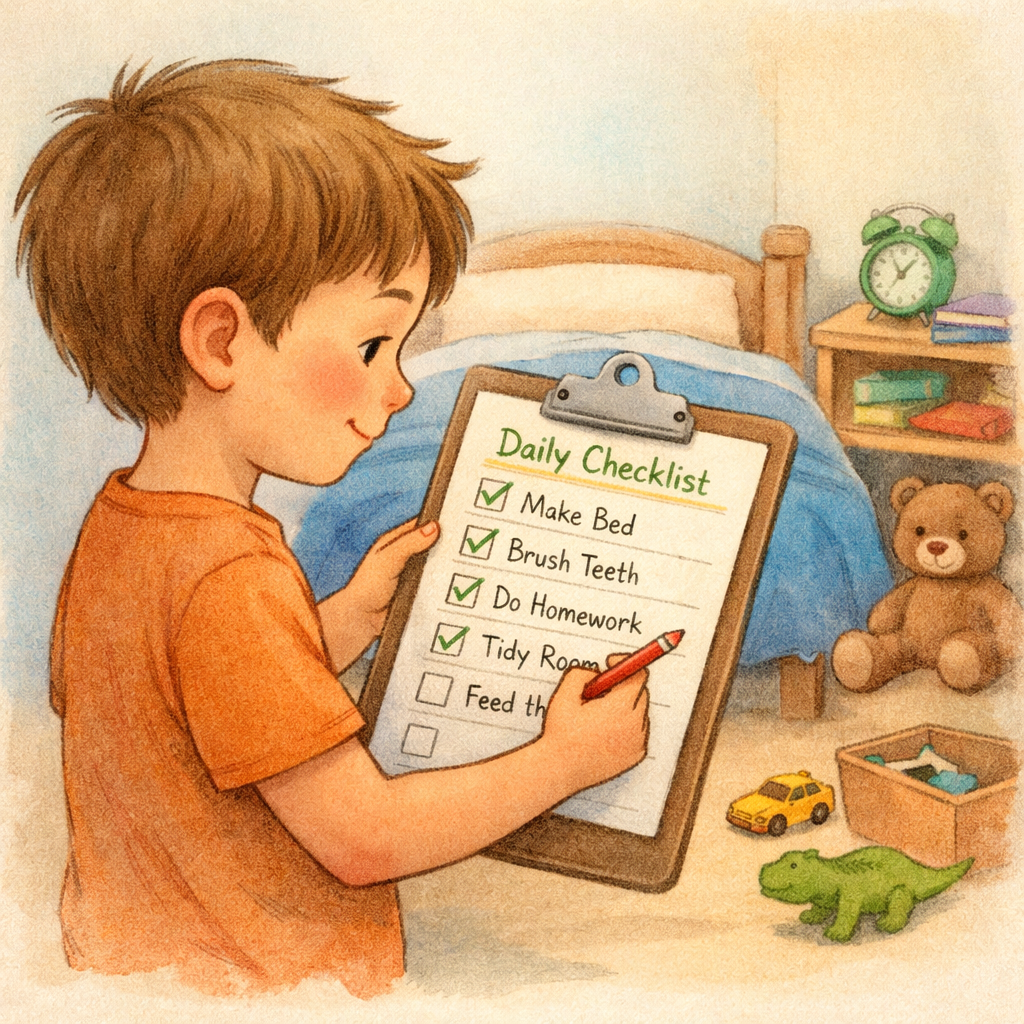
Behaviour therapy emphasizes tracking progress to assess treatment effectiveness. You and your therapist regularly monitor your goals using tools like self-monitoring logs, checklists, or rating scales. For example, recording weekly panic attacks lets you see improvement over time, which reinforces positive change.
Reviewing progress ensures your treatment stays on track. If results aren't as expected, the plan can be adjusted for better outcomes. This keeps therapy effective, responsive to your needs, and helps maintain motivation.
Techniques Used in Early Behaviour Therapy Sessions
In the initial therapy sessions, your therapist will introduce you to several core techniques to begin the process of behaviour modification. These tools are designed to help you understand your behaviours and start making positive changes. Unlike approaches that focus heavily on the past, behaviour therapy is action-oriented from the start.
Techniques such as behaviour observation, functional analysis, and an introduction to strategies like cognitive therapy are common. While some forms of behaviour therapy, like CBT, integrate thought patterns from the beginning, the primary focus is on observable actions. Let's explore some of these foundational methods used in early sessions.
Behaviour Observation and Monitoring
One of the first techniques in behavioural therapy is behaviour observation and monitoring. This means systematically tracking your actions, thoughts, and feelings. Your therapist may ask you to keep a journal or use a worksheet to record specific behaviours as they occur.
This practice, often assigned as homework, goes beyond logging events—it builds self-awareness. By closely observing your patterns, you may notice connections you hadn’t seen before, such as anxiety increasing at certain times or in specific situations.
The information you gather is crucial for therapy. It provides concrete data for discussion, helps identify triggers, and measures progress. This active involvement is central to behavioural therapy.
Functional Analysis
Functional analysis is a key technique used to understand why a particular behaviour occurs. It's a more in-depth form of behaviour analysis that goes beyond just observing a behaviour; it seeks to determine its purpose or "function." This method is a cornerstone of applied behaviour analysis (ABA) but is used across many types of behaviour therapy.
The process involves examining what happens right before the behaviour (antecedents) and what happens right after (consequences). This helps to reveal what you might be "getting" from the behaviour. For example, a child's tantrum might function to get attention, while an adult's avoidance of social situations might function to escape anxiety.
Understanding the function of a behaviour is critical for changing it. Once you know why you're doing something, you and your therapist can develop alternative, healthier ways to achieve the same outcome. Functional analysis provides a clear roadmap for creating effective intervention strategies tailored to your individual needs.
Introduction to Behaviour Modification Strategies
Early in therapy, you'll learn the basics of behaviour modification, including how behaviours are shaped and maintained through operant conditioning. Your therapist will show how reinforcement strengthens positive behaviours and removing rewards weakens negative ones.
You’ll start by identifying simple, positive behaviours to increase. With your therapist, you may set up a system of positive reinforcement—rewarding yourself for reaching small goals, such as enjoying a favorite activity after practicing a new coping skill. This makes change more motivating.
In cognitive behavioural therapy (CBT), you'll also explore how thoughts affect behaviour. You'll begin to identify and challenge negative thinking patterns, laying the foundation for more advanced techniques later in therapy.
Identifying and Managing Triggers
A huge part of early behaviour therapy is learning to identify and manage your behavioural triggers. Recognizing the cues that lead to unwanted behaviours is essential for improving your emotional health and developing effective stress management skills. One of the main challenges when starting therapy is feeling powerless over your reactions, and this step helps you regain control.
By understanding what sets you off, you can begin to implement coping skills proactively, rather than just reacting to difficult situations. The following sections will guide you through how to recognize different types of triggers and what strategies you can use to manage them.
Recognizing Environmental and Emotional Triggers
Triggers fall into two main categories: environmental and emotional. Recognizing both is key to maintaining emotional health and progressing in therapy. Environmental triggers are external cues—like certain people, places, or times—that can prompt specific feelings or behaviours.
Emotional triggers are internal states, such as sadness, loneliness, or stress, which can drive unwanted behaviours like snacking or procrastinating. Identifying these inner signals is as important as noticing external ones.
Your therapist will help you recognize these triggers in real time. Common examples include:
- Environmental Triggers: Seeing someone specific, being in a certain place (like a bar), or a particular time of day.
- Emotional Triggers: Feelings of boredom, anxiety, anger, or fatigue.
- Thought Triggers: Negative self-talk or future worries.
Coping Strategies Introduced in Early Sessions
As you begin to identify your triggers, your therapist will simultaneously introduce you to a set of new skills to manage them. These initial coping skills are designed to be simple, practical, and easy to implement. The goal is to give you immediate tools for stress management so you feel more equipped to handle challenges as they arise.
These strategies often include relaxation techniques like deep breathing or progressive muscle relaxation. These skills can help calm your nervous system in moments of high stress or anxiety. You might also be introduced to basic mindfulness exercises, which teach you to observe your thoughts and feelings without judgment.
Learning these coping skills early on is empowering. It shows you that you have the ability to influence your emotional state and that you don't have to be at the mercy of your triggers. Practicing these new skills regularly, even when you're not feeling stressed, helps them become second nature.
Building Awareness for Everyday Situations
The goal of identifying triggers and learning coping skills is to apply them in daily life. Therapy isn’t just about sessions—it’s about making real changes. Building awareness in everyday situations helps you use what you’ve learned.
Your therapist will encourage you to notice your surroundings and internal state throughout the day, such as how you feel before a stressful meeting or when a craving arises. This ongoing self-monitoring strengthens your ability to make conscious choices.
By facing everyday triggers with new coping skills, you gradually lessen their impact. This process builds confidence and resilience, helping you handle daily challenges more easily.
Starting Behavioural Change: Practical Procedures
Now it's time to put what you've learned into action. Starting the process of behaviour change involves using practical procedures that help you move toward your treatment goals. The basic procedure of behaviour modification is to systematically replace harmful behaviours withpositive behaviours. This is done by actively engaging in new, healthier activities.
Your therapist will introduce you to several structured techniques designed to facilitate this process. These methods provide a clear framework for making changes, helping you build momentum and see real results. The following sections will cover some of these common and effective procedures.
Using Activity Scheduling
Activity scheduling is a key technique in behavioural activation, commonly used to treat depression and other issues. By planning and engaging in positive activities, you can boost your mood and motivation—making this an effective tool for behaviour change.
You and your therapist will create a weekly schedule filled with enjoyable and meaningful activities, such as a short walk, calling a friend, or pursuing a hobby. Scheduling increases the likelihood you'll follow through.
Sticking to your activity schedule helps break patterns of withdrawal and inactivity linked to mental health challenges. It reconnects you with sources of pleasure and accomplishment, improving your mood and well-being.
Relaxation and Mindfulness Practices
Relaxation and mindfulness are key tools for managing stress and improving mental health. Early in therapy, your therapist may teach you techniques like deep breathing, guided imagery, or progressive muscle relaxation to calm your body's stress response.
Mindfulness involves paying attention to the present moment without judgment. You'll learn to notice thoughts and feelings as they arise, without getting swept away by them. This can help reduce the intensity of difficult emotions.
These practices are effective beyond moments of crisis. Regular use can lower overall stress, improve focus, and boost well-being. They are practical skills you can use anytime to support your mental health.
Role-Playing and Skills Training
For many, changing behaviour means learning new communication and social skills. Skills training in behaviour therapy lets you practice these abilities in a safe setting, such as becoming more assertive, setting boundaries, or managing conflict.
Role-playing is commonly used; you and your therapist act out challenging situations—like asking your boss for an extension or saying "no" to a friend. This gives you a chance to try new skills and receive immediate feedback.
Practicing during sessions builds confidence to use these skills in real life. Role-playing makes tough social situations less intimidating and provides clear strategies for handling them, helping you turn knowledge into action.
Conclusion
Starting behaviour therapy can be a transformative journey. Preparing for your sessions and setting clear goals lays the foundation for success. Identifying triggers and using strategies like activity scheduling and mindfulness support lasting change. Choose a qualified therapist to guide you with empathy and expertise. Every small step matters toward better mental health.
If you're ready, reach out for a consultation or call daar at 02 9133 2500 to see how behaviour therapy can help you.
Frequently Asked Questions
What should I expect during my first behaviour therapy session?
During your first session, you can expect your mental health professional to ask questions to understand your concerns. It's a collaborative meeting to discuss your goals and lay the groundwork for your treatment plan. The focus is on building rapport and outlining the first steps of your behaviour modification journey.
Are there self-help strategies to try before starting therapy?
Yes, you can try several self-help strategies before starting therapy. Keeping a journal to track your behaviours (a simple form of behavioural analysis), practicing basic stress management techniques, and identifying your coping skills can provide valuable insight and give you a head start on improving your mental health.
How are treatment goals determined in early sessions?
In behavioural therapy, treatment goals are determined collaboratively during the goal-setting phase of the therapy process. You and your therapist will work together to define specific, measurable objectives that are meaningful to you and aimed at improving your overall quality of life by addressing key problem behaviours.
.svg)




.svg)