
.png?width=48&height=48&name=Group%201%20(3).png)























27 April, 2026

Anger Management Behavioral Therapy: A Path to Peace
Key Highlights
- Anger management behavioural therapy helps you understand your anger triggers and develop healthier coping strategies.
- Key techniques include relaxation exercises, mindfulness, and learning assertive communication to improve emotional regulation.
- This therapy is beneficial for anyone whose anger negatively impacts their relationships, work, or overall mental health.
- Both online and in-person therapy options are available, offering flexibility to fit your needs.
- With consistent effort, you can learn to manage this powerful emotion and find a path to peace.
Introduction
Feeling angry is a normal human emotion. It can signal injustice or tell us when our boundaries have been crossed. However, when anger starts to feel uncontrollable and harms your relationships or mental health, it becomes a problem. Anger management behavioural therapy is a structured approach designed to help you understand this powerful emotion. It provides the tools to express your feelings in healthier, more constructive ways, guiding you back to a sense of control and peace in your daily life.
Who Can Benefit from Anger Management Behavioural Therapy?
Anyone who feels their anger is disruptive can benefit from anger management therapy. It's not just for those with extreme outbursts, but also for anyone dealing with frequent irritability, passive aggression, or emotional reactions that seem out of proportion. If your anger strains relationships, affects your job, or impacts your mental health, this therapy offers practical coping strategies.
Anger management therapy helps you identify the root causes of your anger and develop effective ways to handle it. Whether you’re an adult, adolescent, or child, learning to manage anger can lead to a calmer and more fulfilling life.
Signs You Might Need Anger Management Therapy
Recognizing you need help with uncontrolled anger is an important first step. Do you often argue at home or work? Feel persistent frustration or irritability? These can signal problematic anger.
Physical symptoms like a racing heart, shaking, or high blood pressure during anger episodes are also warning signs. You may notice negative thought patterns, such as assuming others want to upset you. Identifying your anger triggers is essential.
If anger is disrupting your relationships, work, or well-being—or leads to substance misuse, self-harm, or legal trouble—it’s time to seek support. Anger management therapy can help you regain control and improve your life.
Anger Management for Adults, Adolescents, and Children
Anger management isn't a one-size-fits-all solution; it’s tailored to fit different age groups. For adults, therapy often focuses on the complex stressors of life, such as work pressures, financial strain, and relationship conflicts. Behavioural therapy for adults helps identify long-standing negative thought patterns and replaces them with healthier coping skills.
Adolescents face unique challenges, including peer pressure, academic stress, and hormonal changes, all of which can fuel anger. The goal is to equip them with tools they can use to navigate the turbulent teenage years successfully.
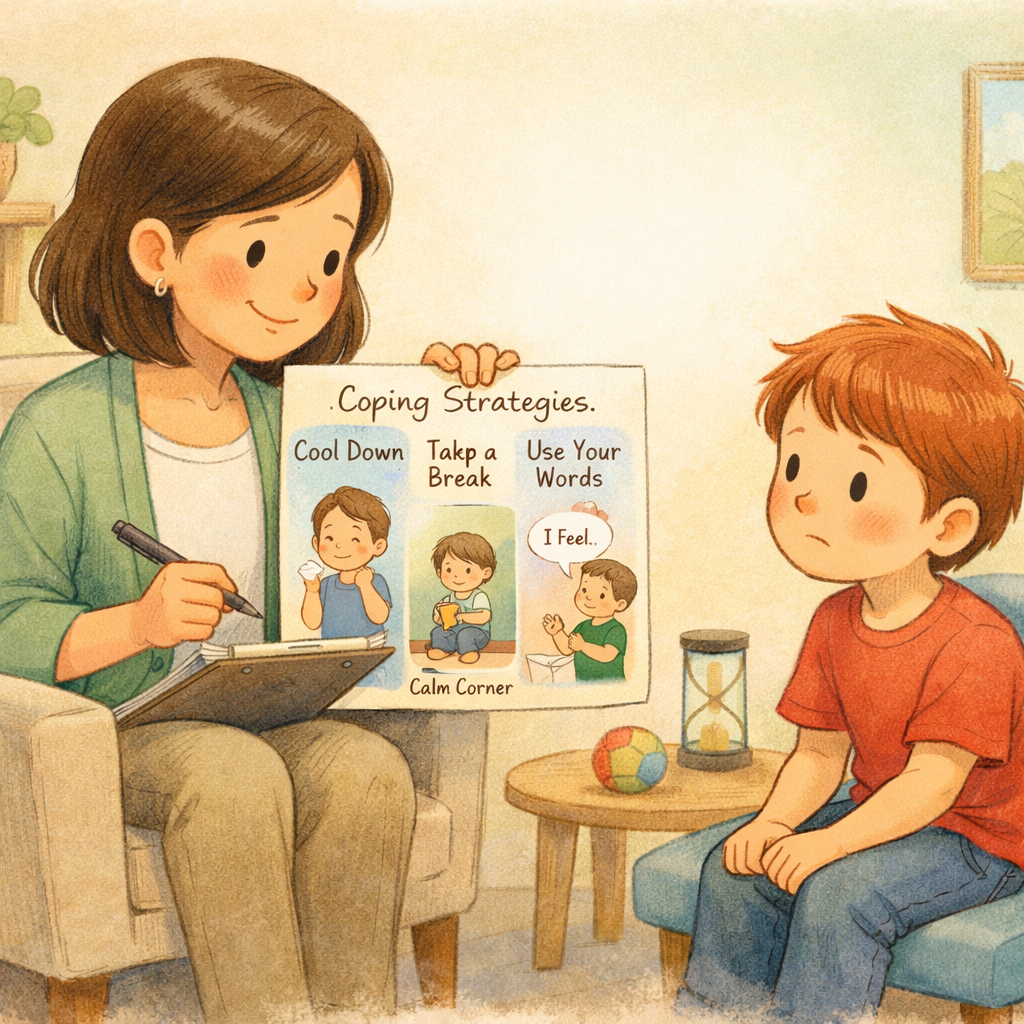
Even children can benefit from learning to manage their anger. For kids, therapy is often presented through play, stories, and simple exercises. It helps them understand and name their feelings, teaching them basic coping skills like taking deep breaths or finding a quiet space when they feel overwhelmed. Early intervention helps build a strong foundation for healthy emotional expression.
Addressing Anger in Relationships and the Workplace
Uncontrolled anger can harm close relationships, eroding trust and creating fear and tension. Anger management therapy helps you recognize triggers and teaches communication skills to resolve conflicts calmly, strengthening bonds.
At work, unmanaged anger may lead to frequent arguments, difficulty accepting feedback, or a hostile attitude that can threaten your career. Therapy provides conflict resolution strategies so you handle tough situations with professionalism.
Assertive communication is key in addressing anger. It lets you express your feelings directly and respectfully, preventing frustration from building up. Mastering this skill helps you manage disagreements effectively both at home and work.
Common Techniques Used in Anger Management Behavioural Therapy
Anger management behavioural therapy employs a variety of practical techniques to help you regain control.
You'll also learn several coping strategies to manage the physical symptoms of anger. These often include relaxation techniques like deep breathing, mindfulness, and progressive muscle relaxation. The goal is to give you a toolkit of skills you can use in the heat of the moment to calm your nervous system and respond more thoughtfully.
Relaxation and Mindfulness Exercises
When you get angry, your body goes into a state of high alert, increasing your physiological arousal, heart rate, and blood pressure. Relaxation techniques are designed to counteract this response and bring your body back to a state of calm. These exercises are simple, effective, and can be practiced anywhere.
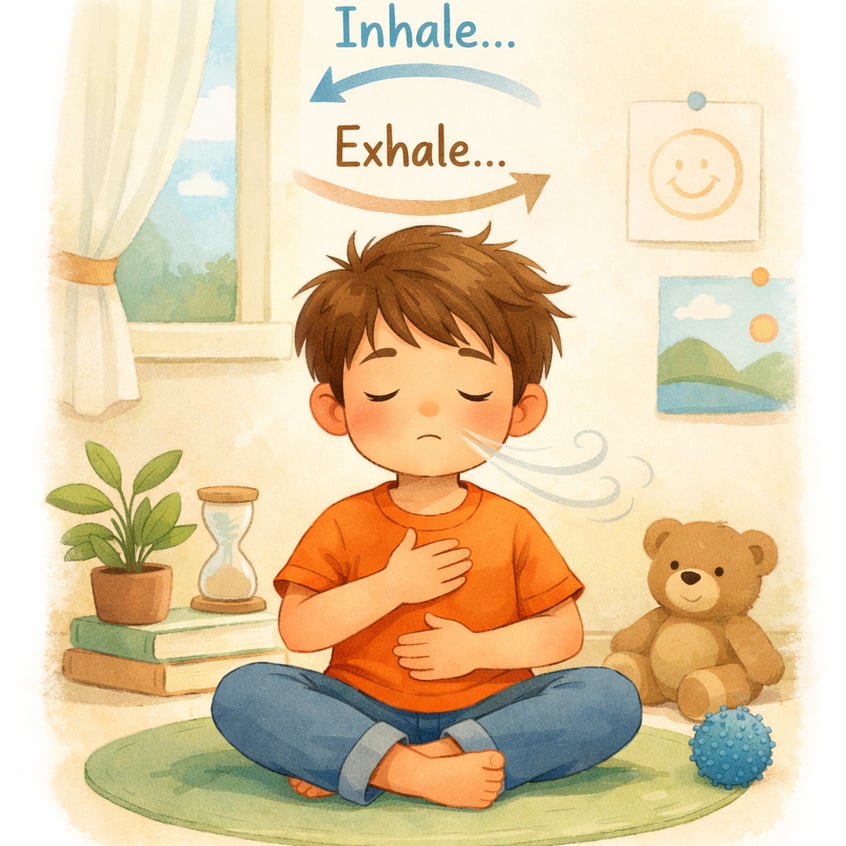
One of the most powerful tools is deep breathing exercises. For instance, the "7/11 technique" involves breathing in for a count of 7 and out for a count of 11. The longer exhale helps activate your body's relaxation response. Another popular method is progressive muscle relaxation, where you systematically tense and then release different muscle groups, which helps you become more aware of physical tension and actively let it go.
Practicing these techniques regularly can make a big difference. Some common exercises include:
- Deep Breathing: Inhale slowly through your nose, hold for a few seconds, and exhale slowly through your mouth.
- Mindful Grounding: Focus on your five senses to ground yourself in the present moment, distracting you from your anger.
- Visualization: Imagine a peaceful, calming scene to help lower your stress levels.
Communication and Assertiveness Skills
How you communicate when angry can escalate or resolve a situation. Anger management therapy often uses assertiveness training to help you express feelings constructively. Assertiveness balances passivity (suppressing your needs) and aggression (violating others’ rights).
Strong communication skills are essential for healthy relationships. This means not just talking, but also actively listening, understanding others’ perspectives, and expressing yourself without blame. Replacing aggressive responses with assertive statements can prevent conflicts from escalating.
Therapy provides a safe space to practice these skills. Key strategies include:
- Using "I" statements (e.g., “I feel frustrated when…” instead of “You always…”).
- Saying "no" to protect your boundaries.
- Practicing active listening before responding.
Structure and Process of Anger Management Sessions
Anger management therapy sessions are structured to provide you with a clear path toward change. Whether you choose individual therapy for personalized attention or group therapy for peer support, the process typically begins with an assessment. Your therapist will work with you to understand your specific triggers and challenges.
From there, you and your therapist will collaborate on a treatment plan with clear goals. Therapy sessions will involve learning and practicing new skills, discussing recent challenges, and tracking your progress. This structured approach ensures that you are actively building the tools needed for lasting emotional regulation. The following sections will explain what to expect from your first session and how progress is measured.
What to Expect During Your First Session
Attending your first anger management session is a brave step. This initial meeting is mainly an assessment, where the therapist learns about your history with anger, triggers, and their impact on your life. The goal is to create a safe, nonjudgmental space for you to share openly.
You'll also get a sense of the therapist’s approach and can ask questions about their experience or methods. Don’t worry about having all the answers—the therapist will guide you. The main purpose is to gather information for a personalized treatment plan and lay the foundation for a trusting, effective relationship to support your goals.
Setting Goals and Tracking Progress
Successful anger management starts with clear goals. After your assessment, your therapist will help set achievable targets tailored to your needs, such as reducing outbursts, communicating calmly, or recognizing triggers sooner.
Tracking progress keeps you motivated. Your therapist may suggest keeping a journal to log anger incidents, triggers, and your responses. This helps identify patterns and shows your improvement as you practice new coping strategies.
As you advance, your goals may change. What once felt difficult can become routine. Regularly reviewing progress with your therapist lets you celebrate successes and adjust your plan as needed, empowering you to take charge of your emotional regulation journey.
Exercises, Worksheets, and Homework in Therapy
Yes, anger management therapy is hands-on and often includes exercises and worksheets. These tools help you practice coping skills learned in sessions, making your progress between sessions just as important as the therapy itself.
For example, you may complete a worksheet to identify and challenge unhelpful thoughts when angry or create a plan for handling specific triggers. This homework reinforces what you learn and helps you apply it daily.
Common exercises include:
- Anger Journals: Track triggers, physical sensations, thoughts, and behaviours related to anger.
- Cost-Benefit Analysis: Weigh the pros and cons of getting angry versus staying calm.
- Cognitive Restructuring Logs: Practice identifying and reframing negative thoughts.
Online vs. In-Person Anger Management Therapy in Australia
In today's world, you have more choices than ever when it comes to accessing anger management therapy. You can absolutely do anger management online, and for many, it's just as effective as traditional in-person therapy. Both formats offer individual therapy and group therapy options, allowing you to choose what feels most comfortable for you.
The choice between online and in-person support depends on your personal preferences, schedule, and location. Online therapy offers convenience and accessibility, while in-person sessions provide face-to-face interaction. We will explore the pros and cons of each, how to access services in Australia, and how technology is being integrated into therapy to help you decide which is the right fit.
Pros and Cons of Online Therapy for Anger Management
Online therapy is a popular option for anger management, offering key advantages like accessibility and convenience. It’s ideal if you live remotely, have a busy schedule, or face mobility challenges, letting you connect with a therapist from home.
However, it can feel less personal than in-person sessions. Technical issues may disrupt meetings, and therapists may struggle to read non-verbal cues over video.
Effectiveness depends on your needs and comfort level. Online therapy makes learning coping strategies easier but has both benefits and drawbacks to consider.
|
Pros of Online Therapy |
Cons of Online Therapy |
|---|---|
|
Accessible and convenient |
Less personal than in-person |
|
Greater privacy and comfort |
Possible technical disruptions |
|
Wider choice of therapists |
Harder to read non-verbal cues |
How to Access In-Person Support Services in Australia
If you prefer in-person therapy, there are several ways to access support in Australia. Your General Practitioner (GP) can assess your concerns and refer you to a psychologist or counselor specializing in anger management.
With a GP referral and a Mental Health Treatment Plan, you may qualify for Medicare rebates for a limited number of sessions, making therapy more affordable. You can also use the Australian Psychological Society’s “Find a Psychologist” tool to locate local experts.
Many private practices and community health centers offer anger management programs. Contact them directly to ask about services, fees, and specialists. Take your time to find the right fit for your needs.
Integrating Technology and Digital Tools in Therapy
Therapy is evolving, and technology is playing an increasingly important role in supporting anger management. Beyond online therapy sessions, many therapists are now integrating digital tools to help you practice your coping skills between appointments. These tools can make your treatment more engaging and effective.
Think of it as having support in your pocket. Therapists may recommend smartphone apps that guide you through relaxation techniques, help you track your mood, or provide quick exercises to use when you feel anger rising. These digital aids can serve as a valuable extension of your therapy, providing reinforcement and support whenever you need it.
Using technology can help you stay consistent with your practice. Some useful digital tools include:
- Mood-tracking apps: To help you identify patterns and triggers for your anger.
- Guided meditation apps: For practicing mindfulness and deep breathing exercises.
- Digital journals: To easily log your thoughts and feelings throughout the day.
Duration and Effectiveness of Anger Management Behavioural Therapy
A common question people have is about the duration and effectiveness of anger management therapy. The good news is that this type of therapy is highly effective, with many people experiencing significant improvements. The length of your treatment plan will depend on several factors, including the severity of your anger and your commitment to the process.
While some may see positive changes in just a few weeks, others may need several months of consistent therapy to achieve their desired outcomes. Lasting change is a journey, not a race. The following sections will discuss the typical timeline for results, the factors that influence success, and some real-life examples of how therapy has helped others.
How Long Does Therapy Typically Take to Show Results?
The timeline for seeing results in anger management therapy varies from person to person. Many structured programs are designed to last between 6 and 12 weeks, and you can start to notice initial progress within the first few sessions. This early progress often involves increased self-awareness—simply recognizing your triggers and early warning signs is a huge step forward.
As you continue with therapy, you'll begin to apply the coping skills you've learned. This is when you'll likely see more significant changes in your behaviour. It takes time and repetition to make these new, healthier responses feel automatic. The therapy duration is not set in stone; it's flexible and adapted to your individual needs.
Remember, progress isn't always a straight line. You might have good weeks and challenging weeks. The key is consistency. The more you practice the skills and engage in the process, the quicker you'll build the confidence and ability to manage your anger effectively. Lasting change is built through steady effort over time.
Factors That Influence Outcomes and Success Rates
The success of your anger management journey is influenced by several key factors. While individual therapy provides a strong framework for change, your personal commitment plays the biggest role in determining the outcomes. Your motivation and readiness to change are powerful drivers of progress.
The nature of your anger issues also matters. If your anger is linked to deeper issues like trauma, depression, or substance use, the mental health treatment may need to be more comprehensive and could take longer. The support system you have outside of therapy—from family, friends, or a partner—can also significantly impact your success rates.
Ultimately, your engagement in the process is what makes the difference. Success is more likely if you:
- Attend sessions regularly: Consistency is crucial for building momentum.
- Actively practice coping strategies: Do the homework and use the tools you learn in your daily life.
- Are open and honest with your therapist: A strong therapeutic relationship is built on trust.
Real-Life Success Stories of Anger Management in Australia
Effective anger management can be life changing. For example, a father who once snapped at his kids after work learned through therapy to recognize stress triggers and practice calming techniques before coming home. Now, he enjoys peaceful evenings and stronger family bonds.
A young professional with a quick temper improved her career by joining group therapy. She gained communication skills and learned from others’ experiences, allowing her to handle workplace conflicts constructively and earn a promotion.
These stories from across Australia show that real change is possible. Whether repairing relationships or gaining better self-control, anger management empowers people to transform pain into resilience and strength.
Risks, Considerations, and Safety of Anger Management Therapy
While anger management therapy is generally safe and highly beneficial, it's important to be aware of potential considerations. The process of exploring the roots of your anger can sometimes be emotionally uncomfortable. You might uncover past hurts or difficult memories that you need to work through.
A qualified therapist will create a safe environment to navigate these feelings. It's crucial to be open about any discomfort you experience. The following sections will cover potential side effects and limitations of therapy, and explain when it might be necessary to seek additional professional help for underlying issues.
Potential Side Effects and Limitations
Like any therapy, anger management can have temporary side effects. As you confront difficult emotions, you may initially feel more emotional or vulnerable—this is normal as you process suppressed feelings. Let your therapist know if this happens.
Anger management has its limits. If chronic anger stems from deeper issues like a personality disorder or severe trauma, it may not be enough on its own and should be part of a broader treatment plan.
Therapy isn’t a quick fix, so manage your expectations. Common challenges include:
- Emotional discomfort: Discussing past events can be painful at first.
- Strained relationships: Changing how you communicate may take others time to adjust.
- Slow progress: Change is gradual, and setbacks are normal.
When to Seek Additional Professional Help
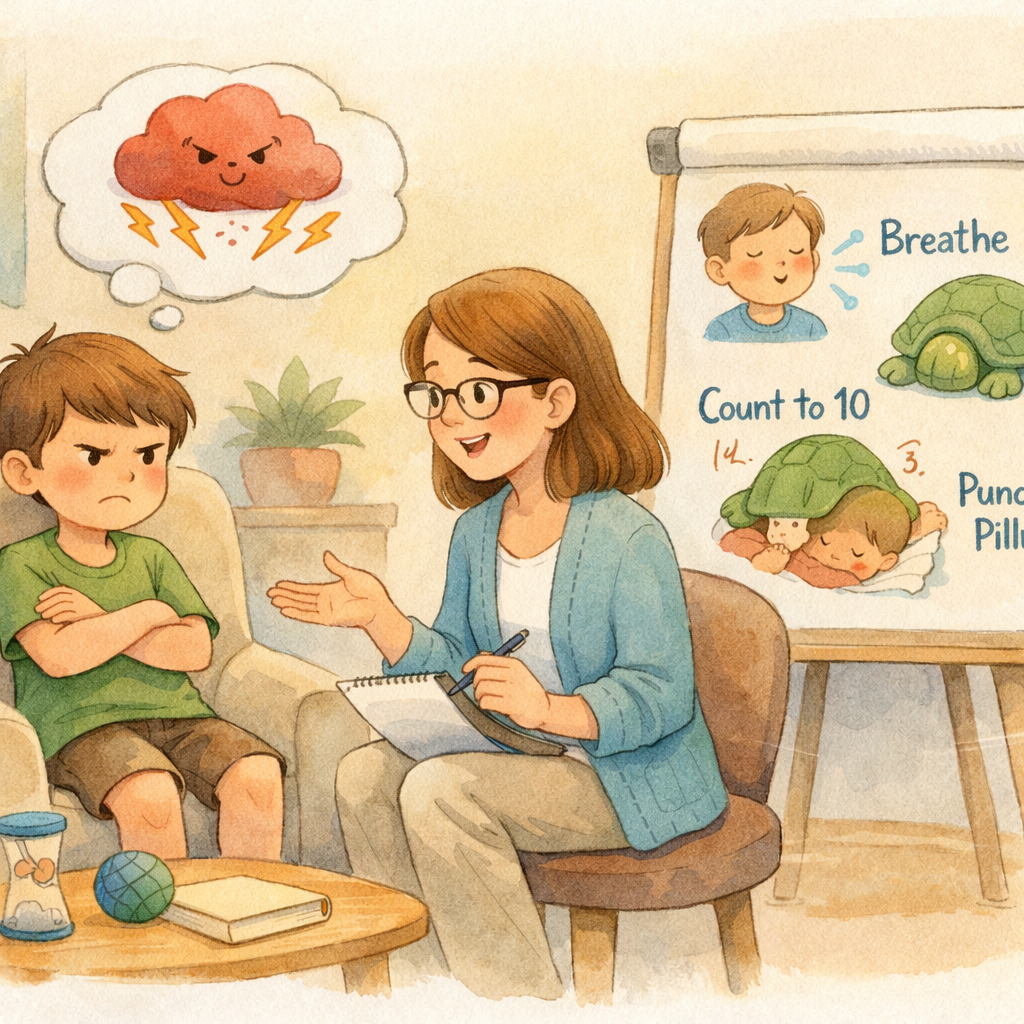
Anger is often just the surface of deeper issues. If anger management hasn’t helped and you’re experiencing severe depression, self-harm, or substance abuse, seek comprehensive professional support.
Chronic anger can be linked to conditions like borderline personality disorder, bipolar disorder, or complex trauma, which require specialized therapy beyond standard anger management. A mental health professional can assess for co-occurring disorders that may need attention.
If anger is causing family conflict, family therapy can help improve communication and address underlying problems. Discuss any concerns with your therapist—they can connect you with the right resources and support.
Conclusion
In conclusion, anger management behavioural therapy offers a comprehensive approach to understanding and regulating emotions. By incorporating techniques like mindfulness, communication skills, and structured sessions, individuals can learn to navigate their anger more effectively. Whether you are seeking help for yourself or for someone else, the journey through therapy can lead to significant improvements in personal relationships and overall well-being. Remember, it's never too late to seek support, and taking that first step can make all the difference.
If you're ready to explore how anger management can transform your life, consider reaching out for a consultation or call daar at 02 9133 2500 to discuss your options.
Frequently Asked Questions
Are there specific exercises or worksheets I can use at home?
Yes, many therapists provide exercises for home practice. These often include anger journals to track triggers, worksheets for practicing CBT techniques, and guides for deep breathing or mindfulness. These tools are crucial for reinforcing the coping skills you learn in your anger management sessions and applying them in real-world situations.
Can anger management behavioural therapy improve my relationships?
Absolutely. A major focus of anger management is improving communication skills and learning healthy conflict resolution. By replacing aggressive anger responses with assertive and calm communication, you can break cycles of conflict. Better emotional regulation allows you to express your needs without damaging the trust and respect in your relationships.
Is anger management behavioural therapy covered by Medicare in Australia?
In Australia, if your anger is linked to a diagnosable mental health condition like anxiety or depression, you may be eligible for Medicare rebates. You'll need to visit your GP to get a Mental Health Treatment Plan, which can provide subsidized access to anger management therapy with a psychologist.
.svg)




.svg)