
.png?width=48&height=48&name=Group%201%20(3).png)























15 April, 2026

Digital Curfew: Your Essential Guide to Screen-Free Bedtime
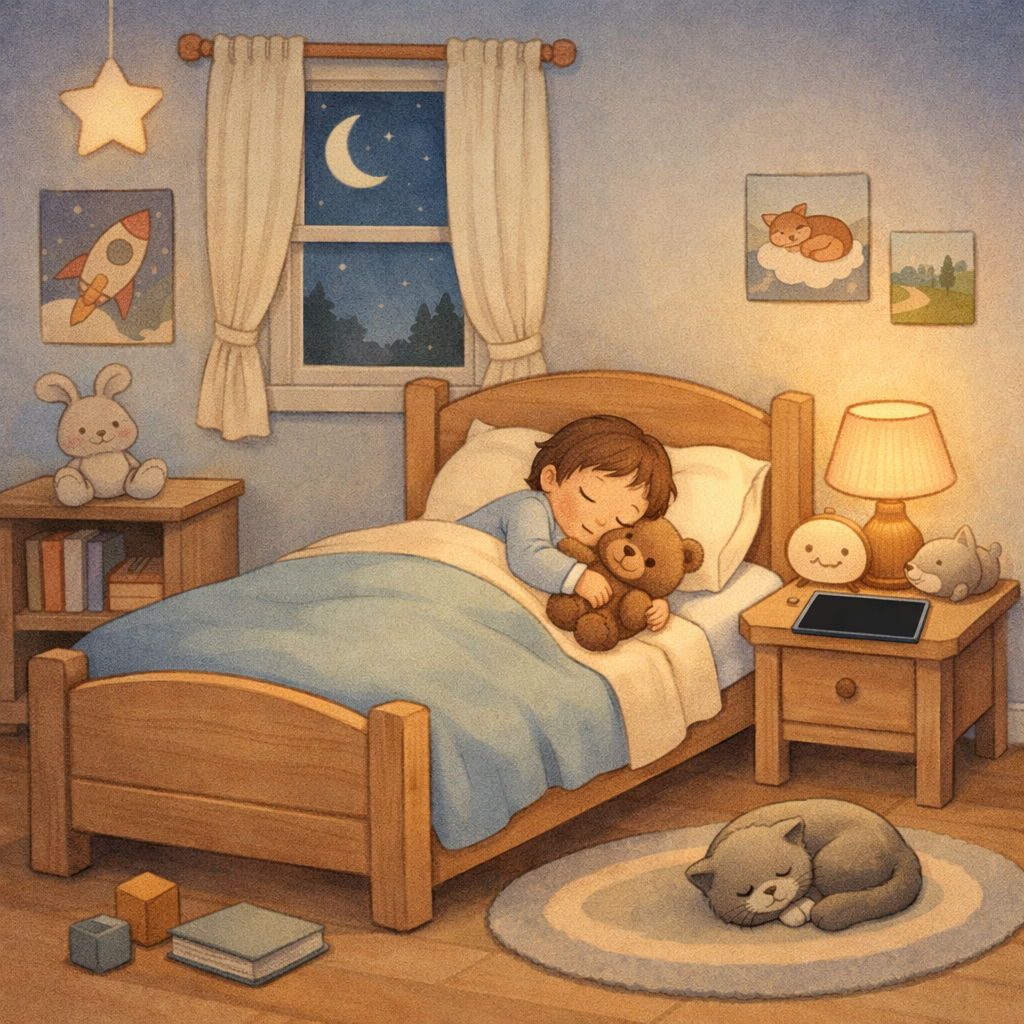
Picture this: It is finally the end of a long day. You are ready to tuck your kids in, turn off the lights, and enjoy a moment of quiet. But instead of a sleepy, yawning child, you are met with a wired, wide-awake kiddo who just finished watching a fast-paced cartoon or playing a colorful tablet game on Facebook. Increasingly, governments are introducing digital curfews for children because of growing concerns about the negative impact of excessive screen time on sleep, mental health, and overall well-being. These curfews are designed to help children disconnect from devices at night, promoting healthier routines and deeper rest.
If bedtime in your house has become a nightly battle of wills, it might be time to look at your family’s digital habits. Establishing a consistent evening screen restriction for kids, instead of relying on a smartphone as an alarm clock, is one of the most powerful changes you can make to improve your child's well-being.
In this guide, we will explore the fascinating science behind screen time and sleep in children, and share warm, practical strategies for making no screens before bedtime a peaceful reality in your home. While digital curfews and time limits can help improve sleep quality, it's important to also consider that there may be negative impacts for young people, such as feelings of restriction, potential social isolation, or difficulties managing technology independently as they grow older. Striking a balance is key to supporting positive, healthy habits.
The Science: Why Screens Sabotage Sleep
To understand why a digital curfew is so important, it helps to look at what happens inside your child's brain when they stare at a screen in the evening. Building good sleep hygiene with no screens and considering various business models comes down to two main biological factors:
- The Melatonin Blockade: Our brains are wired to respond to light. As the sun sets, the brain releases melatonin, the hormone that makes us sleepy. However, the artificial blue light emitted by internet-connected devices like phones, tablets, and TVs tricks the brain into thinking it is still daytime, effectively suppressing melatonin production and delaying sleep onset.
- Brain Overstimulation: It is not just the light; it is the content. Fast-paced videos, interactive games, and bright animations trigger the release of dopamine and adrenaline. This puts your child's nervous system into a state of hyper-arousal. To address this, technology experts recommend and implement digital curfews, which set specific times for devices to be turned off in the evening. By disconnecting from stimulating online content and algorithms before bedtime, children’s brains have time to unwind, reducing overstimulation and supporting healthier sleep patterns. Digital curfews are one practical tool used to protect children online and promote better sleep.
- Developmental Impact: Sleep is when children's brains consolidate learning and their bodies release essential growth hormones. Technology Secretary Peter Kyle mentioned that when evening screen use fragments or delays their sleep, it directly impacts their cognitive development, emotional regulation, and physical health.
Actionable Strategies: How to Implement a Digital Curfew
Enforcing no screens, especially smartphones, before bedtime doesn't have to mean nightly tantrums. Here are parent-friendly ways to transition your home to a screen-free evening routine and build lasting, healthy sleep habits for kids.
1. Set a Firm Digital Curfew
Experts recommend turning off all screens and limiting the use of digital devices 60 to 90 minutes before your child's targeted sleep time. Pick a specific time (e.g., 7:00 PM) and make it a non-negotiable family rule. Create a physical "tech drop" station in the kitchen or living room where all devices go to "sleep" for the night.
2. Create a Calming, Consistent Bedtime Routine
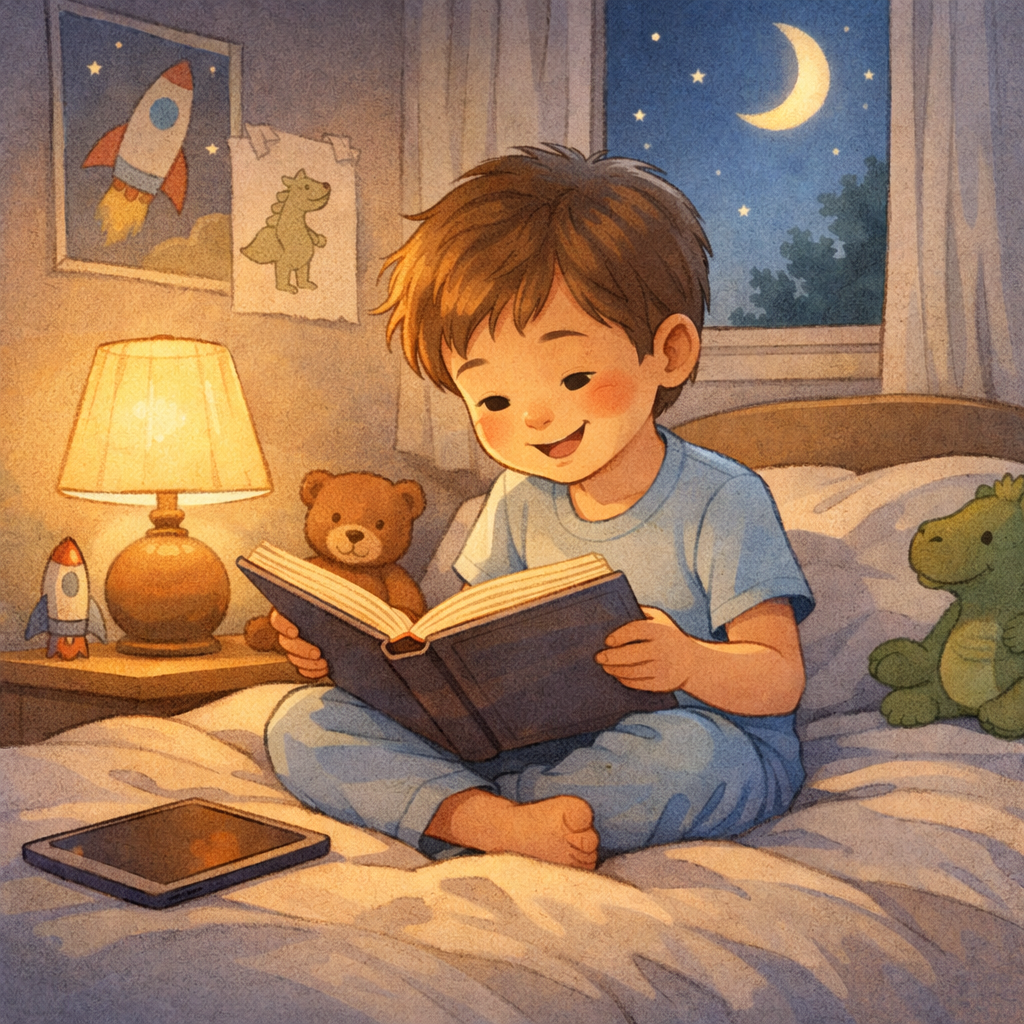
Once the screens are off, replace that time with a predictable sequence of events. A consistent routine signals to your child's brain that it is time to wind down. The classic "Bath, Brush, Book, and Bed" routine works wonders for transitioning their energy from high to low.
3. Lead by Example
Children are incredibly perceptive. If you are enforcing a screen ban for them while strolling through your phone on the couch, they will resist. Try to put your own devices away during their bedtime routine to model healthy digital boundaries. Recent surveys and studies suggest that public support for digital curfews among young people has shown some increase, as many recognize the benefits of setting boundaries to improve sleep and well-being, especially given the negative impacts of social media. While opinions still vary, there is a growing understanding among youth of the need for balanced technology use.
Age-Specific Guidance for Screen-Free Evenings
Replacing screen time with relaxing activities is the secret to a smooth transition. Here is how to tailor the evening based on your child's age:
Toddlers (Ages 1-3)
Toddlers thrive on sensory cues and physical connection. They do not have the emotional maturity to easily transition away from a stimulating screen.
- Alternative Activities: Focus on quiet, tactile play. Build with soft blocks, do a simple puzzle, or draw with chunky crayons.
- The Routine: Keep the routine short (20-30 minutes). Incorporate a warm bath and a gentle massage with lotion to naturally soothe their nervous system, followed by reading a favorite board book.
Preschoolers (Ages 3-5)
Preschoolers are notorious for testing boundaries and begging for "just one more video!"
- Alternative Activities: Engage their vivid imaginations. Make hand shadow puppets on the wall with a flashlight, play with a sensory bin, or listen to a calming children's audiobook or podcast while they lay in bed.
- The Routine: Use a visual timer. When the timer chimes, the screen turns off, and the bedtime routine begins. This takes the "blame" off you and puts it on the clock.
School-Aged Children (Ages 6-12)
Older kids may push back harder, especially if they use screens to unwind or need them for homework, similar to their time spent on Instagram.
- Alternative Activities: Encourage independent, low-stimulation hobbies. Reading chapter books, journaling, drawing, or playing a slow-paced family card game are excellent screen replacements.
- The Routine: Talk to them about why the rule exists. Explain how blue light affects their brain so they understand it is about health, not punishment. If they must use a computer for homework, ensure they use blue-light-filtering software and still enforce 30-45 minutes of screen-free time to decompress afterward.
Overcoming Common Challenges
Changing established habits is tough. Here is how to navigate the bumps in the road:
- Handling Screen Dependency and Tantrums: When you first implement an evening screen restriction for kids, expect resistance. This is called an "extinction burst." Validate their feelings ("I know it's hard to turn off the game, it's so fun!") but hold the boundary. If you give in, you teach them that tantrums earn extra screen time.
- Inconsistent Routines: Life gets busy, and sometimes you get home late. On those nights, skip the screens entirely rather than trying to squeeze in a quick show. Shorten the routine (skip the bath, just do teeth and one book), but keep the "no screens" rule intact.
The Long-Term Benefits of Unplugging
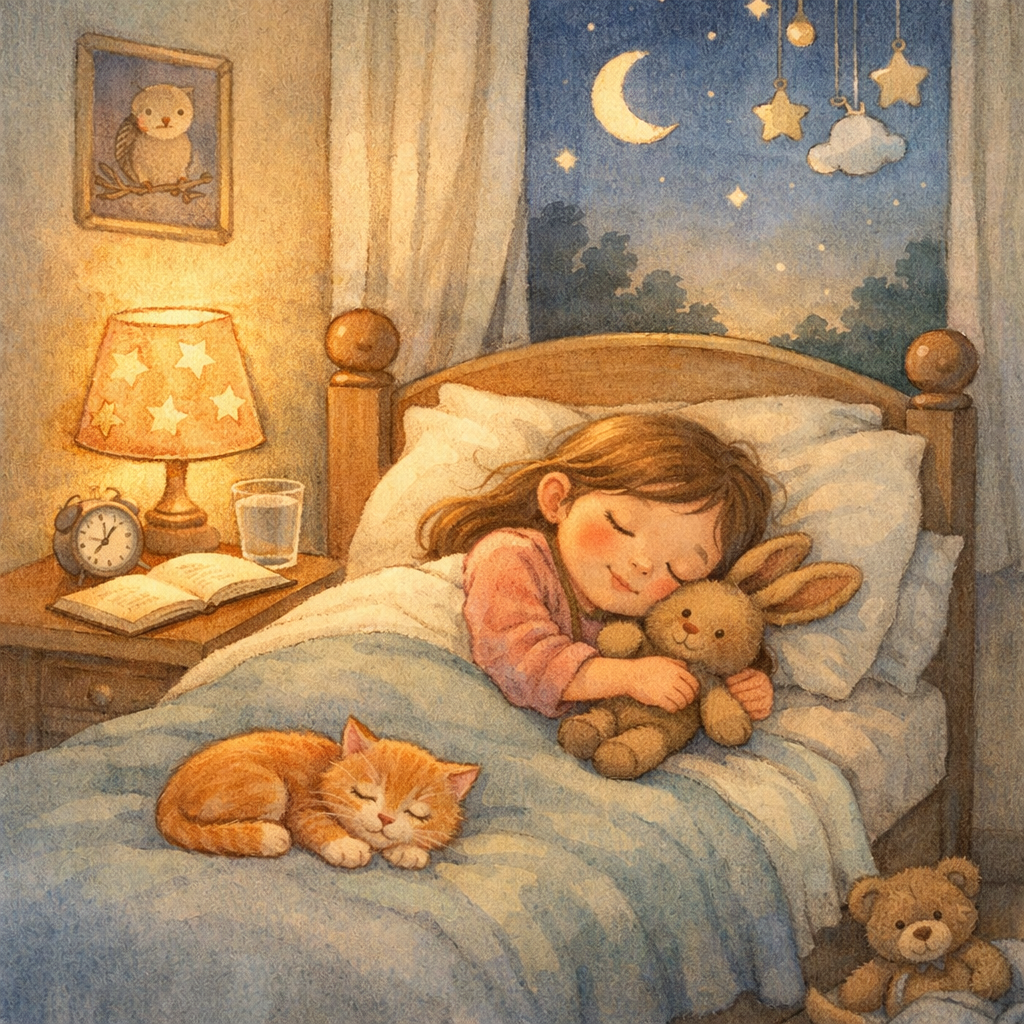
The effort it takes to enforce a screen-free evening, especially from apps like TikTok, pays massive dividends. Children with strong sleep hygiene experience profound long-term benefits:
- Better Moods: Well-rested kids have an easier time regulating their emotions, leading to fewer daytime meltdowns and less irritability.
- Improved Academic Performance: Without the brain fog of sleep deprivation, children have better focus, memory retention, and problem-solving skills at school.
- Holistic Health: Adequate sleep supports a robust immune system and healthy physical growth.
Parenting in the digital age is no easy feat, but reclaiming your evenings from glowing screens is one of the greatest gifts you can give your child. By prioritizing connection, quiet play, and a soothing routine, you are setting the stage for sweet, restorative dreams.
Frequently Asked Questions (FAQ)
1. What if my child uses an e-reader to read before bed? Does that count as a screen?
This is a very common question! It depends on the type of device. If your child is reading on a tablet (like an iPad or Kindle Fire), that still emits sleep-disrupting blue light and counts as a screen. However, dedicated e-readers with e-ink displays (like a basic Kindle or Kobo) that do not have a harsh backlight are generally safe. E-ink mimics real paper and does not suppress melatonin, making it a great addition to your sleep hygiene no screens routine.
2. Are we allowed to have family movie nights, or is the evening screen restriction for kids strictly for every single night?
Flexibility is a part of real life! A weekly family movie night with apps is a wonderful bonding experience. On those special nights, the goal is to finish the movie at least 45 to 60 minutes before your child actually needs to be asleep. Once the credits roll, transition right into your tactile, calming bedtime routine (like brushing teeth and reading a quiet book in bed) to help their brains decompress from the cinematic excitement.
3. My child loves listening to sleep stories or calming music on my phone. Does this break the "no screens before bedtime" rule?
Not at all! Audio-only stimulation is entirely different from visual screen time. Listening to a soothing meditation, an audiobook, or soft music is an excellent way to transition a child’s busy brain into a state of rest. The trick is to start the audio, turn the screen completely off (or place the device face down across the room), and let their ears do the listening without the blue light exposure.
.svg)




.svg)