
.png?width=48&height=48&name=Group%201%20(3).png)
























9 February, 2026

Understanding Childcare Behaviour Support: A Foundation for Success
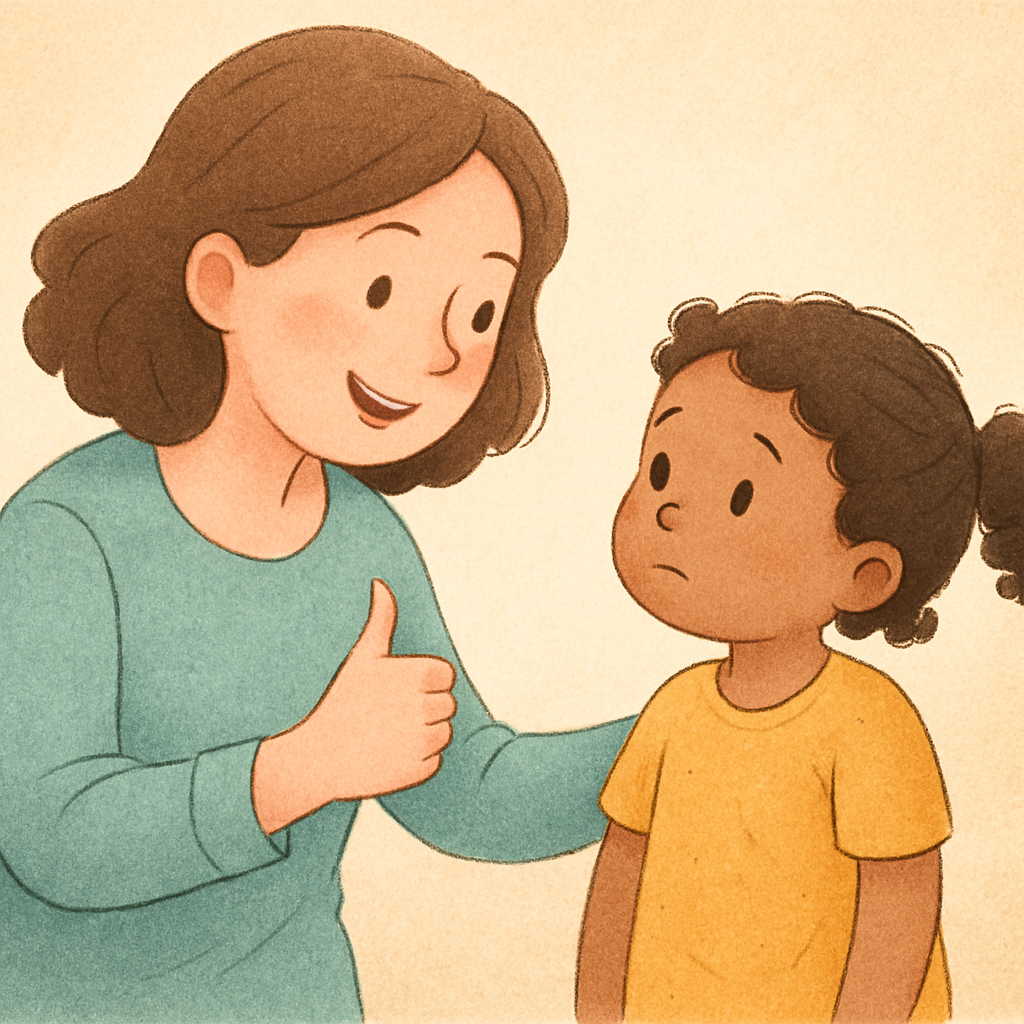
The early years of a child’s life are a whirlwind of discovery. From learning to share toys to navigating big emotions like frustration and excitement, toddlers and preschoolers are constantly processing new social rules. It is natural for this learning curve to come with bumps in the road—tantrums, biting, or refusal to listen are often just signs that a child is struggling to communicate or regulate their feelings.
This is where childcare behaviour support becomes an essential tool.
It is not about strict discipline or labeling a child as "naughty." Instead, it is a proactive, compassionate approach used by educators and specialists to help children understand their emotions and develop positive social skills. Whether you are a parent concerned about your child's behaviour at drop-off or an educator looking for better classroom strategies, understanding the mechanics of behaviour support can transform the early learning experience.
In this guide, we will explore what effective childcare behaviour support looks like, why it matters, and how it bridges the gap between home and the classroom.
What is Childcare Behaviour Support?
Childcare behaviour support refers to the strategies, interventions, and frameworks used within early learning settings to promote positive behaviour and address challenging actions.
At its core, it is based on the understanding that behaviour is communication. When a child throws a block, they aren't necessarily trying to be difficult; they might be saying, "I am frustrated," "I want that toy," or "I need space."
Effective support involves:
- Observation: Identifying triggers (what happens before the behaviour).
- Skill Building: Teaching the child what to do instead of the negative behaviour.
- Environment Modification: Changing the classroom setup to reduce stress and conflict.
- Collaboration: Educators and parents working together to ensure consistency.
The "Tiered" Approach to Support
Most high-quality childcare centres use a tiered model of support, often inspired by frameworks like the Pyramid Model or Positive Behaviour Support (PBS).
Tier 1: Universal Support (For All Children)
This is the foundation of childcare behaviour support. It involves creating a nurturing environment where expectations are clear.
- Visual Schedules: Pictures that show the daily routine so children feel secure knowing what comes next.
- Positive Reinforcement: Praising specific behaviours (e.g., "I love how you helped pack away the blocks") to encourage repetition.
- Emotional Literacy: Reading books about feelings and using "emotion cards" to help children name their state of mind.
Tier 2: Targeted Support (For Some Children)
Some children need a little extra help to master social skills.
- Small Group Activities: Practicing turn-taking or sharing in a smaller, less overwhelming group.
- Social Stories: Reading personalized stories that explain specific scenarios, like how to ask to join a game or what to do when you feel angry.
Tier 3: Intensive Support (For Few Children)
For children with persistent challenging behaviours or developmental delays, individualized childcare behaviour support plans are created. This often involves collaboration with external professionals like Behaviour Therapists, Occupational Therapists, or Inclusion Support facilitators.
Why Early Intervention Matters
Parents often wonder if they should "wait and see" if a behaviour passes. However, experts agree that early intervention is key.
Building Neural Pathways
The brain is most plastic in the first five years. By implementing childcare behaviour support strategies early, we help wire the brain for emotional regulation and empathy. Unlearning negative habits becomes much harder as children grow older.
School Readiness
Social and emotional skills are arguably more important for school readiness than knowing the ABCs. A child who can listen to instructions, manage frustration, and play cooperatively is better equipped to learn in a formal school setting.
Reducing Stress for the Family
Challenging behaviours at childcare often spill over into the home. When parents and educators use the same language and strategies, the child receives a consistent message, leading to a calmer household and a happier drop-off routine.
Strategies You Can Use at Home
The best childcare behaviour support happens when home and school are in sync. Here are three educator-approved strategies you can try:
1. The "First/Then" Strategy
This is a simple way to manage transitions and non-compliance.
- Concept: "First [less preferred task], Then [preferred task]."
- Example: "First put on your shoes, then we can go to the park."
It validates the reward while setting a clear boundary.
2. Validating Emotions
Before correcting behaviour, connect with the emotion.
- Instead of: "Stop crying, it's just a broken cracker."
- Try: "You are sad your cracker broke. That is frustrating. Let's see if we can eat the pieces."
This helps the child feel heard, which de-escalates the tantrum faster.
3. Offering Limited Choices
Power struggles often stem from a lack of control. Give your child autonomy within safe boundaries.
- Example: "It is time to get dressed. Do you want the blue shirt or the red shirt?"
They get to choose, but the ultimate goal (getting dressed) is achieved.
When to Seek Professional Help
While tantrums are normal, some behaviours require professional insight. You might consider seeking specialized childcare behaviour support if:
- The behaviour is unsafe (causing injury to self or others).
- The behaviour is impacting the child’s ability to make friends or participate in activities.
- The behaviour represents a regression (e.g., a toilet-trained child having frequent accidents).
- You feel overwhelmed and unsure how to cope.
In these cases, speak to your Centre Director. They can often assist with referrals to paediatricians or early intervention specialists.
Conclusion
Navigating the ups and downs of early childhood can be exhausting, but you don't have to do it alone. Childcare behaviour support provides a framework that turns challenges into learning opportunities.
By viewing behaviour as a form of communication and responding with consistency and empathy, we give our children the greatest gift of all: the ability to understand themselves and connect with others. Whether you are a parent or an educator, embracing these strategies creates a safer, happier, and more inclusive environment for every little learner.
If you are looking for a childcare environment that prioritizes emotional well-being and positive behaviour support, we are here to help.
Contact Us Today for a consultation or call daar at 02 9133 2500 to speak with our team about our philosophy and how we support every child’s unique developmental journey.
FAQ: Common Questions About Behaviour Support
Is behaviour support the same as discipline?
No. Discipline often implies punishment or control. Childcare behaviour support focuses on teaching skills. The goal is self-regulation (the child controlling themselves) rather than external control (the adult controlling the child).
How do I know if my childcare centre has good behaviour support?
Ask them! Good questions include: "How do you handle conflict between children?" "Do you use visual schedules?" and "How do you communicate with parents about challenging days?" Look for answers that focus on guidance and partnership.
What is an Inclusion Support Plan?
In many countries (like Australia), childcare centres can access funding to support children with high needs. An Inclusion Support Plan is a document that outlines specific strategies and resources to ensure a child can fully participate in the program.
.svg)




.svg)