
.png?width=48&height=48&name=Group%201%20(3).png)
























3 December, 2025

Exploring Behaviour Therapy: Techniques and Approaches
Introduction
Welcome to the world of behaviour therapy, a powerful tool for improving mental health and fostering positive change. This approach offers structured ways to understand and influence behaviour, helping individuals learn new skills and navigate daily challenges more effectively. For families of children with autism spectrum disorder, behaviour therapy can be a key to unlocking potential and enhancing quality of life. Are you curious about how it works and what techniques are involved? Let's explore this therapeutic approach together.
Key Highlights
-
Behaviour therapy is a psychological approach focused on understanding and modifying actions.
-
Applied Behaviour Analysis (ABA) is a type of behaviour therapy often used for autism spectrum disorder.
-
The primary goal is to encourage positive behaviour change by rewarding desired actions.
-
Safe ABA therapy is always individualized to a child's unique strengths and needs.
-
ABA therapists use techniques to teach new skills and reduce challenging behaviours.
-
Parental involvement is crucial for the success and safety of the therapy.
Overview of Behaviour Therapy

Behaviour therapy is an established approach to improving mental health by focusing on observable actions. It operates on the principle that behaviours are learned and can therefore be changed. The American Psychological Association and other professional bodies recognize its effectiveness in various settings.
The core idea is to promote significant behaviour change by analyzing how the environment influences actions. This therapy provides practical strategies to help individuals adopt more helpful behaviours. We will look closer at its definition, goals, and how it compares to other treatments.
Defining Behaviour Therapy
Behaviour therapy centers on modifying specific behaviours through various techniques rooted in psychological principles. This approach emphasizes the role of learning in shaping behaviour, utilizing strategies such as operant conditioning and positive reinforcement to promote desirable actions while decreasing problematic ones. Recognizing the significance of the environment, the therapy often involves interventions that focus on adaptive skills and daily living skills, addressing individuals' unique needs and strengths.
Applied Behaviour Analysis (ABA) serves as a foundation for many behaviour therapy practices, particularly when working with autistic children and those with developmental disorders. Techniques such as discrete trial training and natural environment training are frequently employed to facilitate communication and social interactions, leading to positive changes and improved quality of life. By analyzing and understanding behaviours, therapy sessions aim for significant behaviour change and skill acquisition.
Key Goals and Principles
Fostering desired behaviour through structured interventions is a central aim of behaviour therapy. This approach emphasizes the importance of early intensive behavioural intervention, targeting specific behaviours to promote positive change in individuals, particularly those with autism spectrum disorder. The integration of principles such as positive reinforcement and operant conditioning serves to enhance skill acquisition in relevant areas, including social interactions and daily living skills.
Behaviour modification strategies are guided by assessment and data collection to identify challenging behaviours and develop tailored treatment goals. By utilizing techniques like discrete trial training and pivotal response training, therapists can effectively address the unique needs of each child, ensuring the application of ABA principles leads to quality of life improvements in community settings. Overall, positive outcomes arise when therapy aligns with the child’s strengths and developmental needs.
How Behaviour Therapy Differs from Other Psychological Treatments
Focusing primarily on observable behaviours, this therapy emphasizes practical techniques rather than exploring underlying thoughts or emotions. Unlike cognitive-behavioural therapy (CBT), which addresses cognitive processes, behaviour therapy seeks to modify specific actions through systematic interventions like positive reinforcement. It proves particularly effective for individuals within the autism spectrum, addressing social skills and adaptive behaviour through structured methods such as applied behaviour analysis (ABA). As a result, clients often experience significant improvements in their quality of life, gaining valuable communication skills and overcoming challenging behaviours, making it a distinct approach in the landscape of psychological treatments.
Core Concepts of Applied Behaviour Analysis (ABA)
Applied Behaviour Analysis (ABA) is a scientific discipline that uses principles of learning to achieve meaningful behaviour change. At its core, ABA therapy is about understanding how behaviour works in real-world situations. A key element is positive reinforcement, which involves rewarding desired behaviours to make them more common.
The ABA principles are applied systematically to teach new skills and reduce challenging behaviours. It's a highly individualized approach, customized to meet the unique needs of each person. Let's examine the basic principles, common terms, and how it aligns with support systems.
Basic Principles of ABA Therapy
Applied Behaviour Analysis (ABA) therapy is grounded in systematic strategies that aim to foster positive behaviour change. One of the fundamental principles is operant conditioning, which utilizes positive reinforcement to encourage desired behaviours while discouraging negative behaviours. This approach emphasizes the importance of tailored interventions, focusing on the child’s strengths and individual needs to enhance skill acquisition and adaptive behaviour.
Another key element involves data-driven assessment, whereby behaviour analysts measure specific behaviours to inform treatment goals. Techniques such as discrete trial training and pivotal response training are employed to teach skills in structured settings first, then generalize them to natural environments. These principles ensure that interventions are effective in promoting meaningful and positive outcomes for children, particularly those with autism spectrum disorder.
Common Terminology Used in ABA
When you begin your journey with ABA therapy, you might encounter some specific terms. Understanding this language can help you better understand the process and collaborate with your behaviour analyst. ABA can address a wide range of behaviours in children, from communication and social skills to academics and self-care.
Operant conditioning is a fundamental concept where behaviour is controlled by its consequences. This includes both reinforcement (increasing a behaviour) and punishment (decreasing a behaviour). It's important to note that modern, ethical ABA prioritizes positive reinforcement over punishment.
Here are a few other common terms you may hear:
-
Discrete Trial Training (DTT): A structured teaching method that breaks skills into small, "discrete" steps.
-
Negative Reinforcement: Increasing a behaviour by removing an unpleasant stimulus.
-
Reinforcement: A consequence that increases the likelihood a behaviour will occur again.
-
Extinction: Withholding reinforcement for a previously reinforced behaviour to decrease it.
-
Antecedent: The event or trigger that occurs right before a behaviour.
How ABA Therapy Aligns with NDIS
Aligning with the National Disability Insurance Scheme (NDIS), ABA therapy embodies a vital approach to supporting individuals, particularly children, with developmental challenges such as autism spectrum disorder. This alignment is crucial for enhancing communication skills, adaptive behaviour, and overall quality of life through structured interventions tailored to each child’s strengths.
NDIS funding facilitates early intensive behavioural interventions that utilize evidence-based practices like discrete trial training and natural environment training. By integrating positive behaviour strategies, ABA therapy aids in achieving treatment goals focused on skill acquisition and behaviour change. Certification for behaviour analysts ensures that therapy sessions are conducted by highly qualified professionals, maximizing the potential for positive outcomes in everyday social situations and community settings. This comprehensive support nurtures young children’s growth and independence, aligning seamlessly with NDIS objectives.
Main Techniques Used in Behaviour Therapy

Behaviour therapy utilizes several proven techniques to achieve behaviour modification. These methods are designed to teach new behaviours and reduce those that are less helpful. The most fundamental of these is rooted in the principles of learning.
Techniques like operant conditioning use consequences, such as positive reinforcement, to shape behaviour. Other methods include classical conditioning and modeling. Let's take a look at how these different strategies are used to help individuals learn and grow.
Operant Conditioning and Reinforcement
Operant conditioning is a cornerstone of behaviour therapy and a key principle of ABA. It is a learning process where behaviour is shaped by its consequences. This technique is used to bring about meaningful behaviour change by systematically managing what happens after an action occurs.
The two main types of consequences are reinforcement and punishment. Reinforcement makes a behaviour more likely to happen again, while punishment makes it less likely. Ethical ABA practices strongly emphasize reinforcement over punishment to create a positive learning environment.
Here’s a breakdown of the key concepts in operant conditioning:
-
Positive Reinforcement: Adding something desirable (like praise or a toy) to increase a behaviour.
-
Negative Reinforcement: Removing something undesirable (like a chore) to increase a behaviour.
-
Positive Punishment: Adding something unpleasant to decrease a behaviour.
-
Negative Punishment: Removing something desirable to decrease a behaviour.
-
Safe ABA focuses on positive reinforcement to teach and encourage new skills.
Classical Conditioning Techniques
Another important technique in behaviour therapy is classical conditioning. This involves learning through association, where a neutral stimulus becomes linked with a stimulus that naturally produces a response. Over time, the neutral stimulus alone can trigger that same response.
Think of Ivan Pavlov's famous experiment with dogs. A bell (neutral stimulus) was repeatedly paired with food (which naturally causes salivation). Eventually, the dogs began to salivate at the sound of the bell alone. This principle can be used to help children overcome fears or aversions.
In therapy, this technique can help address a variety of behaviours. For example, a child who is afraid of going to the dentist might be exposed to the dental office in a gradual, positive way, pairing it with enjoyable activities. This helps change the automatic emotional response from fear to comfort, demonstrating how new behaviours and reactions can be learned.
Modeling and Social Skills Training
Modeling is a powerful technique used in behaviour therapy to teach new skills, especially social skills. It involves demonstrating a desired behaviour so that the individual can observe and imitate it. This is a natural way that all children learn, and it can be used strategically in therapy.
For children who struggle with social interactions, modeling can be incredibly effective. A therapist might model how to start a conversation, take turns in a game, or respond appropriately to a friend. The child then gets to practice these skills in a supportive environment, often with the therapist or peers.
This approach helps children build a toolkit of appropriate behaviours for various social situations. By watching and practicing, they gain confidence and competence in their social abilities. It's one of the many ways behaviour therapy can address specific challenges and promote positive development.
ABA Therapy Techniques in Depth
To effectively implement ABA principles, therapists use several specific techniques. These structured methods help break down learning into achievable steps and promote skill acquisition in a systematic way.
Two prominent techniques are Discrete Trial Training (DTT) and pivotal response training. While DTT is highly structured, other methods focus on teaching in more natural settings. We'll explore some of these key ABA therapy techniques and how they work to build skills.
Discrete Trial Training (DTT)
Discrete Trial Training (DTT) is a highly structured teaching method used in ABA therapy. It's designed to teach new skills by breaking them down into small, distinct components, or "trials." Each trial is a single teaching opportunity that focuses on one target behaviour.
This method helps autistic children learn foundational skills like matching, imitation, and labeling objects. Because it's so structured and repetitive, DTT can be very effective for children who thrive on predictability. The therapist provides a clear instruction, prompts the child if needed to ensure a correct response, and then gives immediate reinforcement.
The basic structure of a discrete trial includes:
-
The instruction or cue (antecedent).
-
The child’s response (behaviour).
-
The feedback or reward (consequence).
-
A brief pause before the next trial.
This clear, concise format maximizes learning opportunities and helps build momentum for skill acquisition.
Task Analysis and Chaining
Breaking down complex tasks into manageable steps is essential in behavioural therapy. Task analysis allows for this simplification, promoting skill acquisition by identifying each component of a desired behaviour. This structured approach enhances the learner's ability to understand and execute new skills, which is particularly effective for children with developmental disorders.
Chaining complements task analysis by forming a sequence of actions needed to achieve the desired outcome. Each step can be reinforced positively, leading to improved performance and confidence. This technique not only aids in teaching daily living skills but also supports children in navigating social situations. By constructing these sequences, individuals gain a clearer understanding of their capabilities and experience positive changes in behaviour, directly impacting their quality of life.
Prompting and Fading Strategies
Effective prompting strategies are essential in behaviour therapy, particularly in applied behaviour analysis (ABA). These methods involve cueing individuals to elicit desired behaviours, which can be particularly beneficial for autistic children. For example, the use of visual aids or verbal prompts can significantly enhance skill acquisition in social situations or daily living skills. The immediacy and clarity of these prompts facilitate engagement and enable the child to reach specific goals.
Fading is a critical component that follows prompting. As the individual gains confidence and mastery of the target behaviour, prompts are gradually removed to encourage independence. This systematic reduction enhances adaptive skills, leading to improved quality of life and greater engagement in natural environment training. By balancing prompting and fading, behaviour analysts can effectively guide individuals towards positive behaviour changes.
Target Behaviours in Children’s Therapy
In children's ABA therapy, a "target behaviour" is any specific action or skill that the program aims to increase or decrease. For autistic children, these targets are carefully chosen to improve their quality of life and ability to participate in their communities.
The focus can range from reducing challenging behaviours to building essential life skills. The therapy is always tailored to address the unique needs of each child. Let's examine some of the common areas that ABA therapy targets.
Addressing Challenging Behaviours
One of the primary goals of ABA therapy is to address challenging behaviours that may be unsafe or interfere with learning and social opportunities. These can include actions like self-injury, aggression, or property destruction. ABA doesn't just aim to stop these behaviours; it seeks to understand their purpose.
Therapists conduct assessments to determine the function of problem behaviours. Is the child trying to escape a task, get attention, or access something they want? Once the function is understood, the focus shifts to teaching a replacement skill that achieves the same goal in a more appropriate way.
This proactive approach leads to lasting behaviour change. Instead of simply managing the behaviour, ABA therapy empowers the child with new tools to communicate their needs effectively. This reduces frustration and decreases the likelihood of the challenging behaviours returning.
Enhancing Communication and Social Skills
A focus on communication and social skills is crucial for fostering positive changes in individuals, especially those on the autism spectrum. Techniques such as the Picture Exchange Communication System and social skills training enable learners to effectively express their needs and interact with peers. By employing positive reinforcement and modeling appropriate social interactions, behaviour analysts can guide individuals toward skill acquisition.
Therapy sessions often incorporate natural environment training, allowing for the practice of these skills in real-world settings. Engaging activities and pivotal response training can further enhance motivation and facilitate new behaviours. Ultimately, skill development not only aids in daily living but also significantly improves overall quality of life, supporting individuals in navigating various social situations with confidence.
Fostering Independence and Life Skills
Developing independence and essential life skills is a fundamental goal of behaviour therapy, particularly for children with developmental disorders such as autism spectrum disorder. Through techniques like natural environment training and discrete trial training, therapists can create opportunities for children to practice new behaviours in real-life situations. This approach not only enhances adaptive behaviour but also fosters confidence, allowing children to manage daily living skills more effectively.
Skill acquisition is facilitated by employing positive reinforcement, which encourages the repetition of desired behaviours. By setting clear treatment goals and focusing on each child’s strengths, behaviour analysts can design tailored interventions. These strategies ultimately promote positive changes in social interactions and communication skills, paving the way for improved quality of life and greater independence in community settings.
Implementation of ABA Therapy
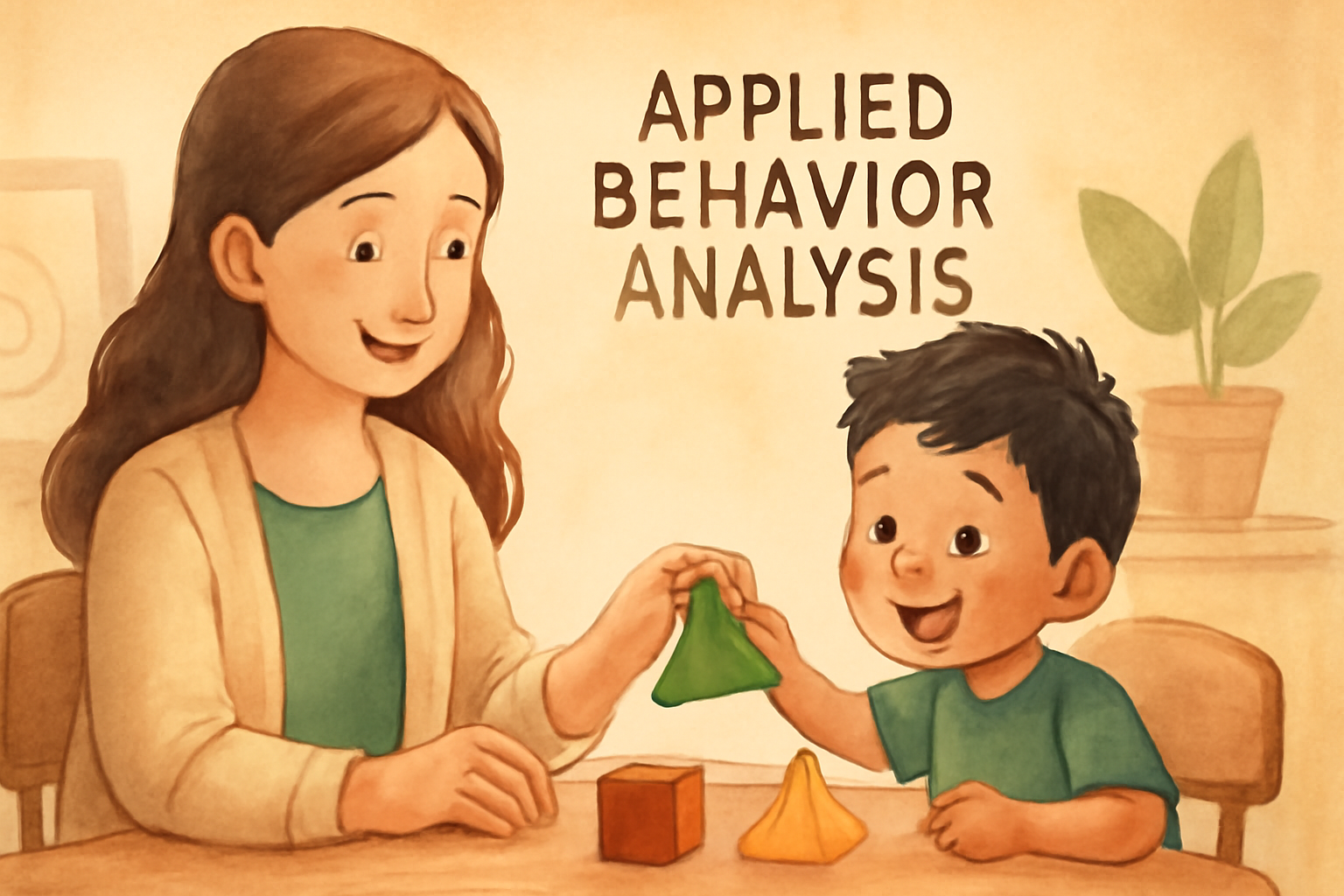
The implementation of ABA therapy is a systematic process guided by a qualified behaviour analyst. It begins with a thorough assessment to identify the individual's strengths and challenges, which then informs the development of specific treatment goals.
All therapy sessions are structured to work toward these goals in a measurable way. The successful delivery of ABA therapy depends on careful planning, consistent implementation, and ongoing evaluation. Let's look at how treatment plans are customized, the typical session structure, and the role of family involvement.
Customizing Treatment Plans
A core principle of effective ABA therapy is that it is never a one-size-fits-all approach. Every treatment plan is highly customized to align with the individual child’s strengths, needs, and family preferences. This individualization is essential for making the therapy meaningful and effective.
Before therapy begins, a behaviour analyst conducts a comprehensive assessment to gather information. This helps in setting relevant treatment goals and identifying specific behaviours to target for change. The plan is designed to be helpful to both the child and their family, focusing on skills that will make a real difference in their daily lives.
A customized plan will clearly outline:
-
The child's current skill levels and strengths.
-
Specific, measurable treatment goals.
-
The teaching strategies and techniques to be used.
-
A plan for monitoring progress and making adjustments as needed.
This ensures the therapy remains focused, relevant, and responsive to the child’s progress.
Intensity and Duration of Sessions
The intensity and duration of ABA therapy sessions can vary widely depending on the child's age, needs, and treatment goals. There is no single standard, as programs are tailored to each individual. For young children, Early Intensive Behavioural Intervention (EIBI) may involve many hours of therapy per week.
Some research suggests that higher intensity (e.g., 25+ hours per week) can lead to better outcomes for some children, particularly in acquiring new language skills. However, the number of hours should always be balanced with the child's need for play, relaxation, and family time. Ultimately, ABA therapy for autistic children is about finding the right balance to support learning without causing burnout.
The focus is on the quality of the therapy sessions, not just the quantity. A skilled therapist can make significant progress even in shorter, more focused sessions. The intensity and duration are continuously reviewed and adjusted based on the child's progress and well-being.
|
Factor |
Description |
|---|---|
|
Intensity |
Refers to the number of therapy hours per week. This can range from a few hours to over 25 hours. |
|
Duration |
Refers to how long a child participates in an ABA program, which could be several months to several years. |
|
Session Length |
Individual therapy sessions may last from one to several hours, depending on the child's age and attention span. |
Involving Parents and Caregivers
Parent and caregiver involvement is a critical component of successful ABA therapy. While a behaviour analyst designs the plan and a technician may deliver direct therapy, parents are the experts on their own child. Your participation ensures that the skills learned in therapy are carried over into the home and community settings.
Therapists should encourage you to be actively involved, from setting goals to participating in therapy sessions. This provides you with the tools and support to continue reinforcing positive behaviours outside of formal therapy. Consistent application of ABA principles across different environments is key to generalizing new skills.
When parents and caregivers are empowered with knowledge and strategies, they become essential members of the therapy team. This collaborative approach creates a strong support system for the child, leading to more significant and lasting positive outcomes.
Comparing ABA Therapy and Cognitive Behavioural Therapy (CBT)
When exploring behaviour therapy options for mental health, you may come across both Applied Behaviour Analysis (ABA) and Cognitive Behavioural Therapy (CBT). Both are evidence-based practices that aim to improve well-being, but they have different focuses and applications.
Understanding the relationship between ABA therapy and CBT can help you determine which approach might be more suitable for your child's specific needs. Let's compare their similarities, differences, and when each might be recommended.
Similarities Between ABA and CBT
Both applied behaviour analysis (ABA) and cognitive-behavioural therapy (CBT) focus on behaviour change and improvement in daily functioning. These therapeutic approaches utilize reinforcement strategies to encourage desired behaviours, emphasizing the importance of adapting to various social situations effectively. They both aim to enhance communication skills and social interactions, especially beneficial for individuals on the autism spectrum. Furthermore, ABA and CBT share a commitment to setting clear treatment goals and measuring progress, ensuring that interventions are tailored to the child’s needs and individual strengths. This adaptability fosters positive outcomes in various developmental disorders.
Key Differences in Application
Techniques in behaviour therapy vary significantly from those used in other psychological approaches. For instance, while cognitive-behavioural therapy (CBT) focuses on addressing thoughts to influence emotions, behaviour therapy emphasizes observable behaviours and employs methods like positive reinforcement to encourage desired actions. Additionally, the application of behaviour therapy often takes shape through structured interventions, such as discrete trial training or pivotal response training, particularly beneficial for young children on the autism spectrum. Tailoring strategies to individual child’s strengths and needs ensures a more personal approach, enhancing social skills and overall quality of life in various settings.
When to Use ABA vs. CBT for Children
Choosing between ABA and CBT for children hinges on the specific needs and circumstances of the child. ABA, particularly effective for addressing autism spectrum disorders, employs techniques like positive reinforcement and behaviour modification to encourage desired behaviours. It is ideal for children facing challenges with adaptive skills, communication, or social interactions, as it breaks down skills into manageable tasks and promotes skill acquisition in various settings.
Conversely, CBT focuses on changing thought patterns and emotional responses, making it suitable for children exhibiting anxiety, depression, or behavioural issues rooted in cognitive distortions. This approach helps foster healthier coping mechanisms and enhances emotional resilience. Hence, the determination of which method to employ depends on the child's individual profile, strengths, and targeted outcomes.
Accessing ABA Therapy and NDIS in Australia
For families in Australia, navigating how to access and fund ABA therapy can seem complex. The National Disability Insurance Scheme (NDIS) provides a pathway to obtain funding for necessary ABA services, but understanding the process is key.
Connecting with certified behaviour analysts and reputable providers is the first step. They can help you understand your options and guide you through the process of using NDIS funding for ABA programs. Let's walk through the eligibility requirements, how to find a provider, and the costs involved.
Eligibility for NDIS-funded ABA Programs
Access to NDIS-funded ABA programs hinges on various eligibility criteria designed to support individuals with developmental disorders, including autism spectrum disorder. Typically, to qualify, applicants must demonstrate a need for early intervention and present a diagnosis made by a certified behaviour analyst or relevant practitioner. Supporting documentation detailing current functional abilities, goals for skill acquisition, and existing behavioural challenges will strengthen the application.
Moreover, the program aims to enhance communication skills, adaptive behaviour, and social interactions, ultimately promoting a better quality of life. Engaging with a behaviour analyst can help craft an individualized plan that aligns with the NDIS framework, ensuring that young children receive the appropriate behaviour therapy tailored to their unique needs. Navigating this process requires careful preparation and understanding of NDIS guidelines.
Steps to Find Reputable ABA Therapists
Finding a reputable ABA therapist is crucial for ensuring your child receives safe and effective autism treatment. Since the field is not tightly regulated in Australia, it's important for you to do your own research and ask the right questions. Look for providers who are transparent, collaborative, and respectful of your child.
Start by looking for certified behaviour analysts (BCBAs). While not mandatory, this certification indicates a high level of training and adherence to ethical standards. You can also seek recommendations from your pediatrician, other parents, or autism support organizations.
When vetting potential providers for ABA services, consider these steps:
-
Ask about their qualifications and the credentials of their staff.
-
Inquire about their approach to therapy—does it focus on your child's strengths and use positive reinforcement?
-
Request to observe a session or speak with other families who use their services.
-
Ensure they encourage parental involvement and collaboration in goal-setting.
Understanding Costs and Funding Options
Navigating the financial landscape of ABA therapy can be complex, yet understanding costs and funding options is crucial for families seeking support. Costs may vary significantly based on the type of service, such as intensive behavioural intervention or natural environment training. Many families turn to NDIS funding to access ABA services, which can help cover therapy sessions, behaviour analysts, and qualified behaviour technicians.
Exploring various funding avenues, such as private insurance plans or community resources, may also provide financial relief. Building communication skills with providers about treatment goals can ensure that the child’s needs are adequately met while promoting positive behaviour change. This proactive approach empowers families to make informed decisions, ultimately enhancing the quality of life for autistic children.
Conclusion
In summary, behaviour therapy, particularly Applied Behaviour Analysis (ABA), offers a comprehensive approach to fostering positive changes in behaviour. By understanding the core principles and techniques of ABA, parents and caregivers can effectively address challenging behaviours, enhance communication skills, and promote independence in children. The flexibility of ABA allows for customized treatment plans that cater to individual need s, ensuring that each child receives the support necessary for growth and development. As you explore these strategies, remember that the right therapy can make a significant difference in your child's life.
If you're interested in starting this journey, feel free to reach out for a consultation today or call 02 9133 2500 to discuss how ABA therapy can be tailored to your family's needs.
Frequently Asked Questions
Are there any risks or concerns with ABA therapy?
Yes, historical and some current forms of ABA therapy have been criticized for being too rigid or using aversive methods. Safe, modern ABA therapy avoids punishment and negative reinforcement, focusing instead on positive strategies. It is crucial to choose a provider who respects neurodiversity and prioritizes the child’s emotional well-being during therapy sessions.
What outcomes can families expect from ABA for children?
Families can expect positive outcomes such as improved communication, social, and daily living skills. With effective ABA therapy, especially through early intervention, children can learn many new skills that increase their independence and participation in family and community life. The ultimate goal is an enhanced overall quality of life.
Is positive behaviour support the same as ABA therapy?
Positive Behaviour Support (PBS) is not the same as ABA, but it is an approach that uses ABA principles. PBS focuses on large-scale behaviour change, often in school or community settings, and emphasizes creating supportive environments that promote positive behaviour. It heavily relies on positive reinforcement, a core component of ABA.
.svg)




.svg)