
.png?width=48&height=48&name=Group%201%20(3).png)























13 March, 2026

Autism and Screen Time: Tips for Healthy Media Use
Key Highlights
- Children on the autism spectrum can be more sensitive to excessive screen time, which may impact mental health and social skills.
- While screens pose risks like sleep issues and overstimulation, they also offer benefits, including educational apps and safe social connection.
- Educational content and technology, including daar’s workshops, can help with skill development in ways that traditional methods might not.
- Finding a healthy balance is crucial; this involves monitoring screen use and encouraging other activities.
- Parents can establish healthy screen habits by setting clear boundaries, modeling good behavior, and maintaining open communication.
- It's important to recognize warning signs of problematic screen use, such as social withdrawal and increased irritability.
Introduction
Navigating the world of media use can be challenging for any parent, but it presents unique considerations for young children with autism spectrum disorder. While many experts highlight the potential dangers, there's a growing conversation about the positive role technology can play. For these children, screens can be a valuable tool for learning, connecting with others, and finding a sense of calm. This guide will help you understand both the benefits and risks, empowering you to find a balanced approach that supports your child’s overall development. When it comes to determining a healthy amount of screen time for kids on the autism spectrum, recommendations often suggest keeping recreational screen use to one to two hours per day. However, each child's needs and sensitivities are unique, so it's important to work with your child’s healthcare provider or therapist to create personalized screen time guidelines that best support their learning and well-being.
How Screen Time Affects Children with Autism
Screen time can significantly influence brain development, especially in young children with autism spectrum disorder in the United States. The high level of stimulation from early screen exposure can be overwhelming for sensitive brains, creating challenges with emotional regulation and mental health. What might be manageable for neurotypical children can be a lot for their neurodivergent peers.
While some studies have explored links between heavy media use in early childhood and a higher chance of an autism diagnosis, it is important to understand that screens do not cause the condition. Instead, excessive screen time may simply amplify existing vulnerabilities, affecting social interactions and cognitive development, including language development.
Differences Between Autistic and Neurotypical Children’s Response to Screens
Children on the autism spectrum, including neurodiverse children, often experience screen time differently than neurotypical peers. Their unique sensory processing can make them more sensitive to the fast-paced visuals and sounds of digital media, leading to sensory overload and affecting their well-being.
What may be a minor disruption for neurotypical children can cause significant dysregulation for autistic children, impacting behavior, sleep, and emotional regulation. Autistic adolescents may also face greater challenges with social media, including difficulty interpreting social cues and increased risk of misunderstandings or cyberbullying.
Excessive screen time can reduce valuable face-to-face interactions needed for developing communication skills. Striking a healthy balance is essential to ensure technology supports your child’s growth rather than hindering it.
Effects on Cognitive, Social, and Emotional Development
Excessive screen time and children’s media use can significantly affect a child’s cognitive, social, and emotional development. For autistic children, who may already struggle with executive function, too much screen use can worsen focus and self-regulation issues, making daily activities and learnIng more difficult.
Socially, heavy screen use reduces real-world interactions, limiting chances to practice reading body language or tone of voice. This can further hinder social skill development in autistic children.
Emotionally, fast-paced digital content can overstimulate kids, leading to irritability or meltdowns—especially when they try to turn devices off. A balanced approach to media use is essential for healthy development.
Specific Risks of Excessive Screen Use for Kids on the Autism Spectrum
While the use of media can be beneficial, excessive screen time poses significant risks for children on the autism spectrum. One of the biggest concerns is what screens displace: essential activities like physical play, hands-on learning, and face-to-face interaction that are vital for healthy development. Kids on the spectrum are at a higher risk for some of these negative effects.
Overuse can interfere with basic life functions and may lead to behavioral impacts or sensory overload. These risks are not just about the hours spent but also about the sedentary behavior and the type of content being consumed. We'll now look at some of these specific challenges in more detail.
Overstimulation, Sensory Challenges, and Behavioral Impacts
Children with autism spectrum disorder often process sensory input differently, making them more sensitive to screens. Bright lights, rapid images, and loud sounds from devices can overwhelm their nervous systems, leading to sensory overload. This makes emotional regulation harder and may trigger stress or meltdowns.
Even after screen time ends, the lingering effects of sensory input can leave children feeling dysregulated or anxious. What should be entertainment may instead cause distress.
Common behavioral changes after too much screen time include:
- Increased irritability or meltdowns, especially when asked to stop.
- Trouble calming down once screen use ends.
- Heightened sensory issues or repetitive behaviors.
Potential Links to Sleep, Mood, and Social Skills Difficulties
Excessive screen exposure can significantly affect a child's sleep quality, mood, and social skills. The blue light emitted from screens is known to suppress melatonin, the hormone that regulates sleep. This is particularly concerning for children with autism, who may already have lower levels of melatonin, making it even harder for them to get enough sleep.
Poor sleep quality directly impacts mood and the ability to regulate emotions. A tired child is more likely to be irritable, have difficulty concentrating, and struggle with daily challenges. This can create a cycle where a child uses screens to cope with feeling tired or overwhelmed, which then further disrupts their sleep.
Furthermore, when screen time replaces social interactions, it can make it more challenging for a child to develop crucial social skills. Reduced face-to-face contact means fewer opportunities to practice communication and understand social cues.
|
Area of Impact |
Potential Negative Effect of Excessive Screen Time |
|---|---|
|
Sleep |
Blue light disrupts melatonin, leading to poor sleep quality and difficulty falling asleep. |
|
Mood |
Lack of sleep and overstimulation can cause increased irritability, anxiety, and mood swings. |
|
Social Skills |
Less time for face-to-face interaction can hinder the development of communication and social understanding. |
Are There Benefits to Digital Media for Autistic Kids?
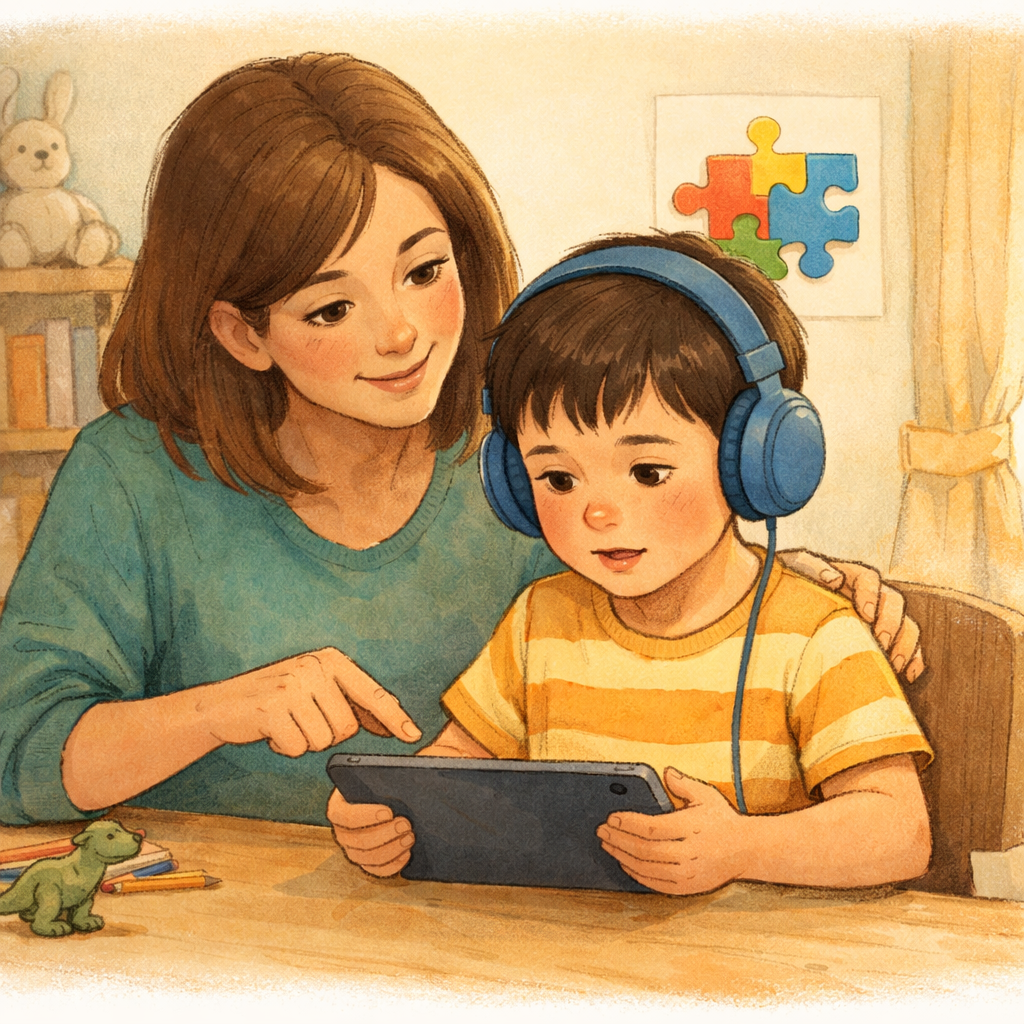
Despite the risks, it's important to recognize that digital media can offer significant benefits for autistic children. Technology can create a safe, predictable, and low-pressure environment in a world that often feels overwhelming. For kids who find face-to-face interaction challenging, screens can provide a valuable way to develop new skills and connect with others, such as through engaging with a video game.
From educational content that makes learning fun to online platforms that foster friendships, digital tools can be powerful assets, providing practical resources for users. The key is to focus on quality and intention. The following sections explore how specific types of media can support skill-building and social connection.
Educational Apps and Skill-Building Opportunities
Traditional classrooms can be challenging for neurodivergent children. Educational apps and assistive technologies provide engaging, effective support for skill development. Daar’s programs enhance traditional learning by introducing gamification, making subjects like math or reading more enjoyable and can supplement therapies such as ABA.
Technology also helps children with executive function difficulties. Tools like digital calendars, visual timers, and reminder apps promote organization, time management, independence, and confidence.
Technology supports child development by:
- Gamified Learning: Making core subjects engaging and less stressful.
- Life Skills Training: Using virtual reality and specialized apps to safely teach practical skills.
- Accessibility Tools: Offering speech-to-text and text-to-speech features for reading and writing challenges.
Safe Digital Platforms for Connection and Communication
For many autistic children, the digital world offers a gateway to meaningful social connection. Autism daar online communities and collaborative games let them bond with like-minded peers, fostering friendships in a low-pressure setting.
Screen-based communication can ease anxieties around social norms, helping them practice skills and build confidence that may carry over offline. In these controlled environments, children can collaborate or chat without feeling overwhelmed, and parents can also create social stories to assist with new interactions.
With proper guidance, digital platforms can be positive. Parents should help their children navigate these spaces safely by teaching online etiquette and protecting personal information.
Practical Tips for Healthy Digital Media Use in Autism
Creating a healthy relationship with technology starts at home, which can be supported through techniques like ABA therapy. For a child with autism, managing media use is not just about setting limits but also about fostering open communication and modeling good behavior. It's important to understand what your child is doing online and why it's so engaging for them as part of their daily living.
By working together, you can help your child build the skills to self-monitor their usage and find a healthy balance, while being mindful of your own screen time. The following tips offer practical ways to establish routines, set boundaries, and recognize when screen use might be becoming a problem.
Establishing Routines and Setting Boundaries with Screens
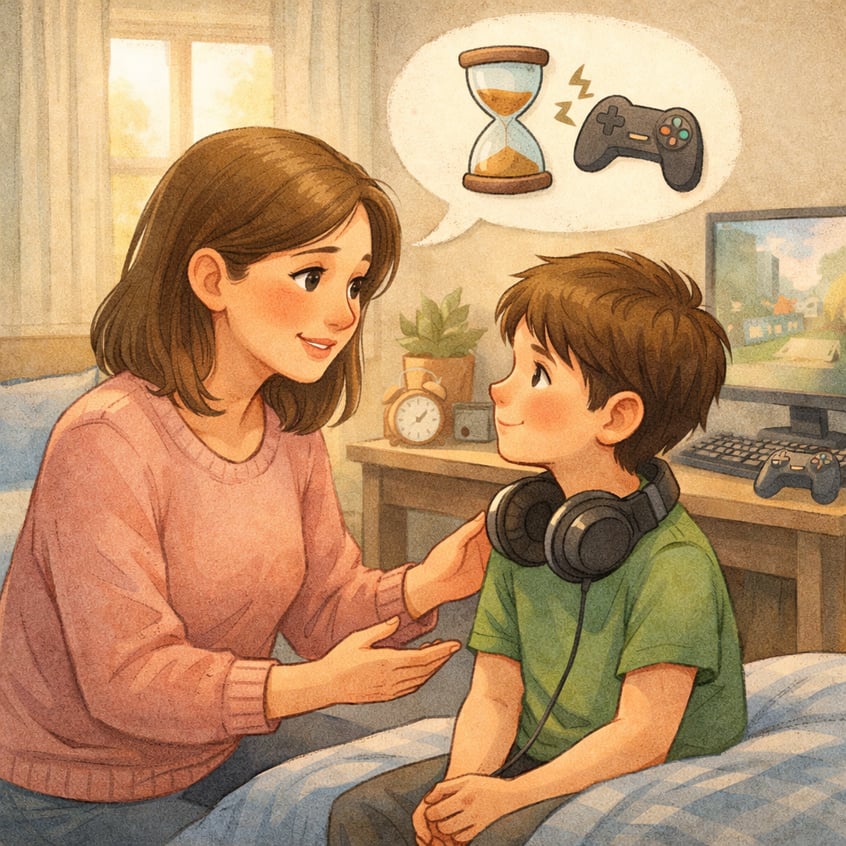
Creating predictable routines around screen use and social media use can make a world of difference for a child with autism. Clear and consistent screen boundaries help manage expectations and reduce conflicts when it's time to turn off devices. A visual timer or a verbal warning like "five more minutes" can help ease the transition away from a screen.
It’s also important to establish a more nuanced approach to achieving a healthy balance between screen time and other activities. Ensure that your child’s day includes plenty of physical activity, creative play, and face-to-face interaction. Designating 'tech-free' zones, like the dinner table, and times, such as the hour before bed, reinforces these priorities.
Consider these strategies when setting boundaries:
- Create a Family Media Plan: Work together to decide on rules that fit your family’s individual needs, following the guidelines from the American Academy of Pediatrics.
- Schedule Screen Time: Build specific times for media use into the daily routine, just like any other activity.
- Prioritize Offline Activities: Encourage hobbies and interests that don't involve a screen.
Warning Signs of Problematic Screen Use Parents Should Watch For

Recognizing problematic screen time is crucial for your child’s well-being. Issues occur when screens disrupt daily life or development. Watch for changes in mood, behavior, and routines.
Warning signs include:
- Loss of Interest: Choosing screens over favorite activities.
- Negative Reactions to Limits: Strong emotional outbursts when screen time is restricted.
Other signs to monitor:
- Sleep Problems: Trouble sleeping or excessive daytime fatigue.
- Social Withdrawal: Avoiding face-to-face interactions or social activities.
- Intense Reactions: Extreme anger or distress when screen time ends.
Conclusion
In summary, managing screen time for children with autism requires balance. While too much screen use can lead to overstimulation and affect social skills, digital media also offers educational and social benefits. Setting routines, clear boundaries, and watching for signs of overuse can help your child’s development build a healthy relationship with technology. Stay engaged and mindful of its impact on your child's development.
For personalized advice on managing screen time, contact us for a consultation or call daar at 02 9133 2500.
Frequently Asked Questions
What kind of digital media is most appropriate for children with autism?
The most appropriate digital media for autistic children is often high-quality, interactive, and educational content that supports skill development through early intervention. Look for educational apps, slow-paced games, and programs that align with your child’s interests. Co-viewing content with your child can also ensure their screen use is positive and engaging.
How can parents set healthy screen boundaries for autistic kids?
Parents can set healthy screen boundaries by creating clear and consistent routines. Use visual timers, give warnings before transitions, and establish tech-free zones and times. Balancing screen time with electronic devices, physical activity, and other offline hobbies is crucial for creating healthy screen habits for a child on the autism spectrum.
Is there a link between screen time and ‘virtual autism’?
The term ‘virtual autism’ is not a clinical diagnosis and is controversial. It suggests that excessive screen time in early childhood can produce autism-like symptoms. While screens don't cause autism, overexposure at a young age can impact brain development, specifically affecting white matter and social skills, which may mimic certain autistic traits.
.svg)




.svg)