
.png?width=48&height=48&name=Group%201%20(3).png)























24 April, 2026

5 Key Benefits of Speech Therapy for Toddlers
Key Highlights
- Enhances Communication: Speech therapy helps toddlers improve their communication skills, making it easier for them to express their needs and thoughts.
- Boosts Social Development: Better communication leads to improved social skills and more confident interactions with peers.
- Early Intervention is Key: Starting speech therapy early provides a strong foundation for language development and can prevent future challenges.
- Play-Based Learning: Therapy sessions for toddlers are often play-based, making learning fun and engaging.
- Parental Involvement: Parents play a crucial role by supporting their child's progress with home practice.
- Builds Confidence: As toddlers become better communicators, their self-esteem and confidence grow.
Introduction
Communication is a cornerstone of how we connect with others and navigate the world. For toddlers, developing speech and language skills is a critical part of their growth. However, some young children experience delays that can impact their ability to communicate effectively. This is where speech therapy comes in. Through early intervention, a speech therapist can identify and address these difficulties, supporting your child in reaching their full communication potential and preventing more significant challenges down the line.
Enhancing Toddler Communication Skills with Speech Therapy
Speech therapy offers significant benefits for young children who are struggling with communication. It’s not just about correcting speech sounds; it's about giving toddlers the tools they need to express themselves, understand others, and build a strong foundation for future learning. A qualified speech therapist can make a life-changing impact.
By working one-on-one with a child, a therapist can target specific needs to improve their overall communication skills. This early support helps prevent the long-term consequences associated with language development challenges. Let's explore how this process works.
The Role of Early Intervention in Developing Language
Early language therapy is essential for toddlers with speech or language delays. Young children’s brains are highly adaptable, making early intervention especially effective. Starting therapy early helps kids learn communication skills quickly and naturally.
Addressing delays promptly can prevent future behavioral and social problems. When children struggle to express themselves, they may become frustrated, leading to tantrums or withdrawal. Early intervention provides them with tools to communicate and interact more confidently.
If you’re concerned about your child’s speech development, an evaluation is a proactive step. Research shows that children who get support before school generally have better outcomes and improved quality of life.
How Speech Therapy Builds Vocabulary and Sentence Formation
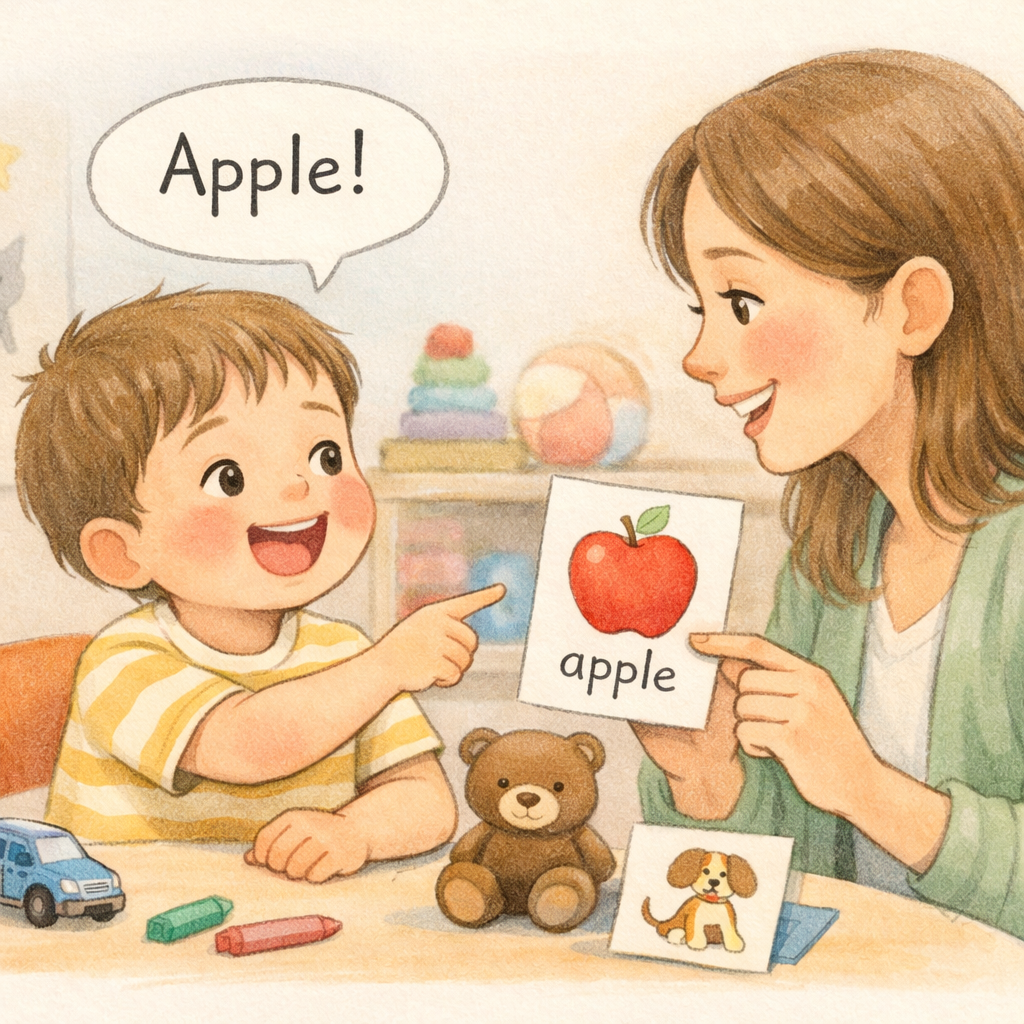
A key part of speech therapy for toddlers is expanding their vocabulary and helping them form sentences. Children with a limited vocabulary may struggle to communicate their thoughts and needs effectively. A speech therapist uses engaging activities to introduce new words and concepts in a way that feels like play.
These sessions are designed to build essential language skills. The therapist might use picture books, games, and everyday objects to stimulate language and model correct sentence structure. The goal is to make learning both fun and functional for the child.
Through targeted exercises, toddlers can improve several specific language skills:
- Vocabulary Growth: Learning and using new words to describe their world.
- Sentence Building: Putting words together to form simple phrases and sentences.
- Grammar Skills: Understanding and using correct grammar in their speech.
Speech Therapy’s Impact on Social and Emotional Development
The benefits of speech therapy extend beyond just talking; they deeply influence a toddler's social and emotional well-being. A child’s development in communication abilities is directly linked to their capacity to build relationships and understand their own feelings. Stronger communication helps boost cognitive development and social skills.
When a toddler can express their thoughts and understand others, they are better equipped to navigate social situations. This can reduce feelings of frustration and isolation, leading to improved emotional regulation and a happier, more engaged child.
Fostering Peer Interaction Through Better Communication
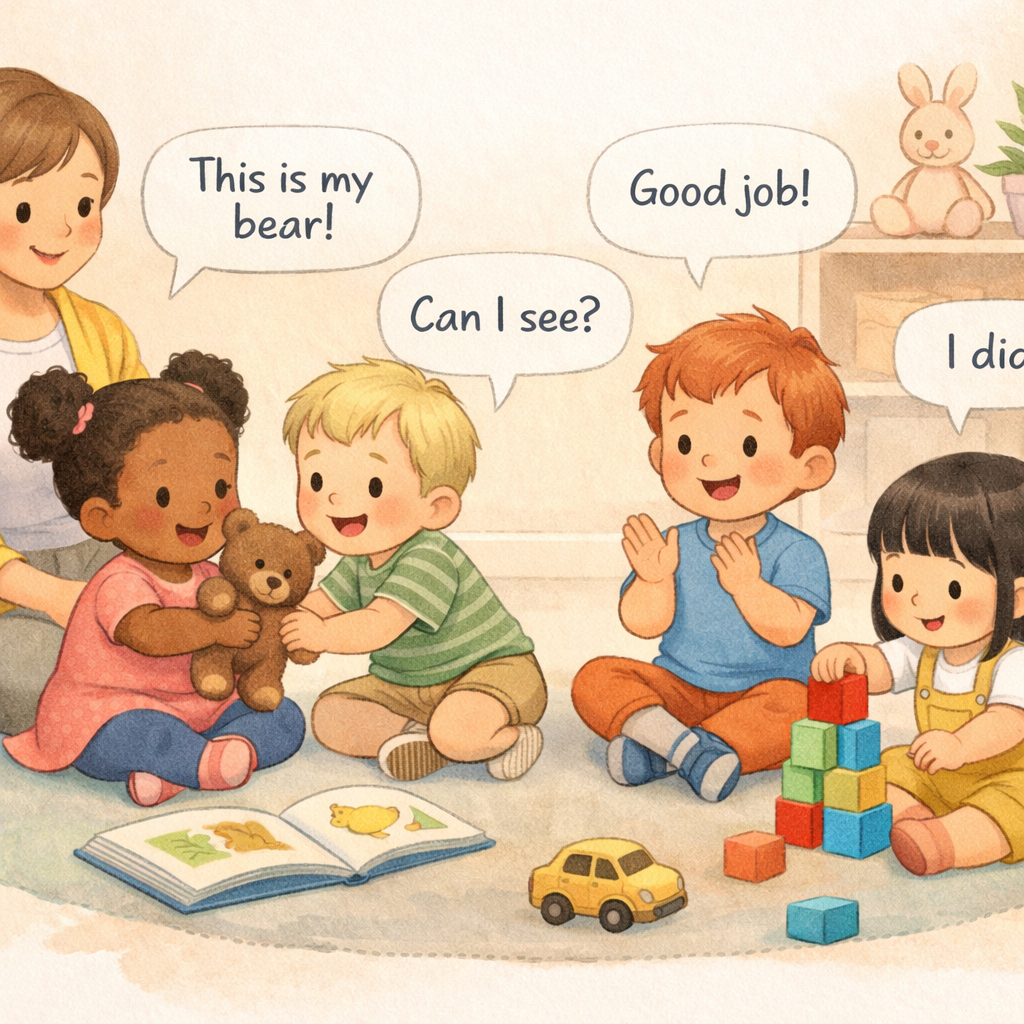
Improved communication is essential for fostering positive peer interaction. Toddlers who struggle to speak may find it difficult to join in group activities or make friends. Speech therapy helps build the social communication skills needed for these interactions.
Therapists work on teaching children how to take turns in conversation, listen to others, and interpret nonverbal social cues like facial expressions and body language. These skills are fundamental for building meaningful relationships with their peers. By practicing these abilities in a supportive environment, toddlers gain the confidence to engage with others.
As a child's social skills improve, they are more likely to participate in play and form friendships. This not only enhances their social life but also provides more opportunities to practice and refine their communication abilities in real-world situations, creating a positive cycle of growth.
Boosting Your Toddler’s Confidence in Expressing Themselves
A child’s confidence can be significantly impacted by their ability to communicate. When toddlers struggle to make themselves understood, they may become hesitant to speak or interact with others. Speech therapy directly addresses this by providing them with the tools for effective communication.
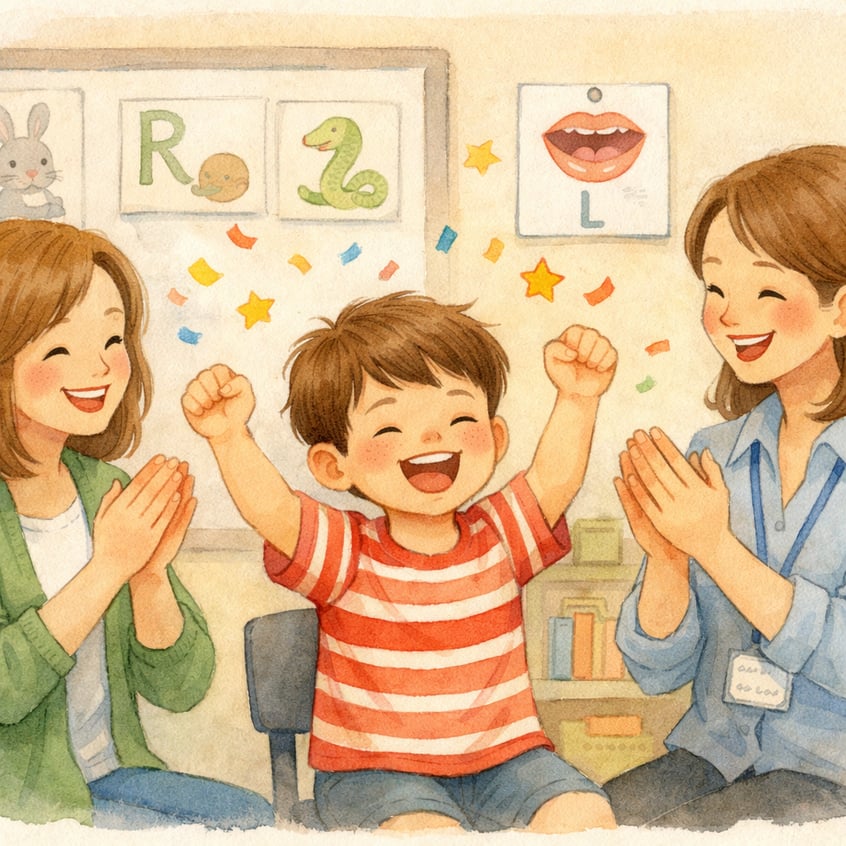
As a child’s speech becomes clearer and their vocabulary grows, they start to experience successful communication. Each time they are understood, their confidence gets a little boost. This newfound self-assurance encourages them to speak more and participate in conversations, further strengthening their skills.
Speech therapy helps build confidence by:
- Reducing Frustration: Giving children the words to express their needs and feelings.
- Improving Clarity: Helping them pronounce words correctly so others can understand their speech.
- Enhancing Social Interaction: Making it easier to join in conversations and play with peers.
Play-Based Techniques and Parental Involvement in Therapy
For toddlers, learning happens best through play. Speech therapy for this age group often uses play-based techniques to make therapy sessions fun, engaging, and effective. Activities are designed to feel like a game, even while targeting important speech development goals. This approach keeps children motivated and encourages natural communication.
Parental involvement is also a cornerstone of successful therapy. What happens between sessions is just as important as the therapy itself. Parents learn strategies to continue the work at home, integrating speech practice into daily routines.
Popular Activities Used in Toddler Speech Sessions
Speech therapy sessions for toddlers are designed to be interactive and enjoyable. Therapists use a variety of play-based techniques to address communication challenges without making it feel like work. Activities are chosen based on the child's specific needs and interests to maximize engagement.
Common tools include books, toys, and creative play to stimulate language. Visual aids like picture cards can help with vocabulary, while games can teach turn-taking and listening skills. The goal is to create a comfortable space where children feel encouraged to practice their speech and language.
Here are some popular activities used in therapy sessions:
|
Activity |
How It Helps |
|---|---|
|
Blowing Bubbles |
Strengthens oral muscles needed for speech sounds. |
|
Reading Picture Books |
Builds vocabulary and sentence structure. |
|
Playing with Puppets |
Encourages conversational skills and role-playing. |
|
"I Spy" Games |
Improves listening skills and vocabulary. |
Supporting Your Child’s Speech Development at Home
Your role as a parent is vital in supporting your child’s speech development. Home practice reinforces the skills learned in therapy and helps your child generalize them to daily life. Therapists empower parents with simple, effective strategies that can be easily incorporated into routines.
You don't need to set aside special time for practice. Instead, you can turn everyday moments into learning opportunities. Talk to your child while cooking, driving, or getting ready for bed. These small, consistent efforts make a big difference over time.
Here are a few ways to support your child’s needs at home:
- Read Together Daily: Choose books with repetitive phrases and new words.
- Model Correct Speech: If your child misspeaks, gently repeat the word or sentence correctly.
- Engage in Conversation: Pause and give your child time to respond, even if it takes a while.
Conclusion
In conclusion, speech therapy offers invaluable benefits for toddlers, paving the way for their communication skills, social interactions, and emotional development. By engaging in play-based techniques and fostering parental involvement, therapy not only enhances vocabulary and sentence formation but also builds confidence in young children. The earlier you seek intervention, the more impactful the results can be, providing a strong foundation for your child's future communication success. Embracing these techniques at home ensures that the gains made in therapy are reinforced, allowing your toddler to thrive.
If you're ready to support your child's speech development journey, consider reaching out for a consultation or call daar at 02 9133 2500 today!
Frequently Asked Questions
Are improvements from speech therapy long-lasting for toddlers?
Yes, the benefits of early speech therapy are often long-lasting. By building a strong foundation in language development and communication skills during a critical period of brain development, therapy helps improve a child’s speech for the long-term. Early intervention can lead to significant and lasting progress.
Does speech therapy help both speech and language delays?
Absolutely. Speech therapy is designed to address a wide range of communication issues. This includes speech disorders, such as trouble with articulation, and language delays, which involve difficulties with understanding or using words. Therapists tailor their approach to improve all aspects of a child's language skills.
How soon should parents begin speech therapy after noticing a delay?
It is best to seek early intervention as soon as you notice a potential developmental delay. The earlier a child begins speech therapy services, the better the outcomes tend to be. Early intervention speech therapy can address a child's needs before challenges become more significant.
.svg)




.svg)