
.png?width=48&height=48&name=Group%201%20(3).png)























24 September, 2026

Navigating Behaviour Support: A Practical Guide
Key Highlights
- Behaviour intervention helps you understand why challenging behaviours happen and what they are trying to communicate.
- Positive behaviour support focuses on building skills, changing environments, and using practical support strategies.
- A strong behaviour support plan gives support people clear steps for daily responses and long-term teaching.
- Restrictive practices are not the goal; safer alternatives and positive behaviour approaches are preferred.
- For children and adults, personalised plans can improve communication, independence, and quality of life.
- Consistency across home, school, and community settings makes behaviour intervention more effective.
Introduction
Behaviour intervention is about helping you respond to behaviour problems in a practical, respectful way. Instead of focusing only on stopping actions, positive behaviour support looks at why they happen and what can be changed around the person. That may include new support strategies, skill building, and environmental adjustments. When done well, behaviour intervention can reduce behaviours of concern, strengthen communication, and support safer, more positive daily routines for children, adults, families, and support teams.
Identifying When Behaviour Intervention Is Needed
You should consider behaviour intervention when challenging behaviours start affecting safety, learning, relationships, or daily participation. Behaviours of concern often have a purpose, so early attention matters. Looking closely at patterns can help your support network understand what the person is trying to communicate.
In some cases, the picture may also involve mental health, stress, anxiety, or communication barriers. When those factors keep leading to repeated distress, behaviour intervention can guide families and professionals toward better responses, more useful skills, and steadier support.
Signs Someone Might Benefit from Behaviour Support
Sometimes the signs are easy to miss at first. A child or adult may not say what they need directly, but problem behaviours can show that something is not working. If these patterns keep happening, support people may need a clearer plan.
Common signs include:
- Repeated challenging behaviours that disrupt home, school, or community routines
- Behaviours of concern that put the person or others at risk
- Ongoing emotional outbursts, aggression, or unsafe reactions
- Declining participation in learning, relationships, or daily activities
- Stress, anxiety, or other mental health factors linked to the behaviour
When these signs continue, behaviour support can help you move from reacting in the moment to understanding causes and teaching better alternatives. That gives everyone a more practical path forward.
Considerations for Children with Autism and Other Disabilities
For children on the autism spectrum and those with other disabilities, behaviour support should always be individualised. The same behaviour can have very different causes in different children. That is why supports begin with assessment, observation, and input from the child’s support network.
In school settings, the impact on academic performance, transitions, peer relationships, and daily routines should be considered. Some individual students may struggle with communication, sensory needs, anxiety, or separation from caregivers. Others may have behavioural disorders or attention deficit hyperactivity disorder alongside disability.
The main strategies used in behaviour intervention for these children include teaching communication and social skills, adjusting routines, changing the environment, and reinforcing appropriate behaviours. The focus stays on the child’s needs, not on forcing one approach for everyone.
Main Strategies Used in Behaviour Intervention
So, what is behaviour intervention and how does it work? It works by identifying the purpose of behaviour, then using support strategies that reduce triggers, teach alternatives, and reinforce safer responses. Positive behaviour support is a leading approach because it looks beyond the action itself.
In practice, behaviour intervention may include assessment, skill development, environmental changes, and teamwork across settings. Unlike restrictive practices, the aim is to make difficult behaviour unnecessary. The next sections break down the main methods and how they help in real life.
Positive Behaviour Support Approaches
Positive behaviour support is different from narrower behaviour intervention models because it does not focus only on stopping behaviour. It starts with understanding the person, the context, and the function behind the action. That person-centered view helps improve quality of life, not just short-term compliance.
Key elements often include:
- assessment to understand patterns and the likely purpose of the behaviour
- teaching replacement skills such as communication or emotional regulation
- changing routines or environments that trigger distress
- involving family, carers, and professionals in consistent support strategies
This approach connects with behaviour analysis because it looks at what happens before and after behaviour. Still, the larger goal is practical and human: better relationships, stronger independence, and support that works over time.
Alternatives to Restrictive Practices
Restrictive practices are not the preferred foundation of good support. In fact, positive behaviour work aims to reduce and eliminate the use of restrictive practices wherever possible. If rights or freedom of movement are limited, that raises serious concerns.
Better alternatives include:
- clear support strategies that prevent escalation before it starts
- positive behavioural interventions that teach safer replacement actions
- environmental changes that remove triggers and reduce distress
- a behaviour support plan with safe response steps for unsafe moments
These methods support positive behaviour while protecting dignity. Rather than controlling the person, the focus shifts to understanding what they need, how to respond safely, and how to build more appropriate behaviours for the long run.
The Role of Reinforcement and Consistency
Positive reinforcement is a core part of behaviour intervention. When someone uses a helpful skill or shows good behaviour, that response should be noticed and supported in a meaningful way. Praise, privileges, tokens, or other valued rewards can help the new skill happen again.
Just as important is consistency. If families, school staff, and support workers all respond in very different ways, progress is harder to maintain. Behaviour intervention plans work best when everyone understands the goal behaviour, the response steps, and the teaching approach.
Over time, that steady approach can improve social and emotional outcomes. People often build stronger communication, better emotional skills, and more successful interactions. In school, this can also support participation and academic performance.
Developing and Using Effective Behaviour Support Plans
A behaviour support plan plays a central role in behaviour intervention because it turns assessment into action. This written plan gives support people practical advice for responding to behaviours of concern and for teaching better alternatives in everyday situations.
Yes, behaviour intervention can be used in school settings, and it is implemented through teamwork, shared routines, and clear strategies. When the support network follows the same plan across home, school, and other settings, support becomes easier to apply and more effective.
Essential Components of a Behaviour Support Plan
A useful behaviour support plan should be practical, clear, and easy for others to follow. Good behaviour intervention plans are based on assessment, with close attention to the function of the behaviour and the situations that encourage it.
A written plan often includes supports for prevention, teaching, and response. It may cover communication, social skills, safe ways to react to unsafe moments, and changes to routines or environments.
|
Component |
What it covers |
|---|---|
|
Behaviour description |
The behaviours of concern and when they happen |
|
Function of the behaviour |
What the person may be trying to gain, avoid, or communicate |
|
Preventive support strategies |
Changes to routines, surroundings, and prompts |
|
Teaching goals |
Replacement skills such as communication or emotional regulation |
|
Response steps |
Safe actions for support people during incidents |
|
Review process |
Ongoing monitoring and updates based on progress |
How Behaviour Support Plans are Customised
Customization matters because no two people show the same patterns for the same reasons. A behaviour support plan should reflect the person’s strengths, preferences, daily routines, and the child’s needs rather than relying on a standard template.
That means a behaviouraul intervention plan may change based on age, communication style, disability, family life, school demands, and community settings. One child may need support around transitions. Another may need help with anxiety, peer interactions, or separation from caregivers.
In school settings, this customization is implemented by adapting expectations, tasks, routines, and reinforcement methods. The support network then uses the same plan across settings, which helps the person practice skills in ways that feel relevant and realistic.
Collaboration Between Families, Professionals, and Educators
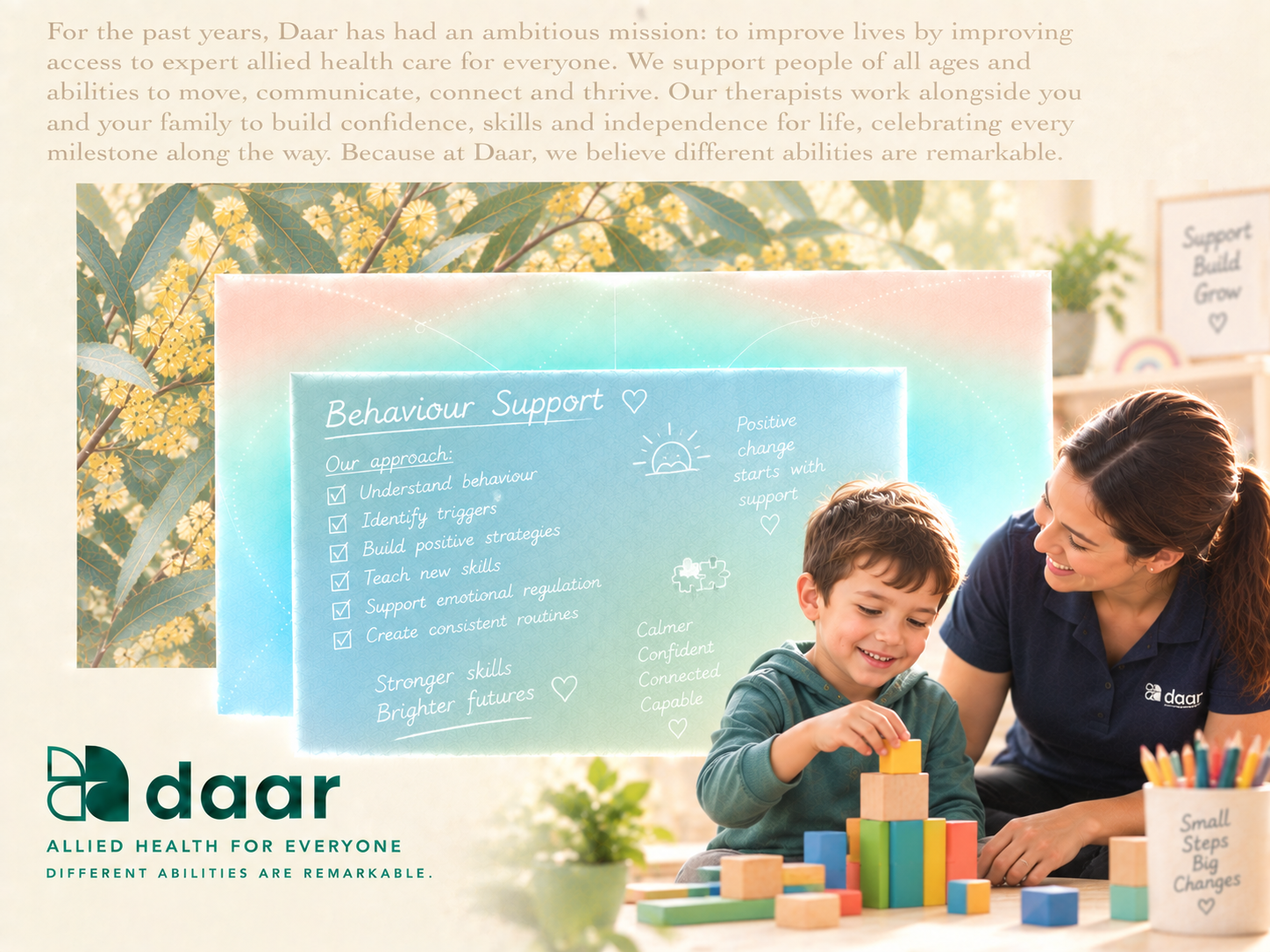
Strong outcomes usually come from teamwork. Families, educators, school staff, and behaviour support practitioners each see different parts of the person’s day. When that information is shared, support becomes more accurate and more useful.
Helpful collaboration often includes:
- families sharing patterns, routines, and what works at home
- school staff tracking triggers, responses, and progress in class
- behaviour support practitioners guiding assessment and plan development
- educators helping teach replacement skills during daily activities
This kind of support network improves consistency and reduces mixed messages. It also makes behavioural interventions more effective for social and emotional outcomes, because the person gets the same encouragement, teaching, and response across the places that matter most.
Conclusion
In conclusion, navigating behaviour support can significantly enhance the well-being of individuals requiring intervention. By recognizing the signs that someone may benefit from support and utilising effective strategies, families and professionals can foster positive outcomes. Developing tailored behaviour support plans through collaboration ensures that each individual’s unique needs are met. Remember, the goal is to empower those involved and create an environment where positive behaviours flourish.
If you’re looking for personalised guidance in behaviour support, don’t hesitate to reach out for a consultation or call daar at 02 9133 2500 . Together, we can pave the way for meaningful change and growth.
Frequently Asked Questions
Who Provides Behaviour Intervention Services and What Qualifications Should They Have in Australia?
In Australia, behaviour support practitioners commonly provide these services, sometimes alongside psychologists and behaviour analysts. For NDIS participants, providers should understand the national disability insurance scheme, person-centered planning, assessment, and working with support people across settings. Experience with disability, behaviours of concern, and written plans is important.
How Effective is Behaviour Intervention for Social and Emotional Outcomes?
Behaviour intervention can support meaningful change when it teaches replacement skills and keeps responses consistent. Over time, many people improve social skills, emotional skills, participation, and relationships. In school settings, these gains may also help academic performance by reducing distress and increasing engagement in learning.
What Resources are Available for Families Seeking Behaviour Intervention Support?
Families can look for providers offering assessment, behaviour support planning, and practical support strategies across home, school, and community settings. Helpful resources may also include multidisciplinary services, school collaboration, and training for carers. Some educational sources, including Regis College online content, also explain behaviour support concepts in family-friendly ways.
.svg)




.svg)