
.png?width=48&height=48&name=Group%201%20(3).png)























3 September, 2026

Beginner's Guide to Positive Reinforcement for Kids
Key Highlights
- Positive reinforcement helps kids repeat good behaviour by linking it with positive feedback.
- It works best when you reward desired behaviour right after it happens.
- Simple tools like verbal praise, sticker charts, and token systems can support daily progress.
- A supportive environment at home or school makes positive behaviour easier to build.
- Specific praise teaches children exactly which actions to repeat.
- Over time, positive reinforcement can strengthen confidence, cooperation, and lasting habits.
Introduction
Positive reinforcement is one of the simplest ways to guide young children toward positive behaviour. Instead of focusing only on mistakes, you notice what your child is doing right and respond with praise, attention, or another reward. That small shift can make a big difference in daily life. It helps children connect their actions with positive outcomes, which supports learning, confidence, and cooperation. If you want a practical starting point, this guide will walk you through the basics.
Understanding Positive Reinforcement for Kids
Positive reinforcement comes from operant conditioning, a simple idea in behaviour analysis that shows behaviour is more likely to happen again when it is followed by something pleasant. For kids, that could mean praise, a sticker, or extra playtime after a helpful action.
In everyday parenting and school settings, positive feedback helps children connect positive actions with results they enjoy. That clear link makes learning easier, and behaviour change more realistic. To use it well, you first need to understand what it is, how it works, and which principles matter most.
What is Positive Reinforcement?
Positive reinforcement is a behaviour analysis method that increases a behaviour by adding something rewarding right after the behaviour happens. In simple terms, if your child does something helpful and gets a positive response, that action becomes more likely to happen again. This approach is widely used because it supports learning without relying on harsh reactions.
At its core, positive reinforcement works by shaping human behaviour through consequences. A child cleans up toys, and you offer verbal praise. A student finishes homework, and a teacher gives a sticker. The reward does not have to be large. It just needs to feel meaningful to the child.
This method focuses on building skills, not just stopping problems. When children know which actions bring positive outcomes, they begin to repeat those actions more often. That is why positive reinforcement is such a powerful tool in childhood development.
How Positive Reinforcement Works in Real Life
In real life, positive reinforcement works best when the response happens right after the positive behaviour. Children learn faster when they can clearly connect the action with the reward. If your child shares a toy and you respond right away, the lesson is easier to understand.
You can see this in homes and classrooms every day. Examples of positive reinforcement include praising a child for cleaning a room, giving a sticker for finishing classwork, or offering extra recess for turning homework in on time. These rewards encourage a specific behaviour instead of giving vague approval.
Classroom use is especially common. A teacher might say, “Great job staying focused,” give points for participation, or use sticker charts to track progress. These simple steps promote positive behaviour, reduce disruptive behaviour, and help children feel noticed for the right reasons.
Key Principles of Positive Reinforcement
For positive reinforcement to work well, children need a clear connection between the action and the reward. That means you should name the desired behaviour, respond quickly, and stay consistent. In behaviour modification, timing and clarity matter just as much as the reward itself.
A few core ideas guide effective use:
- Reinforce the exact desired behaviour, not a general mood or result.
- Give the reward or praise as soon as possible after the action.
- Use reinforcement schedules that match the goal, especially when teaching a new behaviour.
- Choose rewards that fit the child’s age, interests, and developmental stage.
At first, a continuous schedule can help establish habits because every correct action is noticed. Later, variable reinforcement schedules can help maintain progress without making a child expect a reward every time. These principles make positive reinforcement practical, flexible, and easier to sustain.
Why Positive Reinforcement Matters in Childhood Development
In early childhood, children are learning how their actions affect the world around them. Positive reinforcement gives them a clear and encouraging way to understand that connection. When adults notice effort and progress, children are more likely to keep trying.
That pattern supports behaviour change in a healthy way. It also helps build a growth mindset, because children start to see effort, practice, and cooperation as valuable. These early lessons shape how kids handle challenges, relationships, and emotions, which is why the next areas matter so much.
Building Resilience and Self-Esteem
Children build resilience when they learn that effort leads to positive outcomes. Positive reinforcement supports this by recognising small wins, not just perfect results. When a child hears that their hard work matters, they are more likely to keep going after setbacks.
This also strengthens self-esteem. Specific praise helps children understand what they did well, which feels more real than a quick “good job.” For example, saying, “I liked how you kept trying,” gives them a clear reason to feel proud. That kind of response builds confidence without pressure.
Over time, repeated success can support intrinsic motivation. As children begin to enjoy the feeling of progress, they rely less on tangible rewards alone. They start to believe they can learn new skills, recover from mistakes, and handle challenges. That is a strong foundation for resilience.
Encouraging Social Skills and Cooperation
Social skills grow when children see that kind, cooperative actions get noticed. Positive reinforcement helps by drawing attention to behaviours like sharing, waiting, listening, and helping others. In early childhood, these lessons are easier to build when adults respond right away.
Specific praise is especially useful here. Instead of saying, “Good work,” you might say, “You shared your crayons with your friend.” That tells the child exactly which action mattered. Social reinforcers like smiles, high fives, and encouraging words can be very effective, especially for younger children.
As cooperation increases, children often feel more confident in group settings. They begin to understand what appropriate behaviour looks like and how it affects others. That makes classrooms, playgroups, and home routines smoother. Positive reinforcement does more than shape behaviour. It strengthens relationships too.
Supporting Emotional Growth
Emotional growth depends on feeling safe, seen, and understood. Positive reinforcement helps create that supportive environment by focusing on effort, calm choices, and progress. When children receive positive feedback for healthy responses, they learn that emotions can be managed, not feared.
This matters during stressful moments. If a child uses words instead of yelling, and you notice it right away, you reinforce a better coping pattern. That does not mean ignoring hard feelings. It means teaching that positive actions during those moments are worth repeating.
Children who feel encouraged often show better emotional balance over time. They become more willing to try again after frustration and more open to guidance. That is one reason positive reinforcement can help build resilience. It links emotional control with positive outcomes and steady adult support.
Positive Reinforcement at Home
Home is often the best place to begin because daily routines give you many chances to reinforce helpful actions. In a parent-to-child setting, even small responses can shape behaviour in a lasting way. You do not need a complex system to get started.
What matters most is consistency and tone. A calm, encouraging response can support a positive family atmosphere and make your home environment feel more predictable. Once that foundation is in place, you can use simple techniques, family habits, and behaviour strategies more effectively.
Parent-to-Child Encouragement Techniques
Parents can encourage good behaviour by responding right away when a child does something helpful, calm, or responsible. Verbal praise is one of the easiest tools to use. It is even stronger when you make it specific, so your child knows exactly what earned the response.
Try simple techniques like these:
- Use specific praise such as, “You put your shoes away without being asked.”
- Add verbal praise during routines like homework, cleanup, or bedtime.
- Use reward systems like sticker charts for new habits.
- Offer small tangible rewards when needed, then reduce them over time.
These methods work well because they make the desired behaviour clear. A child who gets positive attention for putting dishes in the sink, sharing, or finishing a task is more likely to repeat it. The goal is not constant rewards. It is teaching children which actions lead to positive outcomes.
Creating a Positive Family Atmosphere
A positive family atmosphere begins when children get more positive attention for what they do right than for what goes wrong. That shift can change the tone of your home. Instead of reacting only to problems, you start noticing effort, cooperation, and calm choices.
This kind of supportive environment helps children feel valued. Positive feedback during everyday life matters more than many parents realize. A quick comment about helping with classroom chores at home, staying on task, or using kind words can reinforce habits that support the whole family.
It can also reduce conflict. When children learn that helpful behaviour gets attention, unwanted behaviour may lose some of its power. A healthy balance of positive and corrective interactions supports motivation and trust. That balance makes your home feel steadier, warmer, and easier to manage.
Reducing Negative Behaviours Using Positive Reinforcement
Positive reinforcement can reduce negative behaviour by shifting attention toward what you want to see more often. Instead of focusing only on bad behaviour, you reinforce the opposite or replacement action. This makes behaviour modification more practical and less stressful for everyone.
For example, if a child often interrupts, you can praise waiting and hand-raising. If cleanup is a struggle, reward even small steps toward putting toys away. Over time, the child learns which actions bring positive outcomes. That clear pattern can make unwanted behaviour less frequent.
This approach works best when you stay calm and consistent. Immediate feedback helps children connect the positive action with the result. You are not ignoring problems. You are teaching a better option and making that option worth repeating. That is often more effective than repeated negative consequences alone.
Beginner’s Guide: Getting Started with Positive Reinforcement
Getting started with positive reinforcement techniques does not have to feel complicated. Begin by choosing one or two situations where you want to see more good behaviour, such as morning routines, homework, or sharing. Then decide how you will respond when that behaviour happens.
Positive feedback should be simple, quick, and clear. You can use praise, tokens, or a favorite activity, depending on your child’s needs. The right tools make the process easier, and the right reward makes it more meaningful. That is where your next choices come in.
Essential Tools and Resources for Parents and Educators
Some tools make positive reinforcement easier to organize and easier for children to understand. Token systems, sticker charts, and simple tracking sheets can give children a visual reminder of progress. These are especially helpful when you are teaching a new behaviour or working with children who need frequent support.
High-need children often benefit from clear routines, immediate feedback, and predictable reinforcement schedules. Tangible reinforcers can help at first, especially when paired with social praise. The goal is not to make every moment transactional. It is to give structure while habits are being built.
|
Tool |
How it helps |
|---|---|
|
Sticker charts |
Show progress visually and reward repeated good work |
|
Token systems |
Let children earn points or tokens toward a reward |
|
Reinforcement schedules |
Help adults decide how often to reward behaviour |
|
Tangible reinforcers |
Add motivation through small items or privileges |
Used together, these tools support consistency and make behaviour goals easier to follow.
Choosing the Right Reinforcers for Your Child
Not every child responds to the same reward, so choosing the right reinforcer matters. Younger children may respond well to tangible rewards or physical rewards like stickers, stamps, or a small treat. Older children may care more about attention, privileges, or access to a favorite activity.
You can try a mix such as:
- Social reinforcement like praise, smiles, or high fives
- Tangible rewards like stickers or tokens
- Extra time with a favorite activity
- Small privileges that feel special and earned
The best reinforcer is one your child truly values. It should also match the behaviour and the situation. If the reward is too big, it can feel unrealistic. If it means nothing to the child, it will not work well. Start simple, watch your child’s response, and adjust from there.
Step-by-Step Guide to Implementing Positive Reinforcement
A clear plan makes positive reinforcement easier to use and easier for your child to understand. In behaviour analysis and applied behaviour analysis, adults often begin by identifying target behaviours, choosing a reward, and responding consistently. That structure keeps the process focused.
You do not need to overthink it. What you need is a practical sequence that matches everyday life. The next four steps show how to pick the right behaviours, choose meaningful reinforcers, apply them well, and adjust your approach as your child grows.
Step 1: Identify Desired Behaviours
Start by choosing one desired behaviour at a time. This makes things clearer for both you and your child. In early childhood, children learn best when expectations are simple and direct. Broad goals like “behave better” are hard to understand, but specific behaviour is much easier to teach.
Target behaviours should be easy to observe. Examples include putting toys away, starting homework on time, using polite words, or staying seated during a meal. When you can clearly see the action, you can reinforce it right away. That helps children connect cause and effect.
This step matters because positive reinforcement works best when children know exactly what counts. A clear goal also helps adults stay consistent. If you can name the behaviour in one sentence, you are more likely to notice it, reward it, and help it become part of daily life.
Step 2: Select Appropriate Reinforcers
Once you know the behaviour you want to encourage, choose a reinforcer that fits your child. Some children respond best to attention and praise. Others are more motivated by tangible reinforcers or time with a favorite activity. The match matters more than the size of the reward.
Good options may include:
- Social reinforcers like smiles, praise, or a high five
- Tangible reinforcers such as stickers or tokens
- Extra playtime after completing a task
- Access to a favorite activity or special privilege
Try to keep the reward connected to the effort. Small, immediate responses often work better than big delayed ones. If your child is learning a new behaviour, start with something motivating and easy to deliver. Later, you can shift toward social reinforcement and pride in progress.
Step 3: Apply Reinforcement Consistently
Consistency is what turns a good idea into a working habit. When children are first learning a behaviour, a continuous schedule can help because every correct action gets noticed. This makes the connection between behaviour and reward very clear.
Immediate feedback is important. If the praise or reward comes too late, the lesson can get lost. Clear expectations matter too. Your child should know what behaviour earns the response and what that response will look like. That makes the whole process feel fair and predictable.
As the behaviour becomes stronger, you can change the reinforcement schedules. You might not reward every single success, but you should still notice progress often enough to keep motivation high. This approach helps children build habits without becoming too dependent on a reward every time.
Step 4: Monitor Progress and Adjust Strategies
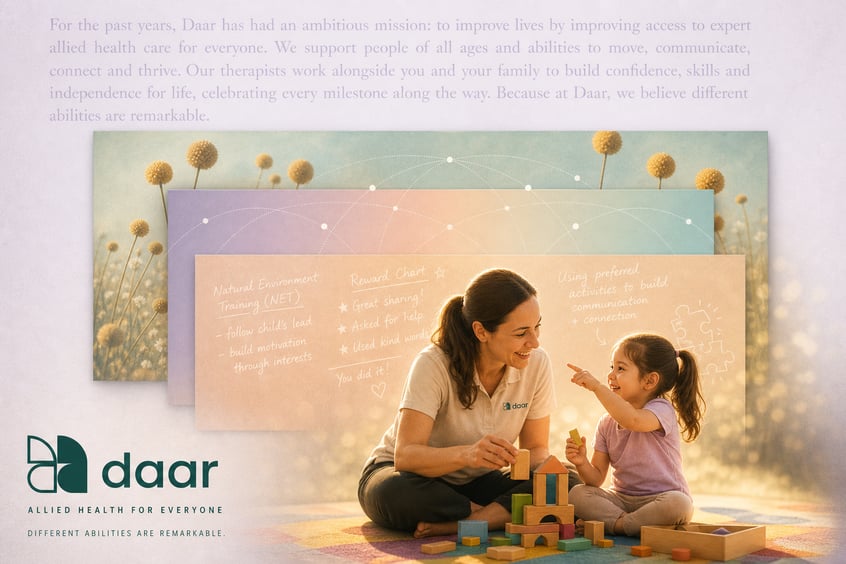
No strategy works perfectly forever, so it helps to review what is happening. Behaviour analysis is not just about starting a plan. It is also about checking whether the plan is producing positive outcomes. If progress is slow, something may need to change.
Watch for signs like these:
- The new behaviour is happening more often
- The reward no longer seems motivating
- Your child is ready for fewer tangible rewards
- A different goal has become more important
Adjusting is part of behaviour modification, not a sign of failure. You may need a new reinforcer, clearer expectations, or a simpler goal. Sometimes children outgrow one system and respond better to another. By staying flexible, you keep the process useful and focused on steady development.
Conclusion
In conclusion, positive reinforcement is a powerful tool that can significantly impact a child's development. By understanding its principles and implementing effective strategies, parents and educators can create an environment that nurtures resilience, self-esteem, and emotional growth. The journey to fostering positive behaviours begins with identifying desired actions and consistently reinforcing them in a supportive atmosphere. Remember, every small step counts in shaping a child’s behaviour and mindset. So, embrace the techniques discussed in this guide, and watch your child thrive.
If you're eager to learn more about positive reinforcement and how to implement it in your life, feel free to reach out for a consultation or call daar at 02 9133 2500!
Frequently Asked Questions
How can positive reinforcement help reduce negative behaviours in children?
Positive reinforcement reduces negative behaviour by rewarding a specific behaviour you want to see instead of focusing only on unwanted behaviour. In behaviour modification, clear reinforcement schedules help children learn which actions bring positive results. As replacement habits grow stronger, many problem behaviours become less frequent.
What are the main benefits of positive reinforcement in learning environments?
Positive reinforcement supports behaviour change by connecting effort with immediate feedback. In a positive learning environment, students are more likely to participate, stay engaged, and follow routines. Tangible rewards can help at first, while praise and recognition build confidence, motivation, and stronger classroom habits over time.
Are there tips for using positive reinforcement more effectively?
Yes. The most effective positive reinforcement techniques use clear expectations, immediate responses, and specific praise. A continuous schedule works well when teaching positive behaviour for the first time. As the habit improves, reduce rewards gradually and keep noticing effort so the behaviour stays strong without constant incentives.
.svg)




.svg)