





















16 February, 2026

Specialised & Positive Behaviour Support for Children: Finding Calm in the Chaos
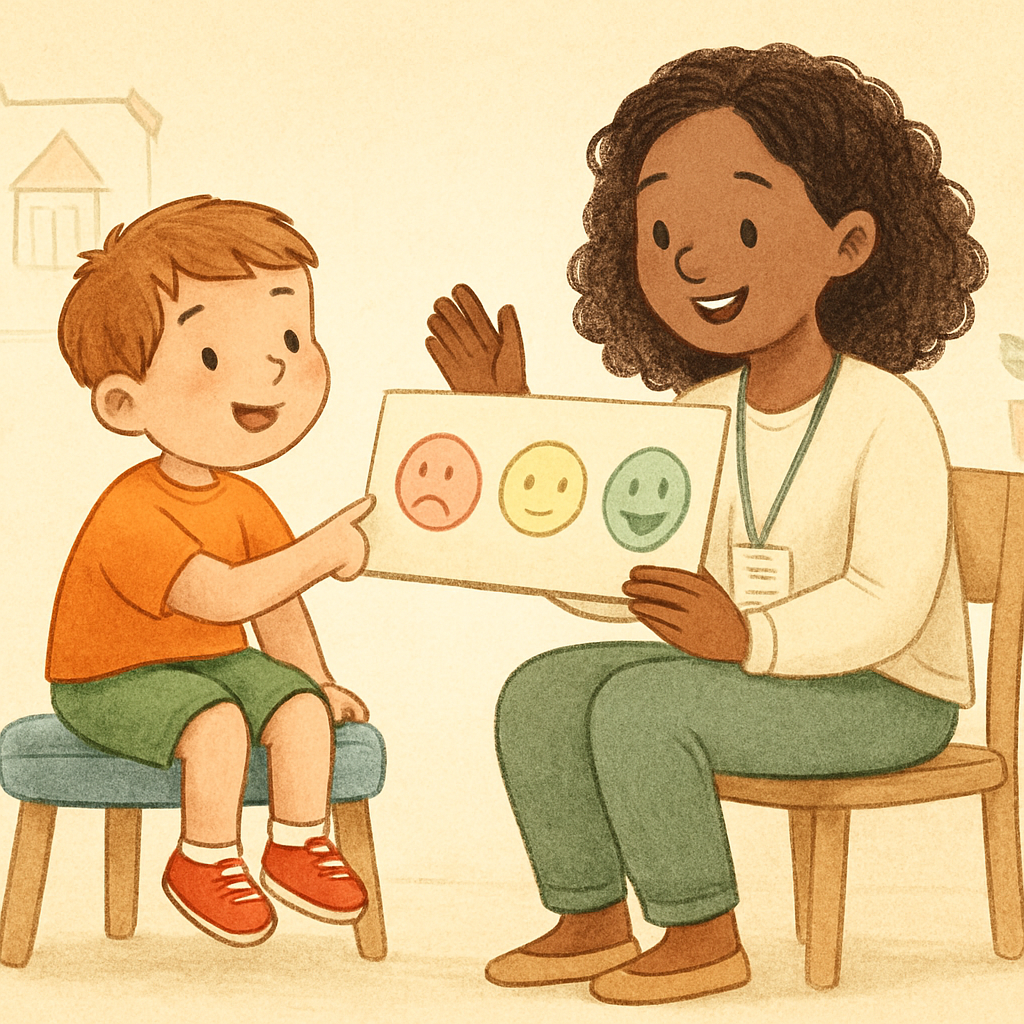
Parenting is a journey of highs and lows. But for families raising children with complex needs, Autism, ADHD, or intellectual disabilities, the "lows" can sometimes feel overwhelming. You might be dealing with aggressive meltdowns, self-injury, or behaviours that make it difficult to leave the house.
If you are reading this, you are likely looking for answers. You might be searching for specialised behaviour support liverpool, trying to understand your NDIS plan, or simply wondering if there is a better way to handle the daily struggles.
The good news is that there is a better way. It isn't about punishment, and it isn't about changing who your child is. It is about Specialised & Positive Behaviour Support for Children.
In this guide, we will break down what this support entails, how Positive Behaviour Therapy works, and how families in Liverpool can access the help they need to build a happier, safer home.
What is Positive Behaviour Support?
Positive Behaviour Support (PBS) is an evidence-based framework that is widely accepted as the gold standard in disability support. Unlike traditional discipline, which asks, "How do I stop this behaviour?", PBS asks, "Why is this behaviour happening?"
At its core, PBS is built on the belief that behaviour is communication.
When a child acts out—whether they are hitting, screaming, or refusing to move—they are trying to tell us something. They might be saying:
- "I am in pain."
- "It is too loud in here."
- "I am frustrated because I can't do this task."
- "I want you to look at me."
Positive Behaviour Therapy focuses on identifying these hidden messages. Once we understand the function of the behaviour, we can teach the child a safer, more effective way to communicate that same need.
When Do You Need Specialised Behaviour Support?
While many children benefit from general Behaviour Therapy, some situations require a higher level of expertise. This is where Specialised & Positive Behaviour Support for Children comes in.
Under the NDIS, this is often funded under "Improved Relationships." You might need this level of support if:
1. There is a Risk of Harm
If your child’s behaviour poses a danger to themselves (e.g., head-banging, running onto roads) or others (e.g., aggression towards siblings or parents), you require a specialised approach to ensure safety.
2. Restrictive Practices are Used
Are you locking cupboards to prevent binge eating? Using a harness to stop your child from running away? These are called "restrictive practices." While sometimes necessary for safety, they impact a child's rights. A specialised practitioner is required to document these and create a plan to fade them out over time.
3. Complex Environments
Sometimes, the behaviour is deeply ingrained in the environment—school, home, and respite care. Specialised support involves coordinating everyone in the child's life to ensure consistency.
The Local Advantage: Specialised Behaviour Support Liverpool
If you are located in Merseyside or the surrounding areas, accessing specialised behaviour support liverpool services offers distinct advantages.
Behaviour support is not a passive therapy; it requires action. A local practitioner can:
- Visit the Home: See the environment where the behaviours happen. Is the lighting too bright? Is the morning routine chaotic?
- Visit the School: Collaborate with teachers in Liverpool schools to ensure the strategies used at home are also used in the classroom.
- Community Access: Go with you to the local shops, parks, or libraries to practice social skills and emotional regulation in the real world.
Connecting with a local provider ensures that the support is not just theoretical, but practical and hands-on.
How Positive Behaviour Therapy Works
So, what does the process actually look like? Whether you call it Behaviour Therapy or PBS, the journey usually follows three steps:
Step 1: Functional Behaviour Assessment (FBA)
This is the "detective" phase. The practitioner will interview you, observe your child, and collect data. They are looking for patterns. Does the meltdown always happen before dinner? Does it happen when the iPad is taken away? This helps identify the "trigger."
Step 2: The Behaviour Support Plan (BSP)
Based on the assessment, the practitioner writes a comprehensive plan. This plan includes:
- Proactive Strategies: Changes we can make now to prevent the behaviour later (e.g., using a visual schedule).
- Skill Building: Teaching the child new skills (e.g., asking for a break instead of throwing a chair).
- Reactive Strategies: A step-by-step guide on what to do if the behaviour does happen, ensuring everyone stays safe.
Step 3: Implementation and Training
A plan is useless if it sits in a drawer. The most important part of Specialised & Positive Behaviour Support for Children is training the people around the child—parents, teachers, and support workers—on how to use the strategies effectively.
Conclusion
Raising a child with behavioural challenges is one of the toughest jobs in the world. But you do not have to do it alone.
Specialised & Positive Behaviour Support for Children offers a roadmap out of the chaos. It moves away from blame and punishment and towards understanding and skill-building. By identifying the "why" behind the behaviour and implementing proactive, compassionate strategies, you can transform your home from a battleground into a place of safety and connection.
Whether you are looking for specialised behaviour support liverpool or general advice on Positive Behaviour Therapy, taking that first step to seek professional help is the best thing you can do for your child’s future.
If you are looking for compassionate, evidence-based support for your family, we are here to help. Our team specializes in Specialised & Positive Behaviour Support for Children, helping families in Liverpool and beyond build happier, more independent lives.
Contact Us Today to book a consultation or call daar at 02 9133 2500discuss your needs and find the right practitioner for your child.
FAQ: Common Questions for Parents
How long does it take to see results?
Changing behaviour takes time. It requires the child to "unlearn" old habits and trust that the new strategies will work. You should expect to work with a practitioner for at least 6 to 12 months to see sustainable, long-term change.
Can I use NDIS funding for this?
Yes. Specialised & Positive Behaviour Support for Children is typically funded under the "Capacity Building" category of your NDIS plan, specifically under "Improved Relationships" (for the specialist practitioner) or "Improved Daily Living" (for general therapy).
What if my child refuses to participate?
In PBS, the "client" is often the environment and the adults, not just the child. Even if your child refuses to sit and talk to a therapist, the practitioner can work with you to change the way you respond to behaviours, which can have a massive impact on the household dynamic.
.svg)




.svg)