
.png?width=48&height=48&name=Group%201%20(3).png)























5 January, 2026

Understanding the Role of Exercise Physiologists Today

Introduction
Have you ever wondered who can help you use exercise as medicine? An exercise physiologist is an allied health professional who does just that. They are experts in understanding how the body responds to physical activity. Using principles from sports science, they create tailored exercise programs to help you manage health conditions, recover from injuries, and boost your overall quality of life. Their goal is to empower you with the right movements to achieve your health and wellness goals safely.
Key Highlights
-
An exercise physiologist is a university-qualified expert who uses physical activity to improve health.
-
They design personalized exercise plans for people with chronic conditions, injuries, and disabilities.
-
Specializations include clinical exercise physiology for long-term health issues and sports science for athletes.
-
A paediatric exercise physiologist supports children's development, physical ability, and mental health.
-
An accredited exercise physiologist collaborates with other health professionals for holistic care.
-
They help manage conditions, improve mobility, and support overall well-being.
The Evolving Role of Exercise Physiologists in Australia
Exercise physiology has grown rapidly, making exercise physiologists key allied health professionals. With university degrees, they are trained to prescribe exercise for various health issues. Accredited exercise physiologists often focus on clinical practice, helping people manage chronic conditions.
Specializing—such as in pediatrics—usually requires advanced qualifications. For example, a pediatric exercise physiologist may need a master’s in clinical exercise physiology after earning a sports science degree. This specialized training ensures effective support for younger clients. Let’s explore these specializations further.
Specialized Expertise: Clinical, Sports, and Paediatric Exercise Physiology
An accredited exercise physiologist is a university-trained professional qualified to prescribe exercise as medicine, often holding degrees in clinical exercise physiology and sports science.
Some specialize in programs for chronic conditions like heart disease or diabetes, while others focus on improving athletic performance and preventing injuries.
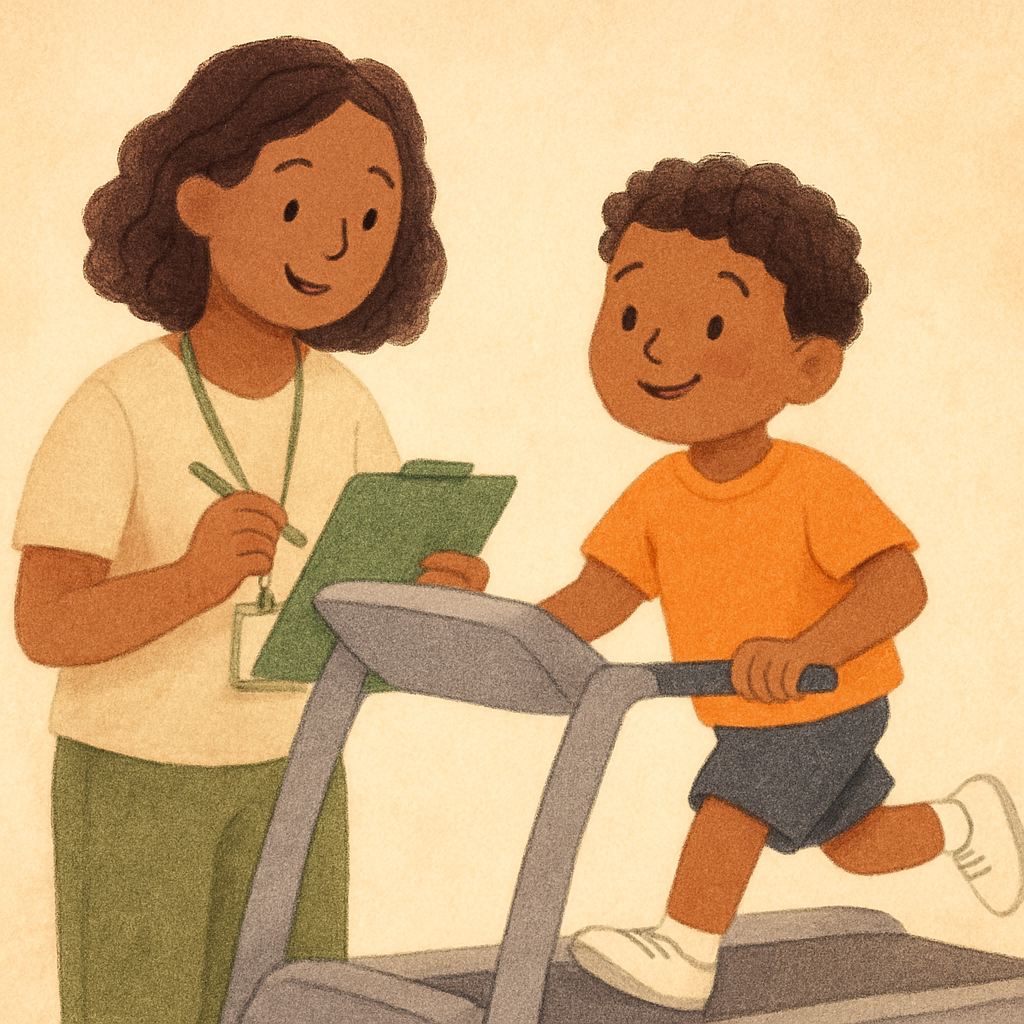
Pediatric exercise physiologists work with children and teens with developmental or neurological conditions, making exercise enjoyable while helping them reach functional goals like running, jumping, or building sports skills.
Collaborating with Other Health Professionals for Holistic Care

To provide the best care, accredited exercise physiologists often work within a healthcare team. This collaboration ensures your exercise plan supports all treatments and benefits your overall health, including mental well-being.
For children, pediatric exercise physiologists partner with professionals such as:
-
General practitioners (GPs)
-
Pediatricians
-
Occupational therapists (OTs)
-
Pediatric physiotherapists
By coordinating with your healthcare providers, exercise physiologists create customized programs that match your medical needs and goals. This integrated approach delivers targeted rehabilitation that supports every aspect of your health.
Paediatric Exercise Physiology: Supporting Children’s Health and Wellbeing
A pediatric exercise physiologist uses exercise to help children with developmental and neurological conditions lead active lives. They design fun, accessible interventions to improve movement skills and achieve functional goals.
Regular physical activity prevents fatigue and social withdrawal, while boosting confidence and mental health. This enables children to engage more fully in their communities. Here are some specific benefits and approaches they use.
Key Benefits for Kids with Disabilities and Chronic Conditions
Working with a pediatric exercise physiologist can be life-changing for children with disabilities or chronic conditions. These experts support kids with cerebral palsy, muscular dystrophy, autism, and similar diagnoses by creating personalized programs to build strength, improve coordination, and boost overall function—helping children gain confidence and participate more in social activities.
While many families worry about costs, services from an exercise physiologist are often covered by the National Disability Insurance Scheme (NDIS), making them more accessible. These programs benefit both physical and mental health.
|
Benefit Area |
How Pediatric Exercise Physiology Helps |
|---|---|
|
Musculoskeletal Health |
Strengthens muscles for better movement and walking |
|
Cardiovascular Health |
Improves heart and lung fitness through aerobic activity |
|
Functional Capacity |
Builds skills for daily tasks like running and playing |
|
Mental Health & Wellbeing |
Boosts confidence, reduces fatigue, and encourages social engagement |
Activities, Approaches, and Support for Parents
A pediatric exercise physiologist makes physical activity enjoyable for kids through play-based sessions, not repetitive drills. These activities help children develop skills like running, jumping, biking, swimming, and ball handling, encouraging a lifelong love of exercise.
Accredited exercise physiologists offer flexible services in various settings to fit each child’s needs, including:
-
Clinic visits
-
Home or school visits
-
Gym or pool sessions
-
Community spaces
Parents can contact a clinic directly—no referral is needed, though a doctor can help with a management plan if necessary. By making exercise fun, these professionals boost children’s fitness and overall well-being.
Conclusion
In conclusion, exercise physiologists are essential in improving health and wellbeing, especially for children. Their expertise allows them to work with other health professionals to deliver care tailored to each patient. By promoting physical activity and education, they empower parents and support kids with disabilities or chronic conditions to lead healthier lives. If you want to enhance your child's health through targeted exercise, reach out—together, we can build a healthier future for your child.
Reach out today for a consultation or call daar at 02 9133 2500!
Frequently Asked Questions
How is paediatric exercise physiology different from adult exercise physiology?
A paediatric exercise physiologist specializes in children's developmental, neurological, and physical needs. Unlike adult-focused clinical exercise physiology, their approach uses fun, play-based physical activity to help kids achieve functional goals. An accredited exercise physiologist in this field makes exercise engaging to build a positive foundation for lifelong health.
What conditions can benefit from seeing a paediatric exercise physiologist?
A paediatric exercise physiologist can help children with a wide range of conditions. These include cerebral palsy, muscular dystrophy, autism, developmental delays, and attention deficit disorder (ADD). The tailored physical activity programs they design can improve both physical function and mental health, empowering kids to live more active lives.
How do parents access paediatric exercise physiology services?
You can access services from a paediatric exercise physiologist by contacting a clinic directly, as a referral is not always required. However, speaking with your GP is a great first step. A doctor can help determine if your child would benefit from a management plan and provide a referral to an accredited exercise physiologist.
.svg)




.svg)