
.png?width=48&height=48&name=Group%201%20(3).png)























3 March, 2026

How Speech Therapy Telehealth Works for Your Needs
Key Highlights
- Telehealth makes speech therapy accessible through convenient online sessions with a qualified speech therapist.
- This modern approach provides effective treatment for a wide range of speech and language challenges in both children and adults.
- Online speech therapy supports language development, articulation, and social communication skills from the comfort of your home.
- Telehealth is a flexible option for individuals with developmental delays, brain injuries, or other medical conditions.
- Both online and in-person speech therapy aim to improve communication and quality of life.
Introduction
Have you ever wondered if you or a loved one could benefit from speech therapy but found it hard to schedule in-person appointments? The good news is that technology has made language therapy more accessible than ever. Telehealth allows speech pathologists to connect with you remotely, offering personalized support to improve communication skills. This convenient approach brings expert care directly to your screen, helping you build confidence and express yourself more effectively in your daily life.
Who Can Benefit from Telehealth Speech Therapy?
A wide variety of people can find success with telehealth speech therapy. From young children experiencing developmental delays to adults recovering from a medical event, online sessions can address many communication needs. If you or someone you know is facing challenges with speaking, understanding language, or social interaction, a speech therapist can help.
The flexibility of telehealth makes it an excellent choice for anyone with a busy schedule or limited access to local clinics. It supports individuals with a speech disorder and provides a convenient way to receive consistent, high-quality care.
Children with Speech and Language Challenges
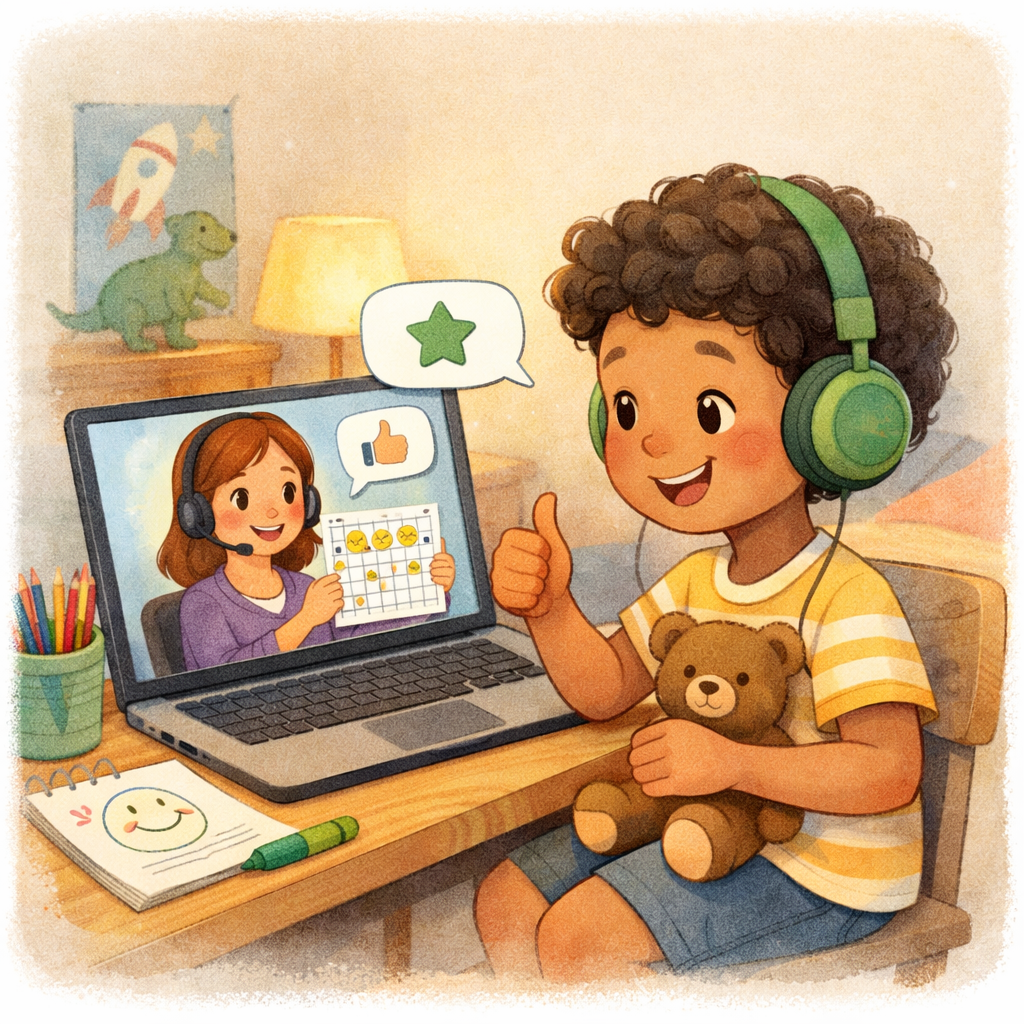
Developing language skills is vital for a child's growth. Telehealth provides effective early intervention, allowing speech therapists to engage children with interactive activities like games and picture books online.
These sessions stimulate language development by modeling correct sounds and grammar during play, naturally building vocabulary and sentence structure. This approach effectively addresses speech and language delays.
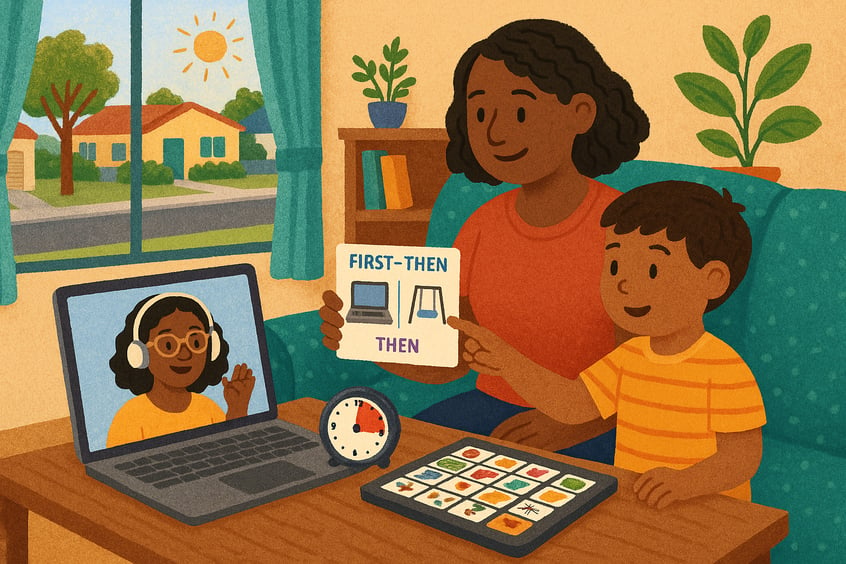
Parent involvement is essential. Therapists offer strategies and homework so you can support your child’s progress between sessions, making therapy collaborative and convenient for your family.
Adults with Communication or Social Communication Needs
Adults may face communication challenges due to brain injury, stroke, or progressive conditions. If you struggle to speak, understand, or interact socially, telehealth speech therapy can help you regain skills and learn new ways to communicate.
Adult therapy targets practical, daily goals. Speech therapists may work with you on conversational skills or cognitive abilities like memory and problem-solving—boosting your confidence in social and work settings.
Whether your difficulties are recent or long-term, online therapy offers flexible, personalized support from home, making it easier to manage recovery and improve communication.
Common Conditions Supported by Speech Pathology via Telehealth
Telehealth speech therapy services can address a broad spectrum of conditions. If you or a loved one is dealing with a speech disorder, language disorder, or another type of communication disorder, online support is a proven and effective option. Speech pathologists are equipped to diagnose and treat these issues remotely.
This modern approach to therapy provides help for everything from stuttering and voice issues to difficulties with understanding and expressing language. Let's look at some of the specific conditions that can be treated effectively through telehealth.
Speech Disorders Treated Remotely
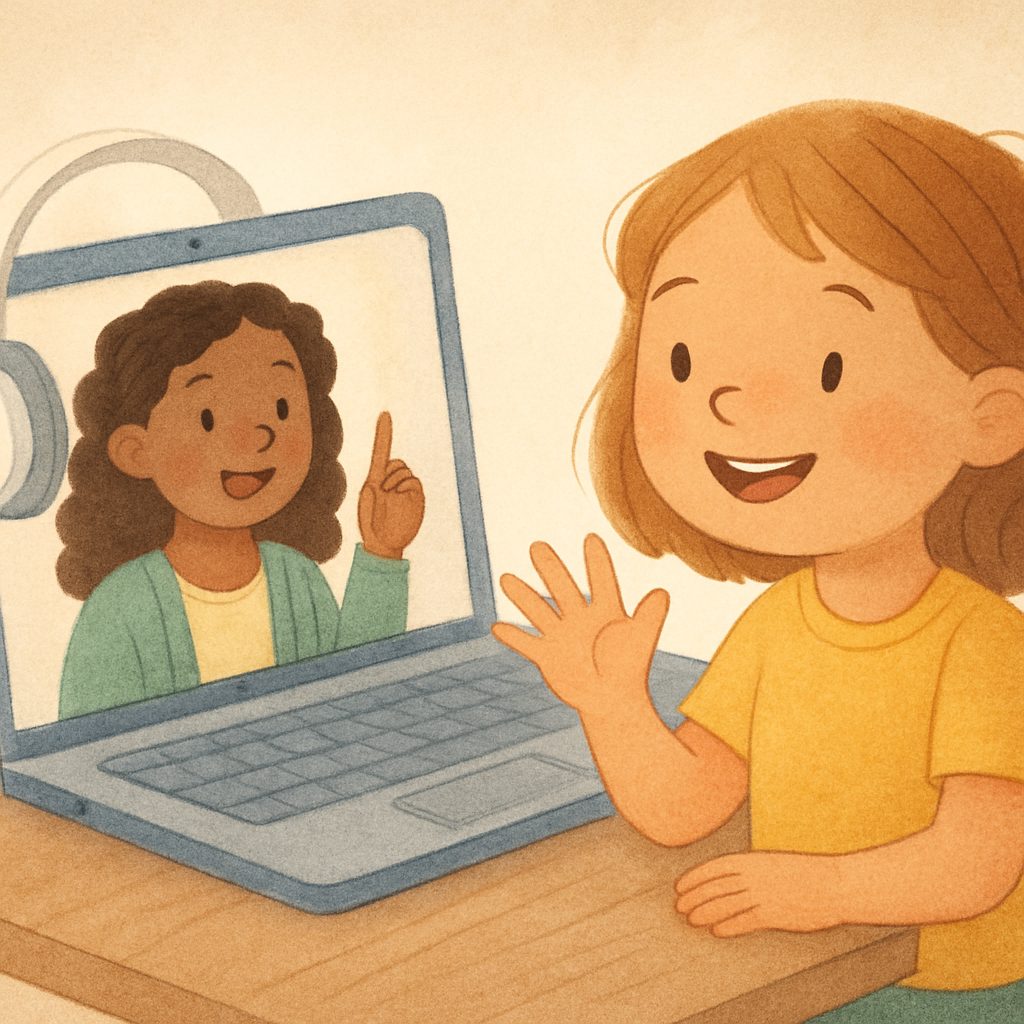
Many types of speech disorders can be successfully managed through telehealth. These conditions affect how you form sounds and speak, impacting the flow and clarity of your voice. A speech therapist can work with you remotely to address the specific challenges you face.
For example, if you have an articulation disorder, your therapist can model correct sounds and guide you through exercises to improve your pronunciation. Similarly, for fluency issues like stuttering, they can teach you strategies to manage the rhythm and flow of your speech. Some common speech disorders treated online include:
- Articulation disorders: Difficulty forming certain sounds, like saying "wed" instead of "red."
- Fluency disorders: Issues with the flow of speech, such as stuttering or cluttering.
- Voice disorders: Problems with pitch, volume, or quality of the voice, sometimes called resonance disorders. These can be associated with conditions like a cleft palate or swollen tonsils.
Each type of speech disorder requires a unique approach, and a telehealth therapist will create a personalized plan to help you strengthen your oral muscles and improve your speaking abilities.
Support for Language and Social Communication Difficulties
Speech therapy helps with many things besides making sounds. It can help with language and talking with other people. If you find it hard to understand others or share your own thoughts, online therapy can help. These sessions work on building basic language skills to make talking easier.
People who have trouble understanding words can get help from a therapist. The therapist teaches how to follow simple directions. People who have trouble saying what they think can get help too. The focus is often on learning new words and making correct sentences.
This kind of help is very important for many children with autism who want to talk better with others. Online therapy gives you a safe place to learn these skills. A therapist may use pretend play or planned talks to help you feel more at ease in social groups.
These activities help you connect with others and share your ideas with confidence. You will learn how to speak clearly and understand people better through practice in online sessions.
Comparing Online and In-Person Speech Therapy
Choosing between online and in-person speech therapy depends on your individual needs and lifestyle. Both formats aim to deliver an effective speech therapy program that enhances your communication skills and overall quality of life. Across the United States, telehealth has become a popular and reliable alternative to traditional sessions.
While the core goals remain the same, the delivery method creates some key differences in the experience. Understanding these distinctions can help you decide which option is the best fit for you or your family.
Key Differences in Delivery and Experience
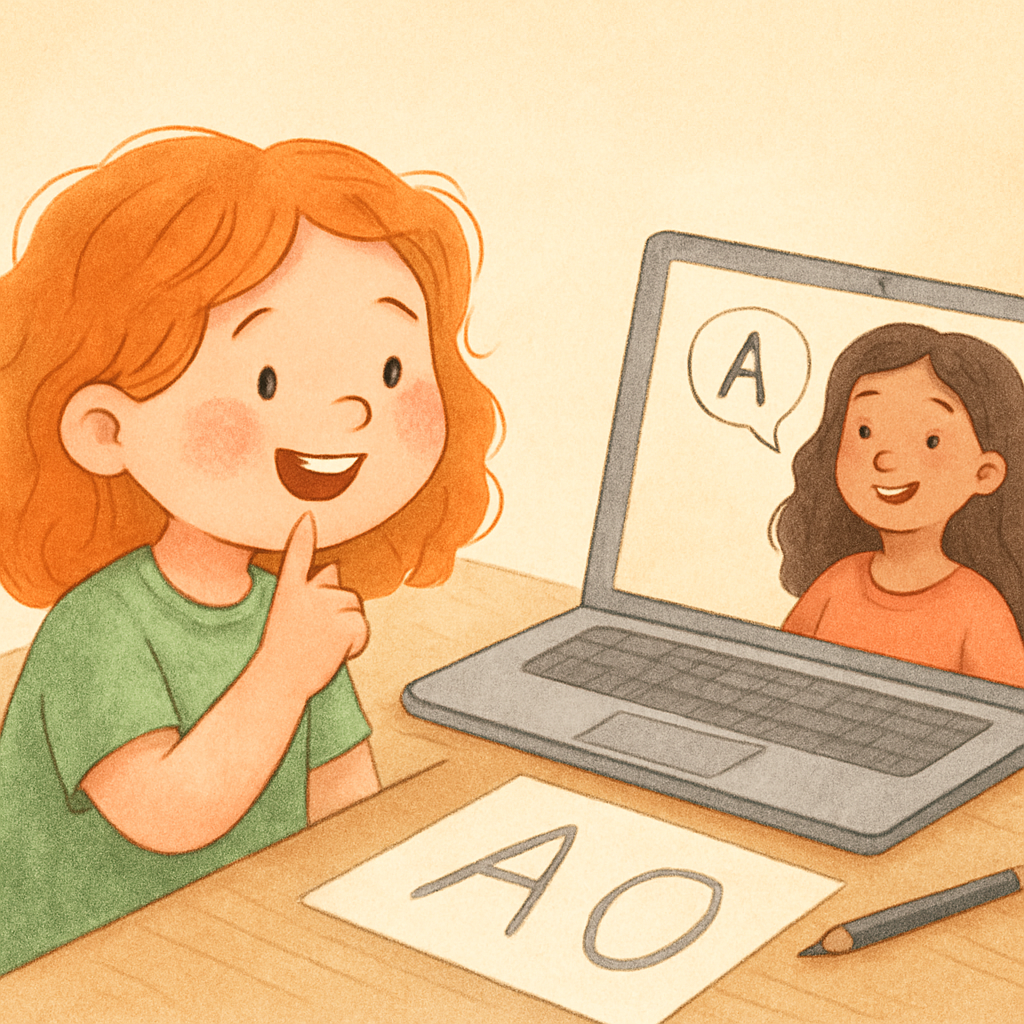
The most obvious difference between online and in-person care is the setting. Online sessions offer the flexibility of having a speech therapy session from home, school, or anywhere with an internet connection. In-person therapy takes place in a clinical environment, which some people may prefer for its structured nature.
During online sessions, the therapist relies heavily on visual and auditory cues through the screen. This means they pay close attention to facial expressions and vocal tone. In a traditional setting, the therapist can also observe full body language and use physical props more easily. However, many digital tools and games make online therapy just as interactive.
Ultimately, both formats have their unique strengths. Here's a quick comparison of the experience in these different settings:
|
Feature |
Online Speech Therapy |
In-Person Speech Therapy |
|---|---|---|
|
Location |
From anywhere with an internet connection, like home or school. |
A dedicated clinic or office setting. |
|
Interaction |
Relies on digital tools, screen sharing, and clear video/audio. |
Involves direct, face-to-face interaction and physical materials. |
|
Observation |
Focuses on facial expressions and vocal cues seen on screen. |
Allows for observation of full body language and physical presence. |
|
Convenience |
High flexibility, eliminates travel time and associated costs. |
Requires travel to a specific location at a scheduled time. |
Pros and Cons of Telehealth for Speech Pathology
Telehealth offers many benefits of speech therapy, making it an attractive option for many families. The convenience of fitting sessions into your daily life without travel is a major advantage. This accessibility can lead to more consistent attendance and better progress with treatment plans.
However, it's also important to consider potential drawbacks. Telehealth requires a stable internet connection and a device like a computer or tablet. Some individuals, especially very young children or those with significant attention difficulties, may find it harder to engage through a screen compared to in-person interaction.
Here are some key pros and cons to think about:
- Pro: Greater access to specialists, regardless of your location.
- Pro: Increased convenience and flexibility, reducing missed appointments.
- Con: Requires reliable technology and internet access.
- Con: May be less suitable for individuals who need hands-on, physical guidance.
Conclusion
Telehealth speech therapy offers flexible, accessible support for people of all ages with communication challenges. It connects patients and therapists regardless of location, providing tailored interventions that can be as effective as in-person sessions. Choosing a qualified therapist is key to achieving the best results.
Ready to see how telehealth can help? Contact us today for a consultation or call daar at 02 9133 2500!
Frequently Asked Questions
How do I choose a qualified telehealth speech therapist in Australia?
To find a qualified speech pathologist in Australia, look for professionals certified by Speech Pathology Australia. Ensure they have experience with your specific communication needs and are comfortable delivering treatment plans via telehealth. Many speech therapists offer an initial consultation to see if they are a good fit for you.
Is telehealth speech therapy as effective as traditional sessions for all ages?
For many, yes! Studies show that telehealth can be an effective treatment for both adults and young children, leading to significant improvements in communication and quality of life. Success often depends on the individual's ability to engage with the format and the specific goals of the speech therapy.
What should I expect during my first online speech therapy session?
Your first online speech therapy session will likely be an assessment. The speech therapist will ask questions about your communication skills and goals. They may engage you in some simple speech therapy activities to evaluate your rate of speech, articulation, and language abilities to create a personalized plan.
.svg)




.svg)