
.png?width=48&height=48&name=Group%201%20(3).png)
























13 March, 2026

ADHD and Autism: Insights into Comorbid Conditions
Key Highlights
- Attention deficit hyperactivity disorder (ADHD) and autism spectrum disorder (ASD) are neurodevelopmental disorders that can occur together, known as comorbid conditions.
- Studies show that 50-70% of individuals with ASD also have symptoms of ADHD.
- These conditions share overlapping symptoms, especially in areas like social communication and executive functioning, which can make diagnosis challenging.
- While there are similarities, key differences in the diagnostic criteria help distinguish between them.
- Effective management often involves a combination of medication, behavioral therapy, and tailored support for individuals with a dual diagnosis.
Introduction
Navigating the world of neurodevelopmental disorders can feel complex, especially when conditions like attention deficit hyperactivity disorder (ADHD) and autism spectrum disorder (ASD) are involved. Both affect brain development and can present challenges in daily life. While they are distinct, they also share many traits, and it's increasingly common for individuals to be diagnosed with both. Understanding the relationship between these two conditions is the first step toward better support and improved mental health outcomes for you or your loved ones.
Understanding ADHD and Autism Spectrum Disorder
Attention deficit hyperactivity disorder (ADHD) and autism spectrum disorder (ASD) are both neurodevelopmental disorders, meaning they affect how the brain develops and functions. This connection often leads to similarities in how individuals experience the world, particularly concerning executive functioning skills like focus and organization. Despite these shared characteristics, their diagnostic criteria highlight some clear distinctions.
Understanding these differences is crucial for an accurate diagnosis and effective support. In the following sections, we will explore the specific features of both ADHD and ASD, examine how often they appear in the Australian population, and clarify what it means to have both conditions.
Key Features of ADHD
ADHD (Attention Deficit Hyperactivity Disorder) affects attention, impulsivity, and activity levels. People with ADHD often struggle to maintain focus, making school and work tasks challenging. They may lose belongings or have trouble with activities requiring sustained mental effort.
Core symptoms fall into three main categories:
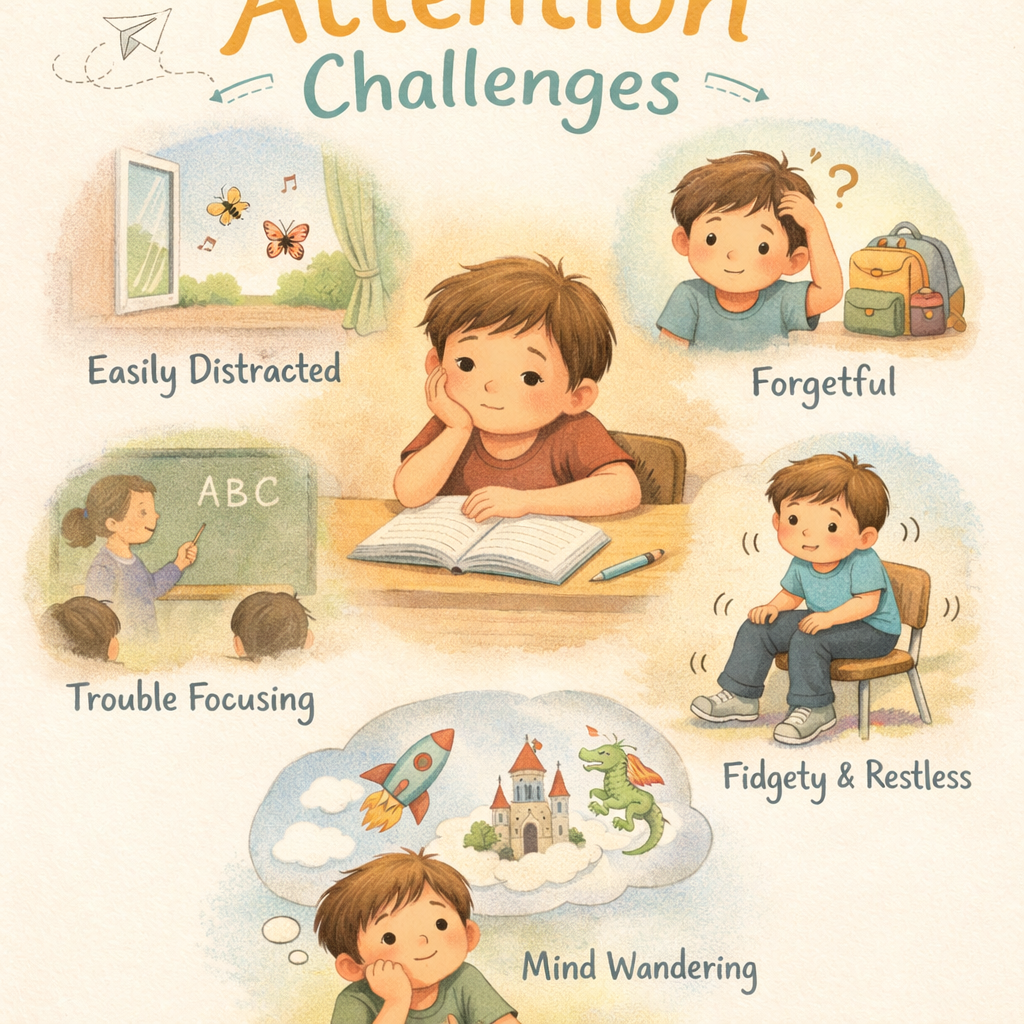
- Inattention: Trouble focusing, easy distractibility, and forgetfulness.
- Hyperactivity: Restlessness, difficulty sitting still, and excessive talking.
- Impulsivity: Acting without thinking and frequent interruptions.
Some children with ADHD are very energetic and social, while others may hyperfocus on specific interests. This intense focus is a unique aspect of ADHD that can make shifting attention difficult.
Defining Autism Spectrum Disorder
Autism spectrum disorder (ASD) is defined by its effects on social interaction, communication, and behavior. Individuals with ASD may find it hard to engage with others, understand social cues like body language, or maintain eye contact. Their developmental history often looks different from that of their peers, with signs sometimes noticeable before the age of two.
A key aspect of ASD involves distinct patterns of behavior and interests. These symptoms of ASD are central to its diagnosis and can include:
- Social Challenges: Difficulty with back-and-forth conversation and sharing interests with others.
- Repetitive Behaviors: Engaging in repetitive movements, like hand flapping, or adhering strictly to routines.
- Sensory Sensitivities: Being highly sensitive or insensitive to stimuli like bright lights, noises, or textures.
Unlike the distractibility often seen in ADHD, individuals with ASD are more likely to be overfocused or have an intense focus on specific topics. This can lead to remarkable skills in areas like math or music, but also a low tolerance for changes in routine.
Prevalence and Demographic Patterns in Australia
In Australia, ADHD and autism spectrum disorder (ASD) are both recognized as major neurodevelopmental conditions. Official data track their prevalence, with the DSM-5 noting that ADHD affects more children than ASD.
Globally, rates help illustrate these patterns, and while Australian numbers may differ slightly, worldwide estimates are informative. Notably, there is significant overlap—many autistic children also show ADHD symptoms.
|
Condition |
Prevalence in Children (%) |
Prevalence in Adults (%) |
|---|---|---|
|
Autism Spectrum Disorder (ASD) |
~1.7% |
Not specified |
|
Attention Deficit Hyperactivity Disorder (ADHD) |
~8.4% |
~2.5% |
Boys are diagnosed more often than girls: about three times more for ADHD and over four times more for ASD. This gap may be due to differences in symptom presentation or diagnostic biases.
What Does Comorbidity Mean for ADHD and Autism?
The term 'comorbidity' simply means that two or more chronic conditions exist in the same person at the same time. When it comes to ADHD and autism, this is often referred to as a dual diagnosis. The American Psychiatric Association previously considered these diagnoses mutually exclusive, but the DSM-5 now acknowledges that they can and do co-occur.
This high rate of comorbidity is thought to be linked to shared risk factors, including a potential genetic overlap. An accurate diagnosis of both conditions is essential because it informs a more effective and comprehensive support plan. We will now look closer at the overlapping symptoms, the key differences, and how common this dual diagnosis truly is.
Overlapping Symptoms Explained
ADHD and autism share many symptoms, making them hard to distinguish. Both affect executive functioning—skills like organization, time management, and impulse control—which leads to frequent confusion or dual diagnoses.
Areas where symptoms overlap include:
- Social Communication: Both may struggle socially; ADHD often leads to interrupting, while autism may cause difficulty reading social cues.
- Attention: ADHD involves inattention but can also cause hyperfocus. Autism often features intense focus on interests, which can look like ADHD-related inattention elsewhere.
- Sensory Processing: Sensory sensitivities are common in autism and can also appear in ADHD.
Early signs of both conditions may include hyperactivity, trouble with social interactions, and difficulty shifting focus. The combination of hyperactivity and rigid routines may suggest a dual diagnosis.
Differences Between ADHD and Autism
While ADHD and autism share some features, they have key differences crucial for accurate diagnosis, mainly rooted in the reasons behind behaviors. For example, a child with ADHD may struggle socially due to impulsivity and inattention, while a child with autism may have difficulty understanding nonverbal cues.
Key differences:
- Focus: ADHD involves trouble maintaining attention on uninteresting tasks but can include hyperfocus on preferred activities. Autism often features intense focus on specific interests and resistance to shifting attention.
- Social Interaction: Both conditions can cause social challenges. People with ADHD are usually eager to interact but may overlook social rules; those with autism may find socializing confusing or show less interest.
- Behavior: Repetitive movements and strict routines are common in autism, not in ADHD.
Understanding these distinctions helps clinicians accurately diagnose each condition. ADHD is marked by distractibility, while autism often involves a need for routine and resistance to change.
How Common is Comorbidity?
Comorbidity between ADHD and autism is surprisingly common. Research indicates a high prevalence of ADHD in individuals with ASD and vice versa. This significant overlap suggests that having one neurodevelopmental disorder increases the risk factors for developing another, pointing toward shared underlying causes, such as genetic factors.
Studies have provided specific estimates on how often this dual diagnosis occurs. According to the scientific literature, the co-occurrence is quite high, highlighting the need for comprehensive assessments when either condition is suspected.
|
Comorbidity Direction |
Estimated Percentage |
|---|---|
|
Individuals with ASD who also have ADHD |
50% to 70% |
|
Children with ADHD who also have low-level ASD signs |
Up to 25% |
This strong connection has led some researchers to explore whether ADHD and autism are different manifestations of a single, overarching disorder. When they co-occur, a comprehensive evaluation is needed to diagnose both conditions. Clinicians must carefully differentiate the overlapping symptoms to ensure an accurate diagnosis, which is key to creating a tailored and effective treatment plan.
Approaches to Treatment and Support
When ADHD and autism coexist, finding the right approach to treatment and support is key. Management often requires a multi-faceted strategy that addresses the unique challenges of both conditions. A healthcare provider with experience in treating dual diagnoses can offer the most effective guidance, combining behavioral therapy, medication, and parent training.
Because the needs of each person are different, support must be personalized. The following sections will cover the specific interventions available, how to tailor support for individuals with both conditions, and the resources available for families in Australia to get the help they need.
Medication, Therapy, and Interventions
For people with both ADHD and autism, treatment often combines medication and therapy. Medication can help control ADHD symptoms like hyperactivity and inattention, making it easier to benefit from therapies for autism. However, stimulant medications may be less effective or cause more side effects when both conditions are present.
Various therapies can improve daily functioning by building skills and managing symptoms. Effective options include:
- Behavioral Therapy: Applied Behavior Analysis (ABA) uses positive reinforcement to shape behavior, while Cognitive-Behavioral Therapy (CBT) helps with executive functioning and emotional regulation.
- Social Skills Training: Teaches and practices skills needed for social interaction.
- Physical Activity: Regular exercise can improve focus and reduce hyperactivity.
A healthcare professional will carefully evaluate overlapping symptoms to make an accurate diagnosis. Treatment is then tailored to address the most significant challenges for each individual.
Tailoring Support for Individuals with Both Conditions
A one-size-fits-all approach doesn’t work for people with both ADHD and autism. Their combined symptoms create unique challenges that require a personalized support plan. Effective treatment must address ADHD’s executive function deficits and autism’s sensory issues.
Support should be integrated and adaptable:
- Combine interventions: Use ADHD medication alongside therapies like ABA to target social and communication skills.
- Modify the environment: Structured routines help manage disorganization from ADHD and offer predictability for autism.
- Involve caregivers: Parent training gives families tools to handle complex behaviors and support development at home and in the community.
People with both conditions often struggle more with emotional regulation and social situations. Dual-diagnosis treatment must be more comprehensive and coordinated than treatment for either condition alone.
Family and Community Resources in Australia

For Australian families dealing with both ADHD and autism, finding the right support is crucial. Start by consulting a trusted healthcare provider, like a pediatrician or psychologist, for referrals to specialized services.
Helpful resources include:
- Government Programs: The National Disability Insurance Scheme (NDIS)offers funding and access to support.
- Non-Profit Organizations: Groups focused on ADHD and autism provide workshops, social skills training, and family support.
- Online Communities: Forums and social media connect you with other families for advice and emotional support.
These resources help manage complex behaviors, navigate the education system, and offer community connections that make a real difference.
Conclusion
Understanding the complex relationship between ADHD and Autism Spectrum Disorder is essential, as these conditions often coexist. Recognizing their overlapping symptoms and differences leads to better treatment, tailored interventions, and stronger support. By fostering awareness and compassion, families and communities can more effectively support individuals facing both conditions. If you need guidance or resources, explore available support options—together, we can positively impact those affected by comorbid ADHD and autism.
Reach out for a consultation or call daar at 02 9133 2500 for expert guidance tailored to your child’s needs.
Frequently Asked Questions
Can a person be diagnosed with both ADHD and autism?
Yes, a person can absolutely receive a dual diagnosis of both ADHD and autism. These are known as comorbid conditions. While the symptoms of ASD and ADHD can overlap, a thorough evaluation by a qualified professional can lead to an accurate diagnosis of both, which is crucial for effective treatment planning.
What challenges might someone face if they have both conditions?
Individuals with both ADHD and autism often face intensified challenges in daily life. These can include significant difficulties with executive functioning, heightened sensory issues, and problems with emotional regulation. Navigating social situations can be particularly complex, as they must manage symptoms from both conditions simultaneously, impacting their overall functioning.
Where can Australian families seek support for comorbid ADHD and autism?
Australian families can find support through various channels. Start by consulting a healthcare provider for referrals. Community resources from non-profits, family support groups, and official government organization websites like the NDIS offer valuable assistance. These networks provide essential information and services to help manage mental health and well-being.
.svg)




.svg)