
.png?width=48&height=48&name=Group%201%20(3).png)























20 August, 2026

Emotional Outbursts in Children: What Parents Should Know
Key Highlights
- Emotional outbursts in children often reflect gaps in emotional regulation, not bad behaviour.
- Developmental factors, brain growth, and stress can all shape emotional dysregulation.
- ADHD and other mental health conditions may raise emotional intensity and impulsive reactions.
- Parents can watch for physical, behavioural, and emotional signs that point to struggling coping skills.
- Simple tools like deep breathing and breaks can support calmer moments in daily life.
- Long-term support can build stronger emotional regulation and protect mental health.
Introduction
Big feelings are part of childhood, but repeated explosive reactions can leave you worried and unsure what to do next. Emotional regulation develops over time, and many children need help learning how to handle frustration, disappointment, and stress in daily life. Some outbursts are tied to age and development, while others may point to deeper mental health concerns. When you understand what may be driving the behaviour, you can respond with more calm, clarity, and confidence.
Common Causes of Emotional Outbursts in Kids
Children can have emotional outbursts for many of the same underlying causes seen in adults, including chronic stress, lack of sleep, sensory overload, and strong emotional reactions to change or conflict. The difference is that kids usually have fewer emotional regulation tools and less impulse control.
In many cases, developmental factors play a major role. Some children also struggle because of mental health conditions or neurodevelopmental differences that make emotional regulation harder. To understand why some kids have bigger reactions, it helps to look at both brain development and individual needs.
Developmental Factors and Brain Changes
A child’s brain is still growing, and that matters a lot. Emotional intensity can rise quickly because the brain systems tied to strong emotions react faster than the parts that help with planning and self-control. This can make a small problem feel huge in the moment.
One reason some kids struggle with big emotional outbursts is that the prefrontal cortex is still developing. This area helps with emotional regulation, decision-making, and slowing down impulsive responses. When it is immature, emotional reactivity can take over before a child can think things through.
At the same time, brain changes can make children more sensitive to stress, frustration, or disappointment. That does not mean they are choosing chaos. It often means they need support practicing calm responses until those emotional regulation skills become stronger with age and repetition.
Emotional Outbursts, ADHD, and Other Neurodevelopmental Conditions
Yes, emotional outbursts can be linked to ADHD. Children with ADHD often struggle with impulse control, frustration, and rapid mood changes.Emotional dysregulation may occur even when triggers seem minor.
Look for signs such as:
- Quick anger or tears over small setbacks
- Difficulty calming down after getting upset
- Impulsive shouting, arguing, or blaming
- Strong sensitivity to correction or rejection
- Frequent frustration during transitions or tasks
Other neurodevelopmental conditions can also affect emotional regulation. Sometimes stimulant medications help with attention and behaviour, but discuss any side effects with a qualified professional. If these patterns disrupt home, school, or relationships, a full evaluation may be useful.
Recognizing the Signs of Emotional Dysregulation
Emotional dysregulation often shows up before a full meltdown happens. You might see a child go from mild frustration to intense distress very fast, especially when negative emotions build without relief. That quick escalation can signal weak emotional regulation skills.
Sometimes the signs are easy to miss because they look like defiance, whining, or avoidance. Looking at patterns matters more than judging one moment. The next sections break down physical, behavioural, and emotional clues, along with signs that may mean it is time to involve mental health professionals.
Physical, Behavioural, and Emotional Indicators
Many children show physical indicators before or during an outburst. Their body may move into high physiological arousal, almost like a fight or flight response. You may notice a faster heart rate, tense muscles, sweating, shaking, or a flushed face. In some cases, blood pressure may rise too.
Behavioural signs can include yelling, crying, hitting, throwing objects, running away, or shutting down completely. Emotional pain may come out as anger, panic, sadness, or overwhelm. The reaction may look bigger than the event that triggered it.
|
Type |
What you may notice |
|---|---|
|
Physical indicators |
Rapid breathing, tense body, sweating, raised heart rate |
|
Behavioural signs |
Arguing, impulsive actions, crying, aggression, withdrawal |
|
Emotional clues |
Overwhelm, intense anger, hurt feelings, frustration, fear |
When to Be Concerned About a Child’s Outbursts
While occasional outbursts are normal, extreme, frequent, or unpredictable reactions may indicate emotional dysregulation and can impact multiple areas of a child’s life. This often leads to anger issues when children lack ways to calm down.
Be concerned if outbursts disrupt daily functioning or seem linked to mental health concerns. Warning signs include:
- Frequent, long-lasting meltdowns
- Aggression toward others, pets, or property
- Significant problems at school or with family
- Difficulty recovering from minor setbacks
- Persistent distress despite support
If these patterns appear, consider seeking professional help. A mental health specialist can assess anger management, emotional control, and underlying issues to provide the right support for your child.
Managing Emotional Outbursts: Tools and Strategies for Parents
When emotions surge, children need support they can actually use in the moment. Effective coping skills often start with simple, practical strategies that lower stress and help a child feel safe enough to regain emotional control.
Over time, the goal is not to stop all strong feelings. It is to teach healthier ways to respond to them. Some tools work right away, while others build emotional regulation slowly through practice, treatment, and supportive routines. Let’s look at both short-term and long-term approaches.
Immediate Calming Techniques at Home and in Public
In the middle of an outburst, keep your response steady and simple. Children often borrow your tone before they can use their own coping skills. The aim is to reduce emotional intensity, not argue about what happened right then.
Try relaxation techniques that calm the nervous system and make the moment feel more manageable:
- Use deep breathing together, such as slow inhale and exhale counts
- Move to a quiet space when possible
- Try grounding by naming things they can see or hear
- Offer a short break from the trigger
- Encourage stretching or a brief walk
These steps can work at home or in public with small adjustments. In family life, what helps most is practice before the next hard moment. The more familiar the routine feels, the easier it is for your child to use it when emotions start building.
Long-Term Approaches for Improving Emotional Regulation
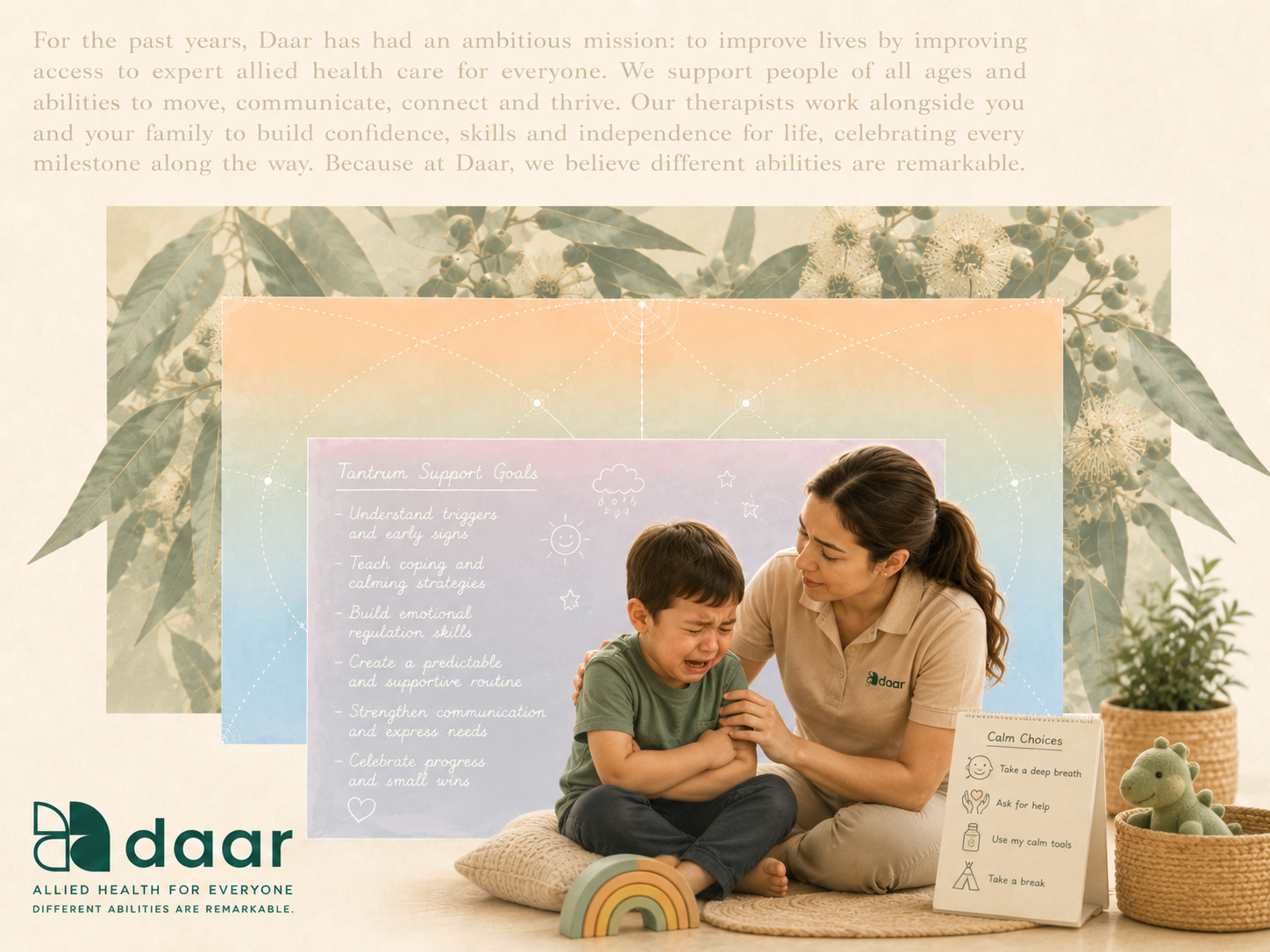
Lasting change usually comes from steady practice, not one perfect response. Children build emotional regulation skills through repetition, support, and routines that lower stress. Sleep, movement, and predictable structure can all strengthen emotional resilience over the long run.
Professional treatment can also help. Dialectical behaviour therapy may be useful when emotions feel especially intense, because it focuses on distress tolerance, mindfulness, and safer coping.
Children and adults can both have emotional outbursts, but kids often have fewer words, less impulse control, and less developed self-management skills. Strong social connections also matter. Supportive relationships with family, peers, and trusted adults can make emotional recovery easier and more consistent over time.
Conclusion
In summary, understanding and managing emotional outbursts in children is crucial for fostering a supportive environment that encourages emotional growth. By recognizing the common causes and signs of emotional dysregulation, parents can implement effective strategies to help their children navigate these challenging moments. Remember, it’s normal for kids to experience emotional ups and downs, but with the right tools, you can guide them towards better emotional regulation.
If you find yourself needing additional guidance or support, don’t hesitate to reach out for a consultation or call daar at 02 9133 2500 with our experts.
Frequently Asked Questions
Are emotional outbursts a normal part of childhood?
Yes, some emotional outbursts are a normal part of childhood. Temper tantrums and big feelings happen as children learn emotion regulation. Still, if emotional reactivity is intense, frequent, or disrupts daily life, it may be a sign that your child needs extra support.
How are emotional outbursts linked to ADHD?
ADHD, or attention deficit hyperactivity disorder, can make impulse control and emotional intensity harder to manage. Some children react strongly to frustration or rejection sensitivity. In some cases, medication side effects may also affect mood, so changes in behaviour should be discussed with a qualified professional.
When should parents seek professional help for emotional outbursts?
Seek professional support when outbursts are frequent, aggressive, long-lasting, or start harming daily functioning at home or school. Mental health professionals can assess whether emotional pain, chronic stress, or another concern is making regulation harder and can guide your family toward the right help.
.svg)




.svg)