
.png?width=48&height=48&name=Group%201%20(3).png)























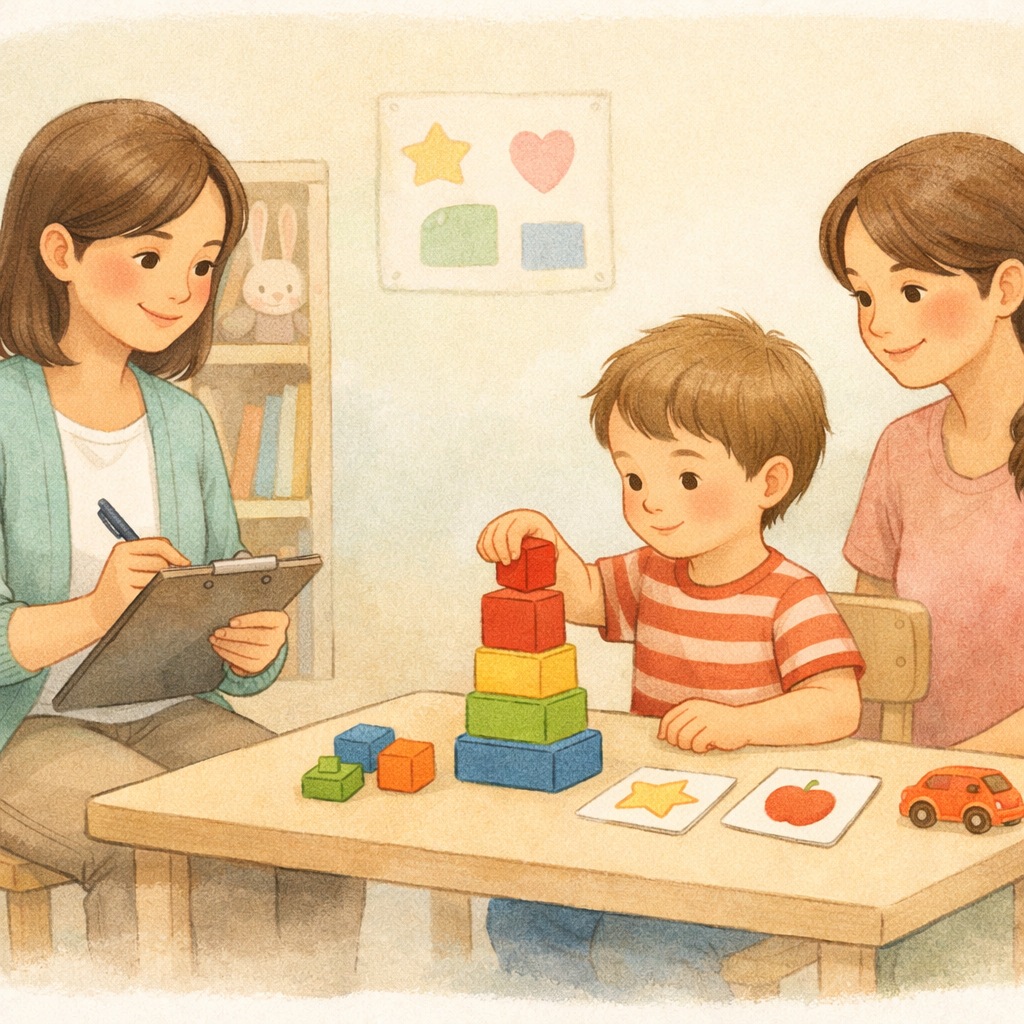
27 April, 2026

Applied Behaviour Analysis: An Overview for Parents

Key Highlights
- Applied behaviour analysis (ABA) is a science-based therapy focused on improving helpful behaviours and reducing those that affect learning.
- ABA therapy is frequently used for individuals on the autism spectrum to help develop communication skills and social skills.
- The therapy relies on positive reinforcement, where desired behaviorurs are rewarded to encourage their repetition.
- A qualified behaviour analyst, often certified by the Behaviour Analyst Certification Board, designs and oversees a personalized plan for each individual.
- The primary goal of ABA is to enhance independence and improve the overall quality of life.
Introduction
Have you ever heard of Applied Behaviour Analysis and wondered what it involves? Often referred to as ABA, this therapy is based on the science of learning and behaviour. It helps us understand how behaviour works, how it is affected by the environment, and how learning takes place. ABA therapy applies these principles to real situations to increase helpful behaviours and decrease harmful or interfering ones. A trained behaviour analyst guides the process, making it a recognized support for individuals with autism spectrum disorder.
ABA Therapy for Autistic Children in Australia
For autistic children, ABA therapy offers a structured approach to increasing useful skills and reducing behaviours that may interfere with learning or daily activities. The focus is on creating positive behaviour changes through early intervention, which makes it a key part of many treatment plans.
A certified behaviour analyst customizes the program to fit your child’s specific needs and goals. By breaking down complex tasks into manageable steps, ABA helps children build daily living skills and make meaningful progress in a supportive environment. The following sections will explore how this therapy supports skill development and what a typical session looks like.
How ABA supports children with autism
ABA therapy supports learning for children on the autism spectrum by breaking down complex skills into smaller, more manageable steps. A behaviour analyst uses prompts and rewards to guide your child’s progress, a process known as positive reinforcement. This structured method helps build a strong foundation for learning new skills in a way that feels supportive and encouraging.
One of the core ABA techniques is functional communication training, which helps children find better ways to express their needs. Therapists teach each step individually, and as your child masters them, the steps are combined into more complex abilities. This ensures learning happens at a comfortable and effective pace.
ABA helps improve a wide range of abilities for greater independence, including:
- Communication and language skills
- Social skills like sharing and turn-taking
- Self-care routines such as dressing and hygiene
Typical ABA therapy session structure
Good ABA programs are not a "one-size-fits-all" solution. Each program is designed to meet the learner's individual needs, skills, and interests. ABA therapy sessions are structured but flexible, often incorporating different ABA principles to target specific behaviours and teach new skills within daily routines. A session might begin with a warm-up activity before moving into more focused learning tasks.
One common method used is Discrete Trial Training (DTT), where skills are taught in a one-on-one, step-by-step format. For example, a therapist might use task analysis to break down a larger skill, like washing hands, into smaller steps. The session balances structured teaching with more natural, play-based learning opportunities.
Data is collected throughout the session to track progress and make adjustments to the plan. Here is a simple breakdown of the ABC model often used:
|
Step |
Description |
|---|---|
|
Antecedent |
What happens right before the behaviour (e.g., a request is made). |
|
Behaviour |
The person's response to the antecedent. |
|
Consequence |
What happens directly after the behaviour (e.g., positive reinforcement). |
Who Can Benefit from ABA Therapy?
While ABA therapy is widely known for its use with children with autism, its principles of behaviour analysis can help a broad range of individuals. People with other developmental disorders can also see significant improvements in communication skills, social functioning, and intellectual functioning.
The goal is to foster positive behaviour that helps individuals become more independent and successful. By focusing on teaching helpful skills, ABA can enhance the quality of life for many different learners. Let's look at how ABA is used beyond autism and how it differs for children and adults.
ABA applications beyond autism
Behaviour analysis principles have been used for decades to help diverse learners build new skills. While best known for supporting children with autism, ABA techniques are effective for people with various developmental and mental health challenges. The focus is on promoting positive behaviour and teaching practical skills.
ABA’s flexibility allows it to be tailored to individual needs—whether improving daily living, boosting academic performance, or learning new habits. The core goal is to apply behavioural understanding to real-life situations.
ABA can help by:
- Increasing independence through better daily living skills.
- Addressing behavioural issues in schools.
- Supporting mental health with coping strategies.
ABA for children versus adults
Although ABA therapy’s core principles are consistent, its application varies for children and adults to meet their unique needs. Behaviour analysts tailor programs based on age and ability.
For children, ABA targets foundational skills like play, early communication, and school readiness—building a base for future learning and social interaction.
For adults, ABA focuses on independence and quality of life. This includes daily living skills, vocational training, and advanced social abilities for work or community life. Adult goals may include:
- Improving job performance or interview skills
- Managing finances and household tasks
- Enhancing social functioning in relationships
Evidence, Effectiveness, and Criticisms of ABA
Applied Behaviour Analysis is considered an evidence-based practice, meaning it has passed scientific tests of its usefulness, quality, and effectiveness. Extensive research shows that ABA interventions can lead to significant improvements in skills and quality of life while helping to decrease behaviours that are harmful or affect learning.
However, like any therapy, ABA is not without its critics. Some have raised concerns about the nature of the therapy and its goals. The following sections will provide an overview of the research supporting ABA's effectiveness and address some of the common criticisms and ethical considerations.
Common criticisms and ethical considerations in ABA
Despite its effectiveness, ABA therapy has faced criticism, especially for older methods seen as too rigid or focused on making individuals blend in rather than embracing neurodiversity. Modern ABA aims to equip individuals with skills to navigate life—not to change who they are.
Ethics are central to current ABA practice. Qualified professionals follow strict ethical codes that prioritize the individual’s well-being, consent, and dignity. The focus is on positive reinforcement and skill-building, not punishment. Effective behaviour analysts work closely with both the individual and their family.
Key ethical principles in modern ABA include:
- Improving quality of life and mental health.
- Respecting the individual's assent and preferences.
- Applying behavioural science humanely.
Funding and Accessibility of ABA Services in Australia
Navigating funding for ABA services can feel complex, but options are available to improve accessibility for families in Australia. The National Disability Insurance Scheme (NDIS) is the primary government support system for people with disabilities, and many families use their funding for ABA.
Access to an ABA provider can also depend on your location, with more options in metropolitan areas. However, the goal of early intervention is to provide support as soon as possible. We will now look at how the NDIS and insurance may cover ABA and the steps to find support.
Is ABA covered by insurance or NDIS?
In Australia, the NDIS is the main avenue for funding ABA therapy. While the NDIS does not list specific therapies by name, many families successfully use their NDIS funding for ABA programs if the therapy is deemed "reasonable and necessary" to help a child achieve their goals. This often falls under funding categories like "Improved Daily Living."
To access this funding, you need to clearly demonstrate how ABA therapy will support your child’s specific goals. A report from a medical provider, such as a pediatrician or behaviour analyst, that recommends ABA and outlines the expected outcomes can significantly strengthen your case.
When seeking funding for ABA therapy, you should:
- Connect the therapy directly to your child's NDIS goals.
- Gather supporting documents from professionals.
- Discuss ABA funding with your NDIS planner or Local Area Coordinator.
Steps for families seeking ABA therapy support
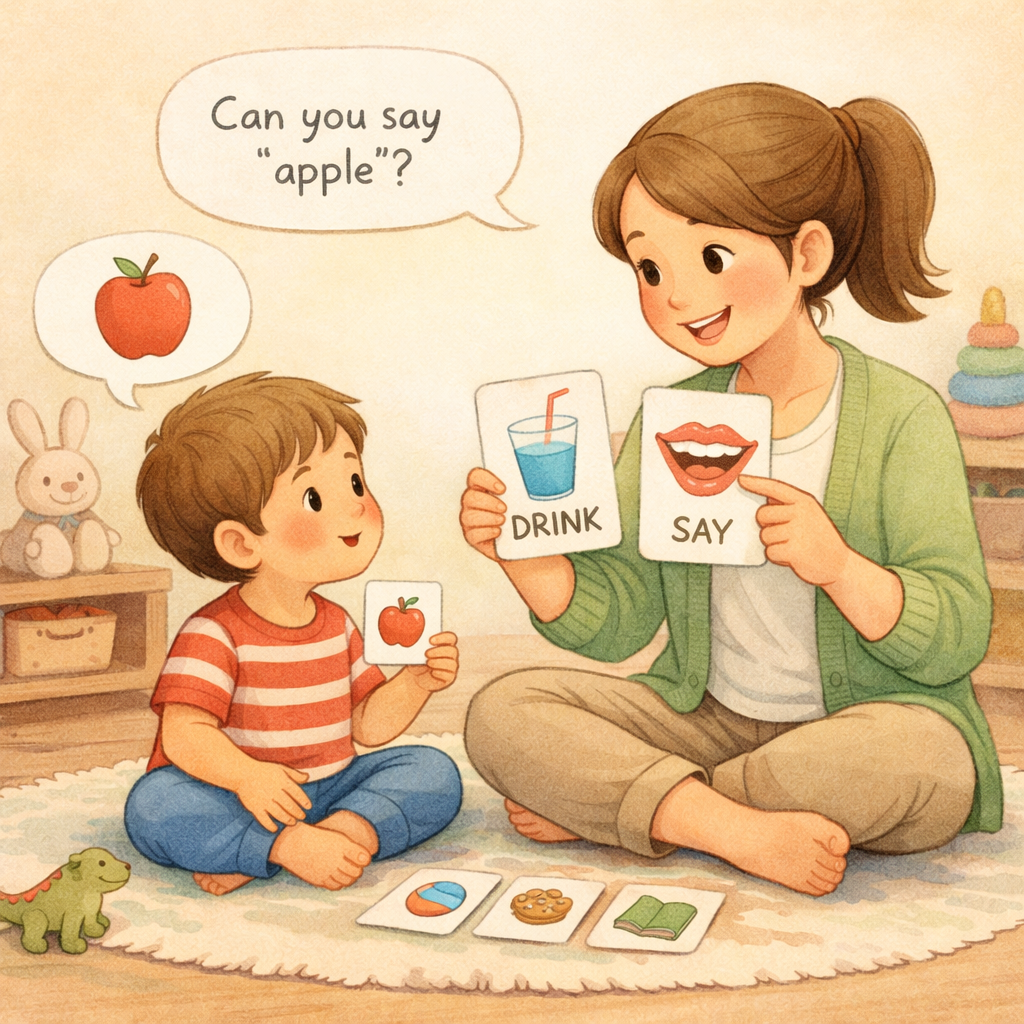
Finding the right ABA therapy support starts with a few manageable steps. The first step is often speaking with your pediatrician or another medical provider. They can discuss if ABA is right for your child and may provide a recommendation or prescription, which can be useful for funding purposes.
Once you have a recommendation, you can begin searching for an ABA provider. You can ask your child’s doctor or school for recommendations or search online directories. When you contact a provider, they will schedule an intake evaluation to assess your child’s skills and needs. This is also your opportunity to ask questions and ensure they are a good fit for your family.
Key steps for families include:
- Getting a recommendation for ABA therapy services.
- Finding a qualified ABA provider and requesting an intake evaluation.
- Ensuring the provider aligns with your family's goals for your child’s early childhood development.
Conclusion
In conclusion, Applied Behaviour Analysis (ABA) provides a structured approach that can greatly benefit children with autism. Understanding ABA helps parents advocate for their children's needs and secure necessary support. While ABA has critics, its effectiveness is well-supported. As you explore resources in Australia, seeking information and assistance is key to offering the best care.
If you're interested in ABA services, contact daar for a consultation or call 02 9133 2500 for local providers for guidance and support.
Frequently Asked Questions
Can ABA therapy be used for children other than those with autism?
Yes, Applied Behaviour Analysis is not limited to autism. Its techniques are effective for various developmental disorders and behavioural challenges. ABA can be used to teach new skills, improve social skills, and address specific behavioural goals for a wide range of learners in different settings.
Is there a difference between ABA for adults and children?
Yes, while the core principles of ABA therapy are the same, the goals are tailored to the individual's age and needs. For children, the focus is often on developmental and communication skills. For adults, it may shift toward skills related to daily living, employment, and independent social functioning.
Are there any potential drawbacks to ABA therapy?
Some criticisms have been raised, particularly about older, more rigid forms of ABA therapy. Modern ABA has strong ethical considerations and focuses on positive reinforcement to decrease problem behaviours. It is crucial to find a qualified behaviour analyst who prioritizes the individual's mental health and well-being.
.svg)




.svg)