
.png?width=48&height=48&name=Group%201%20(3).png)























2 December, 2025

Introduction
Gaining independence is a major milestone for any teenager. For young adults with disabilities, learning to navigate the world on their own can feel like a huge step. This is where travel training comes in. This specialized instruction is designed to equip teens with the confidence and skills they need to travel safely, whether they're walking in their community or using public transport. It’s an empowering journey that opens up a world of new opportunities for personal growth and freedom.
Key Highlights
-
Travel training provides teens with disabilities the knowledge and skills for independent and safe travel.
-
The program focuses on building essential life skills, such as navigating public transport and problem-solving.
-
A key goal is to foster independence, which enhances confidence and self-esteem in young adults.
-
Customized support is available for teens with special needs, addressing cognitive and physical challenges.
-
Developing safe travel skills is a core component, teaching teens how to handle unexpected events.
-
Structured frameworks ensure training is effective, with progress monitoring and celebrating achievements.
Understanding Travel Training for Teens
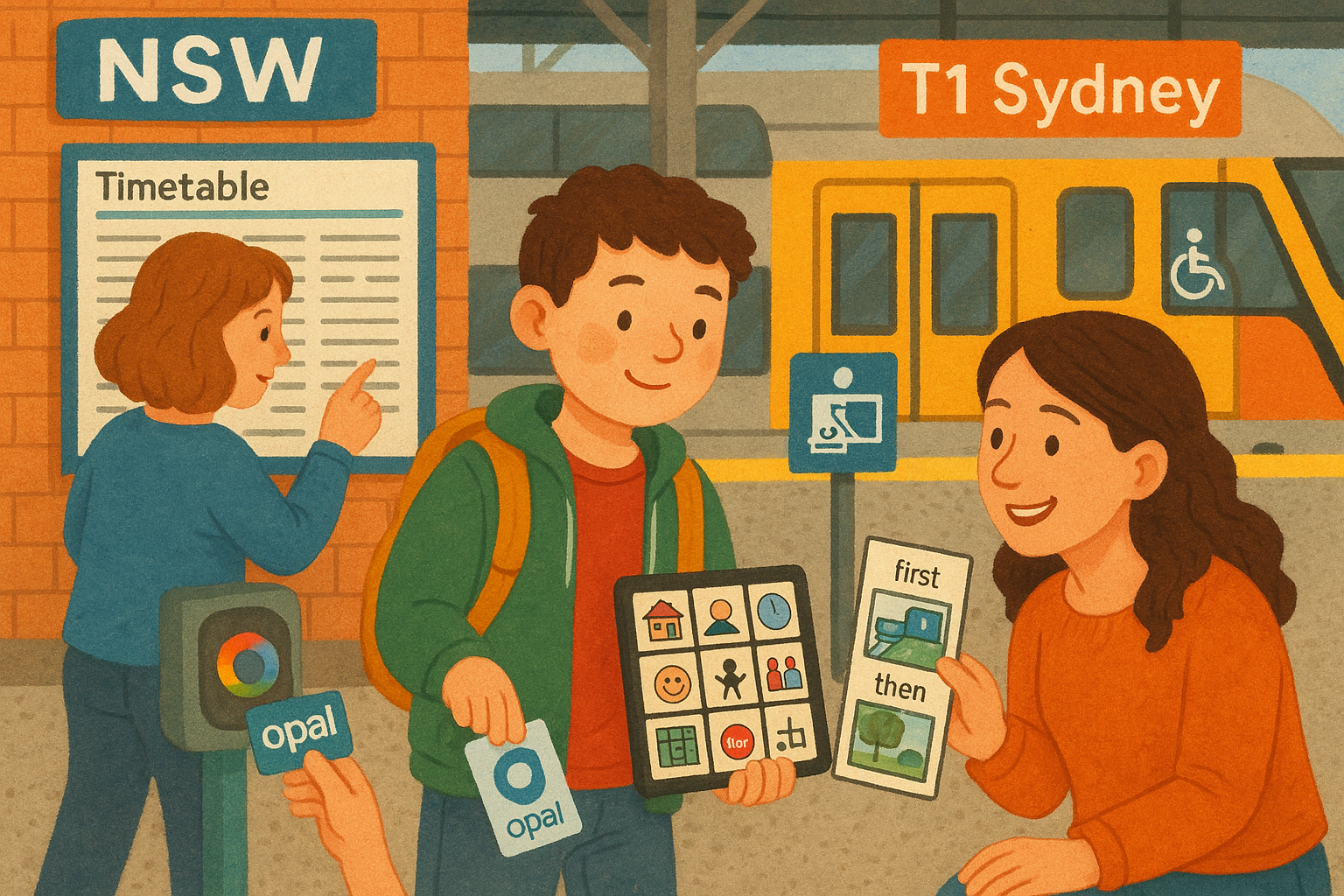
Travel training is a personalized educational program that teaches teens the travel skills necessary to move around their community independently and safely. It's much more than just learning a bus route; it’s about building a foundation of crucial life skills.
This training is vital for personal growth, as it empowers students with the confidence to explore new places and situations. By developing these abilities before adulthood, teens can maximize the long-term benefits, setting them up for a more independent and fulfilling future. Let's explore what this training involves and why it's so beneficial.
What Is Travel Training and How Does It Build Independence?
At its core, travel training is an instructional program tailored to a student's individual needs. A specialized travel trainer works with the teen to develop the knowledge and practical skills needed for safe, independent journeys. This can range from understanding road safety signs to planning a trip on public transport.
The process directly builds independence by moving a teen away from reliance on family or specialized transport services. As they master new travel abilities, their confidence soars. This newfound self-reliance is a massive boost to their self-esteem and overall quality of life.
Ultimately, these are essential life skills that extend far beyond the daily school commute. The ability to travel independently opens doors to employment, further education, and social activities, allowing for greater participation in the community and a richer, more autonomous life.
Why Travel Training Matters for Australian Teenagers
For teenagers across Australia, acquiring independent travel skills is a rite of passage. Travel training makes this possible for teens with disabilities, providing them with lifelong benefits. Starting this journey before adulthood helps to cement these skills, leading to lasting changes in behaviour and confidence.
The ability to use public transport unlocks access to the wider community. It means teens can confidently explore new environments, visit friends, or attend events without needing constant support. This experience is a powerful catalyst for personal growth, encouraging adaptability and resilience.
The benefits of travel training go beyond the individual. When a teen learns to travel independently, it can also reduce the responsibility on parents and caregivers. It builds trust and shows everyone involved what the teen is capable of achieving, paving the way for greater independence in all areas of life.
Core Skills Developed Through Travel Training
A comprehensive travel training program develops a wide range of practical and cognitive abilities. These essential life skills are the building blocks for safe and independent movement within the community. Students learn everything from being a safe pedestrian to becoming a confident passenger on public transport.
Beyond the technical travel skills, the training also nurtures crucial soft skills. These include problem-solving when faced with unexpected events, improving communication skills to ask for help, and building self-awareness. This holistic approach supports immense personal growth. Let’s look at some of these core skills more closely.
Navigating Public Transport Confidently
Learning to use public transport can seem overwhelming at first, but travel training breaks it down into manageable steps. The process begins with journey planning, where teens learn how to figure out the best way to get from one place to another. This includes understanding timetables and maps.
A major part of modern travel involves technology. Teens are taught how to use helpful transport apps to plan a new route, check for service updates in real-time, and make their travel experience smoother. This practical knowledge empowers them to adapt to changes and travel with more assurance. Key skills include:
-
Planning a journey from start to finish.
-
Using digital tools and apps like TripView or Opal Travel.
-
Understanding how to behave appropriately and safely as a passenger.
With guided practice, teens gradually build the confidence to handle each part of the trip on their own, transforming a daunting task into a routine part of their day.
Decision-Making and Problem-Solving on the Go
Travel rarely goes exactly as planned. A bus might be late, a train platform might change, or you might get off at the wrong stop. A critical component of travel training is teaching teens effective decision-making and problem-solving skills to handle these real-world challenges.
Instead of panicking, students learn to assess a situation calmly and think about their options. This might involve asking for directions, checking a travel app for alternatives, or contacting a parent or caregiver for advice. These are invaluable life skills that build resilience and resourcefulness. Important skills learned include:
-
Identifying when something has gone wrong.
-
Thinking through potential solutions to a problem.
-
Knowing who and how to ask for assistance.
By practicing these travel skills in a supportive environment, teens learn to trust their own judgment. This ability to think on their feet is a cornerstone of true independence.
Safety Essentials for Independent Teen Travel
When your teen starts to travel independently, safety is the number one priority. Effective travel training is centered on building robust safe travel skills that prepare them for a variety of situations they might encounter while using public transport or walking.
The goal is to instill a sense of awareness and preparedness, not fear. Students learn to identify potential risks, understand appropriate behaviours, and know what to do if they feel unsafe. These skills are fundamental for ensuring every journey is a secure one. The following sections will cover how to manage risks and create emergency plans.
Recognizing and Responding to Risky Situations
An important part of travel training is teaching teens how to recognize and manage risk. This involves being aware of their surroundings and understanding potential dangers, whether they relate to road safety, personal security, or unexpected environmental challenges.
Students learn practical safe travel skills, like knowing how to cross streets safely, being cautious during social interactions with strangers, and protecting their belongings. The training helps them distinguish between a safe situation and one that requires them to take action, such as moving to a more populated area or contacting a trusted adult. Key risks considered during training include:
-
Road safety risks like busy intersections.
-
Personal safety risks, such as traveling at night.
-
Child protection risks and how to handle them.
By discussing these scenarios, teens develop the judgment needed to avoid or exit risky situations, empowering them to travel with greater confidence and security.
Emergency Strategies and Backup Plans
Even with the best planning, unexpected things can happen. That's why having solid emergency plans is a non-negotiable part of travel training. Teens work with their trainers and families to create clear backup plans for various "what if" scenarios.
This preparation helps reduce anxiety and ensures the teen knows exactly what to do if they miss their bus, their phone battery dies, or they feel unwell during their journey. Having a plan B (and even a plan C) is a crucial travel skill for safe travel. A laminated card with emergency contacts is a simple but effective tool.
Developing these strategies is an empowering exercise. It reinforces the message that while problems can occur, they are manageable. Below is an example of a simple backup plan.
|
Scenario |
Backup Plan |
|---|---|
|
You miss your bus home. |
1. Check the timetable or app for the next bus. |
Travel Training for Teens with Special Needs
Travel training is an especially powerful tool for teens with special needs, as it directly supports greater social and economic participation. Programs are designed with inclusive practices in mind, ensuring that students in high school and beyond can build capacity toward independence and improve their quality of life.
The training is not a one-size-fits-all solution. It is carefully adapted to meet the unique learning styles and support needs of each student. Let's look at how this is achieved in mainstream settings and through customized support.
Inclusive Practices in Mainstream Settings
Integrating travel training into mainstream settings is a key part of making it accessible to all students. Schools can adopt a whole-school approach where teachers, special education staff, parents, and the community work together. This creates a supportive environment for students to learn and practice their skills.
Within this framework, classroom activities can introduce concepts like reading signs and numbers, while practical group excursions provide real-world experience. Support services within the school play a crucial role in identifying students who would benefit from the training and collaborating on their individual plans.
This commitment to inclusive practices ensures that students with disabilities are not left behind. Instead, they are given the tools and opportunities to build their independence alongside their peers, fostering a sense of belonging and capability.
Customized Support for Cognitive and Physical Challenges
Effective travel training for teens with special needs relies on customized support. Before training begins, a functional assessment helps identify a student's specific strengths and challenges, whether they relate to cognitive challenges, communication, or physical mobility.
For teens with mobility issues, training might focus on assessing the accessibility of a route, including ramps and elevators at stations. For those with cognitive or communication challenges, the plan might incorporate visual aids, simplified instructions, or learning to use a specific communication device for emergencies. The support is tailored to ensure the student can succeed. Customizations may include:
-
Using clear, understandable forms of communication (verbal, written, or tech-based).
-
Assessing if a student can physically access the required mode of transport.
-
Developing literacy and numeracy skills required for the journey.
This detailed and personalized approach ensures that every student, regardless of their specific needs, has the opportunity to learn how to travel independently.
Travel Education Frameworks Supporting Teen Independence
To be truly effective, travel training shouldn't be random. It should be part of a structured educational program known as a travel education framework. This framework provides a clear, step-by-step process for schools and trainers to follow, ensuring a high-quality and safe experience.
This systematic approach usually involves four key stages: assessment of the student, planning, delivery, and review. By following this structure, the training program can be carefully tailored to each student, maximizing their potential for achieving independence. Let's explore the principles of this framework and how progress is monitored.
Key Principles of Travel Education
The foundation of any strong travel education program rests on a set of key principles. First and foremost, the training must be individualized. It should be tailored to the student’s unique abilities, needs, and the specific context of their local community and travel route.
Another core principle is collaboration. The most successful travel training involves a partnership between the school, the student, and their parents or carers. This joint decision-making process ensures everyone is working toward the same goals and that the family feels confident and supportive of the process.
Finally, the program must be comprehensive, covering a wide range of life skills beyond just the physical act of traveling. This includes pedestrian and passenger safety, appropriate social behaviours, and problem-solving for unexpected events, making it a truly holistic learning experience.
Monitoring Progress and Celebrating Achievements
The journey doesn't end once the initial travel training sessions are complete. Ongoing progress monitoring is essential to ensure the skills are retained and that the teen feels confident traveling independently over the long term. This follow-up helps identify any areas where a little more instruction might be needed.
Schools and support services use various tools for this review process. These can include observation reports to document a student's competencies during their first solo trips or surveys to re-assess their confidence levels. Key monitoring steps include:
-
Conducting formal reviews after a period of active monitoring.
-
Using checklists to ensure all skills are cemented.
-
Re-assessing student confidence with tools like the "Confident Traveller Survey."
Finally, celebrating achievements is a vital step. Successfully completing travel training is a huge accomplishment that significantly boosts a teen's quality of life. Acknowledging this success reinforces their confidence and motivates them to continue embracing their independence.
Ready to see your child thrive? Book your consultation.
Frequently Asked Questions
How can parents support their teens during the travel training process?
Parents are crucial partners in travel training. You can offer support by participating in the initial assessment and planning, helping to determine the safest route. Practice parts of the journey with your teen on weekends, maintain open communication about their progress and anxieties, and help them create their backup plans.
Are there any specific resources or programs available for travel training in different regions?
Yes, many regional programs and travel training resources are available. Schools can often access comprehensive resource packages from organizations like the Assisted School Travel Program (ASTP). These materials are typically designed for specific school settings and local public transport systems, offering tailored support for teachers and students.
What are the key components of travel training for teens with disabilities?
The key components include a thorough assessment of the student to understand their types of abilities, followed by detailed planning. The training itself covers a range of travel skills, including pedestrian safety, using public transport, and developing safe travel skills for problem-solving. A final review ensures the student is ready for independence.
.svg)




.svg)