
.png?width=48&height=48&name=Group%201%20(3).png)























25 June, 2026

Expert Tips from a Pediatric Behavioural Specialist for Tantrums
Key Highlights
- Tantrums are common in young children and often reflect big emotions, not bad intent. A child’s behaviour usually has triggers such as hunger, fatigue, frustration, or sudden changes. Emotional regulation develops over time, so children often need adult support first. Pediatric behavioural clinics support families dealing with severe tantrums by guiding on identifying triggers, teaching strategies for emotional regulation, and offering resources that help parents respond to their young children's big emotions in constructive ways. These clinics often involve both the child and caregivers in developing individualised approaches to manage tantrum episodes more effectively.
- A child’s behaviour usually has triggers such as hunger, fatigue, frustration, or sudden changes.
- Emotional regulation develops over time, so children often need adult support first.
- A pediatric behavioural specialist can help when tantrums are frequent, intense, or unsafe.
- Simple coping strategies like routines, calm responses, and praise can reduce outbursts.
- Early support can strengthen skills, improve behaviour, and help families feel more confident.
Introduction
Tantrums can leave you feeling worn out, confused, and unsure of what to do next. The good news is that tantrums are often a normal part of life for young children as they learn to manage strong feelings. Still, some emotional outbursts need closer attention because they can affect daily life and mental health. With guidance from a pediatric behavioural specialist, you can better understand what drives these moments and learn practical ways to support your child with confidence.
Understanding Tantrums in Children
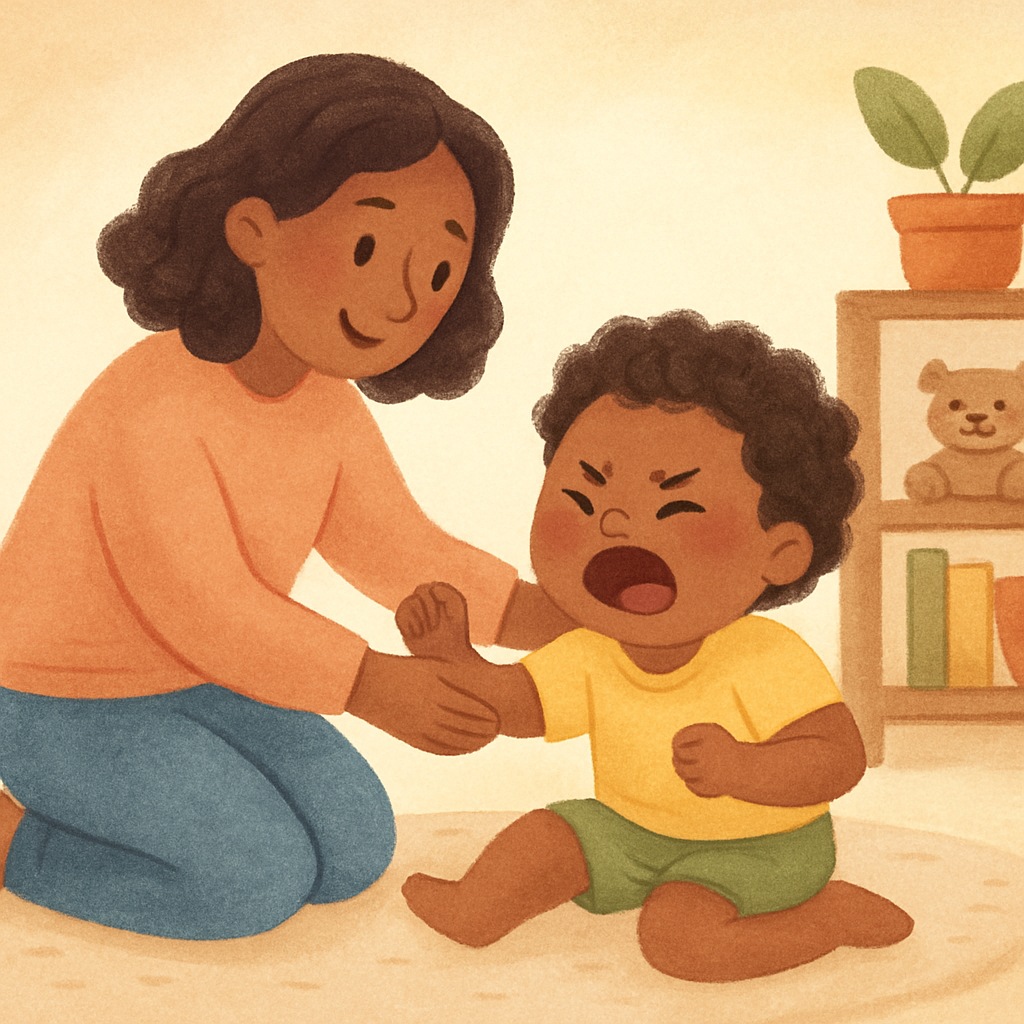
For many families, tantrums are one of the hardest parts of raising young children. They can show up as crying, screaming, flopping, hitting, or throwing things when a child feels overwhelmed by big emotions.
Even so, tantrums are often a normal part of child development. Most children are still learning language, impulse control, and emotional regulation skills, so behaviour becomes their primary means of communicating distress. Understanding what sits behind the outburst is the first step toward a calmer response.
What Causes Tantrums and Why Are They Common?
Tantrums are common because young children feel big feelings before they have the skills to explain them. A toddler may want independence, attention, or something they cannot safely have. When words fail, emotional outbursts can take over.
In many cases, common triggers are easy to miss. Hunger, fatigue, illness, injury, frustration, boredom, and changes in routine can all push a child past their limit. Some children also react strongly to noise, crowds, clothing, or other sensory stress.
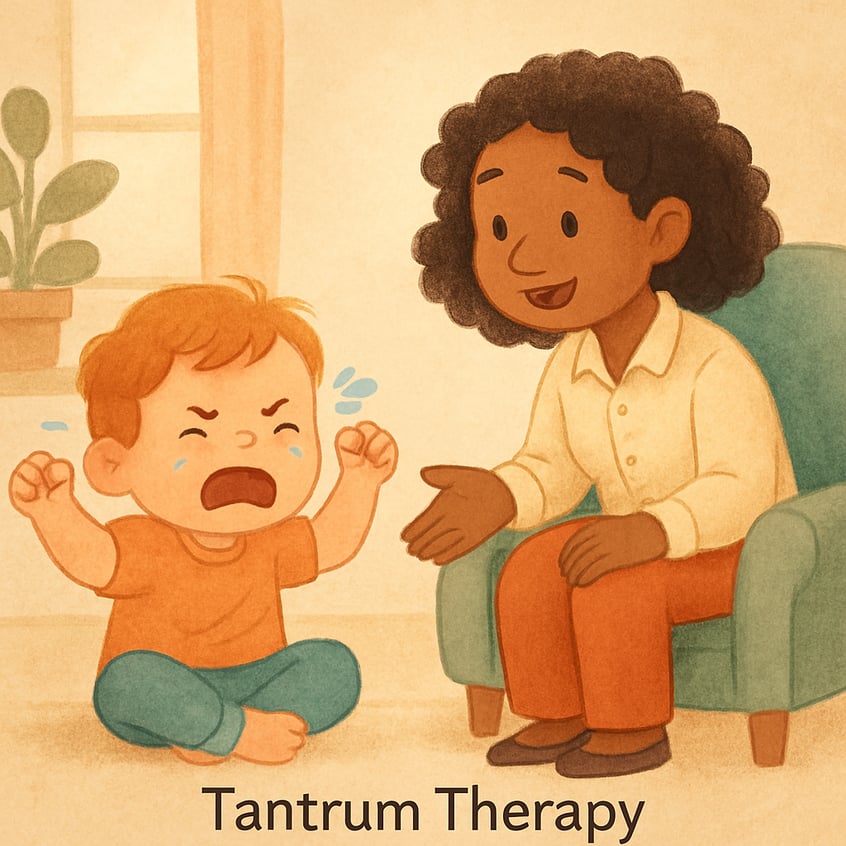
Because tantrums are a normal part of development, specialists often recommend starting with prevention and calm support. The best way is to stay steady, avoid giving in to demands, reduce triggers, use distraction when needed, and teach coping strategies after the child settles. That approach helps with both toddler tantrums and future emotional regulation.
Distinguishing Typical Tantrums from More Serious Concerns
Not every outburst means something is wrong. Typical tantrums are short, happen during the toddler and preschool years, and are usually tied to frustration, limits, or other strong emotions. Between episodes, many children return to their usual mood and behaviour.
You may want to look more closely when frequent tantrums are very intense, last a long time, happen many times a day, continue past the usual age, or include severe aggressive behaviour. Those patterns can point to behavioural issues or developmental disorders, especially if home or school life is being disrupted.
|
Typical Tantrums |
Possible Serious Concerns |
|---|---|
|
Common in toddlers and preschoolers |
Continue as a repeated pattern in older children |
|
Brief and linked to clear triggers |
Last more than 15 minutes or happen more than 5 times a day |
|
Child returns to normal between episodes |
Ongoing irritability, sleep issues, or mood problems between episodes |
|
Mild hitting or crying may happen |
Injury, property destruction, or extreme aggression |
Recognising When to Seek Help
Sometimes, home strategies are enough. Other times, the pattern tells you that more support could make a big difference. If tantrums are becoming more intense, more frequent, or harder to manage, it may be time to pause and look beyond the moment itself.
Early intervention matters because children often do better when concerns are addressed sooner. A consultation with a child psychologist, pediatrician, or another qualified clinician can help you understand what is driving the behaviour and what kind of support best fits your family.
Signs Your Child May Benefit from a Pediatric Behavioural Specialist
You do not need to wait until things feel unmanageable to reach out. A behavioural specialist can help when your child’s outbursts seem outside the usual range for their age or when your family feels stuck. Support can also help you learn what responses strengthen positive behaviours.
Pay attention to patterns, not one bad day. If tantrums are affecting school, relationships, errands, or home routines, a professional review may be useful. Specialists often look at triggers, what happens during the episode, and how your child behaves afterward.
- Tantrums are frequent, intense, or hard to calm.
- Your child struggles with impulse control far beyond what you expect for their age.
- The child’s outbursts include aggression, biting, or unsafe behaviour.
- Positive behaviours are getting harder to build at home or school.
Warning Signals Linked to Developmental and Behavioural Issues
In some children, tantrums may connect with broader developmental disorders or mental health concerns. These are not diagnosed by tantrums alone, but certain warning signals suggest the need for a fuller assessment. That may involve a pediatrician, child psychologist, or child psychiatrist.
Several conditions can overlap with severe outbursts. These include attention deficit hyperactivity disorder, oppositional defiant disorder, autism, learning difficulties, and other behavioural issues. Communication problems can also raise frustration levels and increase meltdowns.
Watch for warning signals such as:
- Tantrums paired with delays in language skills or communication skills
- Severe defiance, blaming others, or constant refusal to follow rules
- Aggressive behaviour, harm to others, or property destruction
- Trouble at school, social skills problems, sleep issues, or negative mood between episodes
Effective Strategies Recommended by Pediatric Behavioural Specialists
Once you understand the pattern, the next step is choosing practical strategies you can use every day. Most pediatric behavioural specialists' recommendations focus on safety, prevention, and teaching skills over time rather than simply stopping noise in the moment.
That matters because children learn through repetition and support. The most effective coping strategies usually combine calm adult responses, clear routines, and praise for progress. Let’s look at what you can do during a tantrum and what helps reduce future outbursts.
Immediate Steps Parents Can Take During a Tantrum
During a tantrum, your job is not to win an argument. It is to lower stress and keep everyone safe. When children are flooded by big emotions, reasoning usually does not work well. Start with a deep breath and a calm voice.
If the tantrum is nonviolent, limit attention and avoid giving in to demands. If aggressive behaviour starts, move your child to a safe space and remove items that could cause harm. Stay nearby if needed, but keep your response steady and simple.
Helpful steps include:
- Stay calm and use brief words such as “I’m here” or “No hitting.”
- Use redirection or distraction when possible.
- Protect safety first if kicking, biting, or throwing begins.
- After calm returns, use positive reinforcement for recovery and good behaviour.
Longer-Term Approaches to Reduce Future Outbursts
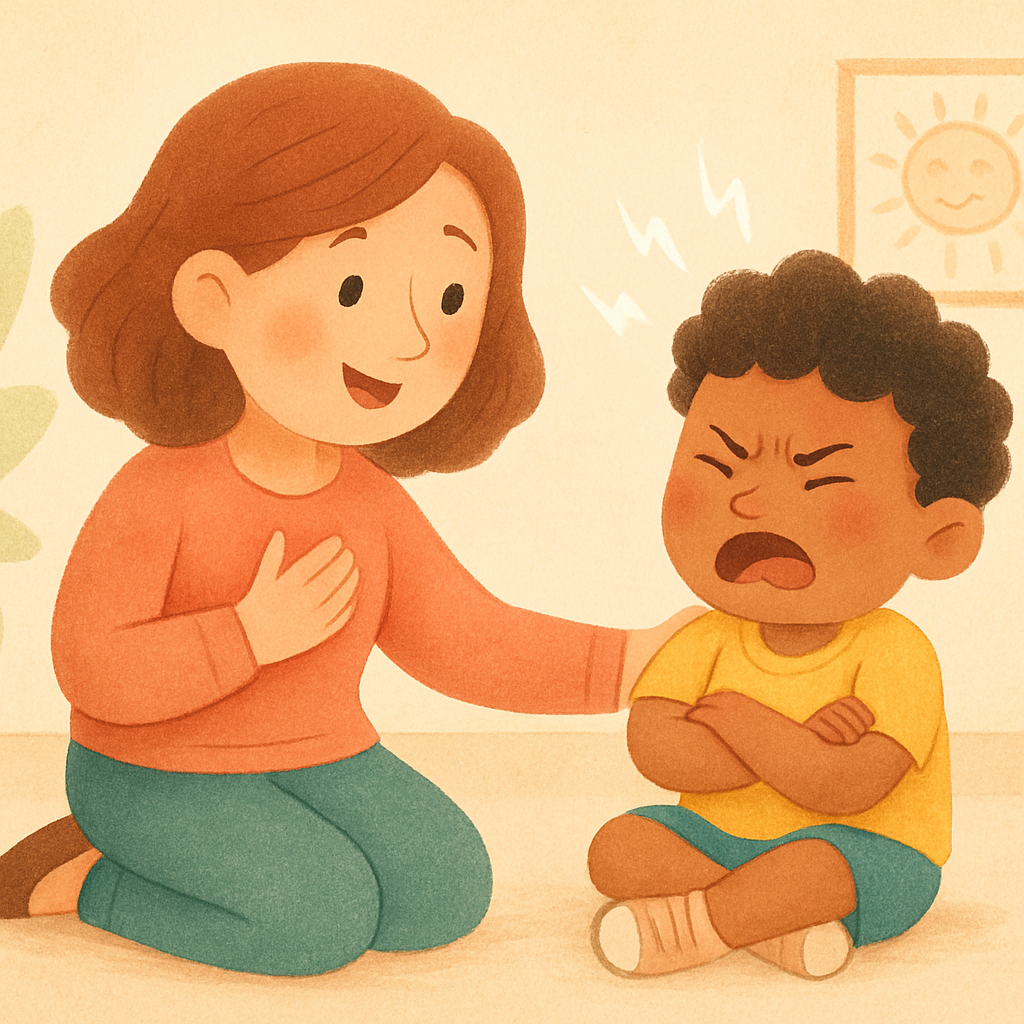
Progress usually comes from what happens between tantrums. Children need repeated chances to build emotional regulation, communication, and social skills while they are calm. That is why consistency matters so much across home, school, and other caregivers.
Behavioural therapy can help reduce tantrums in preschool-aged children by teaching parents and children better ways to respond. Parent training and approaches such as Parent-Child Interaction Therapy are used to improve behaviour, strengthen communication, and lower conflict over time.
Try these longer-term supports:
- Keep a daily routine for sleep, meals, and transitions.
- Carry healthy snacks to reduce hunger-related meltdowns.
- Praise your child when they use words, wait, or recover more quickly.
- Offer simple choices and practice coping strategies during calm moments.
Conclusion
In conclusion, managing tantrums effectively involves understanding their root causes and implementing strategies that can help both you and your child. By recognising the difference between typical tantrums and those that may indicate deeper issues, you can make informed decisions about when to seek professional help. Utilising immediate techniques during episodes and adopting long-term approaches will not only reduce the frequency of tantrums but also foster a positive environment for emotional growth. Remember, every child is unique, and patience is key in this journey.
For more personalised advice, don’t hesitate to reach out for consultation or call daar at 02 9133 2500 to a pediatric behavioural specialist who can provide tailored strategies suited to your child's needs.
Frequently Asked Questions
What strategies do pediatric behavioural specialists recommend for managing tantrums?
They usually suggest practical strategies such as staying calm, removing triggers when possible, keeping the child safe, and not giving in to demands during the outburst. Afterward, coping strategies like positive reinforcement, routines, and emotional regulation practice may be recommended by a child psychologist or similar specialist.
Can frequent tantrums be a sign of an underlying developmental issue?
Yes, frequent tantrums can sometimes be linked to developmental disorders or other behavioural issues, especially when they are severe, long, or continue beyond the expected age. Warning signals include aggression, language delays, sleep problems, and mood changes between episodes. Those patterns can affect mental health and deserve attention.
Where can I find qualified pediatric behavioural specialists in Australia?
A good place to start is your GP or pediatrician, who can guide you toward a consultation with a child psychologist or behavioural specialist. You can also contact hospital-based child services or allied health clinics that offer support for behaviour, psychology, and early intervention for children and families.
.svg)




.svg)