
.png?width=48&height=48&name=Group%201%20(3).png)























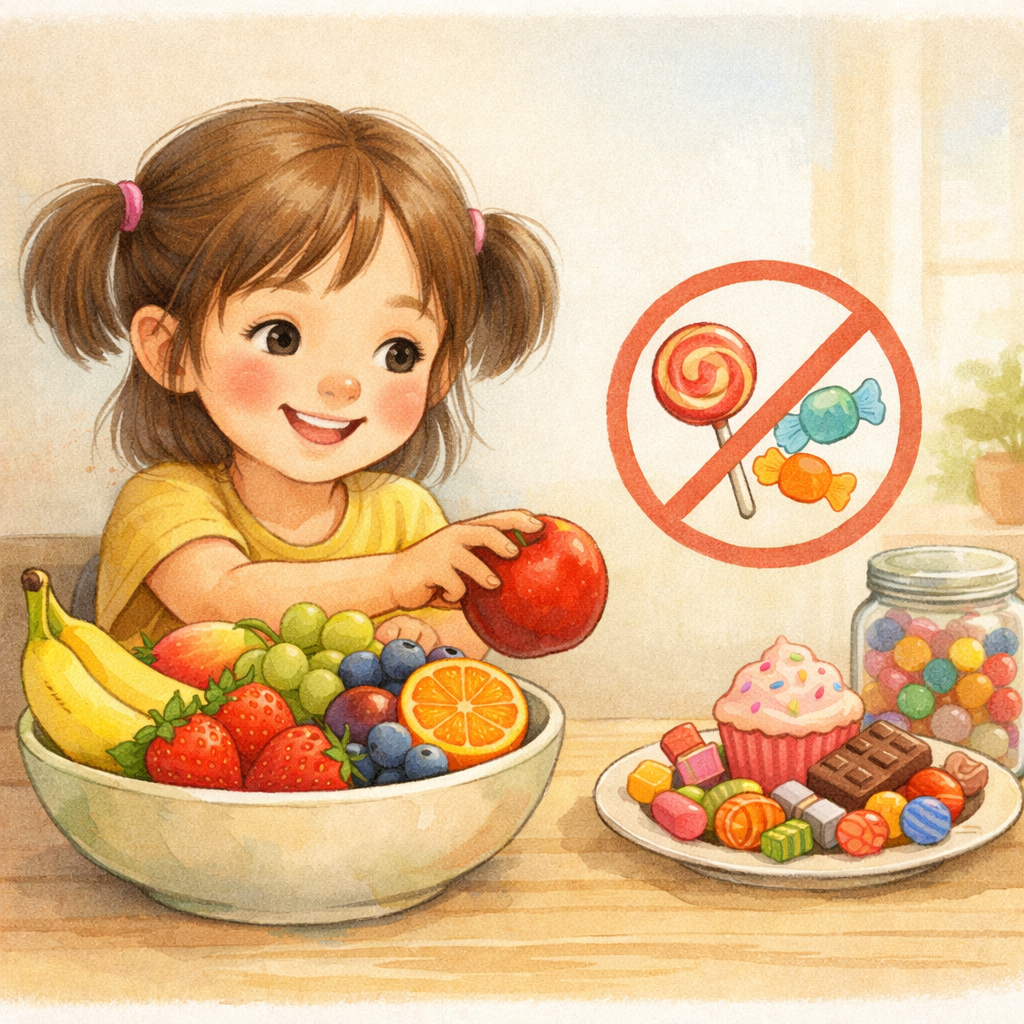
8 April, 2026

Sugar and Kids’ Behaviour: Tips for Healthy Choices

Key Highlights
- The long-held belief that sugar causes hyperactivity in children is largely a myth, with research showing no direct link.
- High sugar intake can lead to swings in blood sugar, potentially causing moodiness, tiredness, and a "sugar crash."
- Managing sugar intake is about moderation, not complete elimination, teaching kids healthy dietary patterns from a young age.
- Excessive consumption of sugary foods can displace nutritious options vital for a child's growth and development.
- Parents should learn to identify hidden sugars in foods and drinks by reading labels on snacks and beverages.
- The effects of sugar are more about energy spikes and crashes rather than a direct cause of hyperactivity disorder.
Introduction
Many parents have watched their children become energetic after a sugary treat and wondered about the connection. Is that piece of cake really the cause of their boundless energy? The link between sugar consumption and kids' behaviour, particularly hyperactivity disorder, is a common concern. While it's easy to blame sugar for sudden bursts of activity, the science tells a more complex story. This article will explore what happens in a child's body after eating sugar and offer practical tips for making healthier choices.
The Science of Sugar: What Happens in a Child’s Body
When your child eats sugar, their body breaks it down into glucose, which enters the bloodstream and raises blood sugar levels. In response, the pancreas releases insulin to help move glucose into cells for energy.
This is a normal part of getting energy from food. However, eating too much sugar at once can cause a rapid spike—and then a quick drop—in blood sugar. These fluctuations can affect your child’s mood and energy, often leading to irritability or fatigue rather than true hyperactivity. Let’s look closer at how these changes occur.
Blood Sugar Swings and Sugar Crashes in Toddlers
A "sugar crash" occurs when a child's blood sugar drops quickly after a spike, leading to low blood sugar (hypoglycemia) and affecting behaviour. After an energy boost from sweets, kids may become tired, irritable, or cranky. Unstable blood sugar often causes mood swings—toddlers might show fussiness or meltdowns instead of describing how they feel.
Mild hypoglycemia symptoms include shakiness, hunger, and fatigue. Severe cases can cause confusion or seizures but are rare in healthy children. Understanding sugar crashes highlights why balancing sugar intake is crucial for stable mood and energy.
Behavioural Signs Linked to High Sugar Intake
While research has largely debunked the idea that sugar directly causes hyperactivity, some studies suggest a link between high sugar consumption and certain behaviours. For instance, some children might show more inattention symptoms or be more easily agitated after having sugary foods. This is often related to the blood sugar rollercoaster rather than a direct neurological effect.
Some studies have pointed to a connection between sugar-sweetened beverages, like soda and energy drinks, and an increased risk of hyperactivity and inattention. One study found that for each additional sweetened drink, a middle schooler's risk of these symptoms increased. Another study discovered that kids who consumed energy drinks were significantly more likely to be at risk for hyperactivity and inattention.
This doesn't necessarily mean sugar causes aggression or attention issues, but the correlation is something for parents to consider. The excitement of the environment where sweets are often served, like a party, may contribute more to a child's behaviour than the sugar itself. Additionally, some studies suggest that high sugar consumption can impact children's stress levels by causing fluctuations in mood and energy, which may make it harder for them to regulate emotional responses when under stress.
|
Behavioural Sign |
Potential Link to Sugar Intake |
|---|---|
|
Irritability/Moodiness |
Often a symptom of a "sugar crash" or low blood sugar following a sugar spike. |
|
Inattention |
Some studies link high consumption of sugary drinks with increased inattention symptoms. |
|
Hyperactivity |
The environment (e.g., a party) is a more likely cause, but some children may be more "sugar-sensitive." |
|
Fatigue/Lethargy |
A common result of blood sugar levels dropping after an initial energy rush. |
Practical Tips for Healthy Sugar Choices
Managing your child's sugar intake doesn't mean you have to become the food police. Instead, focus on moderation and building healthy long-term dietary patterns. The goal is to reduce overall sugar consumption, not eliminate the occasional sweet stuff. Offering treats strategically can be a great lesson in balance. In fact, some research suggests there may be a link between excessive sugar consumption and an increased risk of depression in children. Promoting healthy sugar choices not only benefits physical health but may also support your child's emotional well-being.
When you do offer sweets, pair them with nutritious foods. For example, sprinkle a little granola on plain yogurt or top fresh berries with a small scoop of ice cream. This approach provides the sweet taste your child enjoys alongside valuable nutrients. The following sections will provide more specific strategies for finding hidden sugars and choosing better snacks.
How to Identify Hidden Sugars in Foods for Kids
One major challenge in managing sugar intake is hidden sugars, often found in foods marketed as "healthy" like flavored yogurt, granola bars, and some fruit juices. Reading nutrition labels is essential for parents.
Although the idea that sugar causes hyperactivity in kids is mostly a myth, too much sugar can replace healthier foods. Check the "Added Sugars" line on labels, choose cereals with less added sugar, and select unsweetened options like applesauce.
Pay special attention to sugary drinks. These beverages are a significant source of hidden sugars and don’t provide lasting fullness. Watch out for:
- Soft drinks and sodas
- Sweetened fruit juice and fruit punch
- Sports and energy drinks
- Flavored milk
Creative Snack Ideas to Avoid Sugar Crashes in Toddlers
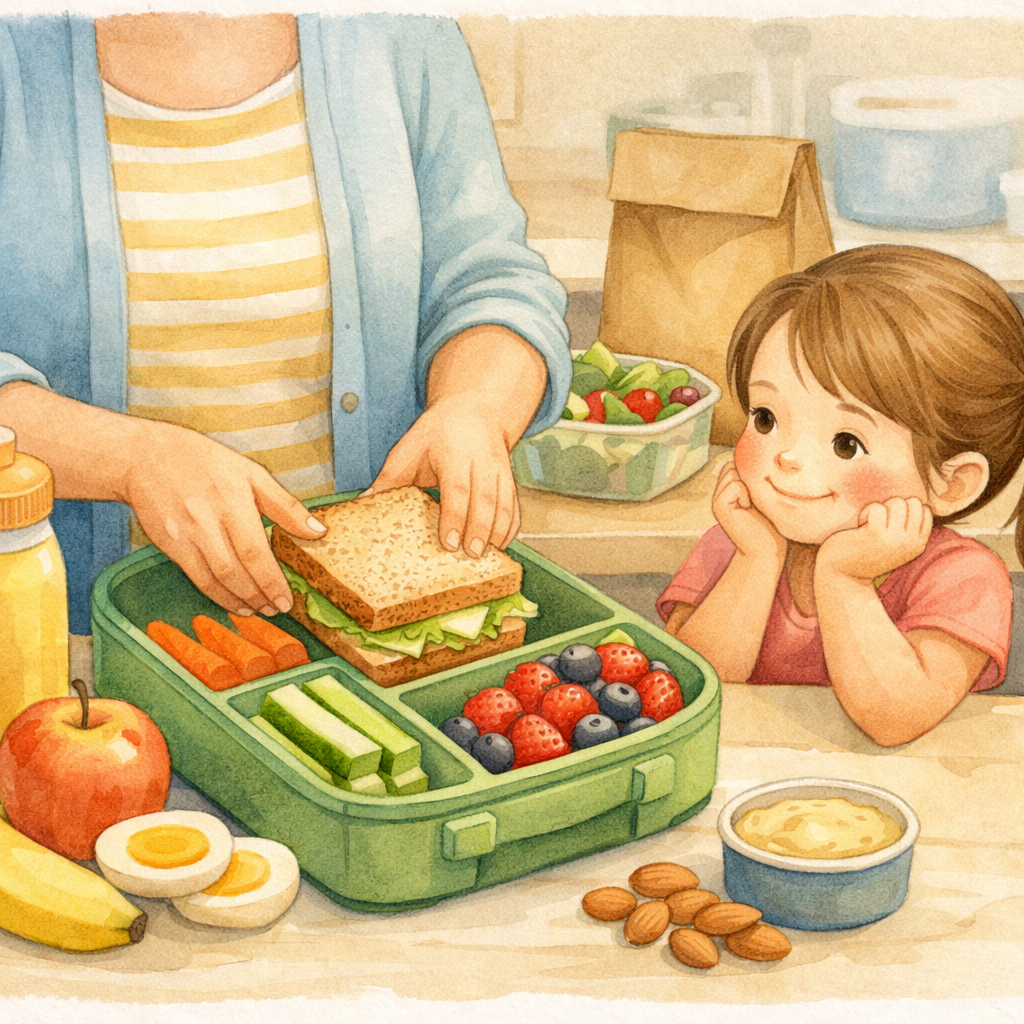
To avoid moodiness and fatigue from sugar crashes, choose snacks that give steady energy. The best options combine fiber, lean protein, and complex carbs from whole grains, which digest slowly and keep blood sugar stable.
Skip cookies or juice that cause quick spikes. Instead, offer nutritious snacks kids enjoy—starting healthy habits early supports lasting wellness and sustained energy for play and learning.
Try these low-sugar snacks:
- Apple slices with peanut butter
- Cheese cubes and whole-grain crackers
- Hummus with whole-grain pita chips or veggie sticks
- Mandarin oranges
Conclusion
Understanding sugar’s impact on kids’ behaviour is key to their well-being. Choosing healthy alternatives and watching for hidden sugars can reduce blood sugar swings and behavioural issues, helping children thrive. Even small diet changes can greatly improve mood and behaviour. For more guidance, explore resources or consult a nutrition expert. Together, we can help our children lead healthier, happier lives.
Reach out for a consultation or call daar at 02 9133 2500 for expert guidance tailored to your child’s needs.
Frequently Asked Questions
Does sugar cause aggression or mood swings in children?
While high sugar intake isn't a direct cause of aggression, it can lead to mood swings. The rapid rise and fall of blood sugar levels can cause irritability, a key factor in moodiness. Paediatrics experts generally agree that a balanced diet is more conducive to stable behaviour than one high in sugar.
What are the signs of a sugar crash in toddlers?
A sugar crash is a form of low blood sugar. In toddlers, signs include sudden irritability, tiredness, shakiness, and extreme hunger. They may also show signs of inattention or become weepy. While severe symptoms are rare, it's important to recognize these milder signs and adjust their diet or care plan accordingly.
How much sugar is safe for kids in Australia?
Health authorities generally recommend limiting "free" or added sugar intake. For school children, this means no more than 10% of their total energy intake should come from added sugars, with a goal of reducing it to 5% for optimal health benefits and to help prevent conditions like obesity.
.svg)




.svg)