
.png?width=48&height=48&name=Group%201%20(3).png)























8 April, 2026

Understanding Behavioural Therapy for Children: A Parent's Guide
Key Highlights
- Behavioural therapy helps improve a child’s behaviour by teaching healthier habits and coping skills, particularly for conditions like oppositional defiant disorder.
- Early intervention is key to addressing behavioural challenges and supporting your child's development.
- This therapy is an effective treatment for many conditions, including anxiety and autism spectrum disorder.
- Parent involvement is essential for reinforcing new skills and ensuring the long-term success of the treatment.
- Therapy equips children with practical tools to build confidence, enhance social skills, and manage emotions.
Introduction
As a parent, it can be tough to see your child struggle with their emotions or behaviour. You are not alone, as many young children face these social challenges. Behavioural therapy is a powerful and effective tool that offers clear, proven strategies to help your child navigate these difficulties. This guide will walk you through what behavioral therapy is, how it supports your child's mental health, and the important role you play in their journey toward building confidence and resilience.
What is Behavioural Therapy for Children?
Behavioural therapy is centered on identifying and modifying unhealthy or disruptive behaviours, including behavioural problems. The core idea is that all behaviors are learned and, therefore, can be changed. This targeted approach helps create a treatment plan that can deliver effective results for various mental health concerns by focusing on your child's behaviour.
Therapists work with children, including older children, to understand the connection between their thoughts, feelings, and actions. By teaching them practical tools, this therapy helps improve their overall well-being. The following sections will explore the basics of this process and how it is applied.
The Basics of Child Development Therapy
Child development therapy is a structured method designed to help children learn new skills and find better ways to respond to different situations, especially for parents of children. It has evolved over the years to include modern techniques for addressing psychological issues in young people. The primary goal is to provide your child with practical tools to manage challenges in their daily life.
By reinforcing desirable behaviours and building crucial social skills and motor skills, this therapy encourages healthier habits and supports emotional growth. Ultimately, it helps improve your child's mental health and builds their confidence as they learn to navigate the world around them.
Core Principles Behind Behavioural Therapy
Behavioural therapy, or behaviour therapy, is based on the idea that behaviours are learned and can be changed with targeted interventions. It creates a supportive environment for children to learn new, positive actions and thoughts, focusing on observable behavior to address mental health challenges.
The therapy breaks down complex behaviours into manageable steps. Key principles include:
- Behaviours are learned: All actions can be changed through experience.
- Focus on the present: Therapy targets current issues, not past events.
- Action-oriented: Practicing new skills leads to positive change.
By using these principles, therapists help children develop healthier responses and build a strong foundation for long-term well-being.
How Behavioural Therapy Works for Kids
Behavioural therapy for young children is a practical, hands-on approach. It starts with a therapist assessing your child’s actions to help the child notice triggers and emotions, clarifying the reasons behind behavioural challenges and needed changes.
The next step is building skills. Children learn to replace negative reactions with positive ones, often through positive reinforcement—using praise or rewards to encourage good behaviour.
This structured method is effective for various mental health concerns. It gives children practical tools to manage emotions and behaviours, leading to lasting improvement. The collaborative process ensures strategies fit your child’s unique needs.
Signs Your Child May Benefit from Behavioural Therapy
Every child experiences emotional ups and downs, but sometimes their struggles might indicate a need for extra support. If you notice persistent behavioural issues or disruptive behaviours that interfere with daily life at home or school, it may be time to consider professional help. These signs are not about a child being "bad" but about them needing new tools to cope.
When problematic behaviours become a consistent pattern, they can point to underlying mental health issues. Addressing these behaviour problems early through behavioural therapy can prevent them from escalating. Below, we'll discuss specific challenges that therapy can help with.
Recognizing Behavioural and Emotional Challenges
Children may show struggles through behaviour that seems like misbehaviour but could indicate deeper issues. If disruptive behaviours persist, consider seeking professional help. Some problems are obvious, while others are subtle but still affect learning and friendships.
Watch for ongoing patterns of emotional difficulty, such as:
- Frequent anger, arguing, or defiance
- Lasting mood changes like persistent sadness or frustration
- Difficulty focusing, following directions, or finishing tasks
Addressing these signs early can reduce future challenges. Therapy helps children learn to manage their emotions and social interactions, improving overall well-being.
When to Consider Child Development Therapy
Seeking help is a positive step for your family’s mental health, especially if your child is facing mental health conditions. If your child's behaviour disrupts family life, schoolwork, or lowers their quality of life, consulting a child therapist is wise. Early support helps children thrive before challenges worsen.
You don’t need to wait until issues escalate. If you feel overwhelmed or unsure how to help your child, professional guidance offers effective strategies. Evidence-based therapies are proven to work for various concerns.
Contact a professional if your child often struggles with anger, anxiety, or social difficulties. A therapist can assess their needs and create a tailored plan to build healthier coping skills and improve well-being, especially in challenging situations.
Impact on Family and School Life
A child's behavioural issues can disrupt family life and school, causing stress and strained relationships at home. Family therapy may help improve communication and restore harmony.
At school, these challenges can hinder academic performance and friendships, leading to isolation and low self-esteem.
Therapy addresses these issues, helping children build skills to succeed at home and in class, ultimately creating a happier, more supportive environment for everyone.
Main Types of Behavioural Therapy for Children
There are several types of therapy designed to help children, each with a unique approach. The best form of behavioural therapy depends on your child’s specific needs, age, and challenges. These therapies focus on teaching new skills, building self-awareness, and promoting healthy habits.
From structured methods like Applied Behaviour Analysis to more flexible approaches like play therapy, each offers a structured approach to effective treatment paths. Understanding these different options can help you and your therapist decide on the best course of action for your child. The following sections explore some of the most common types.
Applied Behaviour Analysis (ABA) Overview
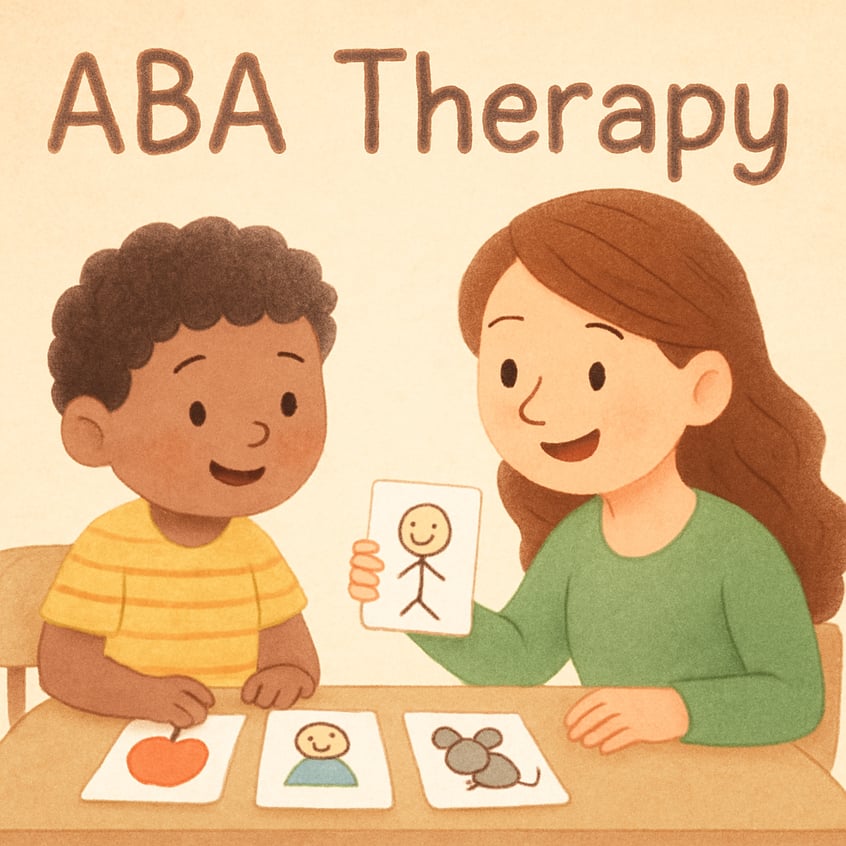
Applied Behaviour Analysis (ABA) is a structured therapy for children with autism and behavioural issues. It uses proven techniques to build communication, reduce challenging behaviours by breaking tasks into manageable steps, and reward progress.
Therapists work one-on-one to reinforce positive behaviours and closely monitor progress, aiming to increase independence and success in daily life.
ABA follows clear stages:
|
Stage |
Description |
|---|---|
|
1. Identify Target Behaviour |
Therapist and family select the behaviour to change, which may be a form of therapy that focuses on modifying actions for better outcomes. |
|
2. Set Clear Goals |
Establish specific outcomes together. |
|
3. Develop a Support Plan |
Create a personalized plan with targeted techniques. |
|
4. Implement and Practice |
Child and family apply new skills and strategies. |
|
5. Evaluate Progress |
Therapist reviews results and updates the plan as needed. |
Play-Based and Social Skills Interventions
For young children, play is a natural way to communicate. Play therapy, a type of talk therapy, uses toys and creative activities to help kids express emotions and learn new skills. In a safe setting, therapists guide children through play to address emotional and behavioural issues that may be hard to discuss.
This method is especially effective for building social skills. Through interactive play, children practice sharing, taking turns, and understanding others’ perspectives. They gain communication skills and confidence in social situations.
Play-based therapy isn’t just enjoyable—it’s a powerful tool. It helps children process experiences, solve problems, and build emotional resilience. It’s a gentle yet effective way to support their development and well-being.
Techniques Commonly Used in Behavioural Therapy
A variety of techniques play a crucial role in behavioural therapy, especially for younger children. Common methods include positive reinforcement, where desirable behaviours are rewarded, fostering emotional regulation, and encouraging new skills. Additionally, structured goal setting and progress tracking help parents observe improvements and adapt to their child’s needs. Incorporating fun games and exercises can also motivate kids, making therapy sessions enjoyable while addressing behavioural challenges. These techniques create a supportive environment for the child to thrive and develop healthier ways to develop healthier habits.
Positive Reinforcement Strategies
Positive reinforcement strategies are effective tools for nurturing good behaviour in children and addressing negative behaviours. By rewarding desirable actions, such as following instructions or demonstrating social skills, parents can encourage continued positive behaviours. Simple rewards like praise, stickers, or extra playtime create a supportive environment for emotional regulation. These strategies can help children with behavioral challenges, turning learning moments into opportunities for growth. Consistent reinforcement not only boosts self-esteem but also fosters healthier habits, making it an essential part of any behavioral therapy treatment plan.
Goal Setting and Progress Tracking
Setting achievable goals is crucial in behavioural therapy, as it provides a clear path to success for both children and their families. By collaboratively identifying specific objectives, parents and behavioural therapists can help kids develop healthy habits and address behavioural challenges effectively through early intervention support. Progress tracking keeps everyone informed about advancements, fostering a sense of achievement and encouraging further engagement. This supportive environment not only enhances communication skills but also boosts emotional regulation, making it easier for children to navigate daily life and overcome obstacles.
Fun Games and Exercises for Kids
Incorporating fun games into behavioural therapy can significantly enhance a child's engagement and willingness to learn new skills while also helping them challenge unhelpful thoughts. Activities like role-playing scenarios encourage young children to express feelings and practice social skills in a playful environment. Simple exercises such as obstacle courses promote emotional regulation while helping them tackle behavioural challenges. Additionally, incorporating creative arts and crafts fosters communication skills, allowing kids to share their thoughts in a supportive space. These enjoyable experiences can lead to positive changes and more effective treatment outcomes.
The Role of Parents in Supporting Therapy
As a parent of children undergoing therapy, your involvement is one of the most critical factors for success. You are not just a bystander; you are an active partner in your child's journey. Your role extends beyond attending sessions, as you will help create a supportive environment at home to find different ways to reinforce new skills.
By working closely with the therapist, you can learn how to apply techniques in daily interactions with all family members. This collaboration ensures that the lessons from therapy are carried into your child’s everyday life, making the changes more lasting.
How Parents Can Help at Home
Active parent involvement at home is crucial for lasting positive change. Simple daily strategies can reinforce your child's therapy and help them practice new skills in a supportive environment.
Recognizing and rewarding good behaviour increases its likelihood. Creating a reward system with your child makes it motivating and fun—consistency is essential.
Try these easy strategies:
- Define clear, positive behaviours: Use specific language like "use kind words" instead of "stop fighting."
- Establish meaningful rewards: Choose motivating rewards together, such as extra playtime or praise.
- Set achievable targets: Agree on realistic goals so your child can experience success.
Collaborating with Therapists for Child Development Therapy
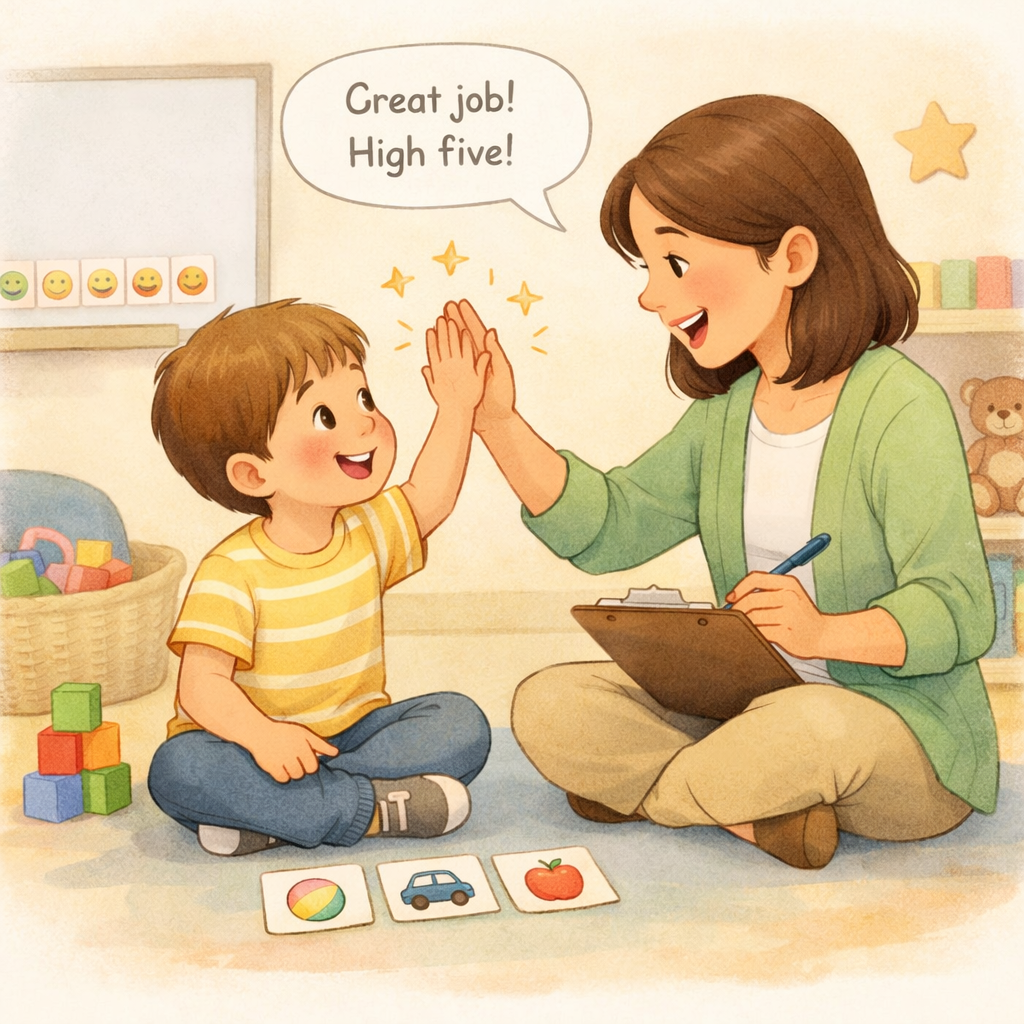
A strong partnership with your child’s behavioural therapist is crucial for effective therapy. The first step in working together is to ensure shared goals, consistency, and open communication for a successful treatment plan.
Your involvement matters. By learning techniques and sharing feedback, you help tailor the plan to your child’s needs and support their success at school and socially.
Family sessions often boost communication and problem-solving for everyone. Collaborating with the therapist creates a supportive environment that encourages growth and helps your child feel secure and ready for change.
Conclusion
In conclusion, understanding behavioural therapy for children is a crucial step in supporting their emotional and developmental needs. By recognizing the signs that your child may benefit from therapy and collaborating with professionals, you can create a nurturing environment that fosters their growth and encourages positive habits. The various types of behavioural therapies and techniques discussed can empower both parents and children, promoting positive changes in behaviour and social interactions. Remember, you are not alone on this journey; seeking help is a sign of strength.
If you're ready to take the next step in supporting your child's well-being, reach out for a consultation or call daar at 02 9133 2500 to connect with experienced professionals who can guide you and your family.
Frequently Asked Questions
At what age can children begin behavioural therapy?
Children can begin behavioural therapy at a very young age, sometimes as early as two or three. For young children, the treatment plan often involves play-based techniques and significant parent involvement. Early intervention is crucial for addressing mental health concerns and can lead to better long-term outcomes.
Is behavioural therapy effective for children with autism?
Yes, behavioural therapy is a highly effective treatment for children with autism spectrum disorder. A specific type of therapy, Applied Behaviour Analysis (ABA), aims to improve daily living skills and has been shown to cause a significant reduction in challenging behaviors while improving communication and social skills. Customizing the approach is key to success.
How do I find a qualified behavioural therapist for my child in Australia?
To find a qualified behavioural therapist in Australia, you can start by asking your GP for a referral or searching online directories from professional organizations. Look for a professional with experience in the specific types of therapy your child may need and who encourages parent involvement to support your child's mental health.
.svg)




.svg)