
.png?width=48&height=48&name=Group%201%20(3).png)
























7 January, 2026

Understanding Specialised Behaviour Support for NDIS Clients

Introduction
When someone displays complex behaviours, it can be challenging for them and their support network. The National Disability Insurance Scheme (NDIS) offers a pathway to help through specialist behaviour support. This approach is designed to understand the reasons behind these behaviours and develop practical, person-centered strategies. The ultimate goal is to reduce concerning behaviours while significantly improving an individual’s overall quality of life, helping them thrive at home, school, and in the community. Common examples of restrictive practices in behaviour support include physical restraint, seclusion, the use of chemical restraints (such as medication to control behaviour), and environmental restraints (like locking doors or restricting access to certain spaces). These practices are carefully monitored under NDIS guidelines to ensure they are only used when necessary, and always in ways that respect the individual's rights and dignity.
Key Highlights
-
Specialised behaviour support uses tailored strategies to reduce behaviours of concern and improve your quality of life. Progress in these programs is typically monitored through regular assessments, detailed behaviour tracking, and ongoing collaboration between professionals and the individual. This ensures strategies remain effective and responsive to changing needs. The National Disability Insurance Scheme (NDIS) funds these support services for eligible clients.
-
The National Disability Insurance Scheme (NDIS) funds these support services for eligible clients.
-
A key component is creating a personalised behaviour support plan based on a thorough assessment.
-
Support focuses on positive behaviour support strategies that teach new skills and create supportive environments.
-
The NDIS Commission oversees practitioners to ensure safe and effective support.
-
These services benefit individuals with complex needs whose behaviours impact their daily life.
What is Specialised Behaviour Support under the NDIS?
Specialised behaviour support is an NDIS-funded service for participants who show complex or high-risk challenging behaviours. It goes beyond general therapy by looking deeper into the triggers behind these actions to develop formal strategies for positive change.
A trained behaviour support practitioner works with you, your family, and other support networks to create a consistent approach. This collaboration ensures that your behaviour support plan is used effectively across all environments, leading to meaningful and lasting improvements in your everyday life.
Defining Specialised Behaviour Support for People with Disabilities
Specialized behaviour support is a person-centered approach that addresses and reduces challenging behaviours like aggression, self-harm, or withdrawal—often signs of unmet needs. Instead of just stopping the behaviour, this support seeks to understand its cause.
The aim is to improve quality of life by creating supportive environments and teaching better ways to communicate needs and emotions. Behaviour support services work with individuals and their teams to develop personalized plans with proactive strategies based on strengths and goals.
By focusing on root causes, these plans offer a respectful, effective path to lasting positive change, helping you feel more supported and in control.
Who Can Benefit from Specialised Behaviour Support?
This support is for NDIS clients with challenging behaviours that affect safety, learning, or community participation. It’s especially valuable for those with complex needs, developmental delays, or disabilities like Autism Spectrum Disorder.
If you or someone you care for shows frequent, intense behaviours that disrupt daily life, this service can help. It benefits not only individuals but also their families and support networks by offering practical strategies and consistent care approaches.
Beneficiaries often include:
-
Children and adults with complex needs or high-risk behaviours
-
Individuals whose actions pose risks to themselves or others
-
People who need a structured plan to build new skills and reduce challenging behaviours
Key Services Included in Specialised Behaviour Support
Specialised behaviour support includes a range of services designed to provide holistic care. It starts with a detailed assessment to understand the reasons behind certain behaviours. From there, a practitioner develops a plan with positive behaviour support strategies and specific intervention strategies.
These services often involve multidisciplinary teams, which may include professionals focused on mental health, communication, and daily living skills. This collaborative approach ensures all aspects of a person’s well-being are considered, leading to a comprehensive and effective support system.
Positive Behaviour Support Strategies Explained
Positive Behaviour Support (PBS) is an evidence-based approach that forms the core of specialised support. Instead of just reacting to behaviours, PBS focuses on proactive strategies to prevent them from happening. It’s about understanding a person's needs and teaching them new skills to communicate those needs in positive ways.
This approach is different from restrictive practices, which are only used as a last resort to prevent harm. PBS aims to make those practices unnecessary by addressing the root cause of the behaviour. A behaviour support practitioner creates a behaviour management plan filled with practical strategies that build on a person’s strengths and improve their quality of life.
Key elements of positive behaviour support strategies include:
-
Changing the environment to reduce triggers.
-
Teaching new communication and emotional regulation skills.
-
Creating positive routines and interactions.
Overview of Intervention and Therapy Options
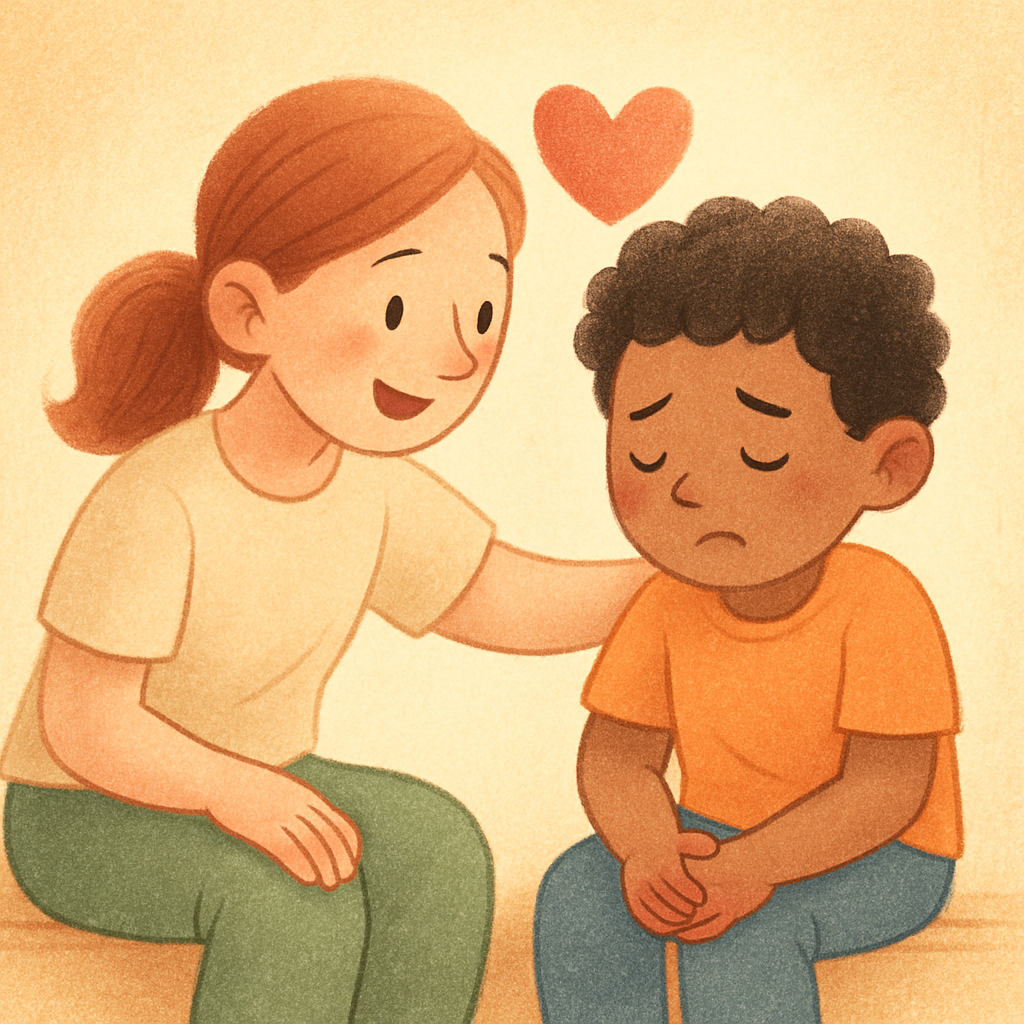
A specialised behaviour support plan often includes various intervention strategies and therapies to provide comprehensive care. The goal is to address all factors contributing to a person’s behaviour, including their communication skills, mental health, and sensory needs. This is why collaboration with other professionals is so important.
Therapies like occupational therapy can help with sensory needs and daily living skills, while psychology or counselling can support emotional regulation and mental well-being. Other services like speech therapy or social work may also be included to ensure the support is holistic and effective. Each therapy is integrated into the overall plan to work toward the same goals.
The table below highlights how specialised support differs from general therapy.
|
Aspect |
General Behaviour Therapy |
Specialised Positive Behaviour Support |
|---|---|---|
|
Behavioural Issues |
Mild to moderate emotional and social challenges. |
Complex and persistent challenging behaviours that pose a risk of harm. |
|
Support Focus |
Broad skill development (e.g., communication, emotional regulation). |
Function-based interventions targeting specific, high-impact behaviours. |
|
Plan Complexity |
Simple management strategies. |
Formal, detailed behaviour support plan with proactive and reactive strategies. |
|
Collaboration |
Primarily with the individual and parents. |
Robust collaboration with all stakeholders (family, school, support workers). |
Accessing Specialised Behaviour Support Through the NDIS
Accessing these services starts with your NDIS plan. You will need to discuss your needs with your NDIS planner, explaining how certain behaviours are impacting your life. If you meet the eligibility criteria, funding can be included in your plan specifically for behaviour support.
Once you have funding, you can choose a registered provider who complies with the NDIS Commission's standards. The provider will work with you, your family, support workers, and other support networks to assess your needs and develop a plan that works for you.
Eligibility Criteria for NDIS-Funded Behaviour Support Services
To receive NDIS funding for specialized behaviour support, eligibility depends on how your behaviour affects daily life—not just a diagnosis. You must show that your behaviours are frequent, intense, and significantly impact learning, community participation, or family life. It’s important to demonstrate that general therapies aren’t sufficient and that you need a formal behaviour support plan.
All providers must meet NDIS Quality and Safeguards Commission standards to ensure safe, high-quality support. If you’re unsure about your eligibility, talk to your NDIS planner or healthcare provider.
Steps to Connect with a Specialist Behaviour Support Provider
Once you have NDIS funding, connecting with a provider is straightforward. You can search for registered NDIS providers in your area who specialize in behaviour support. When you find one, they will guide you through their intake process.
You should expect a specialist behaviour support provider to be collaborative and thorough. They will start by getting to know you, your goals, and your support networks. The behaviour support practitioner will then conduct assessments to understand your needs before working with your support team to develop and implement a plan. Your family, support workers, and other support staff will be included every step of the way.
Here are the typical steps to get started:
-
Discuss your needs with your NDIS planner to secure funding.
-
Find and contact a registered NDIS specialist behaviour support provider.
-
Engage in the assessment and planning process with the practitioner and your support team.
Conclusion
In summary, understanding Specialized Behaviour Support under the NDIS is vital for enhancing the quality of life for individuals with disabilities. With tailored strategies and interventions, this support empowers clients to manage their behaviours effectively, leading to improved outcomes. By connecting with qualified professionals, you can access a range of services designed to meet individual needs and foster independence. Remember, taking the first step towards specialized behaviour support can open doors to a more fulfilling life.
If you're ready to explore these options and get personalized assistance, reach out for a consultation or call daar at 02 9133 2500 today!
Frequently Asked Questions
What qualifications do specialist behaviour support practitioners need?
A behaviour support practitioner typically holds a degree in a related field like psychology or education and must demonstrate suitability under the NDIS Positive Behaviour Support Capability Framework. They also need practical experience and must commit to ongoing professional development to stay current with best practices and NDIS requirements.
How do behaviour support services differ from improved daily living programs under the NDIS?
Behaviour support services specifically target behaviours of concern by developing a formal support plan to achieve positive behaviour change. In contrast, improved daily living programs offer a broader range of therapeutic supports, like occupational therapy or speech pathology, to build general skills and improve quality of life.
What should I expect from working with a specialist behaviour support provider?
You should expect a collaborative process. The behaviour support practitioner will work closely with you and your support team on behaviour planning. They will help improve communication skills and create supportive environments. The focus will be on understanding your needs and developing practical, person-centered strategies for long-term success.
.svg)




.svg)