
.png?width=48&height=48&name=Group%201%20(3).png)























30 March, 2026

Signs Your Child May Need Speech Therapy: A Parent's Guide for Liverpool Families
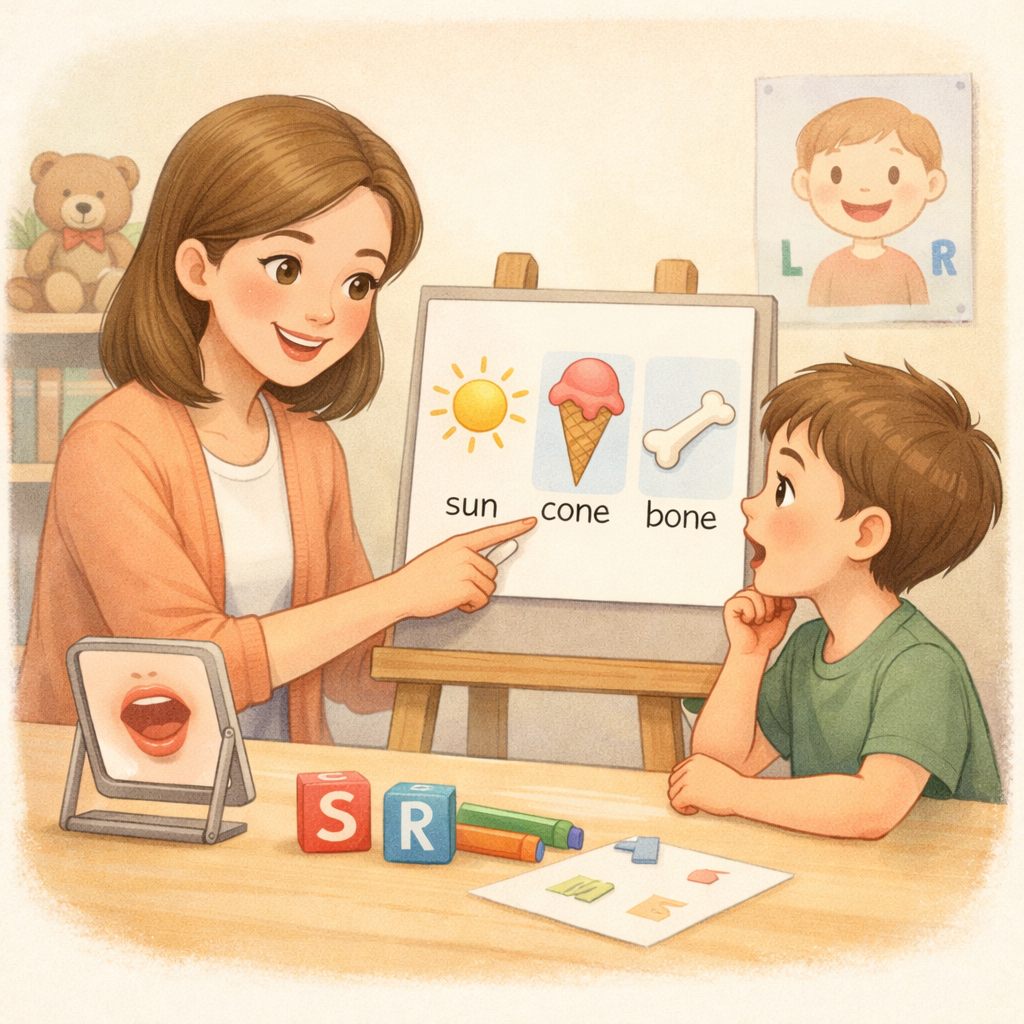
As a parent, you eagerly await your child's first words, celebrating every coo, babble, and giggle. But what happens when your child's speech and language development doesn't seem to be tracking with their peers? It's natural to feel a pang of concern. You might find yourself wondering, "Is my child just a late talker, or is it something more?" For families in Liverpool and across Western Sydney, understanding the typical stages of speech development is the first step towards easing your worries and seeking the right support if needed.
At Daar, a registered NDIS speech therapy provider in Liverpool, we understand your concerns. We're here to guide you through the signs that your child may need a speech pathologist and to show you how early intervention can make a world of difference. This guide will walk you through age-specific milestones, red flags to watch for, and the next steps to take if you're worried about your child's speech.
Understanding Speech and Language Milestones (0-5 Years)
Every child develops at their own pace, but there are general milestones that can help you gauge your child's progress. Here’s a breakdown of what to expect at different ages. Remember, this is just a guide, and slight variations are normal. However, a significant delay in multiple areas may warrant a conversation with a professional.
0-6 Months: The Foundations of Communication
Even in these early months, your baby is learning to communicate. They are listening to the sounds around them and starting to make some of their own.
What to look for: Startles at loud noises, seems to recognise your voice, coos and makes pleasure sounds, cries differently for different needs. By 3 months, they should be cooing and gurgling. By 6 months, they should be babbling with different sounds.
Red Flags: Doesn't seem to respond to sounds, doesn't make eye contact, rarely makes any sounds. If your baby is not babbling by 6 months, it's a good idea to talk to your doctor.
6-12 Months: Babbling and First Words
This is an exciting time as your baby starts to experiment with sounds and may even say their first words!
What to look for: Babbles with a variety of sounds (e.g., 'bababa', 'mamama'), responds to their own name, uses gestures like waving and pointing, understands simple words like 'no' and 'bye-bye', may say one or two words like 'mama' or 'dada'. Between 9 and 12 months, your child should be using a range of gestures to communicate.
Red Flags: Doesn't babble, doesn't respond to their name by 12 months, doesn't use gestures. A lack of gestures can be a sign of a communication delay.
1-2 Years: A Vocabulary Explosion
Your toddler's vocabulary is growing rapidly during this period. They are starting to put words together and understand more of what you say.
What to look for: Says several single words, and by 18 months should have a vocabulary of around 20 words. By age 2, they should be able to combine two words to make simple sentences like 'more milk' or 'daddy go'. They should also be able to follow simple one-step commands and point to pictures in a book when named.
Red Flags: Has a vocabulary of fewer than 10-20 words by 18 months, isn't combining two words by age 2, prefers gestures over vocalisation to communicate. If your child is not using two-word phrases by age 2, it's time to seek advice.
2-3 Years: Simple Sentences and Questions
Your child is now a little chatterbox, forming simple sentences and asking questions.
What to look for: Uses two- to three-word sentences, and by age 3, they should be using three- to four-word sentences. Their speech should be understood by familiar listeners most of the time. They should be able to follow two-step directions and ask 'what' and 'where' questions.
Red Flags: Speech is very unclear and difficult to understand, doesn't use two-word sentences, and shows frustration when trying to communicate. If strangers can't understand your child's speech by age 3, it's a sign they may need help.
3-4 Years: Growing into a Confident Communicator
Your child's sentences are becoming longer and more complex, and they can tell simple stories.
What to look for: Uses four- or five-word sentences, can tell you their name and age, and their speech should be understood by most people. They should be able to ask 'why' and 'how' questions and tell simple stories.
Red Flags: Stutters or has difficulty with the flow of speech, consistently mispronounces certain sounds, has difficulty telling a simple story. While some sound errors are normal at this age, if your child is very difficult to understand, it's a cause for concern.
4-5 Years: Ready for School
By this age, your child is a confident communicator, ready to take on the social and academic challenges of school.
What to look for: Speaks in long, complex sentences, can tell a detailed story, and uses grammar correctly most of the time. They should be able to follow multi-step directions and have a conversation with you.
Red Flags: Has difficulty with grammar, uses short, simple sentences, and is difficult to understand. If your child is struggling to communicate effectively with their peers, it's important to seek help before they start school.
When to See a Speech Pathologist: Key Signs to Watch For
While the milestones above are a helpful guide, there are some specific red flags that should prompt you to seek professional advice. If you notice any of the following, it's a good idea to book an assessment with a speech pathologist.
Lack of Babbling: If your baby isn't babbling or making a variety of sounds by 9-12 months.
No First Words: If your child hasn't said their first words by 15-18 months.
Difficulty Understanding: If your child has trouble understanding simple instructions or questions.
Unclear Speech: If your child's speech is difficult for you or others to understand, especially after the age of 3.
Frustration with Communication: If your child becomes frustrated or withdrawn when trying to communicate.
Stuttering: If your child frequently stutters or has difficulty with the flow of their speech.
Social Communication Difficulties: If your child has trouble with the back-and-forth of conversation, making eye contact, or using gestures.
If you're a parent in Liverpool or Western Sydney and you've noticed any of these signs, don't hesitate to reach out. Book Now for a consultation with one of our experienced speech pathologists at daar.
What Parents Can Do at Home to Encourage Speech Development
While professional help is essential for children with speech delays, there's a lot you can do at home to support your child's communication skills. Here are some tips for different age groups:
For Babies (0-12 months):
Talk, talk, talk: Narrate your day to your baby. Talk about what you're doing, what you see, and what you're going to do next.
Read books: It's never too early to start reading to your baby. Choose colourful board books and point to the pictures as you read.
Sing songs and nursery rhymes: The rhythm and repetition of songs and rhymes are great for language development.
For Toddlers (1-3 years):
Expand on their words:If your toddler says 'car', you can say 'Yes, it's a big red car!'.
Play with them: Get down on the floor and play with your toddler. Follow their lead and talk about what they're doing.
Give them choices: Instead of asking 'Do you want a drink?', ask 'Do you want milk or water?'. This encourages them to use words to make a choice.
For Preschoolers (3-5 years):
Ask open-ended questions: Instead of asking questions that can be answered with a 'yes' or 'no', ask questions that encourage them to talk, like 'What did you do at preschool today?'.
Tell stories: Make up stories together or take turns adding to a story.
Listen patiently: Give your child plenty of time to finish their sentence without interrupting.
What to Do Next: Your Path to Supporting Your Child
Seeing signs of a speech delay can be worrying, but the good news is that there is so much you can do to help. Early intervention is key to helping your child develop their communication skills and build their confidence.
-
Talk to Your GP or Paediatrician: Your doctor can rule out any underlying medical issues, such as hearing problems, that could be affecting your child's speech.
-
Book an Assessment with a Speech Pathologist: A speech pathologist will conduct a comprehensive assessment to determine your child's strengths and challenges. They will then develop a personalised therapy plan to meet your child's specific needs.
-
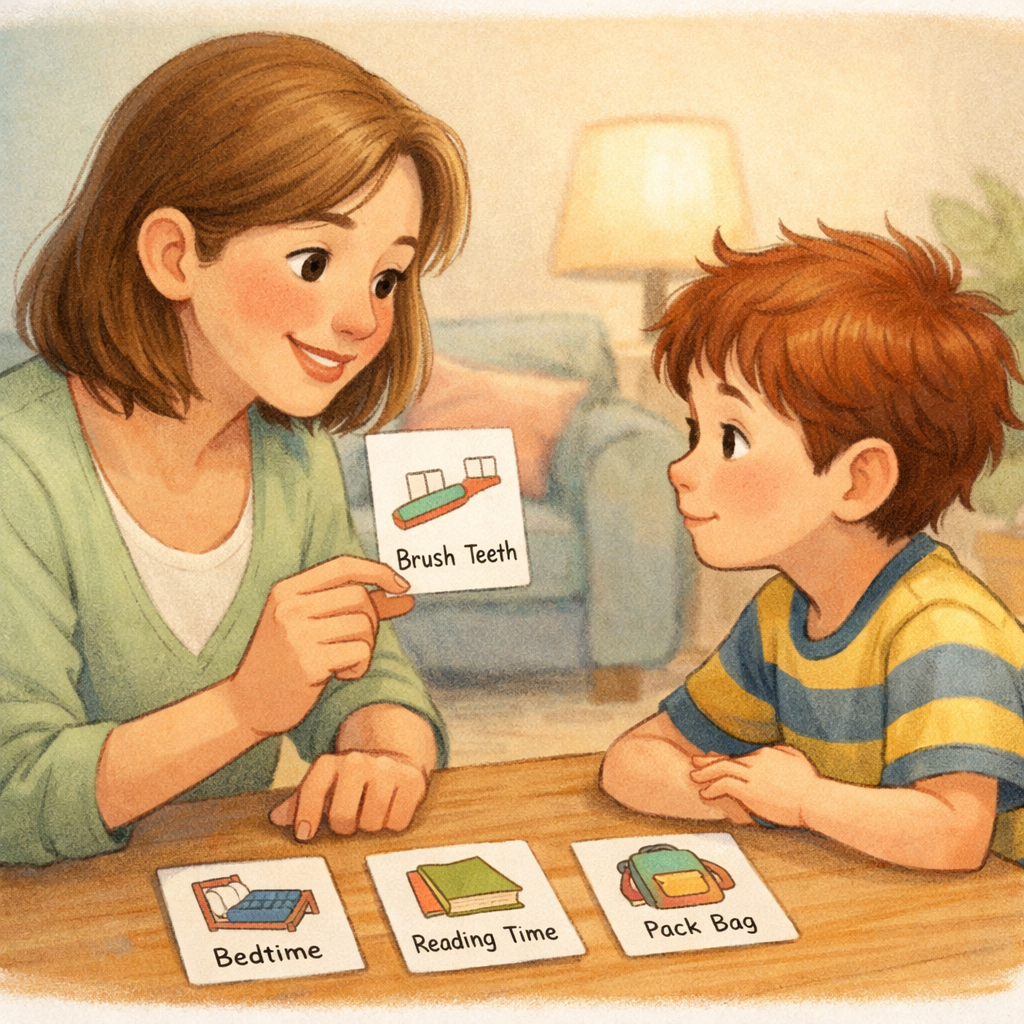
Get Involved in Therapy: As a parent, you are your child's most important teacher. Your speech pathologist will work with you to provide you with strategies and activities you can do at home to support your child's learning.
How daar in Liverpool Can Help Your Child Thrive
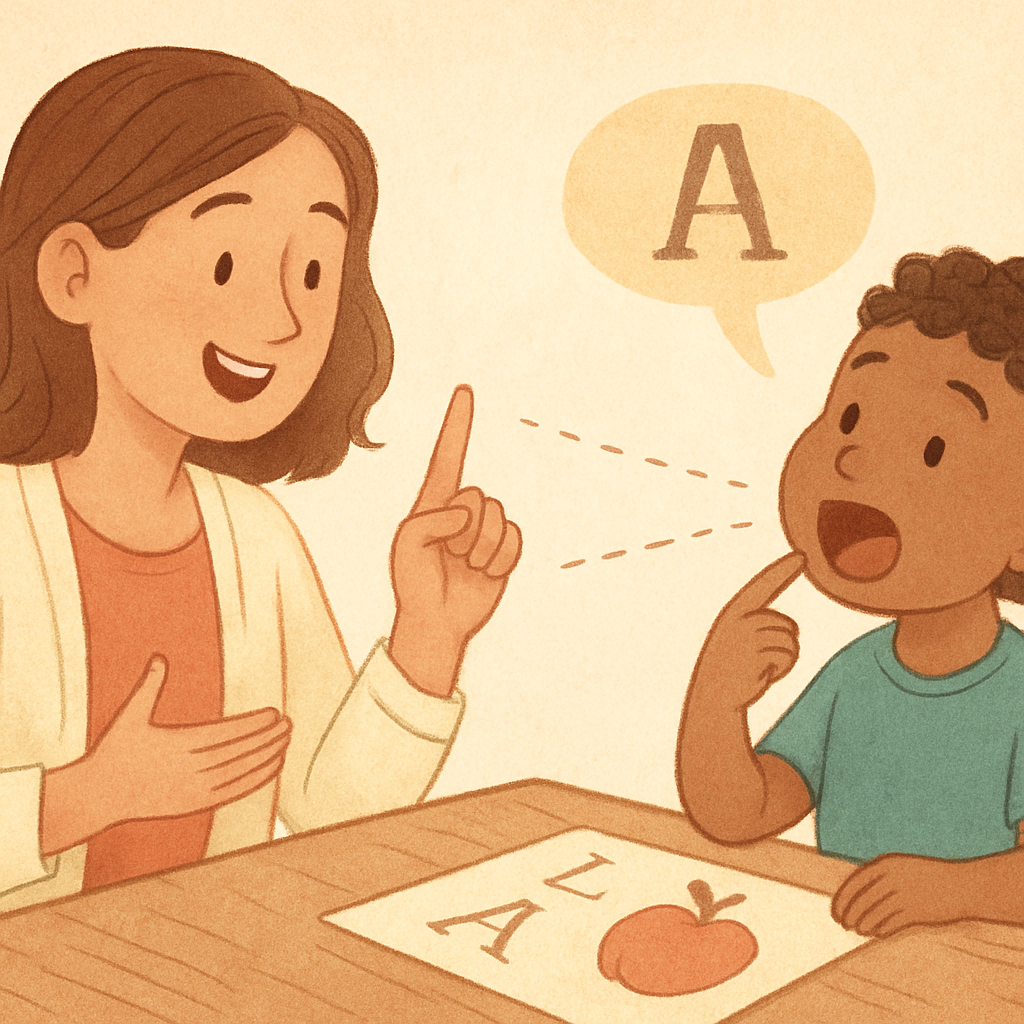
At daar, we are passionate about helping children in the Liverpool community reach their full potential. Our team of dedicated and experienced speech pathologists provides evidence-based therapy in a fun, play-based environment. We are a registered NDIS provider, making our services accessible to families across Western Sydney.
We believe in a family-centred approach, which means we work closely with you to ensure that therapy is tailored to your child's individual needs and goals. We empower you with the knowledge and skills to support your child's communication development every day.
Don't wait to get the support your child needs. If you have any concerns about your child's speech or language, we are here to help.
Book Now for a Brighter Future
Taking the first step can be the hardest, but it's also the most important. Contact daar today to book an assessment for your child. Let's work together to give your child the gift of confident communication. Your journey to a brighter future for your child starts here.
Book Now and let our team at daar in Liverpool guide you and your child on this important journey.
.svg)




.svg)