
.png?width=48&height=48&name=Group%201%20(3).png)























15 April, 2026

Aggression and Cortisol Reactivity: What You Need to Know
If you have ever witnessed your sweet toddler suddenly transform into a tiny tornado of hitting, biting, or throwing toys, you know how overwhelming it can feel. As parents, our first instinct is often to wonder, "What did I do wrong?" or "Is this normal?" Research suggests that factors like cortisol reactivity, which reflects how the body responds to stress, may play a role in aggressive behaviour in humans. Elevated or blunted cortisol responses to stress are linked to increased impulsivity and aggression, helping to explain why some children exhibit these behaviours more intensely than others.
Take a deep breath. Toddler aggression is incredibly common, and more often than not, it is rooted in biology rather than bad behaviour. To truly understand why toddlers become aggressive, we have to look beneath the surface—straight into their developing brains and the chemical messengers that control their emotions. Research has found an inverse correlation between cortisol, a stress hormone, and aggression in children and teens. This means that lower levels of cortisol are often associated with higher levels of aggressive behaviour, suggesting that some kids may not experience the typical stress response when acting out.
In this guide, we will explore the fascinating link between toddler aggression and cortisol, decode the stress response in early childhood, and share evidence-based strategies on how to manage toddler aggression with compassion and confidence. Research suggests that low cortisol levels may be associated with increased aggression in toddlers, as insufficient cortisol can disrupt the body’s ability to regulate stress and emotional responses. Understanding this relationship may help caregivers better address challenging behaviours by recognizing the underlying biological factors at play.
The Science of Stress: What is Cortisol?
Before we can address the behaviour, we have to understand the underlying biology. Cortisol is famously known as the body's "stress hormone." It is produced by the adrenal glands and plays a critical role in keeping us safe. When the brain perceives a threat, it sets off an internal alarm system. This alarm triggers a rush of cortisol and adrenaline, preparing the body to either fight the danger or run away from it (the "fight-or-flight" response). Research suggests that there are gender differences in how cortisol relates to aggression. For instance, some studies indicate that in males, higher levels of cortisol tend to correlate more strongly with aggressive responses, while in females, the relationship may be weaker or influenced by additional factors such as social context or hormonal fluctuations. Understanding these differences can help explain why stress and aggression manifest uniquely between genders.
Cortisol is famously known as the body's "stress hormone." It is produced by the adrenal glands and plays a critical role in keeping us safe. When the brain perceives a threat, it sets off an internal alarm system. This alarm triggers a rush of cortisol and adrenaline, preparing the body to either fight the danger or run away from it (the "fight-or-flight" response).
In a healthy system, cortisol levels rise to deal with the stressor and then naturally fall back to baseline once the threat has passed. However, a toddler’s brain is still under major construction. The part of the brain responsible for logical thinking and emotional regulation (the prefrontal cortex) won't be fully developed for years.
What is Cortisol Reactivity in Toddlers?
Cortisol reactivity in toddlers refers to how intensely a child's body responds to stress and how long it takes for their cortisol levels to return to normal. Some children have a highly reactive stress system. For these toddlers, simple frustrations—like the wrong colored cup or a transition from playtime to bedtime—can trigger a massive spike in cortisol, sending them straight into "fight" mode.
The Link Between Toddler Aggression and Cortisol
When a toddler's cortisol levels spike, their logical brain essentially goes offline, and their primal survival brain takes over. Because they lack the verbal skills to say, "I am feeling incredibly overwhelmed and my nervous system is overloaded," they communicate through physical actions.
This is the biological answer to why toddlers become aggressive. Hitting, biting, kicking, and screaming are outward manifestations of an internal cortisol flood. High cortisol reactivity can directly hinder healthy social development, making it harder for children to share, take turns, and play peacefully with peers if they are constantly hovering in a state of high alert.
Factors That Trigger the Stress Response in Early Childhood
What causes a toddler's cortisol to spike in the first place? Several environmental and developmental factors can hyper-activate the stress response in early childhood: Developmental Frustration: The gap between what a toddler wants to do and what their body/language skills allow them to do is a massive source of stress. In addition to being a key player in the stress response, cortisol can interact with other hormones such as testosterone, and research suggests that this interaction may influence aggression levels. While in early childhood, the roles of these hormones are still being studied, cortisol's complex relationship with other hormones highlights how multiple biological factors can shape aggressive behaviours alongside environmental triggers.
- Developmental Frustration: The gap between what a toddler wants to do and what their body/language skills allow them to do is a massive source of stress.
- Lack of Sleep: Sleep deprivation naturally elevates resting cortisol levels, meaning an overtired toddler is already teetering on the edge of a meltdown.
- Hunger: Low blood sugar triggers a cortisol release to mobilize energy. (The infamous "hangry" toddler is a very real biological phenomenon).
- Overstimulation: Loud noises, crowded rooms, or screen time can overload their sensory systems.
- Changes in Routine: Toddlers thrive on predictability. Sudden transitions, moving houses, or a new sibling can cause chronic low-grade stress.
Evidence-Based Strategies: How to Manage Toddler Aggression
When your child is operating from a place of high cortisol, punishments like time-outs or yelling will only trigger more stress, pouring gasoline on the fire. Here is how you can help lower their cortisol and guide them back to a state of calm. Interestingly, research suggests that individuals with psychopathic traits may respond differently to cortisol reactivity, especially regarding aggression. While heightened cortisol typically triggers aggressive responses in most people, those with higher psychopathic traits often show a blunted cortisol response, which can lead to unique patterns of aggression that may not be affected by stress in the same way.
1. Co-Regulation is Key
A toddler cannot calm down on their own; they need to borrow your calm nervous system. This is called co-regulation. When they hit or bite, step in calmly. Say, "I won't let you hit. Hitting hurts," while physically (but gently) stopping the behaviour. Take deep, audible breaths. Your calm presence will signal to their brain that the "threat" is over, helping cortisol levels drop. The cortisol awakening response, which is the body's natural surge of cortisol upon waking, is linked to aggressive tendencies in that heightened or dysregulated cortisol responses can make children more prone to stress-reactive behaviours like hitting or biting. Supporting co-regulation helps toddlers manage these stress hormones and may reduce aggressive outbursts.
2. Prioritize Sleep Hygiene
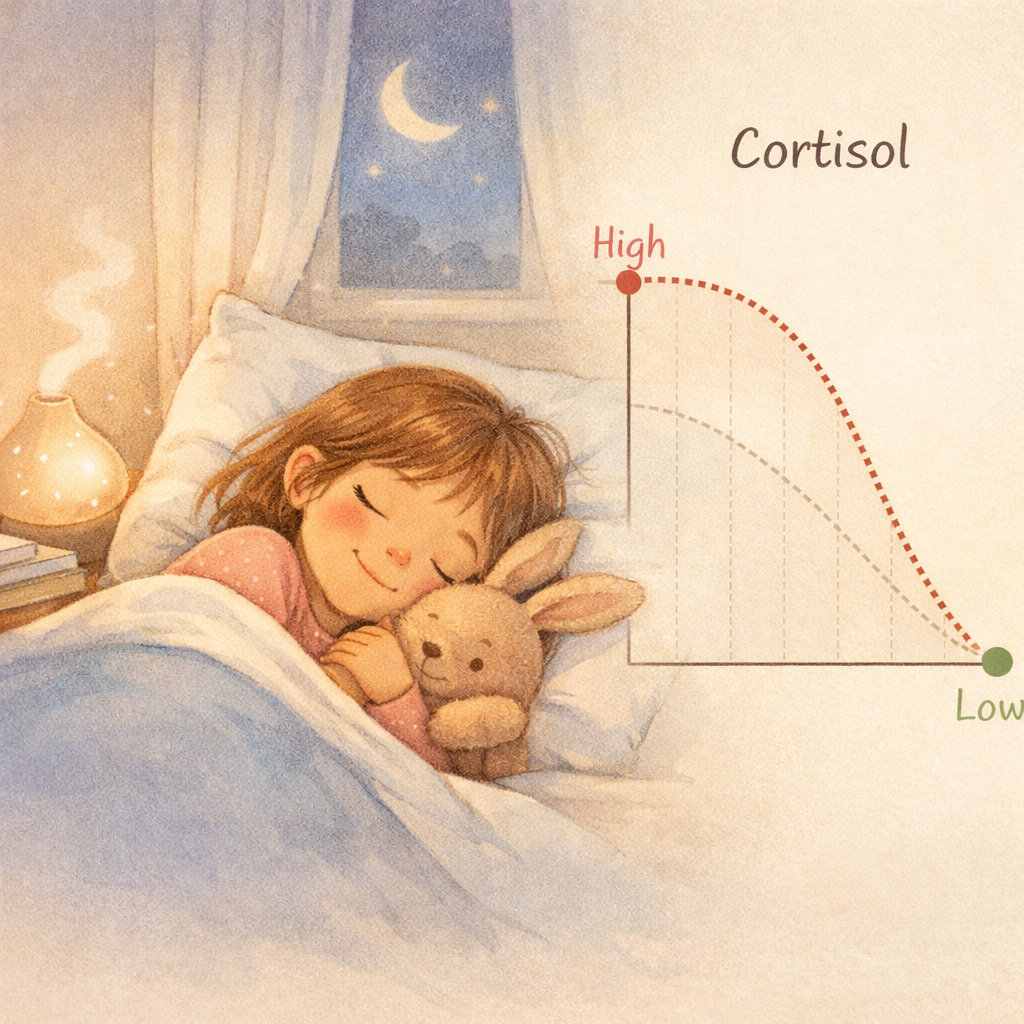
Because sleep is the body's way of flushing out excess stress hormones, prioritizing nap times and establishing a soothing bedtime routine is non-negotiable. Keep the bedroom cool, dark, and screen-free for at least an hour before sleep to promote optimal rest. Research has shown that aggressive individuals often exhibit altered patterns in salivary cortisol measurements, such as elevated or dysregulated cortisol levels, which can be linked to poor sleep hygiene or insufficient rest. Therefore, maintaining proper sleep habits may support healthier cortisol patterns and potentially help manage aggressive tendencies.
3. Maintain Predictable Routines
Routines act as an anchor for a toddler. Knowing what comes next reduces anxiety, keeping baseline cortisol levels low. Use visual schedules or give countdowns before transitions (e.g., "In five minutes, we are leaving the park"). When routines are disrupted, stress can cause fluctuations in cortisol levels, which research suggests may sometimes trigger aggressive behaviour in children. Therefore, maintaining predictable routines not only lowers anxiety but may also help prevent stress-related aggression.
4. Teach Calming Strategies (During Peacetime)
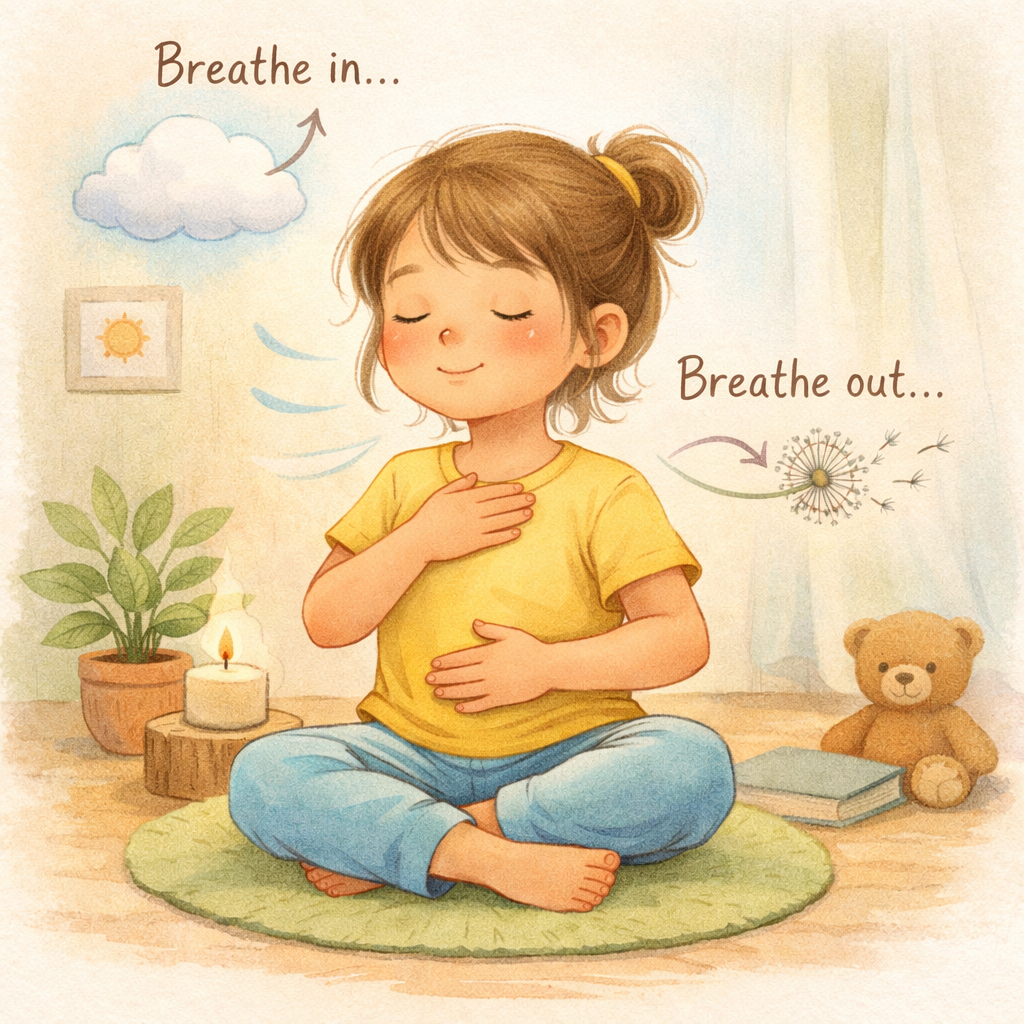
You cannot teach a drowning person to swim. Wait until your toddler is calm and happy to practice emotional regulation tools. Research suggests there is an inverse correlation between cortisol and aggression in children and teens, meaning that lower cortisol levels are sometimes associated with higher aggression. Teaching calming strategies when children are at ease can help them manage stress more effectively and potentially influence these biological factors in a positive way. Deep Breathing: Practice blowing bubbles or pretending to blow out birthday candles.
- Deep Breathing: Practice blowing bubbles or pretending to blow out birthday candles.
- Heavy Work: Give them physical tasks that provide deep pressure to the joints, like pushing a laundry basket or carrying heavy books. This naturally regulates the nervous system.
5. Feed the Brain
Ensure they are eating a balanced diet with plenty of protein and healthy fats. Offer frequent, nutrient-dense snacks to prevent blood sugar crashes that trigger cortisol spikes.
Warning Signs of Chronic Stress: When to Seek Professional Help
While occasional aggression is a normal part of toddlerhood, chronic cortisol elevation can have lasting impacts on child development. Research suggests there may be gender differences in how cortisol relates to aggression, with some studies indicating that boys and girls might respond differently to elevated cortisol levels. It is important to know the difference between a developmental phase and a deeper issue.
Watch for these warning signs:
- The aggression is severe enough to cause injury to themselves, you, or other children.
- Tantrums last longer than 20-30 minutes and happen multiple times a day.
- Your toddler is unable to calm down, even with your loving support and co-regulation. The aggression is consistently paired with severe sleep disturbances, extreme withdrawal, or loss of previously mastered skills (like language or potty training). Psychological factors such as anxiety, emotional dysregulation, or trauma history can influence how cortisol reactivity contributes to aggression in children. These underlying psychological aspects may heighten a child's stress response, making it more difficult for them to regulate their emotions and increasing the likelihood of aggressive behaviours during periods of elevated cortisol.
- The aggression is consistently paired with severe sleep disturbances, extreme withdrawal, or loss of previously mastered skills (like language or potty training).
When to Seek Help: If you observe these signs, or if the aggression is causing significant distress to your family, do not hesitate to reach out to your paediatrician or a paediatric occupational therapist. They can help evaluate if there are underlying sensory processing issues or developmental delays contributing to the high stress levels.
Practical Daily Tips for Caregivers

To help keep the stress response in early childhood balanced day-to-day, keep this quick checklist in mind:
- Connect Before You Correct: Get down on their eye level and offer a hug before setting a boundary.
- Name the Feeling: "You are so mad that we have to leave the park. It's okay to be mad, but it's not okay to hit."
- Offer Choices: Give them a sense of control over their environment ("Do you want the red cup or the blue cup?").
- Get Outside: Nature and fresh air are proven cortisol-reducers for both you and your toddler.
Understanding the deep connection between toddler aggression and cortisol changes the way we parent. Instead of seeing a "bad kid" who is acting out, we can see a stressed, developing brain that needs our help to feel safe. By responding with patience, routine, and connection, you can help your child build a strong foundation for lifelong emotional regulation.
Reach out for a consultation or call daar at 02 9133 2500 for expert guidance tailored to your child’s needs.
Frequently Asked Questions (FAQ)
1. Is my toddler's aggression a sign that I am a bad parent?
Absolutely not! Toddler aggression is a developmentally appropriate response to an immature nervous system navigating a big world. High cortisol reactivity in toddlers is largely biological. What matters most is how you consistently respond (with calm boundaries and co-regulation) to help them learn better ways to cope over time.
2. Can screen time affect my toddler's cortisol levels and aggression?
Yes. Fast-paced television shows and games on tablets can easily overstimulate a toddler's brain, triggering a low-level stress response. Additionally, the blue light from screens suppresses melatonin, which can ruin their sleep. Poor sleep directly elevates baseline cortisol, which answers why toddlers become aggressive so easily after a day of heavy screen time.
3. Will my child constantly struggle with aggression if they have high cortisol reactivity?
Not necessarily. While some children are naturally more biologically sensitive to stress, the stress response in early childhood is highly adaptable. This means that a child's brain literally rewires itself based on their environment. By consistently practicing things like co-regulation, emotional coaching, and healthy routines, you can help them develop robust coping skills that will manage their cortisol reactivity as they grow.
.svg)




.svg)