
.png?width=48&height=48&name=Group%201%20(3).png)























9 April, 2026

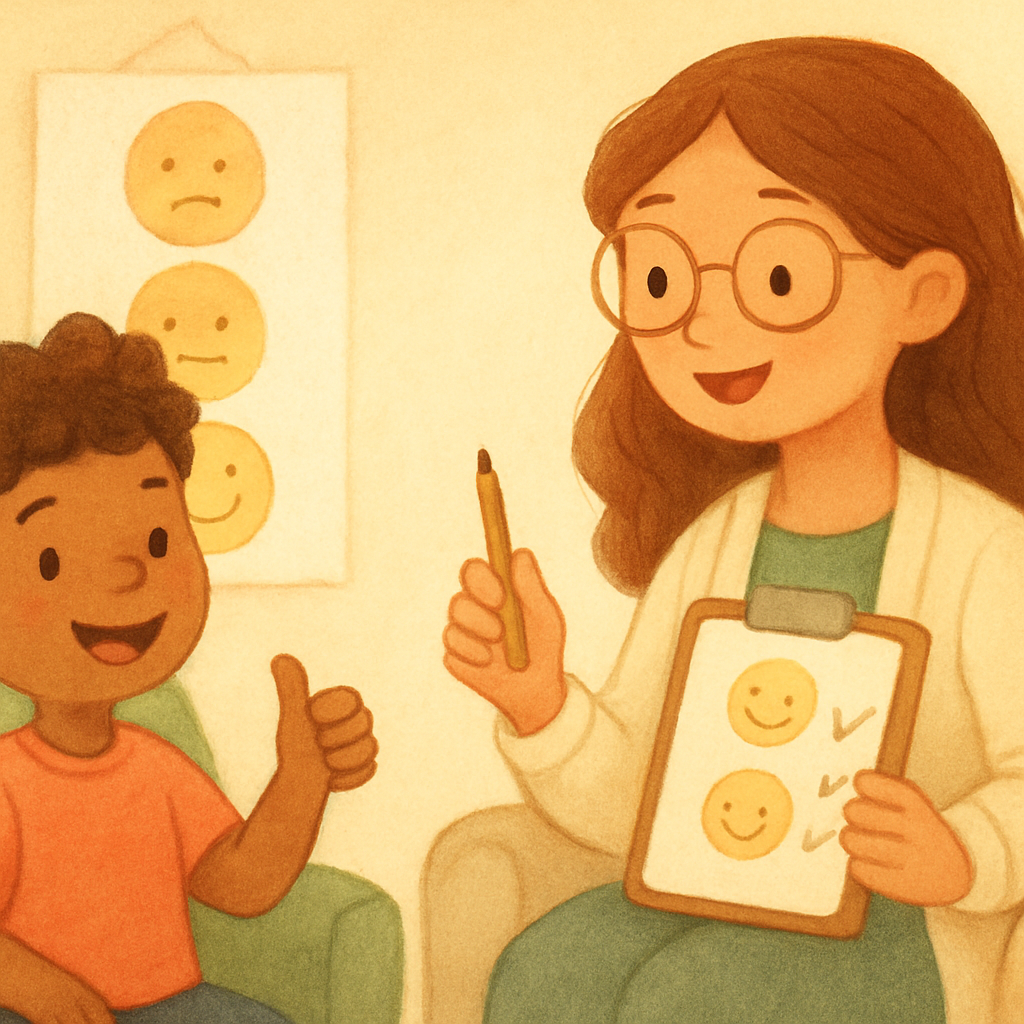
Therapy for Child Tantrums: Tips for Managing Outbursts
Key Highlights
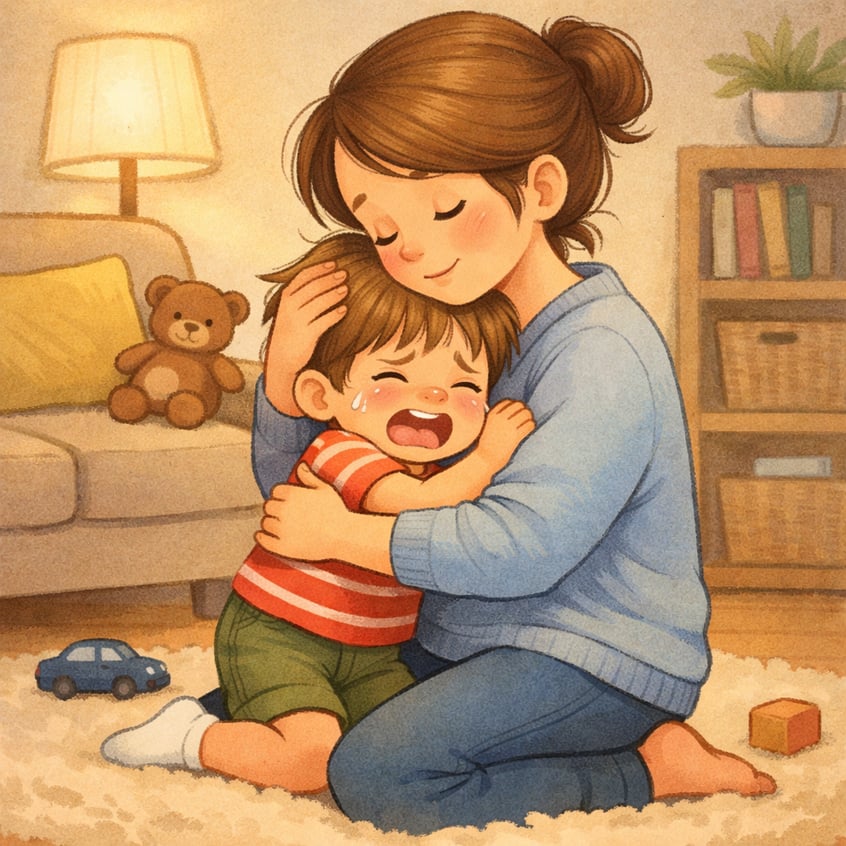
- Temper tantrums are a normal part of development for young children who are learning to manage big feelings.
- Understanding the difference between goal-oriented tantrums and sensory-driven meltdowns helps you respond effectively.
- Early intervention and therapy services can address frequent tantrums and prevent long-term behaviour problems.
- Home strategies like staying calm and setting routines are crucial for managing outbursts.
- Therapy approaches, including parent training, teach both you and your child skills for better emotional regulation.
- Recognizing when tantrums are a sign of an underlying issue is the first step toward getting professional help.
Introduction
Watching your child have a tantrum can be frustrating and overwhelming. Whether it's screaming in a grocery store or a full-blown meltdown at home, these outbursts are a common, albeit challenging, part of child development. They are often a young child's way of expressing big emotions they don't have the words for yet. Understanding the root causes of tantrums and learning new strategies can help you guide your child toward better emotional regulation and bring more peace to your home.
Understanding Child Tantrums and Their Causes
Temper tantrums are common in children ages one to three and are explosive displays of frustration and anger. They aren't a sign of naughtiness, but a normal response when a child can’t express their needs or handle strong feelings.
Tantrums can occur for many reasons, such as tiredness, hunger, or discomfort. Viewing tantrums as a call for help—not defiance—allows you to respond more empathetically and effectively. Identifying triggers is the first step in managing them.
Typical Developmental Reasons for Tantrums
Tantrums are common in toddlers ages 1 to 3, as they struggle to express needs and manage frustration. Their desire for independence, combined with limited self-control, often leads to outbursts—especially when hungry, tired, overstimulated, or faced with difficult tasks.
As language and emotional skills develop after age three, tantrums usually decrease. However, frequent or severe tantrums after age four—especially those involving aggression, self-harm, property damage, or difficulty calming down—may signal underlying problems. In such cases, consult a paediatrician or child psychologist.
Understanding tantrums helps parents respond calmly and empathetically. Consistent boundaries, comfort, and encouraging healthy expression all support emotional growth.
Difference Between Tantrums and Meltdowns
While often used interchangeably, tantrums and meltdowns are different and require distinct responses.
A tantrum is usually goal-driven—a child acts out to get something or avoid something. Tantrums often end once the child gets what they want.
A meltdown, however, happens when a child is overwhelmed by sensory input, stress, or exhaustion. It's not about getting their way; it's a loss of control due to overload.
Key differences:
- Tantrums: Purposeful and may stop if the goal is met.
- Meltdowns: Caused by overwhelm; the child needs support to recover.
- Aggression: Some tantrums involve aggression. Therapy can help teach healthier ways to manage emotions and communicate.
When Are Tantrums a Concern?
While occasional tantrums are normal, there are times when they might signal a deeper issue. If you notice that frequent tantrums are causing significant disruptive behaviour at home or in public, it's worth paying closer attention. These outbursts could be a sign of underlying causes that need to be addressed.
Persistent and severe tantrums, especially in older children, can be stressful for the entire family. It's important to recognize when this behaviour goes beyond typical development and may require professional support. Let's explore the signs that indicate a need for attention and when to consider seeking help.
Recognizing Signs That Need Attention
Most children outgrow frequent tantrums by school age. If tantrums persist or worsen after age four, it may signal an underlying issue. Watch for patterns that suggest more than typical development—early recognition is key to supporting your child’s mental health.
Consider professional help if:
- Tantrums become more frequent, intense, or last longer.
- Your child tries to harm themselves or others during outbursts.
- Tantrums happen with all adults, not just primary caregivers.
- Behaviour is paired with other concerns, like extreme defiance, which may indicate oppositional defiant disorder or ADHD.
If you feel overwhelmed or find yourself giving in often, consulting a professional can help.
When to Consider Professional Help in Australia
Deciding to seek professional help is a proactive step toward supporting your child's well-being. In Australia, numerous therapy services are available to help families manage challenging behaviours. You should consider getting support if you feel that your child's tantrums are negatively impacting family life or if the strategies you've tried at home aren't working.
Parenting support services like Tresillian offer a listening ear and can guide you to the right resources. Early intervention is key, and professionals can help determine if there are underlying issues contributing to the behaviour. A healthcare professional can perform developmental screening or refer you to a specialist for a more in-depth behaviour analysis.
Organizations like the Child Mind Institute also provide valuable information and can help you understand when it's the right time to seek help. If you're concerned, reaching out to your GP or a child and family health nurse is an excellent first step. They can help you access the support your family needs.
Home Strategies for Managing Outbursts
Managing tantrums effectively often starts at home. Creating a predictable home environment where your child feels safe and understood can significantly reduce the frequency and intensity of outbursts. The goal is not to eliminate frustration but to teach your child how to handle it more healthily.
Implementing home strategies grounded in positive discipline can empower your child with a sense of control and encourage good behaviour. This involves staying calm yourself, setting clear boundaries, and being consistent. Let's look at some practical ways to manage outbursts and prevent them from escalating.
Staying Calm as a Parent During Tantrums
Your response during a tantrum sets the tone. Reacting with anger can escalate the situation. Children learn emotional regulation by watching you, so modeling calm behaviour is crucial. Remember, your child isn’t giving you a hard time—they’re having a hard time.
When a tantrum starts, take deep breaths to center yourself. This helps you respond calmly and keep your child feeling safe as they process their emotions.
Tips to stay calm:
- Take a mindful pause before responding.
- Use a soothing voice; don’t yell.
- Focus on safety, not reasoning during the tantrum.
- Stick to consistent boundaries, even when it’s tough.
Setting Boundaries and Consistent Routines
Children thrive on predictability. Consistent routines help them feel secure because they know what to expect next. A predictable home environment can prevent many tantrums before they even start, especially those triggered by hunger or tiredness. Following a daily schedule for meals and sleep helps ensure your child is well-rested and fed.
Clear communication and firm boundaries are just as important. When children understand the rules, they are less likely to test them. Instead of saying "no" to everything, offer limited choices to give your child a sense of control. For example, say, "Would you like to wear the red shirt or the blue shirt?"
Here are some tips for setting routines and boundaries:
- Use visual schedules to help your child see what's coming next.
- Offer two acceptable choices to avoid power struggles.
- Be consistent with your rules. If you don't buy treats at the store, stick to that rule every time.
Preventing Future Tantrums
While you can't prevent every tantrum, you can take steps to reduce its frequency and intensity. Prevention is about being proactive rather than reactive. By understanding your child's needs and teaching them to manage their emotions, you build their emotional intelligence and resilience for the future.
This approach involves identifying what triggers your child's outbursts and teaching them simple coping skills to use when they feel overwhelmed. Focusing on prevention helps address the root of the behaviour, not just the symptoms, leading to lasting positive changes.
Identifying Triggers and Early Warning Signs
One of the best ways to prevent tantrums is to understand their triggers. Notice what happens right before an outburst—are they tired, hungry, or upset by transitions?
Once you spot patterns, you can adjust routines. For example, run errands after meals or schedule quiet time following busy activities. Recognizing early signs of frustration lets you intervene before a tantrum starts. This proactive approach helps reduce behaviour issues.
|
Common Trigger |
Example |
Prevention Strategy |
|---|---|---|
|
Hunger/Tiredness |
Meltdown in the store before dinner |
Run errands after naps/meals; pack a small snack |
|
Transitions |
Crying when leaving the park |
Give a five-minute warning; use a visual timer |
|
Frustration |
Anger when a toy is too hard |
Offer age-appropriate toys; help with tough tasks |
|
Feeling Unheard |
Whining turns into screaming for attention |
Schedule daily one-on-one time with your child |
Teaching Simple Coping Skills to Children
Teaching your child how to manage big feelings is a skill that will last a lifetime. Instead of just reacting to tantrums, you can empower your child with tools to handle frustration and improve their impulse control. Start by talking about emotions when your child is calm. Label feelings like "happy," "sad," and "angry" to build their emotional vocabulary.
When they are calm, you can practice simple coping skills together. For example, deep breathing exercises can help them calm their body when they start to feel upset. Creating a "calm-down corner" with soft pillows, books, or a favorite stuffed animal can also be effective. This gives them a safe space to go to when they need to regulate.
Here are some coping skills you can teach:
- Deep breathing: Pretend to blow out birthday candles or blow up a balloon.
- Counting: Slowly count to ten together.
- Using a calm-down space: Encourage them to go to their special spot when upset.
- Expressing feelings with words: Help them say, "I'm mad" instead of hitting.
Therapy Approaches for Child Tantrums
When home strategies are not enough, professional therapy can provide structured support for you and your child. Different therapy approaches are available to address tantrums, each focusing on building skills and improving family dynamics. The goal of therapy is not to punish the behaviour but to understand its function and teach a better way to communicate needs.
Common methods include behavioural therapy, play therapy, and parent training. These therapies equip both parents and children with effective tools to manage emotional outbursts and foster positive interactions. Let's explore some of these effective approaches in more detail.
Behavioural Therapy Techniques That Work
Behavioural therapy effectively manages tantrums by identifying their underlying causes. Techniques from Applied Behaviour Analysis (ABA) determine whether tantrums stem from seeking attention, avoiding tasks, or expressing needs. Once identified, therapists use targeted interventions.
Positive reinforcement—praising or rewarding desired behaviours—encourages children to communicate calmly instead of resorting to tantrums. Natural consequences also play a key role.
Effective techniques include:
- Positive reinforcement: Rewarding the use of coping skills.
- Ignoring: Withholding attention when tantrums are safe and meant for attention.
- Functional Communication Training: Teaching children to express needs with words, signs, or pictures.
- Natural consequences: Removing a toy briefly if it’s thrown.
Parent-Child Interaction Therapy Fundamentals
Parent-Child Interaction Therapy (PCIT) is an effective parent training that strengthens your relationship with your child to reduce challenging behaviours. In PCIT, a therapist observes and coaches you in real time through an earpiece. The first session usually involves introductions and an overview of the process.
PCIT has two phases: The first builds a positive connection by teaching praise and bonding skills; the second covers discipline strategies like clear commands and consistent consequences. This approach gives you the tools and confidence to manage difficult behaviours and encourage positive ones.
Differences for Toddlers Versus Older Kids in Therapy
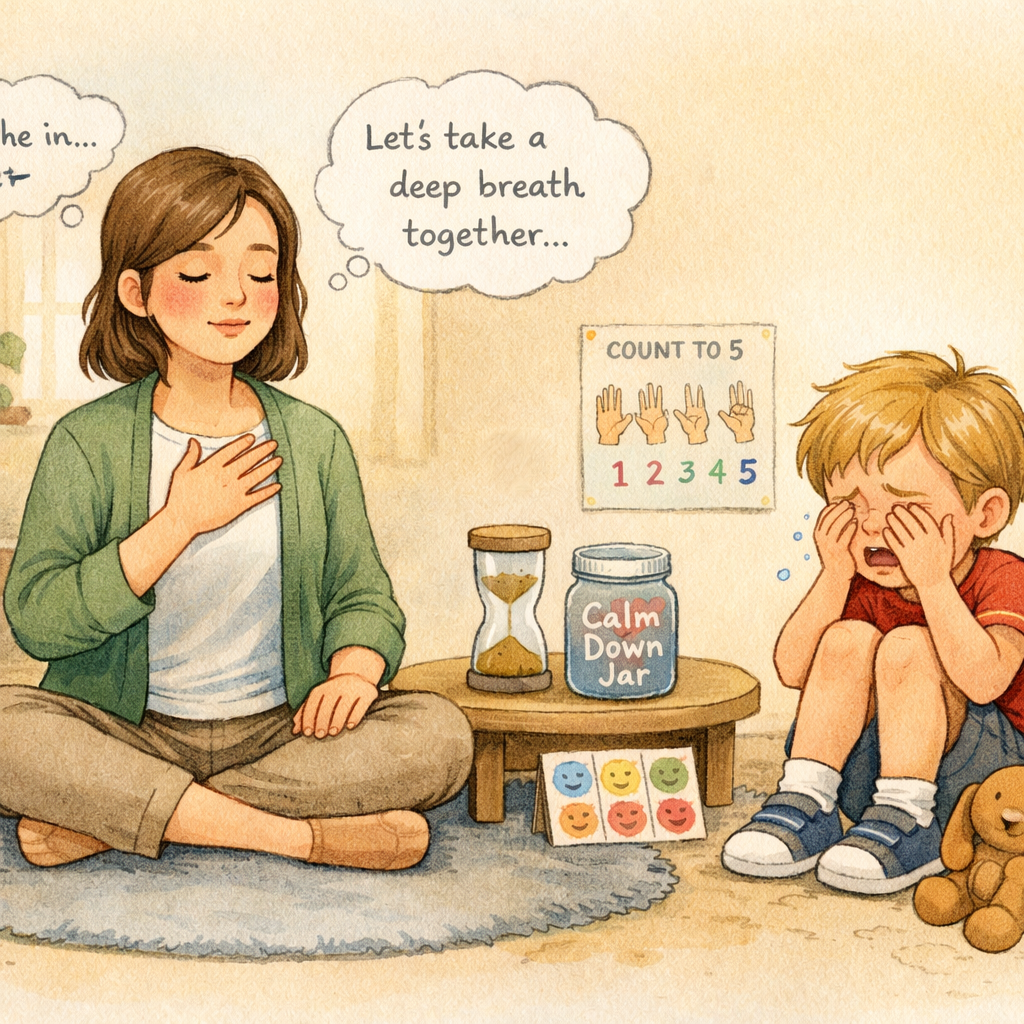
Therapy for tantrums isn’t one-size-fits-all; approaches vary by age and development.
- Toddlers: Therapy focuses on play, the child’s natural language, and parent training (like PCIT) to empower caregivers. Occupational therapy may be used if sensory issues are involved.
- Older Kids: Sessions use more direct conversation techniques. Children learn to identify emotions and develop coping and problem-solving skills.
The main goal at any age is to help the child and family improve emotional regulation.
Conclusion
Managing child tantrums can be challenging but rewarding. By understanding their causes and recognizing when professional help is needed, you can better support your child. Consistent routines and teaching coping skills at home build emotional resilience and help prevent future tantrums. Age-appropriate therapy offers valuable tools for both parents and children.
Seeking help shows strength—reach out for a consultation or call daar at 02 9133 2500 for personalized guidance.
Frequently Asked Questions
Can online counseling help with child tantrum management?
Yes, online counseling can be very effective. These therapy services often focus on parent training, providing you with strategies to manage emotional outbursts from home. This format offers convenient access to professional support and can be just as helpful as in-person sessions for addressing challenges related to child development.
How can I support my child at home between therapy sessions?
To support your child between sessions, focus on consistency. Practice the skills you learn in therapy, maintain predictable routines, and offer plenty of praise for good behaviour. Creating a calm home environment and modeling calm behaviour yourself will reinforce what your child is learning and encourage continued positive behaviour.
What are signs that tantrums are part of typical development?
Tantrums are typically a normal part of development if they occur in children between one and three years old, are triggered by frustration, hunger, or tiredness, and decrease as the child's age and language skills increase. These behaviour problems are a sign your child is learning emotional regulation.
.svg)




.svg)