





















2 April, 2026

Screen Addiction Therapy for Toddlers: A Parent's Guide

Key Highlights
Here are the key takeaways to help you manage your toddler's screen time:
- Recognize the signs of screen addiction in toddlers, such as moodiness or loss of interest in other fun activities.
- Early intervention is crucial for addressing problematic screen use and preventing long-term impacts.
- Set clear screen time limits and create screen-free zones and times in your home.
- Explore different therapy approaches if you need professional guidance for your child.
- Encourage alternative activities and model healthy habits with your own device use.
Introduction
In our modern world, digital devices are everywhere, and it's no surprise they have become a major part of life for young children. While technology can be a great tool for learning and fun, many parents worry about screen addiction and how much time their little ones spend in front of a screen staring at screens. Excessive use can affect a child’s development and overall well-being. This guide offers practical advice to help you navigate the challenges of screen time and foster healthier habits for your toddler.
Understanding Screen Addiction in Toddlers
Screen addiction isn’t an official diagnosis for toddlers, but parents often notice negative behaviors from too much device use, particularly with video games. The issue is less about screen time and more about how it affects daily life—like interfering with play, family time, or sleep.
Watch your toddler’s screen time habits. If they become irritable or anxious when a device is taken away, it may signal dependency. Recognizing these signs early can help guide them toward healthier tech habits. Here’s what typical behaviors look like and warning signs to watch for.
Typical Screen Habits in Toddlers
Many young children watch TV or use educational apps for limited periods each day. The American Academy of Pediatrics advises no children’s screen time (except video-chatting) for kids under 18 months, and up to one hour of high-quality programming daily for ages 2 to 5.
Many young children watch TV or use educational apps for limited periods each day. The American Academy of Pediatrics advises no children’s screen time (except video-chatting) for kids under 18 months, and up to one hour of high-quality programming daily for ages 2 to 5.
Knowing healthy media habits helps you spot potential issues. If your child regularly exceeds these guidelines or if screen use, particularly involving cell phones, interferes with daily life, it may be time to adjust their digital media routines.
Warning Signs Your Toddler May Need Help
How can you tell if your toddler’s screen use has become a problem? Watch for specific behavioral changes. Warning signs of screen addiction go beyond just wanting more cartoons and can lead to negative consequences like mood shifts, especially when screens aren’t available.
Withdrawal signs can point to dependency. If your child’s emotions depend on having an electronic device, that’s a red flag. Notice how they react when screen time ends.
Common signs of screen addiction include:
- Irritability, anger, or anxiety when asked to turn off a device
- Losing interest in toys, outdoor play, or family interaction
- Trouble sleeping or disrupted sleep patterns
- Choosing screens overeating, napping, or other essential activities
Long-Term Impacts of Untreated Screen Addiction
Untreated screen addiction in toddlers can harm their long-term development. Too much screen time disrupts sleep by interfering with melatonin, leading to mood swings and trouble focusing.
Relying on screens also limits face-to-face interactions, slowing social skill development and encouraging a sedentary lifestyle.
These problems can lead to mental health issues, behavioral problems, and poor academic performance as children grow.
|
Impact Area |
Description |
|---|---|
|
Physical Health |
Encourages inactivity, increasing the risk of obesity and poor motor skills. |
|
Mental Health |
Raises anxiety, lowers self-esteem, and causes more mood swings. |
|
Social Skills |
Reduces real-life interaction, hindering social development. |
|
Academic Performance |
Leads to poor focus and less time for learning, impacting school success. |
How to Recognize When Screen Time Becomes Problematic
Recognizing when screen time becomes problematic is key to helping your toddler. It’s not just about the amount of time they use devices, but also their behavior before, during, and after screen time.
If your toddler constantly asks for screens, gets upset when limits are set, or chooses devices over other activities, excessive screen time may be an issue. These signs mean it’s time to review your family’s tech habits. The next sections outline specific behaviors and emotional responses to watch for.
Behavioral Changes to Watch For
When toddlers develop an unhealthy relationship with screens and social media, you’ll notice clear behavioral changes. One key sign is poor impulse control—they can’t stop using devices even when told to. Mood swings are also common; your child may be happy during screen time but quickly become irritable when it ends. This dependence on screens often leads to a loss of interest in other activities.
Watch for these signs:
- Major irritability or anger when screen time ends
- Loss of interest in friends, family, or toys
- Using screens despite missing meals or naps
- Hiding or lying about device use
Emotional Responses to Blocked Screen Time
A toddler’s emotional reactions to blocked screen time can indicate screen dependence. While disappointment is normal when a fun activity ends, intense responses—like extreme sadness, anger, or anxiety—may signal withdrawal.
Such strong reactions suggest your child may struggle with emotional regulation and rely on screens to manage feelings. Without the device, they may lack coping skills for frustration or boredom.
If your toddler frequently has meltdowns, becomes inconsolable, or acts aggressively when a device is taken away, it’s a sign of an unhealthy relationship with screens. This can interfere with melatonin production and signal the need to address the issue to help them develop healthier coping strategies.
When to Consider Professional Guidance
If your toddler’s screen use remains excessive despite setting limits and offering alternatives, consider seeking professional help. Sometimes behaviors are too difficult to manage alone—asking for guidance is proactive parenting.
Early intervention is crucial for addressing developmental and mental health concerns. A specialist can identify the underlying issue and provide tailored strategies specific to your child and family.
Don’t hesitate to contact a pediatrician, child psychologist, or therapist if you feel overwhelmed. These experts can assess your child’s behavior and recommend programs that promote a healthier relationship with technology.
Therapies and Strategies to Block Screen Time Kids Are Overexposed To
To combat the effects of too much screen time, a combination of parental strategies and professional therapies can be effective. The goal is to limit screen use and replace it with healthier habits. This might involve setting firm screen time limits, introducing a "digital detox," or finding engaging alternative activities that your toddler loves.
When these efforts aren't enough, various therapy approaches can provide structured support for both you and your child. These professional options are designed to teach new skills and address the underlying behaviors contributing to video game addiction and screen dependence. Let's explore some practical steps you can take at home and the professional therapies available.
Practical Steps Parents Can Take at Home
You can make a positive impact at home with a few simple steps. Start by setting consistent screen time limits; routines help toddlers know when devices are allowed at specific times and reduce conflicts.
Lead by example—children mimic your habits, so limit your own screen media use. Choose alternative activities like reading or playing outside to show that life beyond screens is enjoyable.
Try these practical ideas:
- Establish "screen-free" zones, such as bedrooms and the dinner table.
- Set specific device times, like after naptime.
- Schedule daily physical or creative activities.
- Host family board game nights for interaction.
- Create a calming, screen-free bedtime routine.
Behavioral Techniques to Encourage Healthy Habits
Behavioral techniques can help your toddler develop healthy screen habits and address potential sleep disturbances. Set clear routines so your child knows what to expect, making it easier to turn off devices. Consistent schedules provide security and manage expectations.
Use positive reinforcement by praising your child for choosing non-screen activities or transitioning smoothly. This boosts their confidence and encourages good behavior. Additionally, you can set limits on their screen time for better management.
Try these tips:
- Use a timer as a neutral cue to end screen time.
- Offer fun alternatives after screens are off.
- Involve your toddler in setting rules to give them a sense of control.
- Stay calm but firm if they resist, acknowledging their feelings while maintaining limits.
Professional Screen Addiction Therapy Options

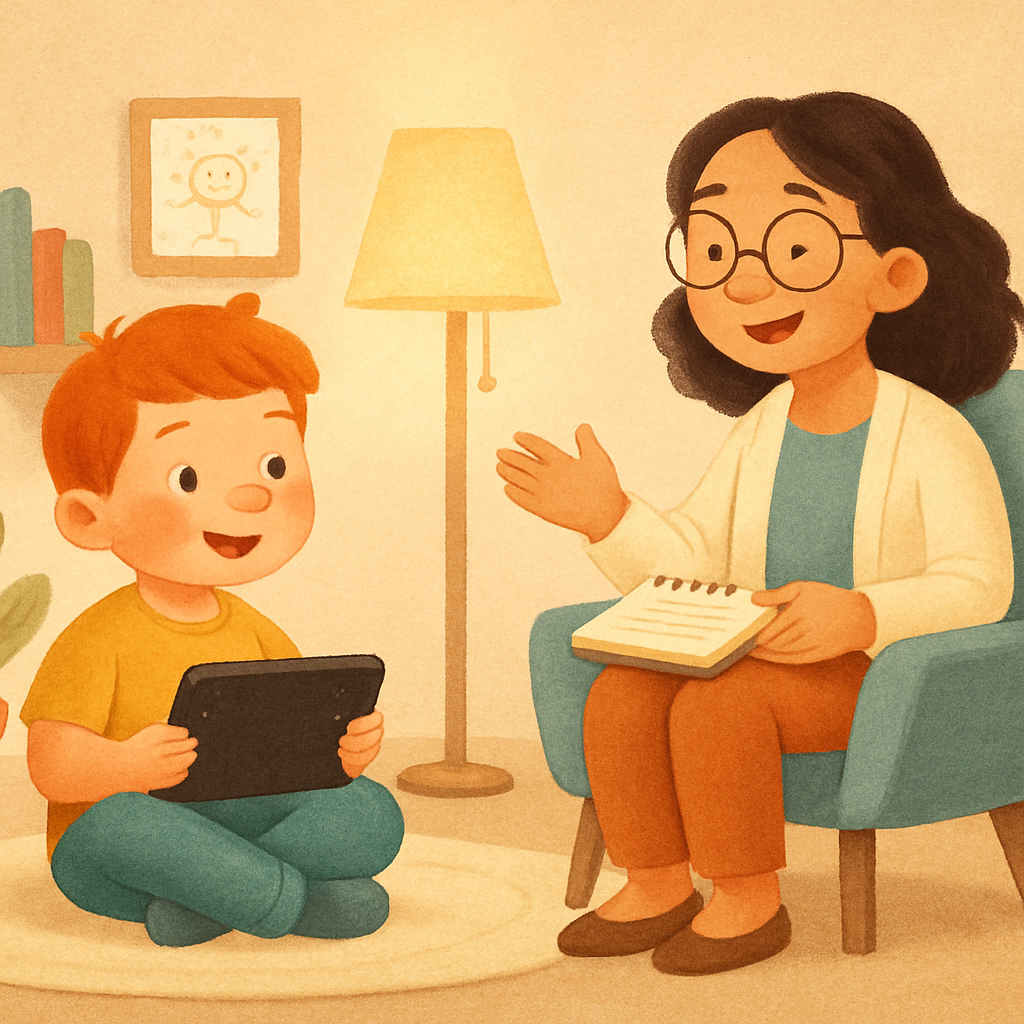
When at-home strategies are not enough, professional therapy offers structured treatment programs to address problematic internet use and screen addiction. These therapy options are designed to help children, including those with conditions like autism spectrum disorder, develop healthier behaviors and improve their overall mental health.
A therapist can work with your family to identify triggers for excessive screen use and create a personalized plan. This may involve teaching your toddler new coping skills, improving emotional regulation, and strengthening communication within the family. If your child exhibits signs of withdrawal, professional therapy provides an evidence-based framework for tackling the problem effectively.
Different therapeutic approaches can be beneficial depending on your child's specific needs.
|
Therapy Option |
Description |
|---|---|
|
Behavior Therapy |
Uses evidence-based techniques to improve social skills, daily living activities, and emotional regulation. |
|
Applied Behavior Analysis (ABA) |
A structured approach that uses proven behavioral techniques to reduce challenging behaviors and strengthen communication, including during screen time when children may be watching TV shows. |
|
Counselling/Psychology |
Supports mental health by helping children and families understand emotional challenges and move toward positive changes. |
|
Early Intervention |
Helps young children build core developmental and communication skills from a young age to reduce reliance on screens. |
Conclusion
In conclusion, tackling screen addiction in toddlers is vital for their emotional and behavioral growth. By understanding normal screen habits and spotting warning signs, parents can intervene early and encourage healthier screen use that connects to the real world. Practical strategies at home—along with knowing when to seek professional help—support a balanced approach to technology. Creating a nurturing environment and promoting activities beyond screens leads to lasting positive results.
For personalized advice on managing your toddler’s screen time, consider scheduling a consultation or call daar at 02 9133 2500 to find the best solutions for your family.
Frequently Asked Questions
How do I set healthy limits on screen time for my toddler during therapy?
During therapy, work with your therapist to establish clear and consistent screen time limits for children’s media. Start with small, achievable goals for your toddler, like "no screens at mealtime." Use a timer to signal the end of screen time and praise your child for transitioning to a new activity, reinforcing healthy habits.
What if my toddler resists when I block screen time or introduce alternatives?
Resistance is normal when managing screen addiction in young kids. Acknowledge your toddler's frustration calmly but firmly uphold the new rule. Help them work on emotional regulation by offering comfort and guiding them to engaging alternative activities. Consistency is key to helping them adjust to less screen time and find joy elsewhere.
Are therapy programs for screen addiction available in Australia?
Yes, therapy programs for screen addiction are available in Australia. Parents can seek professional help from child psychologists, behavior therapists, and early intervention services. These professionals offer specialized treatment to help children and families manage problematic screen use and build healthier habits, which can improve social relationships.
.svg)




.svg)