
.png?width=48&height=48&name=Group%201%20(3).png)























10 March, 2026

School Support for Autism: Creating Inclusive Classrooms

Key Highlights
Here are the key takeaways for creating an inclusive classroom for autistic students:
- Creating an inclusive education environment is vital for students on the autism spectrum to thrive.
- Understanding the unique needs of each student is the foundation for effective support.
- Visual supports, like schedules and cues, help establish clear routines and reduce anxiety.
- A sensory-friendly classroom setup can manage sensory overload and improve focus.
- Developing social skills requires structured activities and positive peer relationships.
- Collaboration between schools, families, and support staff ensures consistent and personalized care.
Introduction
Welcome! Creating a supportive and inclusive environment and learning environment for students on the autism spectrum is a goal shared by educators and parents alike. When the entire school community works together, every child has the chance to succeed. This guide offers practical strategies and insights for providing effective school support for autism. By understanding individual needs and implementing proven techniques, we can build classrooms where every student feels valued, understood, and empowered to reach their full potential.
Understanding Autism in the Classroom Setting
Autism Spectrum Disorder (ASD) presents a unique set of strengths and communication challenges for students in an educational setting. Children with autism often process sensory information, communication, and social interaction differently from their peers. A typical classroom can be overwhelming due to loud noises, bright lights, and unpredictable schedules.
To create an inclusive learning environment and supportive educational environment, teachers can adjust the classroom setup with sensory-friendly elements and use tools like visual aids to add structure. These small changes help manage sensory input and make social situations more predictable, allowing autistic students to feel secure and ready to learn.
Key Characteristics of Autism in School-Aged Children
School-aged children with autism have diverse traits, and each child’s experience is unique. Their needs often fall into key areas related to skill development that affect their school day, so understanding these traits is essential for effective support. To address these needs, many schools offer specific educational events such as teacher training workshops, parent seminars, and autism awareness days, all aimed at supporting autism in the classroom and promoting better inclusion.
Many autistic students have distinct sensory needs and may be over- or under-sensitive to sounds, sights, or textures. They often find social interaction and communication difficult, including reading social cues or expressing themselves. Autism Speaks highlights that motor skills challenges, such as handwriting difficulties, are also common.
Typical characteristics include:
- Challenges with verbal and non-verbal communication
- Difficulties in social interaction and peer relationships
- Specific sensory sensitivities to light, sound, or touch
- Strong preference for predictable routines and structure
Common Challenges Faced by Autistic Students in Schools
The typical school day can present numerous hurdles for an autistic student. One of the most significant is sensory overload. The bustling hallways, bright fluorescent lights, and constant noise of a classroom can be overwhelming, making it difficult for students to focus and feel comfortable.
Social situations also pose a common challenge. Navigating peer interactions, group projects, and unstructured time like recess can be confusing and stressful. Communication difficulties can further complicate these interactions, leading to feelings of isolation. Additionally, unexpected changes in the schedule can cause anxiety, as many autistic students thrive on clear expectations and routines to feel secure.
Common challenges include:
- Sensory overload from environmental stimuli.
- Difficulties navigating complex social situations with peers.
- Anxiety caused by disruptions to daily routines.
Collaborating with Families and School Communities
A strong partnership between the family and the school team is essential for supporting an autistic student. When parents, teachers, and support staff work together, they create a consistent and holistic approach support system that addresses the child's unique needs both at home and in the classroom. This collaborative approach ensures everyone is on the same page.
Building these partnerships involves open communication and mutual respect. By sharing insights and strategies, families and educators can tailor support plans that truly work for the student. Below, we'll explore how to build these vital relationships with parents and effectively engage support staff.
Building Partnerships with Parents of Autistic Children
Parents are essential partners in their child's education, offering unique insight into their child’s needs and strengths. Schools can strengthen these partnerships by actively involving parents in planning, especially through the Individualized Education Program (IEP). Making parents central to the IEP team ensures goals and accommodations are truly tailored.
Regular communication is vital—not just during formal IEP meetings, but through ongoing updates from teachers and staff. Sharing successes and challenges helps create a unified approach and allows for quick adjustments. When parents feel heard and valued, they become more engaged.
Schools can build strong partnerships by:
- Including parents as equal members of the IEP team.
- Maintaining open, consistent communication.
- Setting collaborative goals that reflect the child’s needs at school and home.
Engaging Support Staff and Advocacy Services
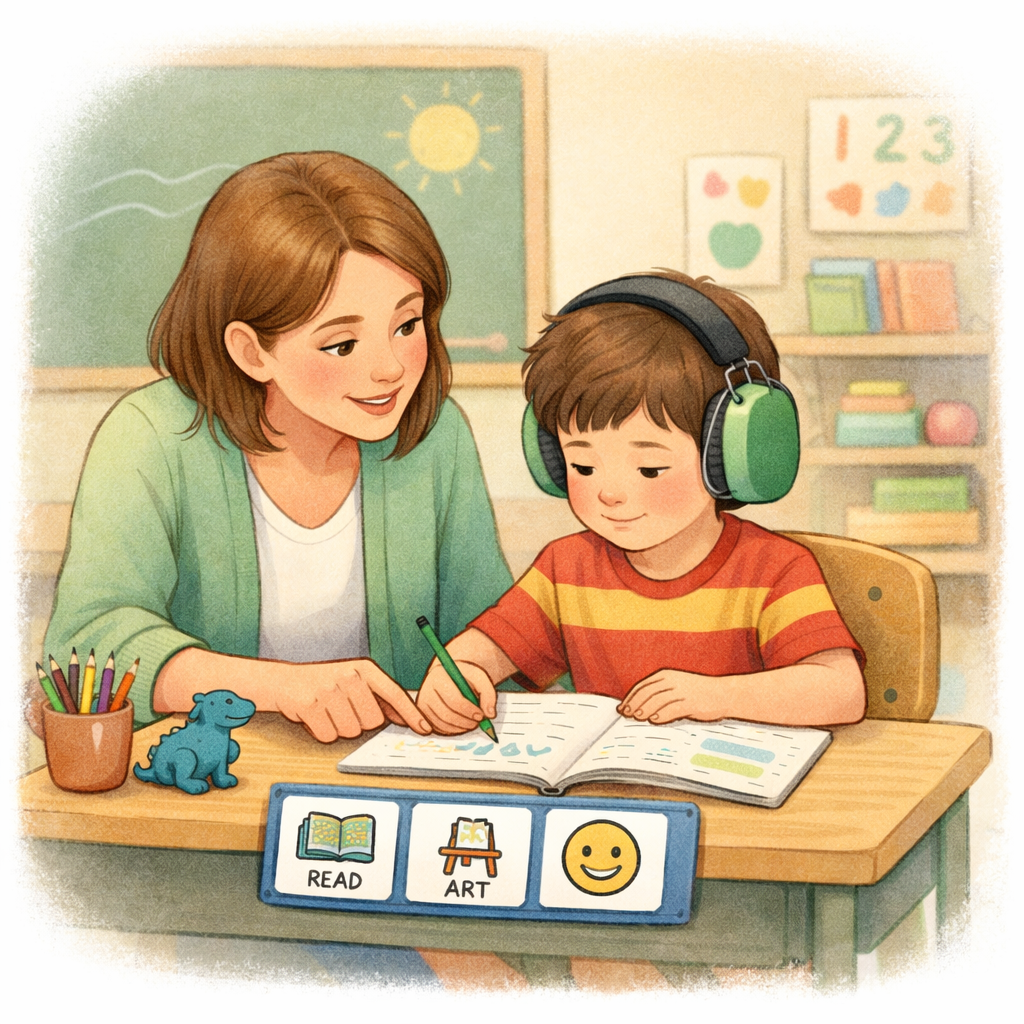
A dedicated team of special education professionals is a cornerstone of effective autism support within the school community. This team often includes special education teachers, occupational therapists, and speech-language pathologists who bring specialized expertise to the assessment process. Creating an "autism response team" can ensure a coordinated approach to meeting student needs.
In addition to school-based staff, external advocacy services can provide crucial support for families navigating the education system, including access to occupational therapy. These organizations help ensure a student's rights are upheld under laws like the Rehabilitation Act and can offer guidance during the IEP process. They advocate for appropriate accommodations and services, empowering families to secure the best possible support for their child.
This collaboration between internal and external experts, from behavior analysis specialists to parent advocates, creates a comprehensive support network.
|
Support Role |
How They Help |
|---|---|
|
Special Education Teacher |
Adapts curriculum and provides specialized instruction. |
|
Occupational Therapist |
Addresses sensory needs and helps develop fine motor skills. |
|
Speech-Language Pathologist |
Works on communication skills and social language. |
|
School Psychologist |
Conducts assessments and supports emotional well-being. |
|
Advocacy Services |
Helps families understand their rights and access services. |
School-Based Resources and Tools for Autism Education Support
Schools can offer a variety of resources and tools to create a supportive learning environment for autistic students, encouraging appropriate behavior. Special education services are at the heart of this support, providing tailored strategies and accommodations. Many of these tools are designed to bring predictability and clarity to the school day, which can significantly reduce anxiety and improve focus.
Simple yet powerful resources like visual schedules and other visual supports help students understand routines and provide a sense of security during transitions. Technology also plays an increasingly important role, offering new ways to support communication and learning. Let's look at some specific tools and services that make a difference in the classroom.
Technology and Assistive Devices in the Classroom
Technology and assistive devices are powerful tools for leveling the playing field in the classroom. For students who struggle with verbal communication skills, augmentative and alternative communication (AAC) apps on tablets can give them a voice. Likewise, text-to-speech software can assist students who find writing by hand challenging due to motor skill difficulties, allowing for extra time when needed.
Beyond high-tech solutions, low-tech tools are equally important. Simple visual aids like picture cards or social stories help clarify expectations and social rules. Sensory tools are also critical for helping students self-regulate. Items like fidget toys, noise-canceling headphones, and weighted lap pads can manage sensory input in a busy classroom.
A well-equipped classroom might include:
- Tablets with communication and visual scheduling apps.
- Sensory tools like fidget toys, weighted blankets, and wobble cushions.
- Environmental modifications such as soft lighting and quiet corners.
Accessing Counseling and Behavioral Support Services

Special education programs provide counseling and behavioral support to meet the social and emotional needs of autistic students, fostering positive behaviors. School counselors help students manage anxiety, handle social challenges, and build emotional resilience in a safe environment.
Behavioral support, often based on Applied Behavior Analysis (ABA), including ABA therapy, uses positive reinforcement to teach new skills and reduce challenging behaviors. Behavior analysts collaborate with school teams to create tailored plans that break down tasks and reward progress.
Key support services include:
- Individual or group counseling for emotional well-being
- Social skills training
- Personalized behavioral plans using positive reinforcement
Conclusion
Creating inclusive classrooms for autistic students is key to a supportive learning environment. By understanding their unique needs, educators can collaborate with families and use school resources for tailored support, including early intervention strategies. Engaging parents and advocacy groups ensures diverse voices are heard, while technology and counseling help meet varied needs. Inclusion benefits all students by fostering empathy and building a healthier school community. Let’s work together to help every child thrive!
Reach out for a consultation or call daar at 02 9133 2500 for expert guidance.
Frequently Asked Questions
What accommodations are most helpful for autistic students in mainstream classrooms?
The most helpful accommodations often include visual supports like visual schedules and social stories to create predictability. Establishing clear routines is also key. Many students benefit from flexible seating options, sensory tools to manage input, and movement breaks to provide clear, concise instructions to reduce confusion and anxiety in the classroom.
How do schools involve parents and guardians in autism education support?
Schools involve parents by making them essential members of the IEP team, where they help create the Individualized Education Program. These partnerships are strengthened through regular communication, ensuring that the student's unique needs are addressed consistently between home and the school community, fostering a collaborative support system.
Are there specific programs or resources to help autistic students transition between grades?
Yes, many schools offer transition programs. These often involve visits to the new classroom, meeting the new teacher and support staff, and practicing new daily routines. Focusing on social skills needed for the next grade level can also be part of the plan to ensure a smooth transition and continued academic success.
.svg)




.svg)