
.png?width=48&height=48&name=Group%201%20(3).png)























2 September, 2026

How Positive Reinforcement for Kids Can Change Behaviour
Key Highlights
- Positive reinforcement helps shape children’s behaviour by rewarding desired behaviour right after it happens.
- Simple tools like verbal praise, smiles, and positive attention can support strong behaviour management at home.
- Tangible rewards such as stickers, tokens, and small prizes can motivate kids to repeat good choices.
- This approach focuses on building good habits instead of reacting only to problems.
- When used consistently, positive reinforcement can boost confidence, engagement, and cooperation.
Introduction
Positive reinforcement is one of the simplest ways to guide your child’s behaviour without turning every hard moment into a battle. When you notice and reward actions you want to see again, you help build good habits over time. That could be sharing, listening, cleaning up, or following directions the first time. Instead of focusing only on mistakes, you shift attention to progress. This can make daily routines smoother and help your child feel capable, supported, and motivated.
Understanding Positive Reinforcement and Its Impact on Kids
Positive reinforcement is a behaviour management method that encourages children’s behaviour by adding something positive after a helpful action. This idea comes from operant conditioning, which teaches that behaviour is shaped by consequences. If a child gets positive attention for doing something well, that action is more likely to happen again.
At home, simple examples work well. You can smile, clap, offer verbal praise, or give a small reward after good choices. These small responses often have a big impact. The next sections explain what positive reinforcement means, how it differs from punishment, and why it is such an effective way to support kids.
What Is Positive Reinforcement?
Positive reinforcement means giving a reward or positive response after a child shows desired behaviour. The goal is simple: help that behaviour happen again. Rewards do not always mean buying something. A smile, a thumbs up, or warm positive attention can be enough.
What matters most is timing and clarity. Children connect actions and outcomes best when your response comes right away. Specific praise works better than vague comments. Instead of saying “good job,” try “You put your books away so neatly.” That helps your child know exactly what to repeat next time.
For toddlers, simple techniques often work best. You might clap when they share, cheer when they follow a direction, or offer a sticker after cleanup. These examples of positive reinforcement fit younger children because they are immediate, clear, and easy to understand.
How Positive Reinforcement Differs from Punishment
Positive reinforcement and punishment both try to change behaviour, but they work in very different ways. Positive reinforcement adds something pleasant after a good action. Punishment applies a negative consequence to reduce unwanted actions. One builds up desired habits. The other tries to stop a problem.
There is also negative reinforcement, which is often confused with punishment.Negative reinforcement removes something unpleasant to increase a behaviour. Punishment is different because it adds or keeps a negative result to reduce behaviour problems. That difference matters when you choose your parenting method.
In practice, positive reinforcement teaches children what to do, not just what to avoid. Punishment may stop an action for the moment, but it often does not show a child a better replacement behaviour. When you want lasting change, clear rewards for good choices usually work better than repeated negative strategies.
Why Positive Reinforcement Works for Children’s Behaviour
Positive reinforcement works because children repeat what brings good results. When your child gets positive feedback for sharing, listening, or calming down, that action becomes more meaningful. Over time, this strengthens children’s behaviour steadily and practically.
It also supports confidence. Kids who hear that they are making good choices often feel safer and more capable. That matters for emotional regulation, especially during early childhood. A child who feels noticed for progress may be more willing to try again after mistakes.
This kind of approach can help high-need or challenging children too. Many children with problem behaviours receive attention mostly when things go wrong. Positive reinforcement changes that pattern. By noticing small wins and the opposite of a problem behaviour, you reduce power struggles and create more chances for success.
Common Types of Positive Reinforcement Used with Kids
Not every child responds to the same reward, which is why positive reinforcement works best when it is flexible. Some children light up with praise and attention. Others respond more strongly to tangible rewards, favorite activities, or simple privileges earned after positive behaviours.
In everyday routines, the most useful options are social reinforcers, small physical rewards, and activity-based choices. Each one can encourage cooperation, sharing, cleanup, or listening. The sections below break down how these methods work and when they may fit your child’s age, interests, and daily life.
Social Reinforcers: Praise, Encouragement, and Attention
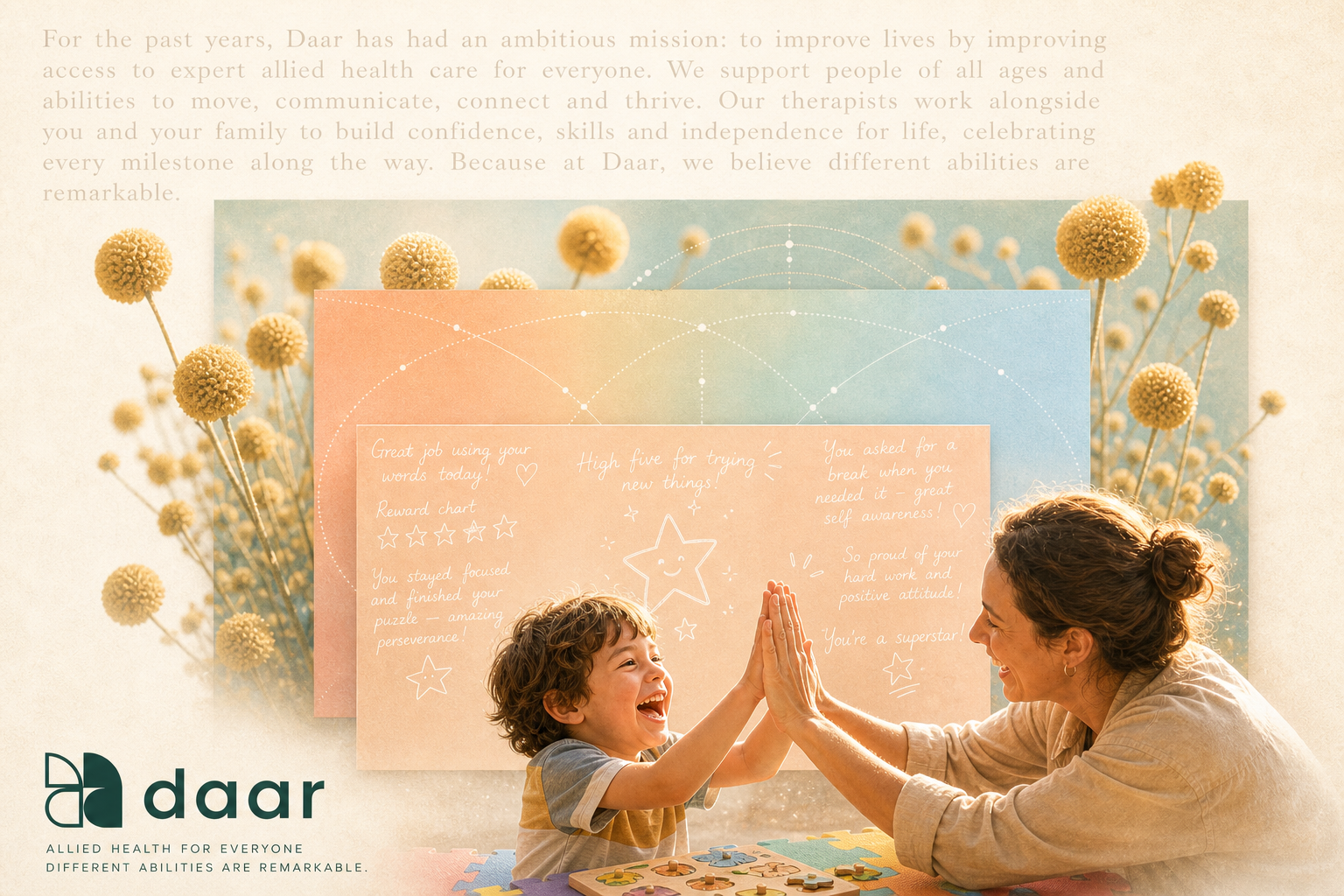
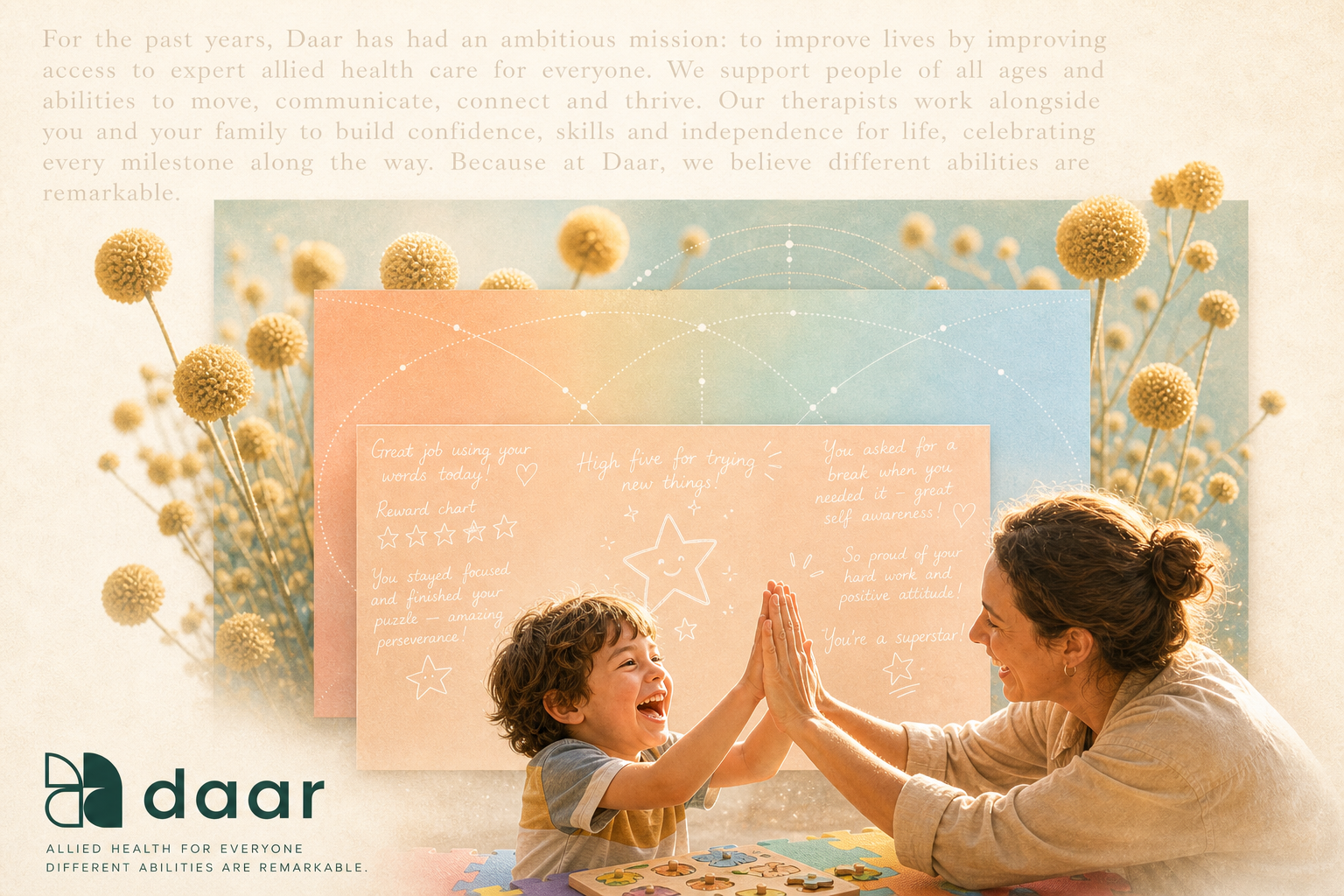
Social reinforcers are often the easiest place to start. They include verbal praise, smiles, clapping, thumbs up, high-fives, and warm attention. These responses cost nothing, happen fast, and help create a supportive environment where children feel seen for positive actions.
For younger children and toddlers, your tone of voice matters as much as your words. A cheerful “You shared your toy” is clearer than a vague “great job.” Positive attention works best when it points to the exact behaviour you want more often.
Try social reinforcers like these:
- “You waited your turn. That was helpful.”
- A smile and clap when your child cleans up
- A high-five after following directions the first time
These simple techniques fit daily routines and can build strong social skills over time.
Tangible Rewards: Stickers, Tokens, and Prizes
Tangible rewards are physical items children earn after showing a target behaviour. They can be useful when your child is learning a new routine or needs extra motivation. Stickers, tokens, and small prizes are common examples of positive reinforcement for young children.
The key is to keep the reward tied to clear good choices. Immediate rewards are especially helpful because children make the connection quickly. A sticker after cleanup or a token for sitting through a lesson can make the goal feel real and reachable.
Useful options include:
- Stickers for specific tasks like putting toys away
- Tokens that can be traded for a small prize later
- Low-cost items such as pencils, bouncy balls, or erasers
Use these tools with care so the focus stays on progress, not constant buying.
Activity-Based Rewards and Special Privileges
Some children care less about prizes and more about what they get to do. That is where activity-based rewards can help. Positive reinforcement can include a favorite activity, extra play, or special privileges earned after a child shows positive behaviours.
These rewards often feel meaningful because they connect with your child’s real interests. They can also build quality time with you. Letting a child choose a book, pick music during art, or help with a special job can turn progress into something enjoyable.
You might offer:
- Extra time for drawing, games, or outdoor play
- Choosing the family story before bed
- A helper role or another small privilege
These options can feel personal, motivating, and easy to use without creating new clutter at home.
A Beginner’s Guide to Using Positive Reinforcement at Home
Starting at home does not need to be complicated. The best positive reinforcement strategies are usually small, clear, and easy to repeat. You notice a helpful action, respond right away, and keep your message simple. That steady pattern supports behaviour management without adding stress to your day.
It also helps create a positive learning environment where your child’s learning happens through daily routines. Brushing teeth, getting dressed, sharing, and using polite words all become chances to teach. Before you begin, it helps to know what tools you need and what goals to set.
What Parents Need to Get Started
You do not need a complex system to begin. Start with clear expectations, a calm mindset, and one or two behaviours you want to encourage. Positive reinforcement works best when your child knows what success looks like and when your response is immediate.
A supportive environment matters too. Your parenting method should fit your child’s age and developmental stage. What motivates toddlers may not work for older children. Younger children often respond to clapping, praise, and stickers, while older children may prefer privileges or responsibilities.
To get started, focus on:
- One routine, such as cleanup or listening the first time
- A clear reward your child actually likes
- Simple words that describe the behaviour
This structure helps children learn to regulate their own behaviour because it makes expectations easier to understand and repeat.
Setting Goals for Your Child’s Behaviour
The best goals are small and specific. Instead of picking broad ideas like “be good,” choose specific behaviours your child can actually show. Good choices such as saying “please,” putting toys away, or waiting their turn are easier to teach and easier to reward.
This matters for behaviour management because children need clear targets. When the desired behaviour is observable, you can respond right away. That makes positive reinforcement more effective and avoids confusion.
Here is a simple way to set goals at home:
|
Behaviour Goal |
What to Reward |
|---|---|
|
Says “please” when asking |
Immediate praise or a sticker |
|
Puts books away after reading |
High-five or token |
|
Follows bedtime direction the first time |
Extra story choice |
|
Waits turn during play |
Verbal praise and positive attention |
These goals are practical, age-friendly, and easy to track.
Step-by-Step Guide to Applying Positive Reinforcement
Once you have a goal, the next step is using positive reinforcement techniques in a consistent way. A simple plan helps you notice positive actions, choose a fitting reward, and respond fast enough for your child to connect the reward with the behaviour.
If a new behaviour is not improving yet, do not give up too quickly. Sometimes the target is too broad, the reward is not motivating, or the response comes too late. The steps below can help you build a system that is clear, realistic, and easier to adjust.
Step 1: Identify Behaviours to Encourage
Begin by choosing one or two specific behaviours to encourage. Keep them observable and simple. “Hang up your backpack” works better than “be responsible.” When children know the exact goal, they have a better chance of repeating it.
This is especially useful if your child shows challenging behaviour. Rather than focusing only on what needs to stop, look for the positive behaviours you want instead. You are teaching the opposite of the struggle. That shift can lower tension and make progress easier to notice.
Good starting points include:
- Following a direction the first time
- Cleaning up after play
- Using calm words instead of yelling
These targets support self-control because they give children a clear path toward better choices, not just warnings about mistakes.
Step 2: Choose Effective Rewards and Reinforcers
A reward only works if your child actually wants it. That is why positive reinforcement should match the child, not just the behaviour. Some children care most about social reinforcers. Others respond better to tangible rewards or a favorite activity.
Think about what makes your child light up. A sticker may work for one child, while another would rather pick the bedtime book or be the family helper. The goal is not to make rewards big. It is to make them meaningful and easy to deliver right away.
Common reinforcers include:
- Verbal praise, smiles, and high-fives
- Stickers, tokens, or small prizes
- Extra time with a favorite activity or special privilege
When rewards fit the child’s level and interests, they are much more likely to support lasting change.
Step 3: Give Immediate and Consistent Feedback
Timing matters. Young children learn fastest when immediate rewards and positive feedback follow the desired behaviour right away. If you wait too long, the lesson gets blurry. A quick response helps your child connect the action with the outcome.
Consistency matters just as much. When a child is learning a new skill, praise and rewards should happen often at first. That does not mean every action needs a prize forever. It means early repetition helps the behaviour become more familiar and reliable.
For best results:
- Respond within moments when possible
- Name the behaviour you noticed
- Repeat the pattern often while the skill is new
Many parents ask how often to use positive reinforcement. In the beginning, use it every time you can for the target behaviour. You can scale back later.
Step 4: Track Progress and Adjust Strategies
Positive reinforcement works better when you watch for patterns. Progress tracking does not need to be formal. You can use a sticker chart, a punch card, or a simple note on your phone. The point is to see whether the behaviour is happening more often.
If it is not working, look at the basics first. Is the goal too broad? Is the reward delayed? Does your child care about the reward? In challenging situations, small changes can make a big difference without starting over completely.
Check these areas:
- Make the target behaviour more specific
- Use a reward your child truly values
- Give feedback faster and more consistently
This kind of behaviour management helps you stay flexible. Instead of assuming the method failed, you adjust the system to fit your child better.
Tips for Making Positive Reinforcement Successful
Positive reinforcement is most helpful when it feels steady, clear, and genuine. Children build good habits faster when they understand what earned the reward and when they can trust that your response will be consistent. Over time, this can also support a growth mindset by showing that effort and progress matter.
At the same time, parents can run into preventable mistakes. Rewards may come too late, goals may be too vague, or adults may mix bribery with reinforcement. The next sections cover how often to use it, what to avoid, and how others can support the same plan.
How Often to Use Positive Reinforcement for Best Results
When a behaviour is new, use positive reinforcement often. Children learn best through repetition, especially when immediate rewards follow the action. If your child is just starting to follow a routine, frequent support helps the habit take hold faster.
As the behaviour becomes stronger, you can slowly reduce how often you use rewards. Social responses like “good job,” smiles, or specific praise can continue even when tangible rewards happen less often. This keeps the behaviour supported without making every success depend on a prize.
A helpful pattern is:
- Reinforce every success when teaching a new habit
- Keep consistent feedback clear and specific
- Gradually move from prizes to praise and privileges
This gradual shift can help positive behaviours last while keeping motivation strong and realistic.
Avoiding Common Mistakes Parents Make
Many parents' attempts fail not because positive reinforcement is weak, but because the system is unclear. One common mistake is being inconsistent. If a reward only appears once in a while, children may not connect it to the behaviour. Another issue is waiting too long to respond.
It also helps to avoid turning rewards into bribes. Offering something before or during bad behaviour just to stop the moment is different from rewarding a positive choice after it happens. That short-term fix can confuse children and weaken the lesson.
Watch out for these mistakes:
- Rewarding too late
- Using vague praise without naming the action
- Choosing rewards the child does not care about
When behaviour problems continue, tighten the plan before switching to harsher negative strategies.
Involving Other Caregivers and Teachers
Children do better when the adults around them use a consistent approach. If caregivers, grandparents, babysitters, and teachers all respond to the same target behaviours in similar ways, the message becomes clearer. This can strengthen routines at home and in school.
Teachers can use positive reinforcement in the classroom with praise, stickers, tokens, written notes, and privileges like choosing a class job. These methods can support social skills, participation, and cooperation. At home, you can mirror that system by using similar words and goals.
Helpful steps include:
- Share the exact behaviour being reinforced
- Agree on a few common rewards or praise phrases
- Update each other on progress and challenges
This teamwork makes it easier for children to practice good choices across different settings.
Conclusion
In conclusion, positive reinforcement is a powerful tool that can transform your child's behaviour in meaningful ways. By understanding the principles of positive reinforcement and implementing them consistently, you can foster an environment where children feel encouraged and motivated. Utilising praise, tangible rewards, and activity-based incentives can lead to significant improvements in their self-esteem and overall behaviour. Remember, patience and consistency are key as you navigate this journey.
If you're eager to learn more about effective techniques for positive reinforcement, get in touch with us for a consultation or call daar at 02 9133 2500.
Frequently Asked Questions
What are some effective methods of positive reinforcement that can be used with children?
Effective positive reinforcement methods include specific praise, smiles, high-fives, sticker charts, tokens, small tangible rewards, and extra quality time. These tools work best when they follow positive behaviours right away and clearly show your child which action earned the reward.
How can positive reinforcement impact a child's self-esteem and motivation?
Positive reinforcement can strengthen self-esteem by helping children feel noticed for effort and progress. Hearing “good job” for a clear action can increase motivation, support a growth mindset, and encourage children to keep trying, even when a task feels new or challenging.
Are there specific behaviours that are best suited for positive reinforcement techniques?
Yes. Positive reinforcement works best with specific behaviours that are easy to see and reward, such as sharing, cleaning up, following directions, or using polite words. It is especially helpful when teaching a desired behaviour or strengthening a new behaviour in children’s behaviour routines.
.svg)




.svg)