
.png?width=48&height=48&name=Group%201%20(3).png)























7 April, 2026

Behaviour Therapy and First Steps: A Beginner's Overview

Key Highlights
- Your child's first behaviour therapy session is a key step toward supporting their mental health and building essential skills.
- The first session focuses on building a positive relationship between your child and the therapist.
- Early intervention is crucial, as it capitalizes on a key developmental period in a child's brain.
- ABA therapy uses proven techniques like positive reinforcement to teach new skills and reduce challenging behaviours.
- Parents play a vital role in the therapy process, from preparing for the first session to reinforcing learning at home.
- Understanding what to expect can ease anxiety and set the stage for tracking your child’s progress.
Introduction
Starting behaviour therapy for your child can feel like a big step, especially when you're new to the world of mental health support. Knowing what to expect during the first appointment can help ease any uncertainty and create a positive foundation. The initial session is more than just an introduction; it’s a crucial opportunity to share your concerns, understand your child's needs, and start a personalized plan to help them navigate life’s challenges. This first step in early intervention is a vital part of the journey toward meaningful and lasting progress.
Understanding Behaviour Therapy for Beginners
Behavior therapy is a structured approach that helps children improve social skills, emotional regulation, and daily living abilities, including support from autism daar. It teaches practical strategies to manage developmental challenges and strengthen mental health, aiming to equip children with essential life skills.
This therapy isn’t about “fixing” your child but empowering them with tools to understand their feelings and behaviors. By fostering positive change, therapists help children build confidence and improve their everyday lives by interacting more effectively with others. Let’s explore how behavior therapy works and why early intervention matters.
What Is Behaviour Therapy and How Does It Work?
Behavior therapy, including cognitive behavioral therapy, helps change unhealthy behaviors. Applied Behavior Analysis (ABA) is a proven, effective method led by certified providers. It improves communication, reduces challenging behaviors, and builds essential skills, starting with a personalized assessment.
Therapists tailor plans to each child’s goals, using engaging ABA techniques and sometimes age-appropriate elements from cognitive behavior therapy (CBT). The focus is on making learning positive and motivating while providing practical resources for both therapists and families. Consistent sessions help children develop helpful behaviors and build trust with their therapist.
The Importance of Early Intervention and Positive Reinforcement
Early intervention offers support as soon as a developmental delay or behavioral concern is identified. Because a child’s brain is most adaptable in the early years, this is a crucial time for therapy at a young age. Starting early helps build social and communication skills that can significantly affect long-term development.
A core technique is positive reinforcement—rewarding desired behaviors to encourage repetition. Therapists might give praise or a favorite toy after a task, making learning more engaging and motivating.
The main goals of early intervention behavior therapy are to build functional skills, remove learning barriers, and empower families. Early support gives children and caregivers practical strategies, unlocking potential and laying the foundation for future success.
Preparing for Your Child’s First Behaviour Therapy Session
Getting ready for your child’s first session can make a world of difference for both of you. A little preparation helps you feel more confident and ensures the initial consultation is as productive as possible. This is your chance to gather necessary paperwork and think about the latest updates and the goals you have for your child.
When you're prepared, the focus of the first ABA therapy session can be on what truly matters: your child. You can go into the therapy session feeling ready to collaborate with the therapist, helping to create a positive and supportive experience from the very beginning. Here are some tips on how you can support your child and what to expect. In the first few weeks, signs that behaviour therapy is working may include your child showing increased engagement during sessions, following simple instructions more consistently, or displaying small but noticeable improvements in communication or social interaction. Positive changes, even if gradual, often suggest that your child is responding well to behaviour therapy.
How Parents Can Support Their Child Before the Appointment
Preparing your child for their first behavioral therapy appointment begins with open, positive communication. Explain that they’ll meet someone from a supportive team who will help them learn new skills and play fun games. Present the experience as supportive—not a punishment or a way to "fix" problems—to set a reassuring tone.
Your attitude matters. When you show support and teamwork, your child is more likely to feel comfortable. To prepare:
- Explain that the therapist is a trusted adult there to help.
- Discuss learning new skills for making friends or handling big feelings.
- Reassure them that therapy conversations are private.
- Encourage questions and answer honestly.
This approach builds strong communication habits from the start. During the appointment, ask questions like, “What type of therapy will you use?” and “How can we support our child at home?” Working together ensures your child gets the best support.
What to Bring and Expect at the Initial Meeting
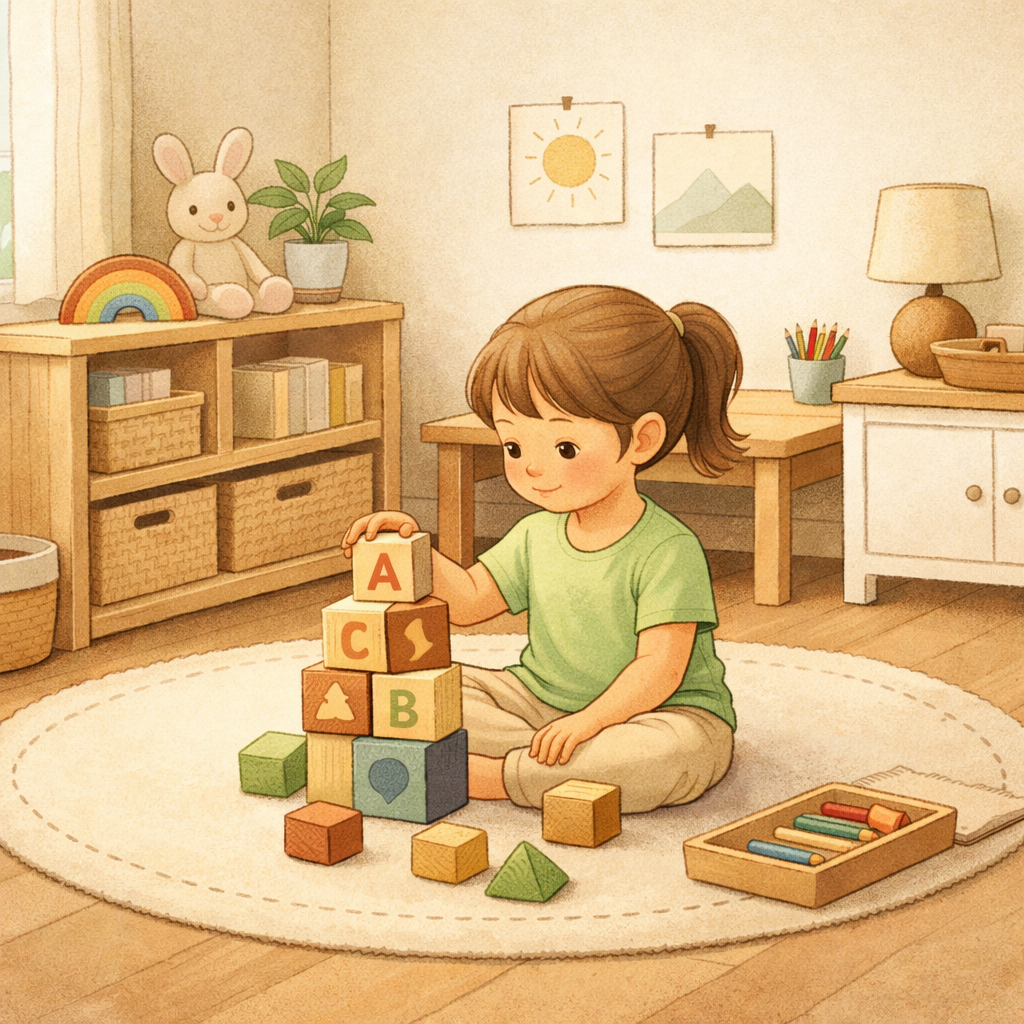
During the first behavior therapy session for children, the main goals are gathering information and building rapport. The therapist will assess your child's strengths, challenges, and developmental history, considering your child’s age by discussing daily routines and behaviors with you. This collaborative conversation helps outline the first steps of therapy.
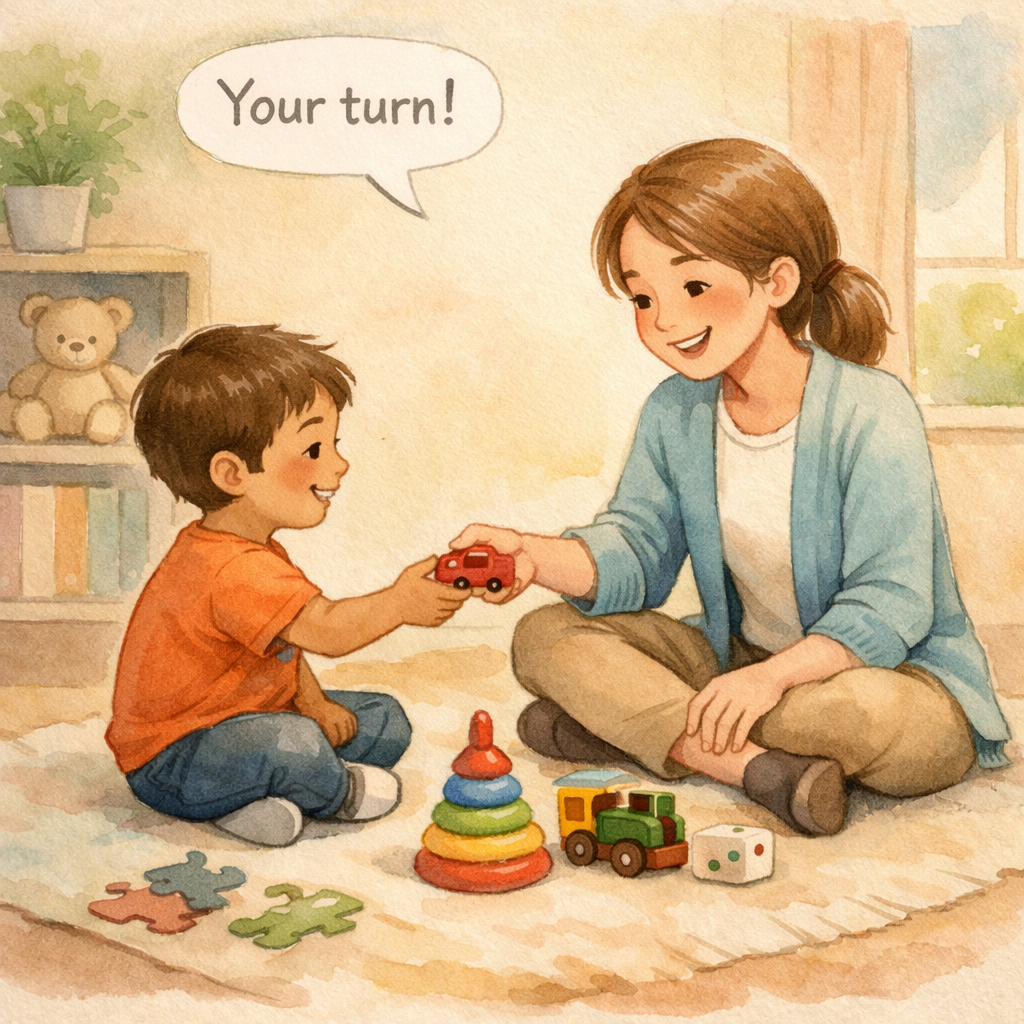
The therapist may observe or interact with your child, often through play, to understand their communication style and social skills, including making eye contact. These observations help set initial treatment goals and create a personalized plan.
To streamline the process, bring relevant documents for the initial assessment:
|
Document/Information |
Why It’s Helpful |
|---|---|
|
ID and Insurance Details |
Needed for administrative purposes and confirming service eligibility. |
|
Reports from Other Providers |
Offers a comprehensive view of your child’s needs. |
|
List of Concerns and Goals |
Helps clarify your priorities for therapy. |
|
Information on Child’s Routines |
Aids in planning effective interventions tailored to your child. |
Conclusion
In conclusion, understanding behavior therapy is key for parents supporting their children early on. Being informed helps you create a positive environment that encourages growth and healing. Early intervention and important information about positive reinforcement can greatly impact your child’s progress. Embrace this opportunity to learn together and foster a supportive atmosphere.
If you have questions or need help, reach out for a consultation or call daar at 02 9133 2500 —your involvement makes a meaningful difference!
Frequently Asked Questions
What happens during the first behaviour therapy session?
During the first therapy session, the ABA therapist or mental health professional focuses on getting to know you and your child and recognizing negative thought patterns. They will gather information about your child’s history and behaviours, begin building a trusting relationship, and discuss the therapy process. This initial meeting is essential for creating a personalized behavioural therapy plan.
What are common techniques used in early sessions?
In an early ABA therapy session, therapists often use play-based learning and positive reinforcement to build rapport and teach new skills. Depending on the child's needs, they may also introduce some basic ABA techniques along with basic CBT principles to address behavioural challenges. The techniques are always tailored to the child's specific goals and developmental stage.
How do therapists set expectations with parents?
Therapists set expectations through open communication during the initial sessions. They discuss the therapy process, the duration of therapy, what parents can expect from sessions, and how progress will be measured. They collaborate with parents to set realistic treatment goals that are aligned with the child’s individual needs and the family’s priorities.
.svg)




.svg)