
.png?width=48&height=48&name=Group%201%20(3).png)























12 January, 2026

Discover Paediatric Speech Therapy Liverpool for Your Child
Introduction
Watching your child grow and learn is an incredible journey. A key part of that journey is developing strong communication skills. Sometimes, children need a little extra support in this area. If you're in Liverpool and concerned about your child’s language development, paediatric speech pathology can make a significant difference. It provides the tools and guidance to help your child express themselves clearly and confidently, setting them up for a bright future.
Key Highlights
-
Paediatric speech therapy offers personalized support for children facing speech, language, or feeding challenges.
-
Early intervention is crucial and can lead to more successful outcomes in a child's overall development.
-
Therapy sessions are designed to be engaging and fun, often using play-based activities to build skills.
-
A qualified speech pathologist conducts an initial assessment to create individualized therapy plans tailored to your child’s unique needs.
-
The benefits of speech therapy include improved communication skills, boosted confidence, better academic performance, and enhanced social skills.
Understanding Paediatric Speech Therapy
Navigating the world of paediatric speech therapy services can feel overwhelming, but it's a supportive resource designed to help your child thrive. This specialized therapy focuses on helping children overcome a wide range of communication challenges compassionately and effectively.
The importance of early intervention cannot be overstated. Addressing speech and language issues early on provides your child with the best opportunity to develop essential skills, which can positively impact their social, emotional, and academic life. Let’s explore what this therapy involves and how it can benefit your child.
What Is Paediatric Speech Therapy?
Paediatric speech therapy helps children improve communication skills. Provided by a trained speech-language pathologist, this therapy assesses, diagnoses, and treats various speech and language issues in children of all ages.
Therapy addresses challenges like speech delays, stuttering, sound pronunciation problems, language comprehension issues, sentence formation difficulties, and even feeding or swallowing concerns. The therapist works one-on-one with your child in a supportive setting to build these skills.
By overcoming speech disorders, children learn to express their thoughts and needs more clearly. Improved communication boosts confidence, reduces frustration, and helps them participate more fully at home, school, and with friends.
How Does Paediatric Speech Therapy Benefit Children in Liverpool?
Speech therapy offers a personalized approach tailored to your child's specific needs. Therapists create targeted plans to address unique challenges, ensuring each session drives meaningful progress in communication.
Benefits go beyond speech. As children communicate more clearly, their confidence and self-esteem grow, leading to better social interactions and friendships. Stronger language skills also boost academic performance by supporting reading, writing, and following instructions.
Consider therapy if your child gets frustrated when trying to communicate, struggles to understand others, or misses age-appropriate language milestones. Early support can greatly improve your child's independence, confidence, and overall quality of life.
Evaluation Process with a Paediatric Speech Pathologist
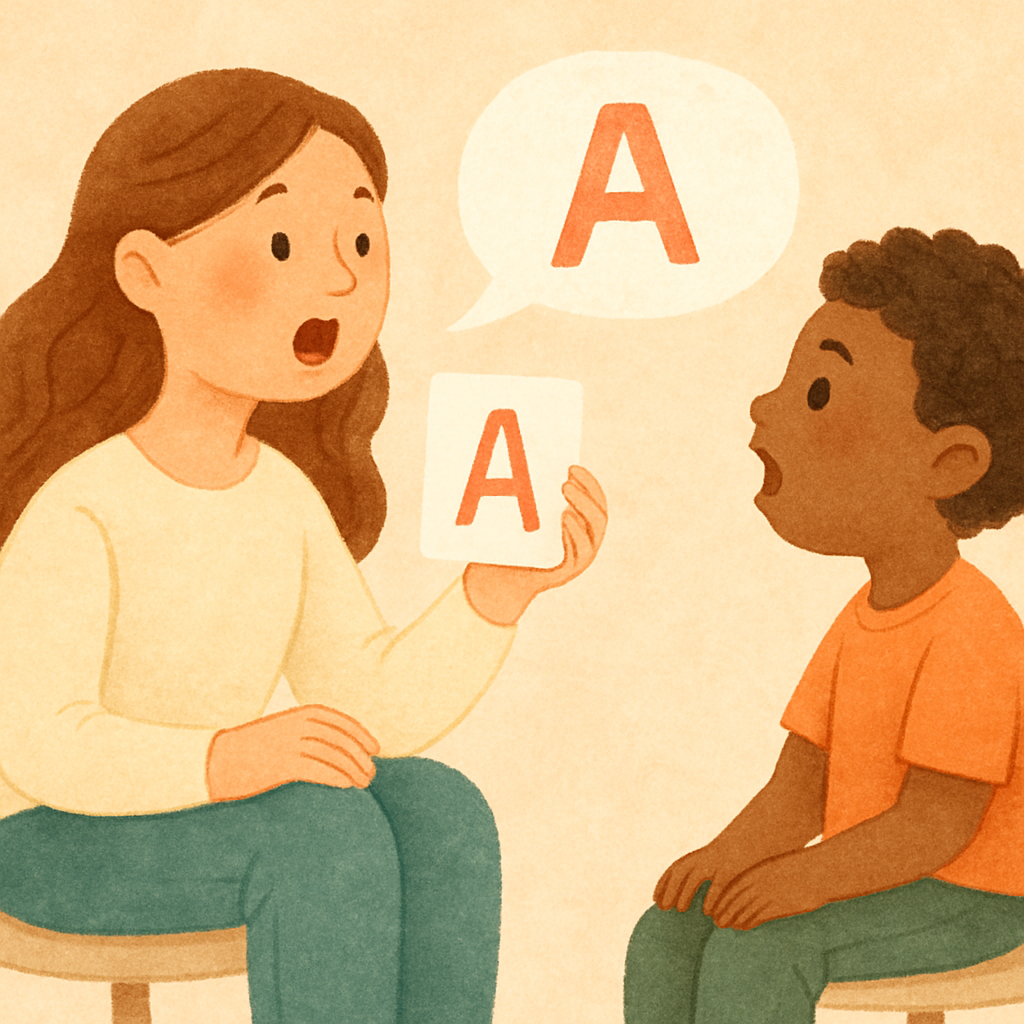
Your journey with paediatric speech therapy begins with a thorough evaluation. A dedicated speech pathologist will meet with you and your child to gain a clear understanding of their current communication abilities and any challenges they may be facing.
This initial assessment is a crucial first step. It allows the therapist to examine all aspects of your child’s development, from their speech sounds to their language comprehension. The information gathered during this evaluation helps the pathologist create a targeted and effective therapy plan, which we will look at next.
Initial Assessment and Diagnostic Methods
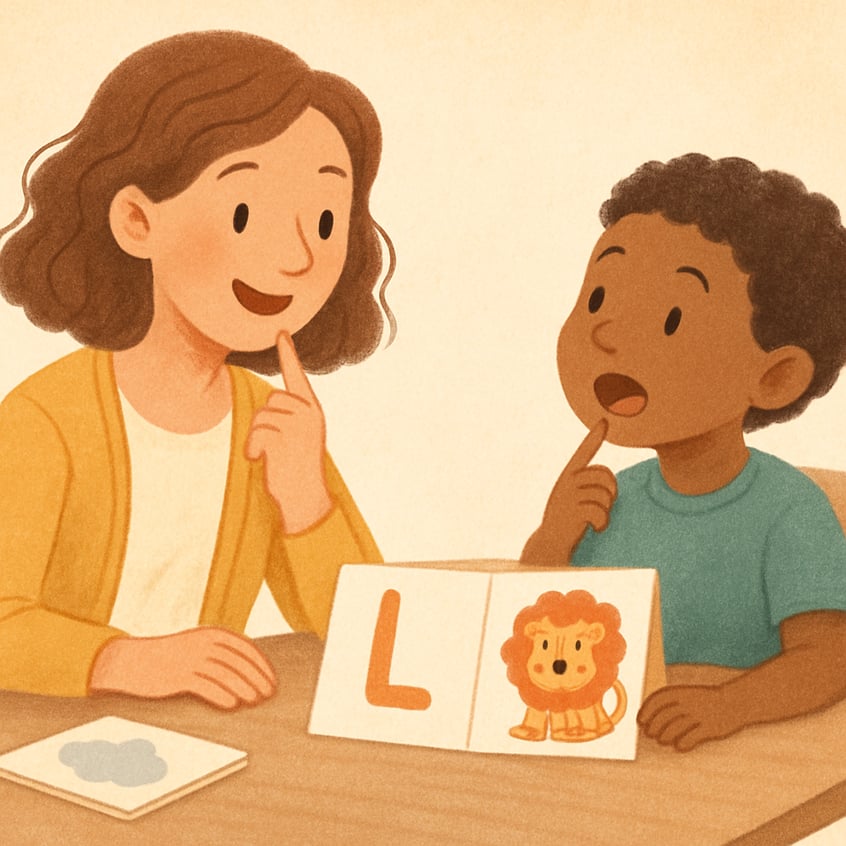
During the initial assessment, a speech-language pathologist uses various methods to evaluate your child’s skills. This may involve interacting with your child through play, using pictures and books to assess language, and conducting age-appropriate activities. The pathologist will also talk with you to learn about your child's speech development history and any concerns you have.
Parents can look for several signs that may indicate speech or language delays. It is important to remember that children develop at different paces, but certain milestones can serve as a general guide. These can include challenges related to hearing loss or other developmental delays.
|
Age |
Signs to Look For |
|---|---|
|
12–18 months |
Not babbling or using gestures like pointing or waving. |
|
2 years |
Using fewer than 50 words; not combining two words. |
|
3 years |
Speech is difficult for others to understand; trouble forming sentences. |
|
4–5 years |
Stuttering; difficulty understanding stories or following instructions. |
This comprehensive evaluation helps the therapist identify specific areas of need, from pronunciation issues to difficulties with understanding language. The findings from this assessment are then used to create a truly personalized therapy plan for your child.
Setting Individualized Therapy Goals
After the assessment, the speech therapist works with you to create a personalized therapy plan tailored to your child’s needs and your family’s priorities. Goals are set to be meaningful and measurable.
Therapy addresses issues such as articulation disorders, stuttering, voice problems, language comprehension or expression difficulties, and social communication challenges.
By customizing each session, the therapist ensures focused support and steady progress, helping your child build confidence in their communication skills.
Inside a Typical Paediatric Speech Therapy Session
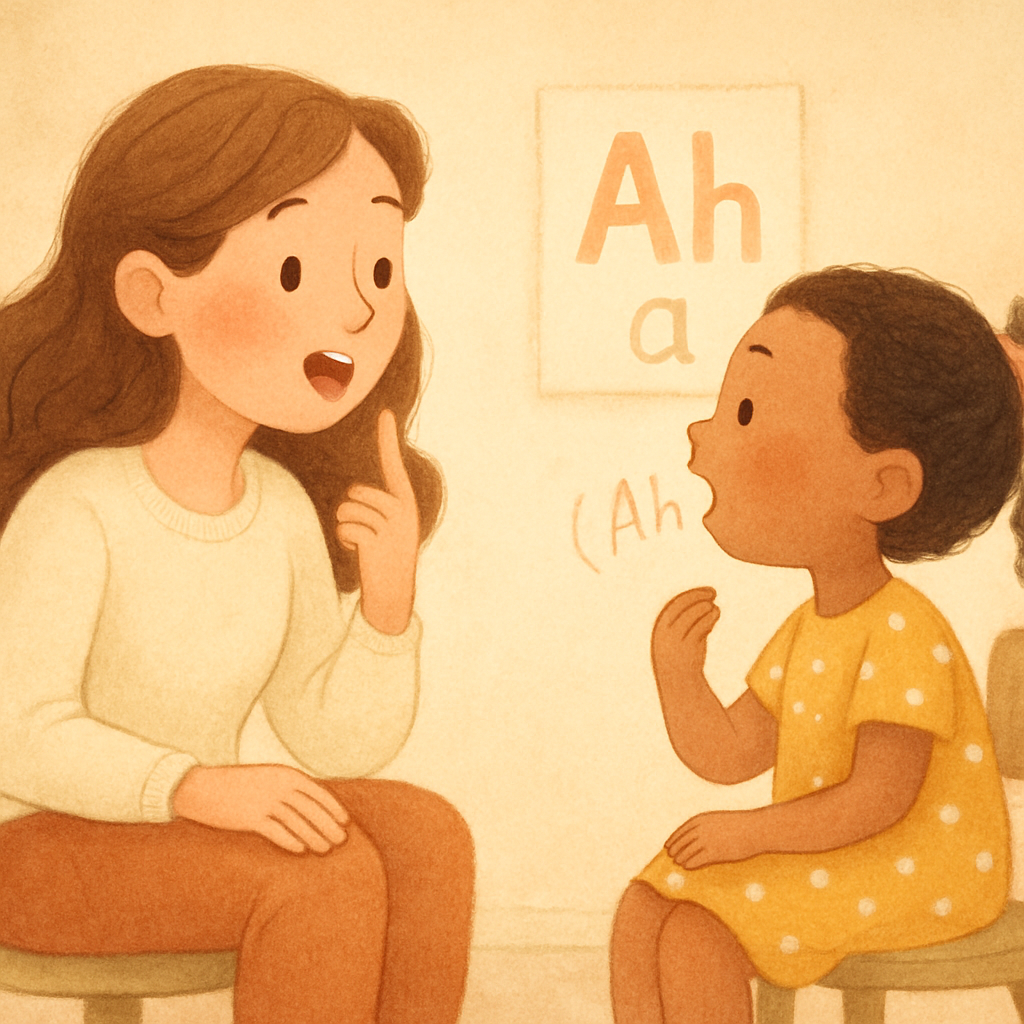
You might be wondering what actually happens during therapy sessions. Far from being clinical or dull, paediatric speech therapy is designed to be a fun, engaging, and comfortable space for children to practice and improve their language skills.
Therapists create a positive atmosphere where learning feels like play. They often work as part of a multidisciplinary team, collaborating with professionals like occupational therapists to provide holistic support for your child's development. Now, let’s look at the types of activities you can expect.
Play-Based and Interactive Therapy Activities
A cornerstone of modern children's speech therapy is a play-based therapy approach. Therapists understand that children learn best when they are having fun, so sessions are filled with interactive games and activities. This method allows your child to work on their communication goals in a way that feels natural and motivating.
During a typical session, the therapist might use various tools and activities to target specific skills. These activities are carefully chosen to align with your child’s interests and therapy goals, making each session both productive and enjoyable. Some examples include:
-
Using books and pictures to stimulate vocabulary and receptive language.
-
Playing games that encourage correct sound production and sentence formation.
-
Engaging in role-playing to practice social communication and turn-taking.
-
Using toys and creative play to build a wide range of social skills.
Through these structured yet playful interactions, children develop critical language and communication abilities. This approach not only makes therapy effective but also helps build your child's confidence and love for learning.
Frequency and Duration of Therapy Sessions
The frequency of therapy sessions is determined based on your child's needs, as identified during the initial assessment. For many children, attending sessions once a week provides consistent support and allows for steady progress. However, your speech therapist may recommend more or fewer visits depending on the specific goals.
The total duration of therapy varies for every child. Some young children with mild delays may only need therapy for a few months to catch up. Others with more complex challenges, such as apraxia of speech or a significant language disorder, may benefit from longer-term support that could last for a year or more.
Ultimately, the therapy plan is flexible. The speech therapist will continuously monitor your child's progress and adjust the frequency and duration of therapy as needed. The goal is always to provide the right amount of support to help your child achieve their communication goals effectively.
Conclusion
In conclusion, paediatric speech therapy in Liverpool offers essential support for children facing communication challenges. With tailored assessments and engaging, play-based sessions, speech pathologists work closely with families to foster developmental growth. The benefits extend beyond just improved speech; they enhance social skills and boost confidence. Parents play a crucial role in this journey, providing encouragement and support outside of sessions. By understanding the value of this therapy and actively participating in the process, you can help your child flourish in their communication abilities.
If you're considering this important step for your child's development, reach out today for a consultation or call daar at 02 9133 2500 to learn more about how we can help.
Frequently Asked Questions
Can speech therapy be done at home or is clinic attendance needed?
While most therapy sessions are held in a clinic to utilize specialized resources, home intervention is a key part of success. Your therapist will provide activities for you to practice at home to reinforce communication skills between visits. In some cases, a therapist may recommend a visit to your child’s school or childcare center.
How can parents help support their child’s progress outside of sessions?
Parental involvement is crucial for faster results. You can support your child’s progress by integrating practice into everyday situations, completing activities provided by the therapist, and maintaining open communication about progress between therapy sessions. This collaboration helps reinforce your child’s communication abilities and supports their overall language development.
What qualifications should parents look for in a paediatric speech therapist?
You should look for a paediatric speech therapist who is a university-trained healthcare provider with qualifications in speech pathology. Also known as a speech-language pathologist, this professional should have experience working with children and be able to address your child’s specific needs in a supportive and knowledgeable manner.
.svg)




.svg)