
.png?width=48&height=48&name=Group%201%20(3).png)























27 April, 2026

Online Behaviour Therapy for Kids: A Parent’s Guide
Key Highlights
- Online behaviour therapy offers accessible mental health support for children right from your home. There are free online behaviour therapy programs available in Australia, making mental health resources more accessible for families seeking support. This form of online therapy effectively uses cognitive behavioural therapy to address challenges like anxiety and difficult behaviours.
- This form of online therapy effectively uses cognitive behavioural therapy to address challenges like anxiety and difficult behaviours.
- Therapy sessions are designed to be flexible, easily fitting into busy family schedules.
- It provides a comfortable and familiar environment for your child, which can improve engagement.
- Online sessions empower parents with practical skills to support their child's progress.
- This approach helps children develop crucial coping mechanisms for better long-term mental health.
Introduction
In today's digital world, finding the right support for your child's mental health is more important than ever. Online therapy has emerged as a powerful and convenient solution for families. If your child is facing behavioural or emotional challenges, virtual therapy sessions can provide expert help directly in your home. This guide will walk you through what online behaviour therapy is, how it works for kids, and how you can get started on a path toward a brighter future for your child.
Understanding Online Behaviour Therapy for Kids
Online behaviour therapy combines established techniques, like cognitive behavioural therapy, with the convenience of digital platforms. It is designed to help children understand and change their thoughts, feelings, and actions positively. Qualified therapists lead these sessions, providing personalized mental health support that fits your child's specific needs.
This approach often involves parents in the process, which can strengthen your family bond and equip you with the tools to handle challenges together. Because therapy happens in a familiar setting, children may feel more comfortable and open, making it easier for them to learn new coping skills.
What Is Online Behaviour Therapy?
Online behaviour therapy is psychotherapy delivered via the internet through video calls, email, or other digital platforms. Instead of traveling to an office, your child can connect with a licensed therapist from home, making mental health care more accessible.
This therapy often uses proven methods, focusing on identifying and changing unhelpful thoughts and behaviours. For example, therapists help children recognize negative thinking and replace it with positive patterns to improve their feelings and actions.
Sessions are practical and solution-focused, helping kids develop skills to manage current challenges. The goal is to empower children with tools they can use in everyday life.
How Does Online Behaviour Therapy Work for Children?
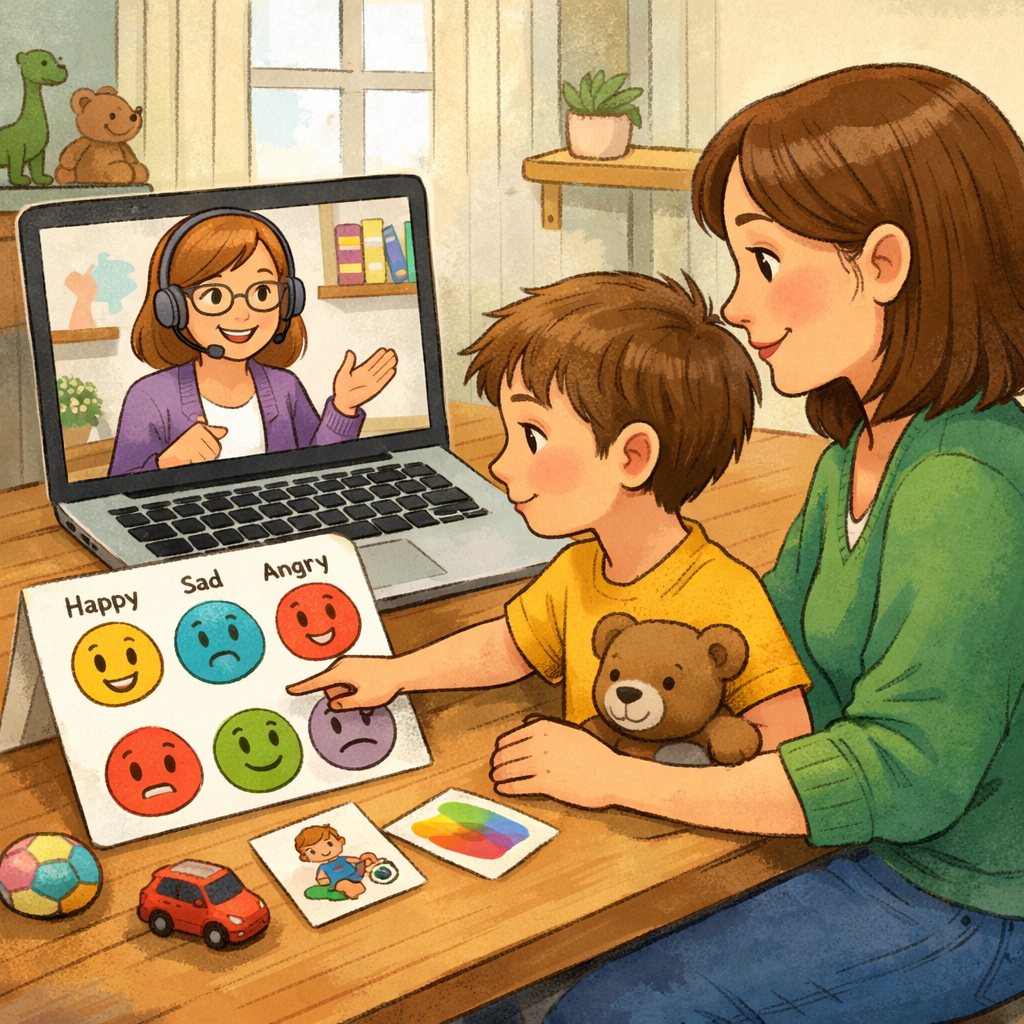
Children can benefit from online behavioural therapy, which is designed to be engaging and effective for young minds. Therapists use interactive tools like digital games, emotion cards, and screen-sharing exercises to make sessions fun and relatable.
Parental involvement is key. Therapists coach parents to reinforce new skills at home, making you an active partner in your child's progress. This collaboration helps ensure lasting benefits beyond therapy sessions.
Comparing Online and In-Person Behaviour Therapy
When considering mental health services for your child, you might wonder about the differences between online and traditional therapy. While both aim to provide effective support, the delivery method creates some distinctions. Traditional, in-person therapy happens in a clinical office setting, whereas online therapy brings the session to you.
This shift to a virtual format can influence everything from scheduling to comfort levels. Understanding these differences and similarities can help you decide which type of therapy is the best fit for your family’s needs and lifestyle. Let's explore how these two approaches stack up against each other.
Key Differences and Similarities
Both online and traditional therapy share the same fundamental goal: to improve mental well-being using evidence-based techniques. In both settings, a qualified therapist works with your child to achieve specific goals. The core principles of building a trusting therapeutic relationship and applying proven strategies remain constant regardless of the type of therapy.
The primary difference lies in the environment and logistics. Traditional therapy requires travel to an office setting, while online therapy uses a digital therapy platform to connect you from home. This impacts convenience, accessibility, and even the therapeutic dynamic, as the therapist can sometimes observe behaviours in the child's natural environment.
Here is a simple breakdown of how they compare:
|
Feature |
Online Therapy |
Traditional Therapy |
|---|---|---|
|
Location |
From anywhere with an internet connection, like home. |
A physical office setting. |
|
Scheduling |
Highly flexible with more options, including evenings. |
Fixed appointments during business hours. |
|
Comfort |
Sessions are held in a familiar, private environment. |
The environment is clinical and less familiar. |
|
Accessibility |
Excellent for remote areas or families with mobility issues. |
Can be limited by geography and travel constraints. |
Finding the Right Online Behaviour Therapy Provider in Australia
Choosing the right provider is a crucial step in starting your child’s mental health treatment journey. You want to find qualified therapists who are not only experienced in their field but also skilled at connecting with children in an online setting. The quality of mental health care your child receives depends heavily on the expertise and approach of the therapist.
In Australia, there are many options available, so it's important to know what to look for. Taking the time to research and select a reputable provider ensures your child gets the best possible support. Let's look at how to choose a therapist and verify their credentials.
How to Choose a Qualified Therapist for Your Child
When looking for mental health support for your child, finding a qualified and licensed therapist is the top priority. Reputable online platforms make it easy to browse profiles of mental health professionals, so you can find someone who specializes in the challenges your child is facing, such as anxiety or behavioural issues.
During your search, look for a therapist whose approach resonates with you and your child. Many providers offer an initial consultation, which is a great opportunity to ask questions and see if their style is a good fit. A good therapeutic relationship is built on trust and comfort, so it's important that both you and your child feel understood and respected during online sessions.
Here are a few things to consider when choosing a provider:
- Specialization: Does the therapist have experience working with children and specific issues like anxiety or autism?
- Approach: Do they use evidence-based methods that are suited for kids?
- Reviews: What have other families said about their experience with the therapist?
- Connection: During the initial consultation, do you and your child feel a connection with the therapist?
Checking Therapist Credentials and Program Accreditation
Verifying a therapist’s credentials is essential for ensuring your child receives quality care. Reputable providers are transparent about their qualifications—look for a licensed or registered psychologist in Australia, which means registration with the Australian Health Practitioner Regulation Agency (AHPRA).
Also, check if the therapy program has accreditation or follows professional standards. While accreditation is common for institutions, reputable online platforms often adhere to guidelines from bodies like the Australian Psychological Society, ensuring ethical and professional practice.
When vetting a provider, check:
- Licensing: Therapist is licensed to practice in Australia.
- Qualifications: Degrees in psychology or related fields from recognized universities.
- Professional Memberships: Membership in organizations like the Australian Psychological Society.
- Health Insurance: Approval for rebates through Medicare or your private insurance.
Getting Started: What Parents Should Expect
Taking the first step toward getting help for your child can feel daunting, but online platforms make the process straightforward. It usually begins with an initial consultation where you can discuss your concerns and goals. This meeting is an opportunity to understand how the online platform works and what you can expect from therapy.
This initial phase is all about gathering information and ensuring the service is the right fit for your family. From preparing for the first session to setting up your home environment, knowing what to expect can help ease any anxieties and set your child up for a positive experience.
Preparing for the First Session
The first session is primarily about getting to know each other. The therapist will meet with you and your child to discuss your child's history, current mental health challenges, and what you hope to achieve through therapy. It's a collaborative conversation designed to gather the information needed to create an effective treatment plan.
Expect the therapist to ask a lot of questions. This is to build a complete picture of your child's needs. It's also your chance to ask questions about the therapist's approach and the therapy process. Being open and honest during this first meeting will help lay the foundation for a trusting and productive therapeutic relationship.
To make the most of your first session, you can:
- Talk to your child beforehand about what to expect in a simple, positive way.
- Jot down any key concerns or questions you want to discuss.
- Think about your goals for your child's personal growth.
- Ensure you have a quiet, private space ready for the appointment.
Setting Up Technology and a Child-Friendly Therapy Environment
A smooth online therapy session starts with the right setup. You don't need fancy equipment, but a few basics are essential. A reliable internet connection and a device with a working camera and microphone—like a computer, tablet, or smartphone—are must-haves for video calls. Test your technology beforehand to avoid technical issues that could disrupt the session.
Creating a child-friendly environment is just as important. Choose a quiet, private space where your child feels safe and won't be distracted. This helps them focus and engage with the therapist. Having some of their favorite comfort items, like a blanket or a stuffed animal, can also help them feel more relaxed.
Here are some tips for setting up your space:
- Choose a room with good lighting and minimal background noise.
- Use headphones to improve audio quality and reduce distractions.
- Ensure the space is private to maintain confidentiality.
- Keep drinks, tissues, and any needed materials within reach.
- Log into the digital platform a few minutes early to troubleshoot any issues.
Benefits of Online Behaviour Therapy for Families
Online behaviour therapy offers a host of benefits that can make a real difference for families. The ability to access care from the comfort of home removes many common barriers to treatment. This is especially helpful for families with busy schedules or those living in remote areas where specialized services may be scarce.
This modern approach to therapy not only makes getting help easier but also creates a unique setting for growth. When therapy happens in a child's own environment, it can lead to more effective and lasting change. Let's explore the key advantages in more detail.
Access, Convenience, and Flexibility
One of the greatest advantages of online therapy is its unmatched convenience. For families juggling busy schedules, finding time for in-person appointments can be a major hurdle. Online sessions eliminate travel time and waiting rooms, allowing you to fit mental health support seamlessly into your day. This flexibility means fewer disruptions to school, work, and family life.
This accessibility extends to families in rural or underserved areas who may not have local access to specialized child therapists. With online therapy, your geographical location no longer determines your access to quality care. You can connect with top therapists from anywhere in Australia, ensuring your child gets the best possible support.
The benefits of this model include:
- Easy Scheduling: More appointment times are often available, including evenings and weekends.
- No Travel: Saves time and money on transportation and parking.
- Consistency: It's easier to keep regular appointments, even if you're traveling or have a mildly ill child.
- Wider Choice: Access to a broader range of therapists and specialists.
Supporting Children in Their Own Home Setting
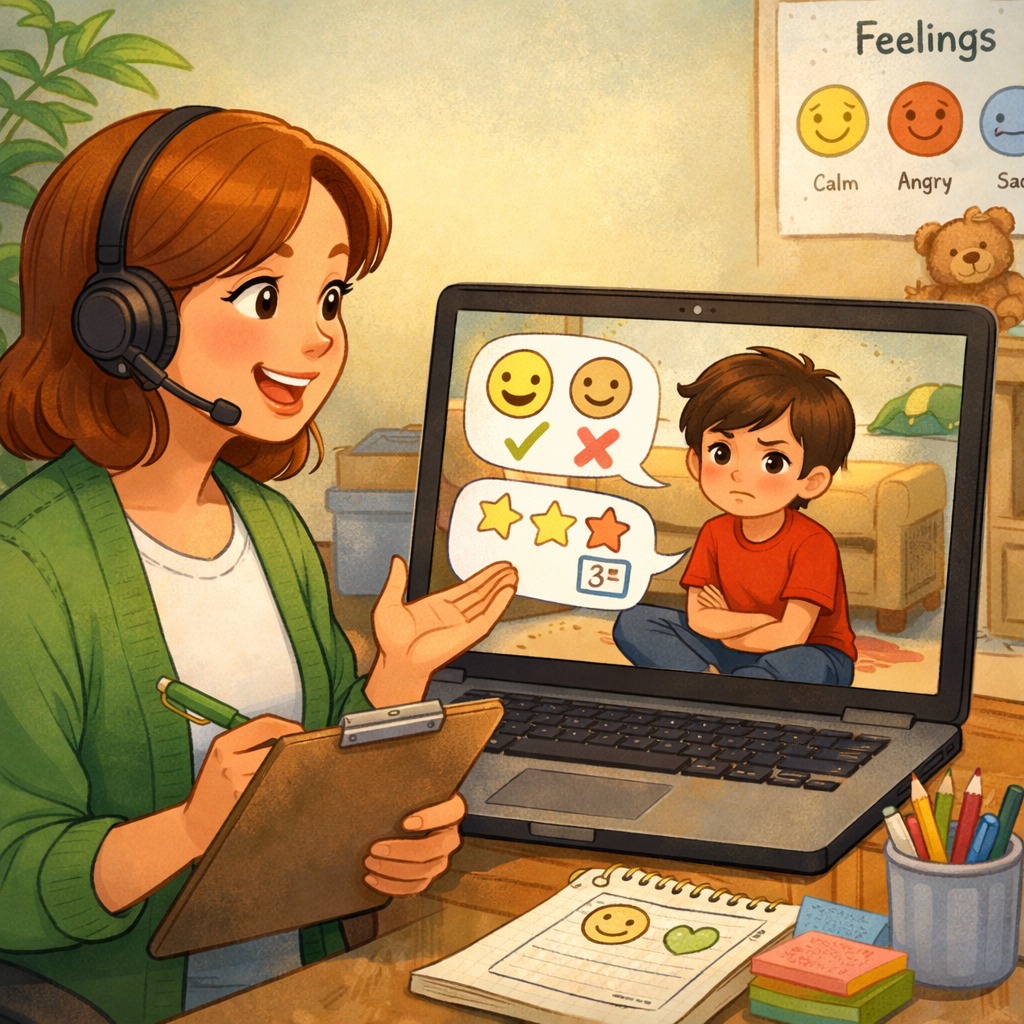
Conducting therapy sessions at home can be highly beneficial for children. A familiar, comfortable environment helps them feel safe, making it easier to open up and engage with their therapist. When relaxed, children are more likely to participate fully and build a strong rapport.
For therapists, seeing children in their natural setting provides valuable insights into behaviours and interactions that might not emerge in an office. This allows for more personalized care tailored to your home situation.
Benefits of home-based therapy include:
- Reduces Anxiety: Familiar surroundings ease stress.
- Encourages Participation: Kids are more willing to join activities and discussions.
- Real-World Application: Parents can immediately apply new skills where they’re needed most.
- Family Involvement: Parents and siblings can easily take part in the process.
Conclusion
Online behaviour therapy offers a transformative option for children and families. With accessible, flexible, and child-friendly sessions at home, it bridges traditional therapy and modern technology while empowering parents to engage in their child’s mental health. The right therapist can make all the difference in your child’s growth.
If you’re ready to take the next step, consider a consultation or call daar at 02 9133 2500 to learn how online therapy can support your child’s well-being.
Frequently Asked Questions
Can young children benefit from online behaviour therapy?
Yes, young children can benefit greatly from online behaviour therapy. Therapists use engaging, age-appropriate activities and involve parents heavily in the therapy sessions. This collaborative approach to mental health support helps children learn to manage negative thoughts and behaviours effectively, even at a young age, through tailored online CBT techniques.
What technology do we need at home for online sessions?
For online therapy sessions, you'll need a reliable internet connection and a device like a computer, tablet, or smartphone with a camera and microphone. It's also important to find a quiet, private space to avoid disruptions. Testing your setup on the online platform before the first session can help prevent technical issues.
Is online behaviour therapy safe and private for kids?
Absolutely. Reputable mental health professionals use a secure, encrypted therapy platform to protect your privacy. Conducting sessions in a private space at home further ensures confidentiality. These measures are in place to create a safe environment where your child can comfortably discuss their mental health concerns with their therapist.
.svg)




.svg)