
.png?width=48&height=48&name=Group%201%20(3).png)























27 April, 2026

NDIS Behaviour Therapy for Children: A Comprehensive Guide
Key Highlights
- NDIS behaviour therapy for children focuses on understanding why a behaviour occurs and teaching new skills to improve well-being.
- The National Disability Insurance Scheme (NDIS) provides funding for these services, often under "Improved Relationships."
- A key component is the creation of a behaviour support plan, which outlines strategies for families and support networks.
- Positive Behaviour Support (PBS) is a proactive approach used to enhance a child's quality of life and reduce concerning behaviours.
- Therapy helps improve a child's social skills, emotional regulation, and overall child development.
- Families are actively involved, learning strategies to support their child's progress in daily life.
Introduction
Navigating your child's development can be challenging, especially when they face behavioural hurdles. As a parent, you want to see your child happy and confident. If you've noticed difficulties with social interactions or emotional regulation, know that you are not alone, and help is available through social skills groups. Behaviour therapy has evolved to focus on understanding the 'why' behind actions and providing children with the tools they need to thrive. This guide will explore how compassionate approaches like behaviour support can make a lasting difference for your family.
Understanding NDIS Behaviour Therapy for Children in Australia
For Australian families, the National Disability Insurance Scheme (NDIS) is a crucial resource for accessing specialized early intervention support. If your child has a disability that significantly impacts their daily life, they may be eligible for NDIS behaviour support. This funding is designed for participants who show behaviours of concern that might limit their independence.
This support connects you with qualified professionals who can create tailored strategies to help your child. By understanding how behavior therapy and speech therapy work within the NDIS framework, you can get the right support to improve your child's well-being and quality of life.
What Is Behaviour Therapy and How Does It Work?
Behavior therapy is a structured approach that helps children build new skills and reduce challenging behaviors. Modern therapy emphasizes reinforcement and skill-building over discipline. For children with developmental delays, behavior therapy, often in conjunction with speech therapists, provides a safe way to express feelings and cope with an overwhelming world.
Therapy starts with an assessment to understand the reasons behind difficult behaviors. A practitioner then develops a support plan with your family, offering practical strategies for carers and support workers.
The aim is to eliminate triggers and teach positive alternatives, leading to better communication, stronger relationships, and greater independence for your child.
Overview of the National Disability Insurance Scheme (NDIS)
The National Disability Insurance Scheme (NDIS) is an Australian government initiative that funds support for people with behavioural challenges, as well as a permanent and significant disability. The NDIS gives individuals more choice and control over how their funded supports are provided, with funding based on each person's specific needs and goals in their NDIS plan.
To access NDIS funding for services like behavior therapy and occupational therapy, you must first meet the eligibility criteria. The scheme is designed for individuals who require support to live an ordinary life and participate in the community.
The first step is to check if you or your child may be eligible for supports that can improve overall well-being and mental health. Here are the main requirements:
|
Eligibility Criteria |
Description |
|---|---|
|
Age |
You must be under 65 years old when you first apply. |
|
Residency |
You must live in Australia and be an Australian citizen or permanent resident. |
|
Disability |
You must have a permanent disability or require early intervention. |
If you meet these conditions, you can contact the NDIS to start your application process.
Steps to Access NDIS Behaviour Therapy for Kids
Accessing NDIS behaviour support for your child involves a few key steps that can significantly enhance your family’s life. Once you have an approved NDIS plan, you can begin searching for therapy services. Behaviour therapy is typically funded under the 'Improved Relationships' or 'Capacity Building' categories in your plan. It's important to find a registered provider with qualified behaviour support practitioners.
These practitioners are trained to conduct assessments, develop support plans, and work with your family to implement strategies. The goal is to connect you with the right team that can provide personalized support to foster independence and enhance your child's well-being.
Navigating the NDIS Application Process
The NDIS application process may seem overwhelming for many NDIS participants, but it’s a clear path to getting your child the support they need. Start by confirming your child’s eligibility based on age, residency, and disability criteria. If eligible, complete an Access Request Form available on the NDIS website.
Gather all relevant documentation about your child’s disability and behavioral challenges, including reports from doctors, specialists, or therapists, to help NDIS assess their needs and determine appropriate funding for their NDIS goals.
To begin:
- Contact NDIS at 1800 800 110.
- Complete an Access Request Form online.
- Collect supporting reports about your child’s needs.
- Consider your child’s goals and what supports will help achieve them.
This preparation ensures your NDIS plan accurately reflects your child’s needs for services like behavior therapy.
Creating a Behaviour Support Plan through NDIS
A behavior support plan is a written document created by a practitioner with you, your child, and your support network that incorporates essential communication skills. Its main goal is to address challenging behaviors using evidence-based strategies that improve your child's well-being.
The plan provides practical advice for carers and support workers to help your child during difficult moments, similar to daar’s workshops. It also helps your child build new skills to reduce challenging behaviors, leading to better communication and stronger relationships.
The process includes a thorough assessment to understand the behavior's purpose. The practitioner then develops a personalized plan with proactive strategies, ensuring everyone works together to support your child and promote independence while reducing the use of restrictive practices.
Types of Behaviour Interventions Used in Children’s Therapy
Children's therapy services use various evidence-based behaviour interventions to foster positive change from a young age. These techniques are tailored to a child's unique needs and focus on building skills while reducing challenging behaviours. Common approaches are designed to be proactive and supportive, rather than reactive and punitive.
Some of the most widely recognized interventions include Positive Behaviour Support (PBS) and Applied Behaviour Analysis (ABA). These methods help therapists and families understand the reasons behind a child's actions, particularly the behaviour of concern, and develop strategies to teach new, more effective ways of communicating and interacting with the world.
Positive Behaviour Support (PBS) Explained
Positive Behavior Support (PBS) is a person-centered approach focused on improving quality of life and encouraging positive behavior. It recognizes that all behavior has a purpose and seeks to understand the reasons behind a child’s actions, developing strategies to address their underlying needs. PBS is proactive, emphasizing teaching new skills and adjusting the environment to create a supportive environment for better support.
A PBS plan is individualized, built around a child’s strengths and preferences. Key elements include:
- Identifying the reasons for challenging behaviors
- Teaching alternative, positive practical skills
- Modifying the environment for greater support
- Using positive reinforcement
This collaborative approach creates a consistent, supportive system for your child.
Applied Behaviour Analysis (ABA) and Other Approaches
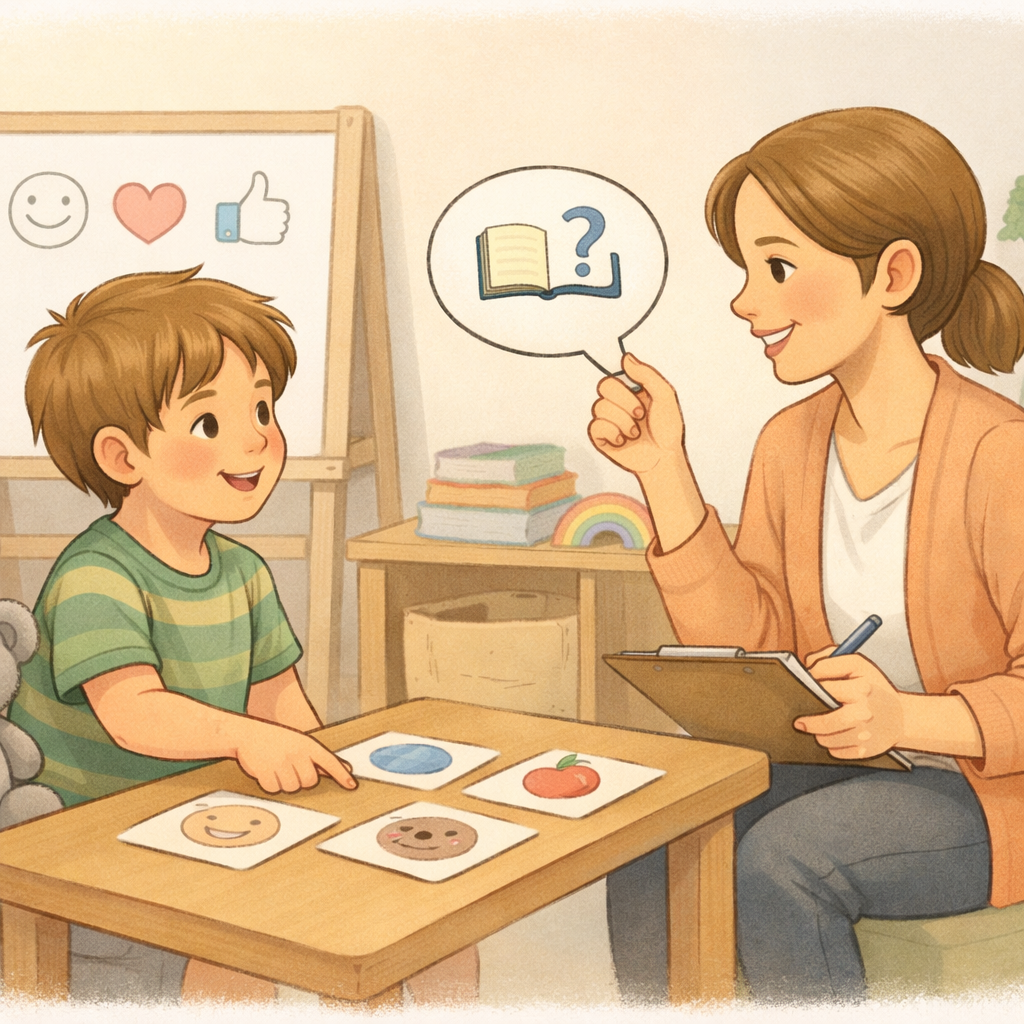
Applied Behavior Analysis (ABA) is a structured therapy that improves specific skills and reduces challenging behaviors. Using proven techniques, ABA strengthens communication, social skills, and daily living activities—especially for children with autism—by breaking complex tasks into manageable steps, often in collaboration with speech pathologists.
Therapy sessions focus on skill-building through positive reinforcement, as every child’s behaviour tells a story. When a child shows a desired behavior, they receive a reward, encouraging repetition of that action. This approach helps children learn new skills and apply them in various situations.
Alongside ABA, therapists may use other methods, like play-based interventions, to help children manage emotions, build social connections, and develop coping strategies. Additionally, daar’s programs can be integrated to provide even more personalized support. The best approach is always tailored to your child’s unique needs and goals.
Conclusion
In conclusion, NDIS Behaviour Therapy for children plays a pivotal role in supporting their development and well-being. By understanding the intricacies of behaviour therapy and navigating the NDIS process, parents can access vital resources, including behaviour support services that foster positive change in their child’s life. Utilizing methods like Positive Behaviour Support and Applied Behaviour Analysis ensures a tailored approach that addresses individual needs effectively. As you embark on this journey, remember that you are not alone; there are many qualified providers ready to assist you.
If you're seeking guidance on how to get started, don’t hesitate to reach out for a consultation or call at 02 9133 2500 with our experts today.
Frequently Asked Questions
Can NDIS-funded behaviour therapy be accessed in regional areas of Australia?
Yes, NDIS funding for behaviour therapy is available through Autism daar across Australia, including regional areas. Many providers offer services in person or via telehealth to ensure families outside of major cities can access quality behaviour support. Check with providers to see if they service your local area or offer remote options through your NDIS plan.
What should a positive behaviour support plan include for children under NDIS?
A positive behaviour support plan should be a comprehensive document outlining proactive strategies. It should identify triggers for behaviour, teach replacement skills, and upskill caregivers with guidance for families on how to respond consistently. The plan focuses on skill development, environmental changes, and positive reinforcement to improve quality of life.
How do I find a qualified NDIS behaviour therapy provider for my child?
To find a qualified provider, start by searching the NDIS Provider Finder portal for registered behaviour support practitioners in your area. Look for providers who use evidence-based practices like PBS and involve families in the process. It's important to find the right therapist who builds a good rapport with your child.
.svg)




.svg)