
.png?width=48&height=48&name=Group%201%20(3).png)























1 April, 2026

Essential Tips for Effective Screen Time Management

Key Highlights
- Setting clear screen time limits for your digital devices is crucial for maintaining a healthy lifestyle.
- Excessive screen time, especially on social media, can negatively impact your mental health, leading to stress and poor sleep.
- Recognizing signs like eye strain and irritability can help you identify when you're spending too much time online.
- Developing healthy habits, such as scheduling screen-free zones and times, promotes better digital wellbeing.
- Balancing online activities with offline hobbies and real-world interactions is key to a fulfilling life.
Introduction
In today's digital world, screens are a major part of our daily lives, from work to socializing and relaxation. While digital devices offer immense value, it's easy to lose track of how much time we spend on them. Achieving a healthy balance between our online and offline worlds is essential for our digital wellbeing. This guide will provide you with essential tips to manage your screen time effectively, helping you foster a healthier relationship with technology and improve your overall quality of life.
Understanding Screen Time and Its Impact on Digital Wellbeing
The amount of time we spend on our screens, from scrolling through social media to binge-watching shows, directly affects our digital wellbeing. While technology connects us and provides entertainment,excessive screen time can take a toll on our mental health. It can lead to feelings of stress, anxiety, and even depression, making it harder to focus on work, school, and personal relationships.
Understanding the quality of your screen use is just as important as the quantity. Some online activities are productive, while others can be detrimental. Let's explore what screen time really means and how an imbalance can affect you.
What is Screen Time and Why Does Screen Time Balance Matter?
Screen time is any time spent on digital devices like smartphones, tablets, computers, or TVs. Not all screen use is equal—some activities are productive, while others are for entertainment. Focus on content that adds value to your life.
Balancing screen time is important,portant so you don’t neglect physical activity, social interaction, or hobbies. When online and offline activities align, you feel more satisfied and in control.
To manage screen time, set daily limits for recreational use and stick to them. Use device features to track usage and schedule screen-free times, especially during meals and before bed, to build healthy habits.
The Effects of Excessive Screen Time on Mental Well-being
Spending too much time online negatively affects mental health. Activities like doomscrolling increase sadness, stress, and anxiety, reducing enjoyment and harming well-being.
Social media apps trigger dopamine releases, encouraging more use and creating a cycle of craving online engagement over real-life interactions.
Excessive screen time also causes physical issues such as eye strain and poor sleep. Blue light disrupts melatonin production, making rest difficult.
|
Impact Area |
Effect of Excessive Screen Time |
|---|---|
|
Brain Chemistry & Mood |
Dopamine rewards drive addiction to online activity. |
|
Body Image |
Exposure to idealized images lowers self-esteem and creates unrealistic standards. |
|
Worldview |
Doomscrolling distorts reality and increases stress. |
|
Physical Health |
Leads to headaches, eye strain, poor sleep, and sedentary habits. |
Signs You Might Be Spending Too Much Time on Screens
It can be easy for the amount of time you spend on your screen to sneak up on you. If you feel a constant urge to refresh your apps or find yourself mindlessly scrolling for hours, you might have unhealthy screen habits. Recognizing that you are spending too much screen time is the first step toward regaining control.
A screen addiction can manifest in both physical and behavioral ways. Pay attention to how your screen use affects your mood, your relationships, and your daily responsibilities. The following sections will detail specific indicators to look out for.
Recognizing Behavioral and Physical Indicators
Wondering if you’re spending too much time on screens? Physical discomfort is a key sign—frequent headaches, eye strain, or trouble sleeping may point to excessive screen use. Blue light disrupts sleep, and prolonged staring strains your eyes.
Behavioral changes are another indicator. If you feel irritable when offline, withdraw from friends, or argue about screen time, your usage may be unbalanced.
Ask yourself:
- Are you neglecting physical activity or hobbies?
- Do you prioritize online over in-person interactions?
- Is your work or school performance slipping?
- Do you constantly talk about a specific app, game, or online activity?
How Screen Time Imbalances Affect Everyday Life

Excessive screen time can disrupt nearly every part of your life, making it harder to manage work, school, and home responsibilities. It often consumes your free time, leaving little room for fulfilling offline activities.
It can also strain relationships. Being absorbed in your device during conversations or meals signals that your phone matters more than those around you, creating distance and reducing the quality of social interactions.
Ultimately, too much screen time harms your mental well-being, leading to stress and disconnection. It’s important to reclaim your time for enriching activities like hobbies, exercise, and meaningful moments with others.
Conclusion
Effective screen time management is key to maintaining mental well-being and quality of life. By recognizing excessive use and adopting balance strategies, you can create healthier digital habits. Focus on making your screen time purposeful, not just limited. Embrace these tips for a more balanced tech routine to feel more focused, productive, and present. For additional support, explore digital wellbeing apps or resources tailored to your needs.
Frequently Asked Questions
How can parents set healthy screen time limits for their children?
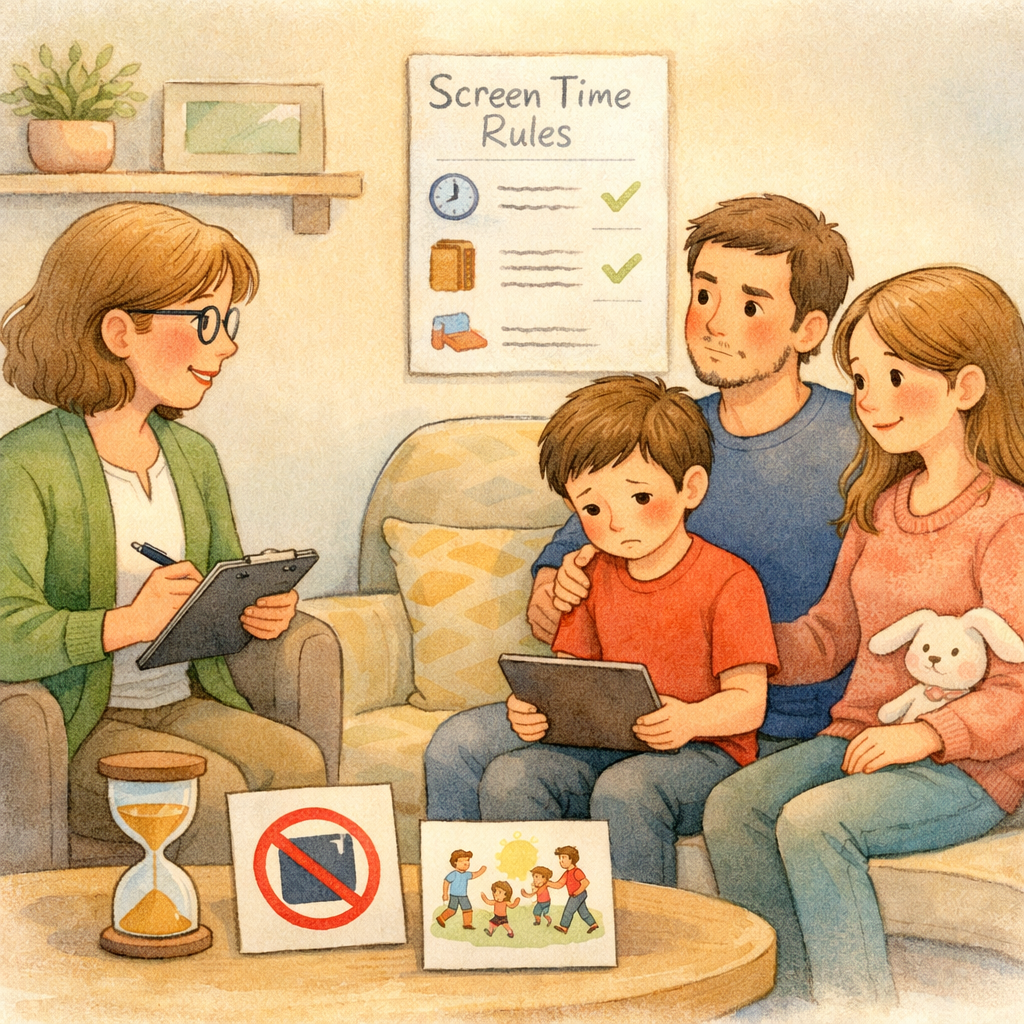
Parents can set healthy screen time limits by using parental controls on digital devices to manage usage. It's also effective to establish screen-free times, such as during meals and before bed, to encourage family time and other healthy habits. Leading by example with your own device use is also impactful.
What features do digital wellbeing apps offer for families?
Digital wellbeing apps offer features that allow you to track screen time for each family member. You can set a time limit on specific apps, schedule device downtime for the whole family, and filter inappropriate content. These tools help everyone in the family build a healthier relationship with their devices.
How can teachers support students in maintaining screen time balance?
Teachers can support young people by integrating discussions about screen time balance into their lessons. They can encourage healthy screen habits by assigning offline activities, promoting digital literacy, and helping students understand the importance of setting realistic limits for their screen use both in and out of the classroom.
.svg)




.svg)