
.png?width=48&height=48&name=Group%201%20(3).png)























21 September, 2026

Tips for Managing Screen Time: Achieve a Healthy Balance
Key Highlights
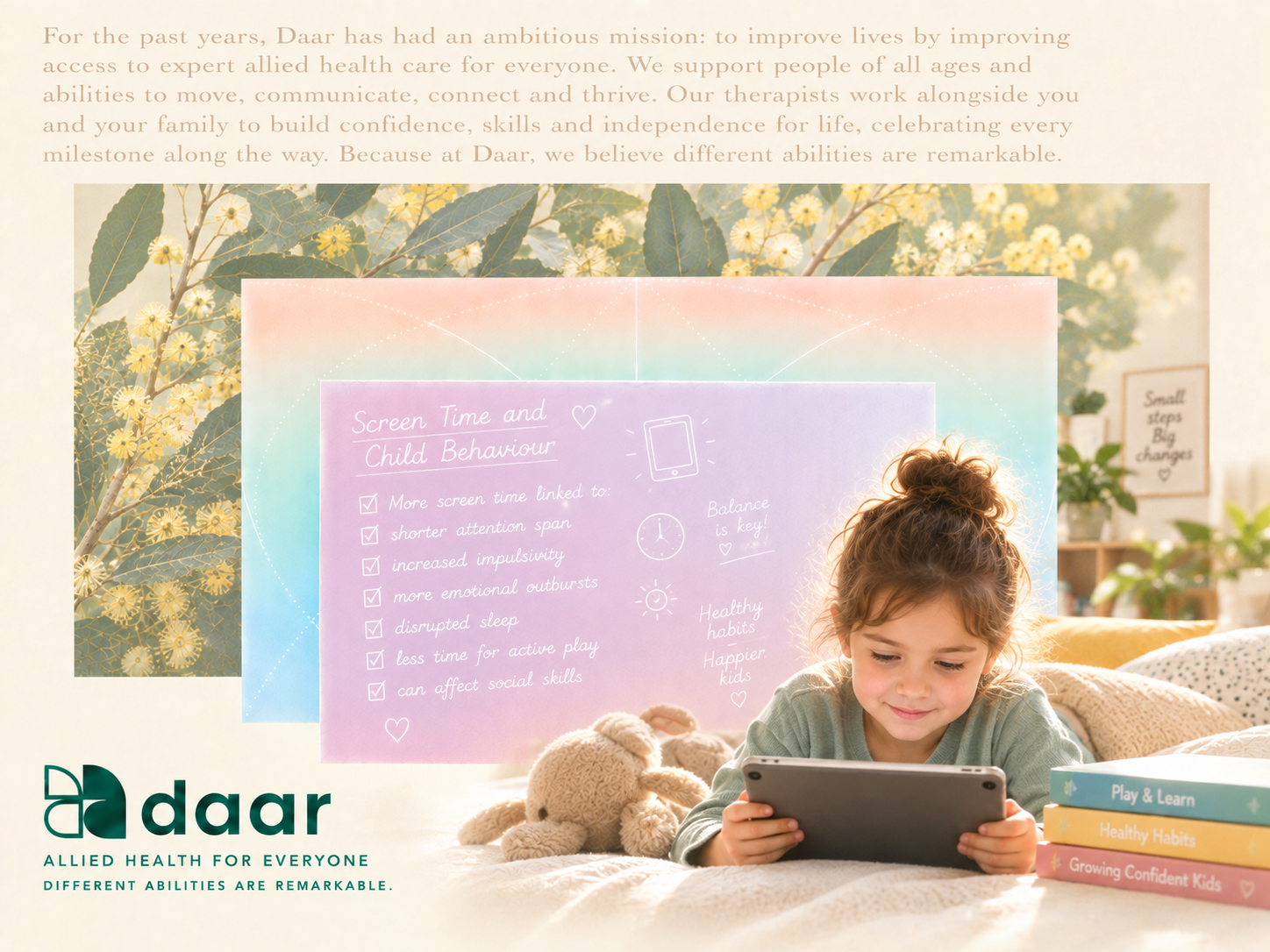
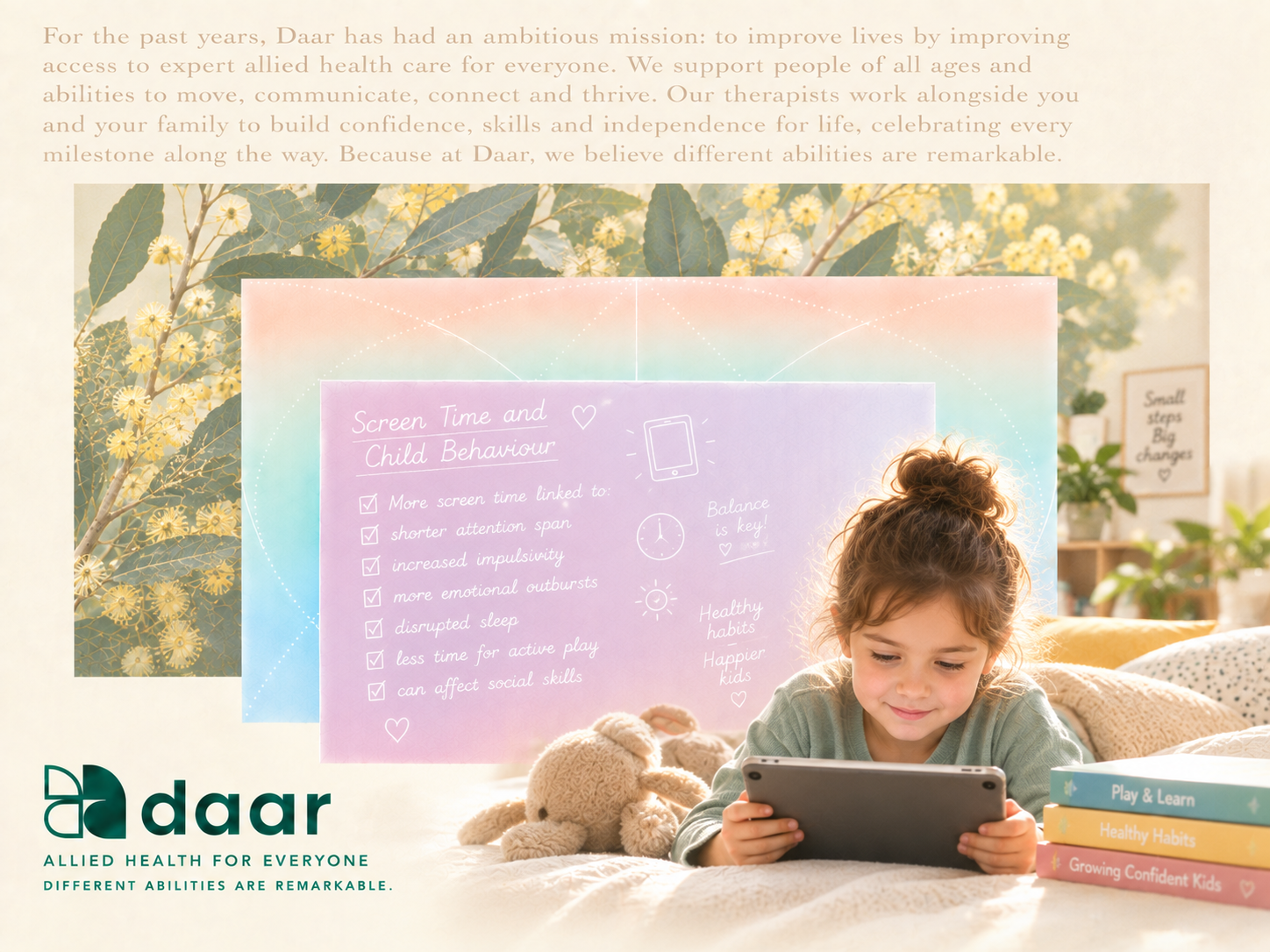
- The link between screen time and emotional regulation is complex. While screens can be used as a safe tool to decompress, over-reliance on them as a "digital pacifier" prevents children and young people from developing their own independent coping skills, which can negatively impact their mental health, especially regarding how much media they engage with on social media.
- The link between screen time and emotional regulation is complex. While screens can be used as a safe tool to decompress, an over-reliance on them as a "digital pacifier" prevents children and young people from developing their own independent coping skills in early childhood, potentially affecting their child’s health. For kids aged 3 to 11, age-appropriate screen time guidelines generally recommend no more than 1 hour per day for preschool children, and consistent limits for older children, ideally 1 to 2 hours per day of high-quality content. It's important for parents to encourage balance between screen use and other activities that support emotional and social development.
- The intense friction between screen time and tantrums often occurs because a child transitions abruptly from a highly stimulating digital world to a low-stimulation physical demand (like sitting at the dinner table).
- True behavioural support involves inserting "sensory stepping stones" between the screen and the next activity, helping the nervous system wind down safely.
- Delivered securely via telehealth, daar’s allied health professionals use the "mediator model" to coach Australian parents on how to implement neuro-affirming screen boundaries in the comfort of their own home.
Introduction
It is a familiar cycle for many parents: your child is feeling overwhelmed, so you offer them a tablet to help them settle for a safe experience. Quiet descends upon the house. But an hour later, when it is time to turn the device off and come to the dinner table, some violent content can trigger an explosive meltdown that tears through the living room. Utilising resources like Common Sense Media can aid in selecting appropriate content.
Screens are completely woven into the fabric of modern Australian family life. Attempting to banish them entirely is often unrealistic and exhausting. However, when digital devices dictate the mood of the household, parents are left feeling helpless. At daar, our allied health professionals know that you do not need a complete digital detox to reclaim peace and achieve better sleep. Let’s explore the delicate balance of screen time and emotional regulation, practical strategies for managing the amount of time spent on screens, including dedicated family time, and how our telehealth clinic can empower you to confidently navigate screen time and tantrums.
The Digital Pacifier: Screen Time and Emotional Regulation
When a neurodivergent child is overstimulated by a long day at school, a tablet can offer rigorous, predictable sensory input that helps them block out the chaotic world and apply cognitive skills in real life, but it's important to manage eye strain due to excessive screen time. In this context, the screen is acting as a regulatory tool.
However, a challenge arises when the screen becomes the only tool. If a child exclusively relies on YouTube or video games to calm down, the critical link between screen time and media use for emotional regulation becomes imbalanced. They lose the opportunity to practice independent, body-based coping skills (like heavy work, deep breathing, or tactile play), which are essential for developing social skills. Our practitioners focus on expanding your child’s regulatory toolkit so that the iPad is just one option on the menu, not the sole lifeline keeping the household afloat.
Creating Stepping Stones: Managing Screen Time
A primary reason children erupt when a device is turned off is the sensory shock of the transition. The brain is going from 100 kilometres per hour (bright lights, fast action, instant rewards) from the screen content to zero (a quiet physical room), where they may not be aware of the risks associated with sharing personal information online, especially due to blue light exposure from screens, which can impact their child’s screen time management.
Effectively managing screen time requires building "sensory stepping stones." Instead of moving directly from the screen to a low-stimulation demand like bedtime, insert a medium-stimulation physical activity in between. Once the electronic devices are turned off, transition directly into a brief, engaging physical game—like building a tower of magnetic blocks, having a quick lounge room dance-off, or pushing a heavy laundry basket down the hall. This allows kids to spend less time on screens and enables the nervous system to safely burn off the residual adrenaline, significantly lowering the chance of an outburst.
Navigating the Crash: Screen Time and Tantrums
Even with the best preparation, digital transitions can fail. If a transition results in a meltdown, the relationship between screen time and tantrums must be managed with extreme care.
When your child is actively throwing a tantrum because the screen is gone, lecturing them about "screen limits" is neurologically useless. Their logical brain is offline. Instead of raising your voice to enforce the rule, lean into somatic (body-based) co-regulation. Keep your voice low, validate the intense disappointment ("I know it is so hard to stop playing"), and hold the boundary firmly but gently. Showing your child that you are a calm, unflappable anchor during their digital crash is vital for their long-term emotional resilience.
Setting Boundaries in Real-Time via Telehealth
The hardest part of implementing digital boundaries for screen use is enforcing them amidst the chaos of your actual living room, usually at the most exhausting part of the day, especially when considering the internet content your child may access. Reading a parenting tip sheet is vastly different from executing it during the 5:00 PM dinner rush.
Because daar operates entirely via telehealth, our clinicians bypass the sterile clinic environment. Using the collaborative "mediator model," we consult securely through your device, observing the authentic dynamics of your home. We can be virtually present during a scheduled screen transition, coaching you live on how to introduce stepping stones, hold the boundary, and co-regulate if a tantrum begins. To ensure you are paired with a specialist who understands exactly how to implement modern digital routines, discover telehealth therapy and find your perfect match with our nationwide network.
Conclusion
You do not have to feel held hostage by the devices in your home. By understanding the sensory impact of digital consumption and proactively implementing parental controls during the transition phase, you can set limits that allow for healthy habits and screen usage while fiercely protecting your family's emotional regulation.
Take back control of your family’s routine with compassionate, neuro-affirming strategies that support your physical health, and ensure that you choose high quality resources. Expert, NDIS-aligned guidance, along with relevant health information, is available anywhere in Australia.
Reach out to explore a consultation or call daar directly at 02 9133 2500 to find your perfect match today.
Frequently Asked Questions
Can I use screens to help my child manage their anger?
Using a screen to temporarily distract an actively angry child can serve as a quick fix in a highly public or unsafe situation, but it is not a sustainable screen time and emotional regulation strategy. Engaging with educational content and traditional activities like board games can act as a band-aid, pausing the emotion without resolving it, allowing for more enjoyable free time and encouraging positive social interactions. Our practitioners will help you develop a broader toolkit of sensory and physical regulation strategies, so you do not have to rely on digital distraction during a crisis.
How do we enforce limits without causing screen time tantrums?
Predictability is the enemy of anxiety. Instead of springing specific times for limits on your child randomly, create clear rules and a highly visible family media plan using visual schedules. If a child knows exactly when screen time happens every day, and precisely what activity comes directly after it (the sensory stepping stone), the anxiety surrounding the transition drops immensely, thereby reducing the negative impacts on your child's health and the frequency of tantrums.
Can we use our NDIS funding to get helpful information to manage screen time and digital media?
Yes. If poor digital boundaries and severe transition meltdowns are severely impacting your child's emotional regulation, family relationships, or daily functioning (like sleep or hygiene), funding under the Capacity Building: Improved Daily Living or Improved Relationships categories, alongside relevant website data, can be accessed. This allows our telehealth professionals to provide targeted parent coaching and environmental restructuring.
.svg)




.svg)