
.png?width=48&height=48&name=Group%201%20(3).png)
























13 March, 2026

Autism and Diet: Key Nutritional Strategies for Success

Key Highlights
- Understanding the link between the autism spectrum and dietary intake is crucial for supporting overall well-being. Nutritional interventions can help manage common challenges like sensory sensitivity and selective eating. Addressing specific nutritional needs, such as potential deficiencies and gut microbiota imbalances, is a key focus. While there isn't a universally recommended meal plan for people with autism, individualized approaches are often suggested. Meal plans should be tailored to each person's unique sensory sensitivity, nutritional needs, and patterns of selective eating to ensure they receive adequate nutrition and support gut microbiota health.
- Nutritional interventions can help manage common challenges like sensory sensitivity and selective eating.
- Addressing specific nutritional needs, such as potential deficiencies and gut microbiota imbalances, is a key focus.
- A balanced, personalized approach to nutrition may help some individuals on the spectrum feel and function better.
- Many individuals with autism have digestive issues, making gut health a vital area for nutritional support.
- Simple dietary changes can positively impact behavior, mood, and concentration.
Introduction
Navigating autism spectrum disorder involves understanding a range of complex characteristics, from social communication challenges to repetitive behaviors. While there isn't a one-size-fits-all "autism diet," growing research shows that nutrition and lifestyle factors can significantly support overall health. A personalized and balanced approach to dietary intake may help your child feel and function at their best. By focusing on key nutritional strategies, you can make a positive impact on their well-being and daily life.
Understanding the Link Between Autism and Nutrition
The connection between the autism spectrum and nutrition is an area of growing interest. Research suggests that an individual's nutritional status, including the nutritional status of children with autism, can influence their overall health and even some autism-related behaviors. For example, imbalances in gut microbiota are common and may be linked to irritability and concentration issues.
Focusing on nutrient intake can be a supportive strategy. Certain vitamins and minerals play a role in brain function and development, and addressing deficiencies may lead to noticeable improvements. We'll explore how specific dietary changes can support your child's well-being.
The Importance of Diet in Autism Spectrum Disorder
Dietary intervention can support individuals with autism spectrum disorder by addressing risk factors related to digestive issues and nutritional deficiencies that may affect behavior and quality of life. Repeated antibiotic use, common among these individuals, often disrupts gut health.
Restoring digestive balance is key. Supplementing with digestive enzymes and probiotics can improve nutrient absorption and overall nutrition, potentially easing some autism symptoms.
Nutrients such as vitamin B6, magnesium, and omega-3 fatty acids show promise for those on the spectrum. A well-planned diet targeting these deficiencies can be an important part of comprehensive care.
Scientific Insights on Autism and Nutrition
Scientific research is uncovering the role of diet in developmental disorders like autism. Systematic reviews and clinical trials show that specific nutritional interventions can impact behavior and development. For instance, gut bacteria imbalances are linked to symptoms such as irritability.
One study found that vitamin D3 supplementation improved attention span, eye contact, and behavior in 80% of participants, highlighting the benefits of targeted nutrients. Nutrition affects autism by supporting brain function, gut health, and correcting deficiencies.
Research also shows that some individuals with autism have difficulty processing essential fats. Omega-3 supplements have been shown to improve hyperactivity, social skills, and concentration in clinical trials.
How Nutrition Impacts Autism Outcomes
Nutritional interventions can significantly improve outcomes and quality of life for individuals with developmental disabilities. For many children with autism, better nutrition can lead to positive changes in behavior, mood, and focus. In many cases, changing diet does help reduce autism symptoms.
Nutrition addresses underlying issues such as poor digestion of proteins like gluten and casein, which can form brain-affecting peptides. Reducing these proteins in the diet may decrease some autism symptoms.
Overall, improving nutrition gives the body what it needs to function well. Balancing blood sugar and ensuring enough essential fats and vitamins can support brain development and overall well-being, leading to a higher quality of life.
Common Nutritional Challenges in Autism
Many parents of children with autism face significant nutritional challenges at mealtimes. Food selectivity and other feeding problems are common, often stemming from sensory issues related to texture, taste, or smell. This can make it difficult to ensure your child receives a balanced nutritional intake.
These challenges are often rooted in how a child with autism processes sensory information. Understanding the causes of food aversions can help you develop effective strategies to handle picky eating and expand your child's diet in a supportive, low-stress way. We will cover practical approaches to these common mealtime hurdles.
Food Aversions and Selective Eating
Food aversions and selective eating are common feeding issues in children with autism. These behaviors go beyond typical picky eating and may include strong preferences, fear of new foods (food neophobia), and refusal of entire food groups—causing family stress and nutritional concerns.
Managing these challenges requires patience and a strategic, gentle approach to mealtimes. Avoid forcing new foods; instead, focus on building positive associations and lowering anxiety around eating.
Tips for parents:
- Introduce new foods gradually without pressure.
- Serve a favorite food alongside new options.
- Keep a food diary to track preferences and patterns.
- Involve your child in meal prep to boost comfort with unfamiliar foods.
Sensory Sensitivities and Their Effect on Diet
Sensory sensitivity strongly influences the eating habits of many children with autism. For them, a simple meal can be overwhelming due to the texture, smell, appearance, or even sound of food.
These sensitivities often lead to food selectivity. A child might avoid soft foods because they feel slimy or crunchy foods because they're too loud. Some may prefer foods of certain colors or brands for their predictability. This isn’t just “picky” eating—it’s a real response to sensory overload.
Understanding your child’s sensitivities is key to expanding their diet. By pinpointing which sensory qualities cause distress, you can choose and present foods more effectively. For instance, if mushy textures are challenging, try roasted vegetables instead of steamed ones.
Feeding Disorders and Mealtime Behaviors in Autism
Some individuals with developmental disorders like autism may experience feeding disorders, which involve persistent eating challenges that impact health and nutrition. These go beyond picky eating and can include food refusal, extreme selectivity, or disruptive mealtime behaviors.
Such issues can be stressful for families and may cause nutritional deficiencies or poor growth if not addressed. Often, these behaviors signal distress, anxiety, or sensory overload.
Establishing a structured mealtime routine can help manage food aversions. Consulting professionals like dietitians or occupational therapists provides tailored strategies to introduce new foods and encourage positive eating habits.
Key Nutritional Concerns for Children with Autism
Due to selective eating habits, children with autism often have specific nutritional needs that require attention. A limited diet can easily lead to nutritional deficiencies in essential vitamins and minerals, impacting everything from bone health to brain function. Common concerns include low nutrient intake overall, particularly a potential vitamin D deficiency.
Ensuring adequate protein intake and healthy fats is also crucial for development. Understanding these key nutritional concerns allows you to focus your efforts on providing a more balanced diet and considering targeted supplementation where necessary. Let's look at which nutrients are most important.
Essential Vitamins and Minerals Often Lacking
Nutritional deficiencies are a common concern for children with autism due to restricted diets. Several essential vitamins and minerals may be lacking, which can impact overall health and development. For instance, research has shown that individuals with autism often have significantly lower vitamin D levels than their peers.
Addressing a vitamin D deficiency can be beneficial. In one study, vitamin D supplementation, particularly with vitamin D3, led to significant improvements in attention, eye contact, and behavior. Other key nutrients that may support autism management include vitamin B6, magnesium, and vitamin A, which are vital for gut health and brain cell development.
Ensuring a sufficient nutrient intake is best achieved through a varied diet, but supplementation may be necessary. Always consult a doctor before starting any supplements.
|
Nutrient |
Importance in Autism |
Food Sources |
|---|---|---|
|
Vitamin D |
Linked to improved attention and behavior; deficiency is common. |
Sunlight, fortified milk, mushrooms |
|
Vitamin B6 & Magnesium |
Work together to support symptom improvement. |
Dark leafy greens, chickpeas, salmon, nuts, seeds |
|
Vitamin A |
Essential for vision, gut health, and brain cell development. |
Organ meats, fish, carrots, sweet potatoes |
|
Zinc |
Crucial for producing stomach acid and digesting proteins. |
Meat, shellfish, legumes, seeds |
Protein and Healthy Fat Requirements
Adequate protein and healthy fats are essential for children with developmental disorders. Protein supports growth and digestion, but selective eating can lead to deficiencies and impact health.
Essential fatty acids, especially omega-3s, are vital for brain function. Some research suggests children with autism may use these fats faster, increasing their needs.
Omega-3 supplements may improve symptoms like hyperactivity, focus, and aggression in some autistic children. To boost healthy fats, add oily fish like salmon or seeds such as flax and chia to their diet. Meeting protein and fat needs is a key nutritional priority.
Hydration and Fluid Intake Considerations
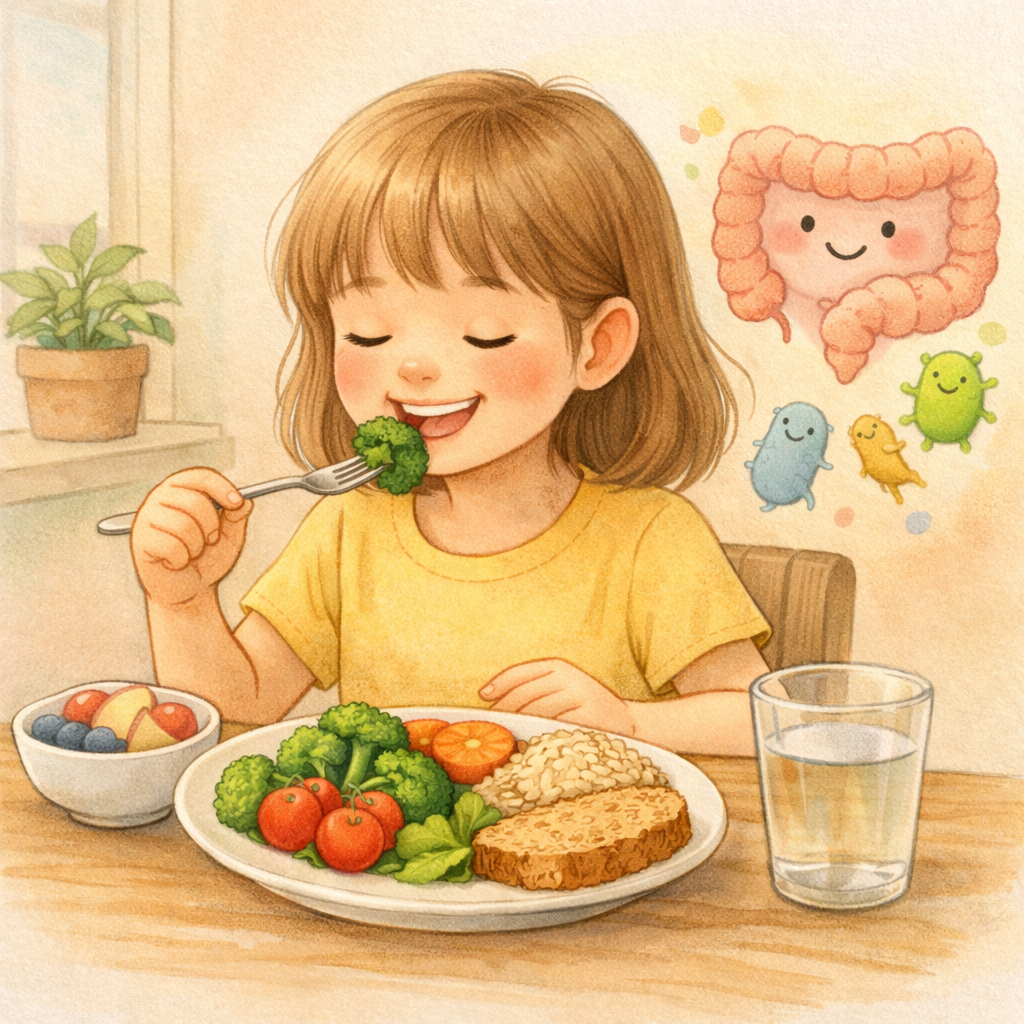
Proper hydration is vital for overall health and often overlooked, especially in children with autism who may not recognize or express thirst. Dehydration can cause headaches, irritability, and poor concentration, worsening behavioral challenges. Dietary changes like increased fiber also require adequate water to prevent constipation.
Encourage your child to drink water regularly by using special cups or adding fruit for flavor. Good hydration supports all bodily functions and enhances your child's well-being.
Autism and Gut Health: What Parents Need to Know
The link between gut health and autism is a significant area of research. Many parents notice that their children experience gastrointestinal issues like constipation or diarrhea. These digestive issues are often tied to the balance of the gut microbiota and highlight the importance of the gut-brain connection.
Understanding this connection can help you see how nutrition impacts behavior and development. By supporting your child's digestive system, you may see improvements in mood, concentration, and overall well-being. We'll examine the gut-brain axis and how you can promote a healthy gut.
The Gut-Brain Connection in Autism
The gut-brain connection is a vital communication pathway between your digestive system and brain, especially in autism. The gut microbiome—bacteria in the intestines—affects brain development and function. Imbalances are common in those on the spectrum and may cause irritability and reduced concentration, particularly with digestive discomfort.
This axis works both ways: stress affects digestion, and poor gut health impacts mood and behavior. Oxidative stress is also influenced by this relationship.
Supporting a healthy gut microbiome through nutrition can improve the gut-brain connection, leading to a calmer mind and better focus—key benefits for behavior and development in autism.
Common Digestive Issues in Children with Autism
Gastrointestinal symptoms are common in children with autism. Many experience issues like constipation, diarrhea, and abdominal pain, which can cause discomfort and lead to behavioral challenges, especially if the child cannot express their pain.
These problems often stem from imbalances in gut bacteria. Frequent use of antibiotics can reduce beneficial bacteria, disrupting gut health. Poor digestion of certain proteins may also cause inflammation and discomfort.
Addressing these issues through a gentle, gut-friendly diet is crucial. Supporting digestive health can ease discomfort and improve behavior, sleep, and overall quality of life for your child.
Role of Probiotics and Prebiotics for Autism and Gut Health
Probiotics and prebiotics play a vital role in restoring and maintaining gut health. Probiotics are beneficial bacteria that help balance the gut microbiome, while prebiotics are types of fiber that feed these good bacteria. For children with autism, incorporating both, as indicated in a randomized controlled trial, can be a supportive strategy for managing digestive issues.
Supplementing with probiotics can help replenish beneficial gut bacteria, especially if they have been depleted by antibiotics. This can improve digestion and nutrient absorption. While side effects are rare, it's always best to start with a small dose and introduce these supplements under the guidance of a healthcare professional.
Here are some ways to incorporate probiotics and prebiotics:
- Add fermented foods like kefir or sauerkraut to the diet.
- Use a probiotic supplement containing Lactobacillus and Bifidobacter strains.
- Include prebiotic-rich foods like whole grains, vegetables, and pulses.
- Consider a yeast-based probiotic like Saccharomyces boulardii for additional gut support.
Safe and Unsafe Foods in an Autism Diet
When considering an autism diet, it's helpful to think about which foods support health and which might cause issues. While there isn't a single recommended meal plan that works for everyone, focusing on whole, unprocessed foods can greatly improve nutritional status. Your child's dietary intake should ideally include a variety of food groups.
Some foods and environmental factors, like certain additives or proteins, may trigger adverse reactions in sensitive individuals. We'll explore which foods to consider limiting and which to emphasize for optimal health and well-being.
Foods to Avoid and Why
For some children with autism, certain foods can cause side effects that impact behavior and health. While not a universal rule, many parents find that removing specific items from the diet leads to improvements. Food allergies and sensitivities are often at the root of these issues.
One of the most discussed dietary interventions involves removing gluten (from wheat) and casein (from dairy). These proteins can be difficult to digest and may form peptides that affect brain function. Other items to watch out for include artificial colors, additives, and preservatives, which can sometimes trigger hyperactivity or other adverse reactions.
Here are some foods that should be considered for avoidance or limitation:
- Foods containing gluten (wheat, barley, rye) and casein (dairy products).
- Processed foods with artificial colors, flavors, and preservatives.
- Sugary snacks and drinks, which can disrupt blood sugar balance.
- Common allergens like soy, corn, and eggs, if a sensitivity is identified.
Recommended Foods for Optimal Health
While there isn't a single recommended meal plan for people with autism, a balanced diet centered on whole foods is a great foundation. The goal is to provide a variety of foods that are rich in nutrients to support overall health and brain function. Focusing on what to add, rather than just what to remove, can make dietary changes feel more positive.
A diet rich in whole grains (if tolerated), lean proteins, fruits, and vegetables provides essential vitamins, minerals, and a good fiber intake. Healthy fats are also crucial, particularly omega-3s found in oily fish and certain seeds. This approach helps to balance blood sugar and support a healthy gut.
For a balanced diet, aim to include:
- A variety of colorful fruits and vegetables.
- Lean proteins like chicken, turkey, and fish.
- Healthy fats from sources like avocados, nuts, and seeds.
- Fiber-rich foods like beans, lentils, and whole grains.
- Plenty of water for hydration.
Managing Additives, Artificial Colors, and Preservatives
Many processed foods contain additives, preservatives, and artificial colors that can negatively affect sensitive individuals, including some children with autism. These ingredients may cause hyperactivity, irritability, and other behavioral issues. Limiting their intake supports a healthier diet.
To avoid these substances, read food labels carefully and choose products with simple, recognizable ingredients. Opt for whole, unprocessed foods whenever possible to reduce exposure.
Foods with artificial dyes (such as Red 40 or Yellow 5), preservatives (like BHA or sodium benzoate), and artificial sweeteners should be avoided. Minimizing these can help prevent triggers and support your child's well-being.
Managing Sensory Sensitivities Around Food
Managing sensory sensitivity is key to overcoming feeding problems and food selectivity. Mealtimes can be a source of stress due to sensory issues, but creating the right environment can make a huge difference. The goal is to make eating a calm and positive experience rather than a battle.
By understanding that food refusal is often a reaction to sensory overload, you can begin to implement strategies that reduce anxiety. These approaches can help your child feel more comfortable with food and even improve social interaction during meals. Let’s explore some practical ways to manage these sensitivities.
Creating a Calm Mealtime Environment
A calm mealtime environment is essential for a child with sensory sensitivity. Loud noises, bright lights, and too much activity can heighten anxiety and trigger negative mealtime behaviors. By minimizing sensory input, you can help your child feel more secure and open to eating.
These sensory issues can turn a family dinner into a stressful event. Simple adjustments can make a world of difference. For example, dimming the lights, turning off the television, and eating at a consistent time each day can provide the predictability and calmness your child needs.
Here are some strategies for a calmer mealtime:
- Establish a consistent mealtime routine.
- Minimize distractions like screens and loud noises.
- Use plates and utensils that your child finds comfortable.
- Avoid pressuring your child to eat; focus on positive social communication.
- Consider eating in a quiet space if the family table is too overwhelming.
Strategies for Introducing New Foods
Introducing a new food to a child with strong food preferences can feel like an impossible task. However, with the right strategies, it can be a successful part of your dietary intervention. The key is to be patient, consistent, and to keep the pressure low. Start with tiny amounts and celebrate any interaction with the new food, even just touching or smelling it.
One effective strategy is "food chaining," where you link a new food to a preferred one. If your child likes a certain brand of chicken nuggets, you could try a different brand, then a homemade nugget, and eventually a piece of grilled chicken. This gradual shift helps bridge the gap between different food groups.
Here are a few effective strategies to encourage trying new foods:
- Serve a very small portion of the new food alongside a favorite food.
- Don't force it. Allow your child to explore the food at their own pace.
- Involve your child in cooking or preparing the new food.
- Try presenting the food in different ways (e.g., raw carrots vs. cooked carrots).
- Model eating and enjoying the new food yourself.
Tools and Techniques for Reducing Mealtime Stress
Reducing mealtime stress is crucial for overcoming feeding problems and establishing healthy eating habits. A variety of tools and techniques can help make mealtimes a more positive experience for both you and your child. Sometimes, specialized utensils or plates can make a big difference.
For more complex challenges, working with occupational therapists can be incredibly valuable. They can provide tailored strategies to address sensory issues and problematic mealtime behaviors. Their expertise can help you navigate food aversions in a structured and supportive way.
Here are some tools and techniques to try:
- Use partitioned plates to keep foods from touching.
- Offer utensils with different textures or weights.
- Implement a visual schedule for mealtimes to create predictability.
- Set a timer for a reasonable meal duration to avoid prolonged battles.
- Focus on positive reinforcement for trying new things, not just eating them.
Encouraging Healthy Eating Habits in Autism
Encouraging healthy eating habits in a child with autism requires patience, creativity, and consistency. The goal is to move beyond selective eating and strong food preferences to embrace a wider variety of foods. This process is a marathon, not a sprint, and every small step forward is a victory.
By focusing on gradual expansion and making food fun, you can help your child develop a more positive relationship with eating. The following sections will provide practical tips and techniques to address picky eating and gently broaden your child's palate.
Tips for Addressing Picky Eating
Addressing picky eating, or selective eating, is a common challenge for parents of children with autism. These feeding problems often stem from sensory sensitivities or a need for routine, leading to food aversions that can impact nutritional intake. A gentle and persistent approach is usually most effective.
Instead of turning mealtimes into a power struggle, focus on creating positive experiences around food. One helpful tip is to always include at least one "safe" food that you know your child will eat on their plate. This reduces anxiety and ensures they won't go hungry, taking the pressure off trying something new.
Here are some tips for handling picky eating:
- Maintain a consistent meal and snack schedule.
- Keep portions small to avoid overwhelming your child.
- Don't offer an alternative meal if they refuse what is served.
- Praise your child for trying, even if it's just a tiny lick or smell.
- Make food fun by cutting it into interesting shapes.
Gradual Food Expansion Techniques
Food expansion is the process of slowly increasing the variety of foods your child eats. This technique relies on the gradual introduction of a new food, helping to build acceptance over time. Instead of presenting a whole new meal, you introduce tiny changes to familiar foods, making the experience less intimidating.
This approach helps your child become comfortable with different tastes, textures, and food groups at their own pace. For example, if your child only eats one type of cracker, you might introduce a similar cracker with a slightly different shape or flavor. The key is to make each step very small.
Here are some gradual food expansion techniques:
- Food Chaining: Link new foods to accepted foods based on similar characteristics.
- Tiny Tastes: Offer a minuscule portion of a new food with no pressure to finish it.
- One New Food at a Time: Avoid overwhelming your child by introducing multiple new items at once.
- Vary Presentation: Change the shape, temperature, or texture of a familiar food slightly.
- Mix it in: Add a tiny amount of a new vegetable puree into a favorite sauce.
Involving Children in Meal Preparation
One of the most effective strategies for encouraging better eating habits is to involve your child in meal preparation. This hands-on experience can demystify new foods and reduce anxiety. When a child helps wash, stir, or assemble a dish, they build a sense of ownership and familiarity with the ingredients.
This process allows them to interact with different food groups in a low-pressure environment. It's not about eating; it's about exploring. This can be a great opportunity for positive social interaction and can help them become more comfortable with the textures and smells of foods they might otherwise reject.
Here are ways to involve your child in meal preparation:
- Let them wash vegetables in the sink.
- Allow them to stir ingredients in a bowl.
- Have them sprinkle herbs or cheese on a dish.
- Let them help set the table.
- Ask them to choose between two healthy options for a meal.
The Impact of Nutrition on Behavior and Development
The food a child eats can have a direct impact on their behavioral development and even social communication. An improved nutritional status can lead to better focus, a more stable mood, and reduced irritability. When a child's body and brain are well-nourished, they are better equipped to learn and interact with the world.
Many parents wonder if changing their child's dietary intake can improve autism symptoms. While diet is not a cure, targeted nutritional strategies can support underlying biological processes, potentially leading to noticeable improvements in behavior and overall well-being. Let's explore this connection further.
How Dietary Changes Affect Mood and Focus
Dietary changes can significantly influence mood and focus in children with autism. A primary example is balancing blood sugar. A diet high in sugar and refined carbohydrates can cause blood glucose levels to spike and crash, leading to fluctuations in energy, concentration, and behavior. A nutritional intervention that prioritizes whole foods helps stabilize these levels.
By reducing sugary foods and increasing fiber, protein, and healthy fats, you can promote more consistent energy and a calmer disposition. This stable foundation allows for better focus in school and during therapy sessions. This is a key way nutrition impacts behavior and development.
Furthermore, addressing potential food sensitivities can also improve mood. If a child is unknowingly reacting to a food like gluten or dairy, it can cause internal discomfort and inflammation, which may manifest as irritability or hyperactivity. Removing these triggers can sometimes have a dramatic effect on their overall demeanor, without negative side effects.
Research on Nutrition and Autism-related Behaviors
A growing body of research, including systematic reviews and randomized clinical trials, is exploring the effect of nutritional interventions on autism-related behaviors. These studies provide scientific backing for what many parents have observed firsthand: diet matters. For example, trials on omega-3 fatty acid supplementation have shown improvements in hyperactivity, concentration, and social ability.
Another area of focus is the gut-brain axis, particularly in relation to mental disorders. Research has linked imbalances in gut flora to behavioral issues, and studies using probiotics have shown positive clinical results in some individuals with autism. These findings suggest that supporting digestive health can directly influence behavior.
While more research is always needed, the evidence points toward nutrition being a valuable component of a comprehensive support plan. These nutritional interventions aim to improve overall health, which in turn can help manage certain autism-related behaviors and enhance quality of life.
Parental Observations and Success Stories
Beyond clinical studies, the power of nutritional interventions is often highlighted in parental observations and success stories found in sources like Google Scholar. Many parents who have implemented dietary changes report significant improvements in their child's behavioral development and quality of life. These personal accounts, sometimes documented as a case report, offer hope and practical insight.
While individual results vary, a common theme is that changing the diet can improve symptoms of autism. Parents often notice better sleep, improved focus, more stable moods, and increased spontaneous speech after making targeted nutritional changes, such as removing gluten and casein or adding specific supplements.
Here are some commonly reported successes:
- A decrease in hyperactivity after reducing sugar and artificial additives.
- Improved bowel regularity and reduced irritability after introducing probiotics.
- Enhanced focus and learning following omega-3 supplementation.
- Greater social engagement after implementing a gluten-free, casein-free diet.
- Better sleep patterns once nutritional deficiencies were addressed.
Customizing Autism Diet Plans for Different Ages
A child's nutritional needs change as they grow, and diet plans for autism should be customized accordingly. The challenges and nutritional requirements for young children are different from those for teenagers or autistic adults. There is no single recommended meal plan; instead, the focus should be on creating a balanced approach that evolves with age.
Whether you are supporting a toddler with severe food selectivity or helping an autistic adult manage their weight, the principles of good nutrition remain the same. The application, however, must be tailored to their specific stage of life.
Nutritional Needs for Toddlers and Young Children
Toddlers and young children with autism have critical nutritional needs due to rapid brain and body development. Meeting these needs can be difficult because of picky eating and sensory sensitivities.
Key concerns include getting enough calories, iron, calcium, and healthy fats. Because vitamin D deficiency is common, supplementation is often recommended—but always consult a pediatrician first.
Focus on creating positive mealtime routines and gradually expanding their food choices. Even small successes, like trying a new fruit or vegetable, support better long-term health and help build a healthy relationship with food.
Adjusting Diet Strategies for Teenagers
As children with autism become teenagers, their diets may need to change. Teens require more calories, calcium, and protein for growth, and they often have greater control over their food choices, which can bring new challenges.
Meal plans should focus on nutrient-dense foods to support health and development. This is also a good time to teach teens how healthy eating can boost their energy and focus.
Peer pressure may affect their eating habits. Offering healthier versions of popular foods—like whole-grain or gluten-free homemade pizza and baked sweet potato fries—can help them make better choices.
Best Practices for Autism Nutrition in Adults
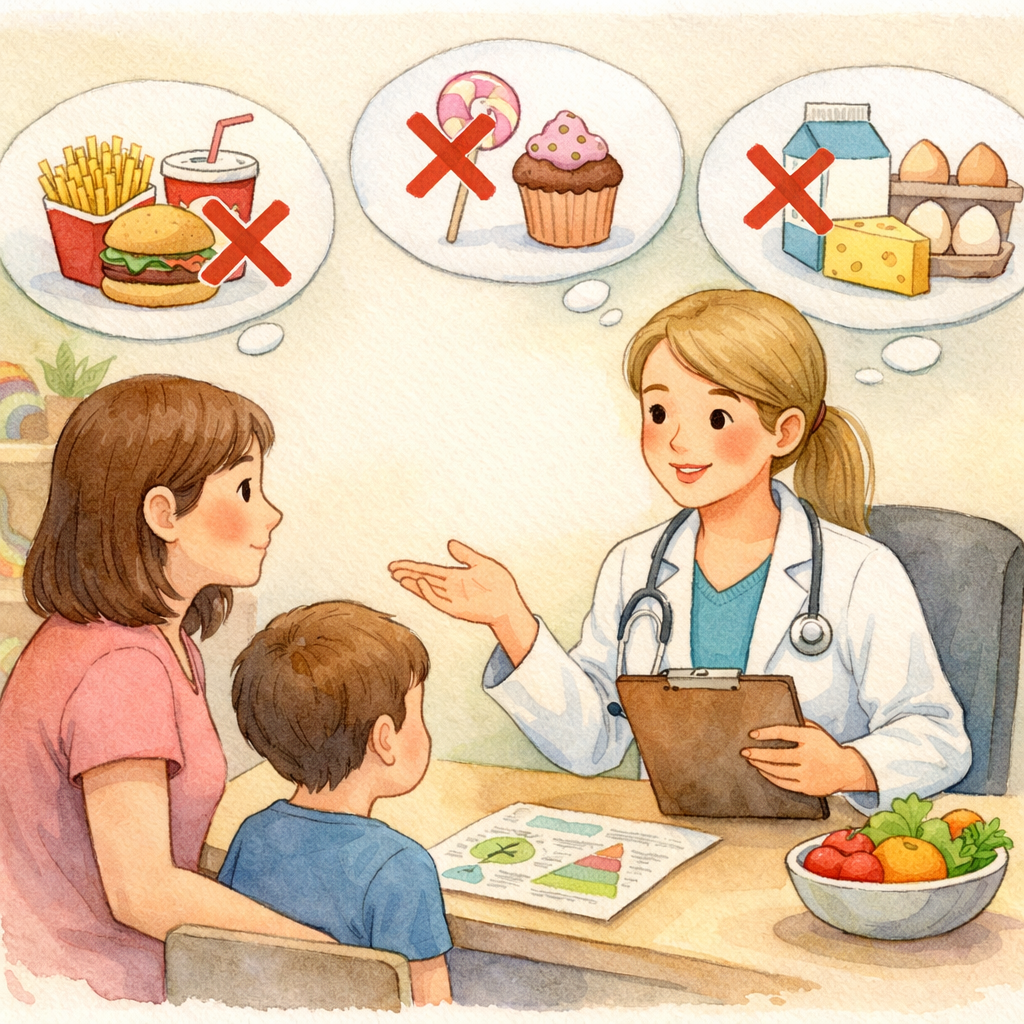
Nutrition is crucial for autistic adults. Lifelong selective eating can lead to an unbalanced diet and increased risks like obesity, diabetes, and nutrient deficiencies. Managing nutrition is key for long-term health.
Diet tips focus on simplicity, routine, and empowerment. Structured meal plans reduce decision fatigue. For weight loss, a balanced diet with whole foods is more sustainable than restrictive diets.
Best practices:
- Plan and prep simple meals for consistent nutrition.
- Choose whole foods over processed ones.
- Manage sensory preferences (e.g., crunchy or soft foods).
- Incorporate regular physical activity.
- Consult a dietitian familiar with autism for a personalized plan.
Conclusion
In conclusion, understanding the nutritional needs of individuals with autism can greatly improve their well-being and development. Addressing food aversions, sensory sensitivities, and hydration helps parents create diets tailored to their child’s unique needs. Positive mealtime experiences and gradual introduction of new foods encourage healthier eating habits. As the connection between nutrition and behavior becomes clearer, thoughtful dietary choices can boost mood and focus.
To make a positive impact on your child’s health, schedule a consultation or call daar at 02 9133 2500 with our nutrition experts for personalized guidance.
Frequently Asked Questions
Can changing diet improve symptoms of autism?
Yes, for many individuals, targeted nutritional interventions, including the specific carbohydrate diet, can help improve some symptoms of autism spectrum disorder. While not a cure, adjusting dietary intake to address deficiencies, support gut health, and remove trigger foods can lead to noticeable improvements in behavior, focus, and overall well-being.
Are there specific nutrients that help support autism management?
Certain nutrients are particularly important. Omega-3 fatty acids, vitamin D, vitamin B6, and magnesium have all been shown in studies to be beneficial. Addressing nutritional deficiencies and ensuring adequate protein intake are also key strategies for supporting individuals with autism through their diet.
Is there a recommended autism diet plan for the Australian context?
There is no single recommended autism diet plan, either in Australia or the United States. The best approach is a personalized one, focusing on a balanced dietary intake with a variety of foods from all major food groups. It's best to consult with Australian healthcare professionals, like a dietitian, to tailor a plan that suits your child's specific nutritional status and needs.
.svg)




.svg)