
.png?width=48&height=48&name=Group%201%20(3).png)
























8 April, 2026

Understanding the Effects of Sugar on Children’s Health

Key Highlights
- Excessive sugar consumption can lead to various health problems for your child, including unhealthy weight gain and an increased risk of chronic diseases.
- Understanding the impact of sugar is crucial for protecting your children's health long-term.
- While many parents believe too much sugar causes hyperactivity, there isn't strong scientific proof, but it can still affect a child's mood and energy levels.
- Reading food labels is a key first step to managing the sugar in your child’s diet and promoting healthy habits.
Introduction
It is a joy to see a child’s face light up at the taste of a sweet treat on special occasions. But have you ever wondered about the real impact of sugar consumption on your child's health? Balancing treats in your child’s diet is a common concern for many parents. Understanding the effects of sugar is vital for raising healthy kids and preventing future health problems. This guide will explore the effects of sugar on children's health, from their physical growth to their mental well-being, and provide practical tips for making informed choices.
The Basics of Kids' Sugar Intake Limits
When it comes to your child’s diet, knowing how much sugar is limited is crucial. Health organizations provide clear dietary guidelines to help protect your child's health from the negative effects of consuming too much sugar. The recommended amount of sugar varies by age, with stricter limits for younger children.
Following these guidelines can help prevent unhealthy weight gain and reduce long-term health risks. To manage your child’s sugar intake, it's helpful to understand the difference between natural and added sugars and know what the specific daily recommendations are.
Defining Added vs. Natural Sugars
It's important to distinguish between natural and added sugars. Naturally occurring sugars are found in whole foods like fruits, vegetables, and dairy, along with fiber, vitamins, and minerals that slow digestion and provide steady energy. Studies have shown that eating sugar—whether naturally occurring sugars or added—does not directly cause hyperactivity in kids. Rather, factors like excitement or environment tend to be responsible for changes in children's behaviour, not sugar itself.
Added sugars and artificial sweeteners are put into foods during processing or preparation—found in soft drinks, candy, and many packaged snacks. These "empty calories" offer little nutrition; about 80% of packaged foods contain hidden sugars. While many people believe that eating sugar makes kids hyperactive, scientific studies have not found consistent evidence to support this claim. Hyperactivity is more likely influenced by other factors, such as excitement at parties where sugary foods are served, rather than sugar itself.
To check sugar content, read nutrition labels for the "Added Sugars" line. Also scan the ingredients list for high-fructose corn syrup, dextrose, fructose, or sucrose—all forms of added sugar.
Recommended Daily Sugar Intake for Australian Children
Health organizations like the Association for Behaviour Analysis Australia and the World Health Organization (WHO) have established dietary guidelines to help parents manage their child's sugar consumption from sugary sports drinks. These recommendations focus on limiting "free sugars," which include added sugars and those naturally present in honey, syrups, and fruit juices.
For children between 2 and 18 years of age, they recommend keeping added sugar to less than 25 grams of sugar (about 6 teaspoons) per day. For children under the age of two, the guidelines are even stricter, advising no added sugar at all. This is because taste preferences are formed during this critical developmental period.
Following these recommended intake levels is key to preventing health issues. Here is a simple breakdown of the guidelines:
|
Age Group |
Recommended Daily Added Sugar Limit |
|---|---|
|
Under 2 years of age |
0 grams (0 teaspoons) |
|
2 to 18 years of age |
Less than 25 grams (6 teaspoons) |
Sugar’s Impact on Children’s Behaviour and Mental Health
Many parents observe that their child's body, mood, and behaviour change after sugar consumption. While the idea of a "sugar rush" is popular, the link between sugar and hyperactivity is debated. However, high-sugar diets can impact brain function. The rapid spikes and crashes in blood sugar can cause energy drops, irritability, and brain fog, which certainly affect a child's mood.
These fluctuations can make it harder for a child to pay attention and regulate their emotions, which can impact their social skills. Instead of sugary snacks, offering fresh fruits can provide natural sweetness without the dramatic changes in blood sugar. Let's look closer at how sugar affects a child's school performance and mood.
Attention, Learning, and School Performance
A diet high in added sugar can affect a child’s school performance. Sugary snacks may cause quick energy spikes followed by crashes, leaving kids tired, irritable, and unfocused in class.
These blood sugar swings make it harder to concentrate and remember information. Some research links high sugar intake in adolescence to poorer learning and memory later on. While sugar isn’t proven to cause ADHD, its impact on attention is a concern for parents.
Choosing low-sugar breakfast cereals and building healthy habits can help keep your child’s energy steady, supporting better focus and success at school.
Mood Changes and Hyperactivity
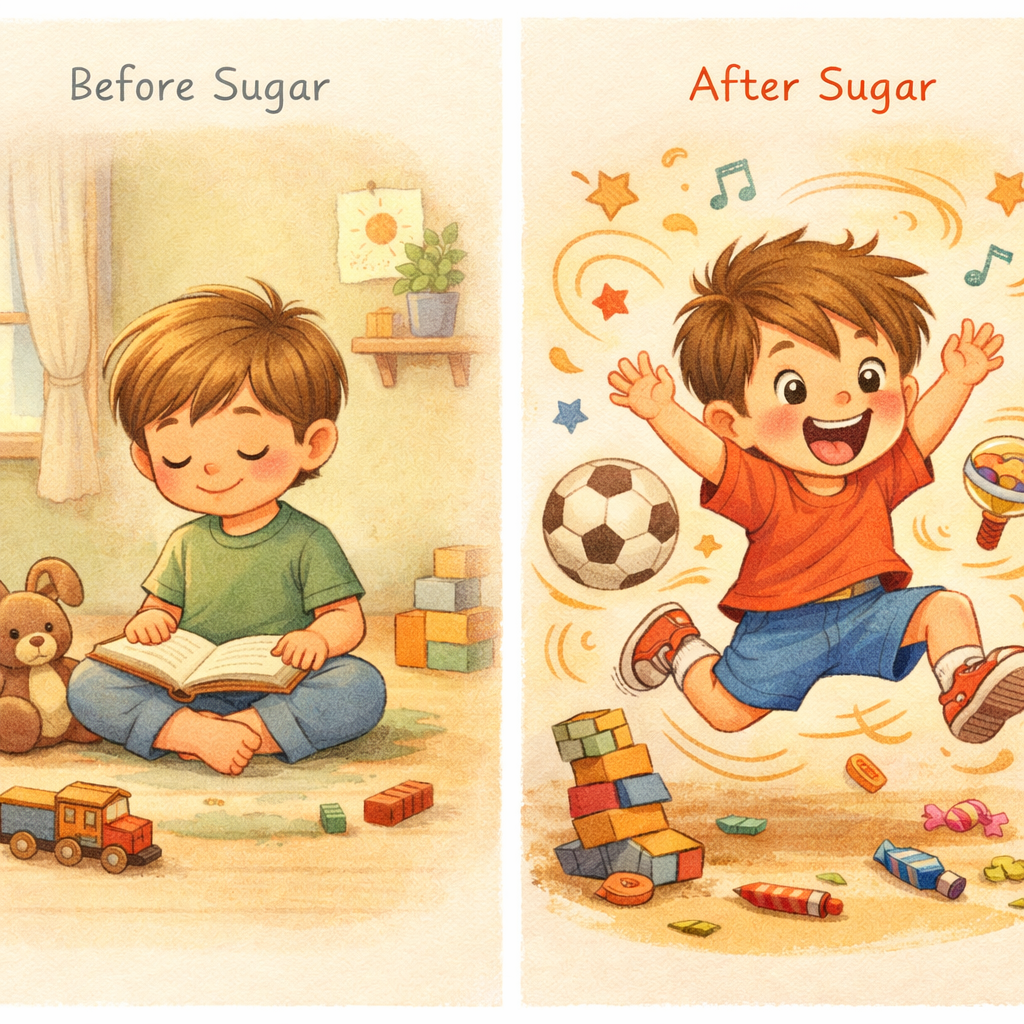
The link between sugary snacks, like ice cream, and hyperactivity is often discussed by parents. While strong scientific evidence is lacking, many notice mood changes in their children after consuming lots of sugar. Rapid spikes and crashes in blood sugar can lead to irritability, energy slumps, and trouble managing emotions.
Although research hasn't proven that sugar directly causes hyperactivity, its short-term effects on energy are clear. Kids may seem "hyper" right after a sugary snack, followed by sluggishness.
Common short-term effects of high sugar intake include:
- Sudden bursts of energy followed by crashes
- Moodiness and irritability
- Trouble concentrating
- Feeling tired or sluggish
Long-Term Risks of Excess Sugar Consumption in Childhood
Consuming excess sugar during childhood can set the stage for serious health issues later in life. A diet high in added sugar is linked to chronic diseases like obesity, type 2 diabetes, and high blood pressure. These conditions can put children at risk for heart disease as they grow into adults, making it crucial to also include healthy options such as low-fat dairy products in their diets.
Filling up on sugary foods also means there's less room for nutritious options that support better health and healthy development. It's important to recognize the early signs of high sugar intake and understand its connection to metabolic health to protect your child's future well-being.
Links to Chronic Conditions and Metabolic Health
Excessive sugar intake is a leading cause of unhealthy weight gain and childhood obesity, raising the risk of type 2 diabetes and high blood pressure—even in young kids.
A high-sugar diet over time can cause insulin resistance, a key factor in developing diabetes. It also contributes to fatty liver disease and high cholesterol, both major heart disease risks later in life.
Establishing healthy eating habits early helps prevent these chronic conditions. Limiting sugar supports long-term metabolic health and encourages healthy growth.
Early Signs and Symptoms of High Sugar Intake in Kids
Parents should watch for early signs that their child may be eating too much sugar. While symptoms like moodiness or sluggishness can have other causes, they are important when seen alongside changes in diet and may indicate a lack of nutritional value due to excessive sugar intake.
Key warning signs include:
- Frequent cavities or dental issues
- Noticeable weight gain
- Mood swings and irritability from blood sugar spikes
- Sluggishness or low energy
Tooth decay is especially common, as sugar fuels bacteria that damage tooth enamel. Unhealthy weight gain is another major concern.
Conclusion
Understanding sugar’s effects on children is vital for parents and caregivers. Excessive sugar intake is linked to obesity, behavioural issues, and long-term health risks, making it important to monitor children’s diets. Limiting added sugars and encouraging a balanced diet with healthier choices can improve physical health and mood. Taking a balanced approach now supports better habits for the future.
If you need advice on reducing your child’s sugar intake, feel free to reach out for a consultation or call daar at 02 9133 2500!
Frequently Asked Questions
How can parents effectively reduce their children’s sugar intake?
To reduce your child’s sugar intake, start by reading food labels to check for added sugars. Prioritize whole foods like fruits, vegetables, and whole grains over processed snacks and sugary breakfast cereals. Offering water instead of sugary drinks and making snacks at home are also effective ways to control the sugar in your child’s diet.
What signs suggest kids are consuming too much sugar?
Signs of high sugar intake in children include frequent tooth decay, unhealthy weight gain, and noticeable changes in a child’s mood, like irritability or sluggishness. These symptoms can be linked to the effects of excessive sugar on their blood sugar levels, overall health, and potential dental problems.
Are there lasting health problems from high sugar intake during childhood?
Yes, high sugar intake during childhood, especially from sugary treats, is linked to serious long-term health problems. It increases the risk of childhood obesity, which can lead to chronic diseases like type 2 diabetes, high blood pressure, and heart disease later in life. These habits can have a lasting impact on adult health.
.svg)




.svg)